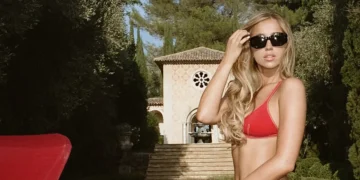



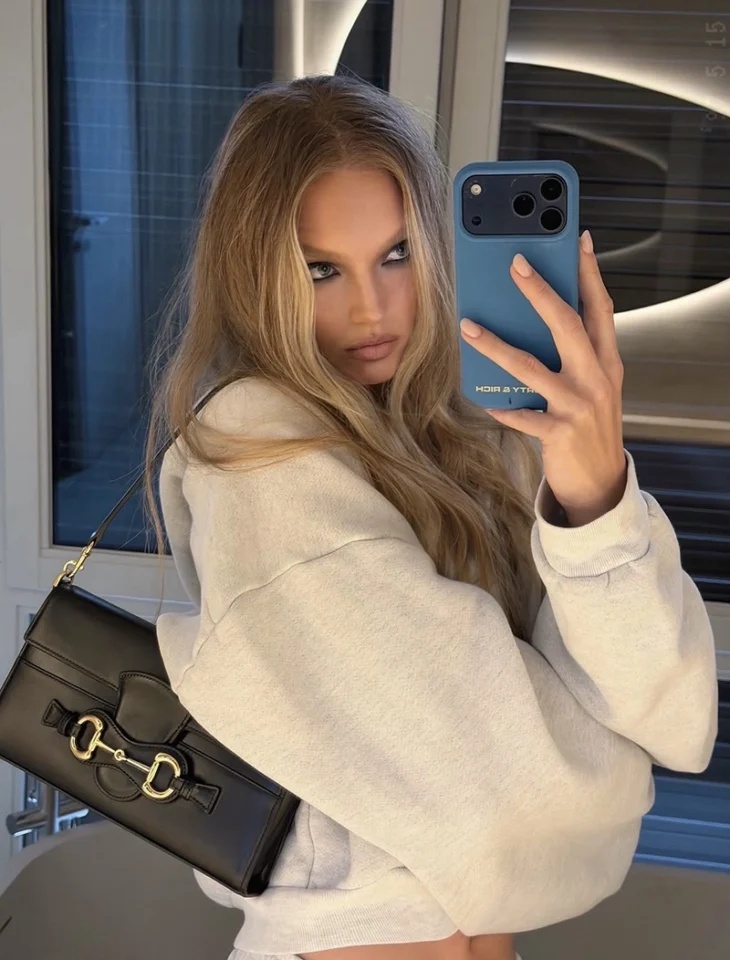
There was a time when walking the Victoria’s Secret Fashion Show meant something quite specific. The Angels had recognizable faces, established runway careers, and a relationship with the brand that extended well beyond a single evening. Their presence helped make the show an event. Now, as Victoria’s Secret prepares for its October 18 return to Los Angeles, the rejection of two familiar models has exposed an uncomfortable question about the direction of its casting.
Romee Strijd, who walked five consecutive Victoria’s Secret shows between 2014 and 2018 and became an official Angel in 2015, revealed on TikTok that she had auditioned for the 2026 show without securing a place. She had spent the summer preparing for her return, particularly after having two children, and travelled to New York for casting in September.
Weeks later, her agent delivered the decision: the casting team thought she would not fit this year’s show.
@romeestrijd♬ original sound – romee strijd
Strijd’s disappointment concerned the process as much as the rejection itself. She described feeling poorly treated and questioned whether she would ever audition for the brand again. For someone whose image remains closely associated with Victoria’s Secret, the experience clearly carried personal weight.
Frida Aasen, who appeared in the 2017 and 2018 shows, subsequently revealed that she had also attended casting and received a rejection.
Of course, previous participation should never guarantee a permanent runway position. Fashion shows need new faces, new perspectives, and the freedom to change their casting. A brand cannot build its future entirely around its former stars. Yet Victoria’s Secret has spent years trading on the cultural memory of its Angels, and that history complicates the way it treats the women who helped create it.
The controversy becomes particularly interesting when we consider the brand’s growing relationship with influencers. At the 2025 show, social media creators Quenlin Blackwell and Gabriela Moura appeared in the PINK Halftime Show, alongside athletes Angel Reese and Sunisa Lee. Their participation reflected a wider strategy of bringing personalities with substantial audiences into the Victoria’s Secret universe.
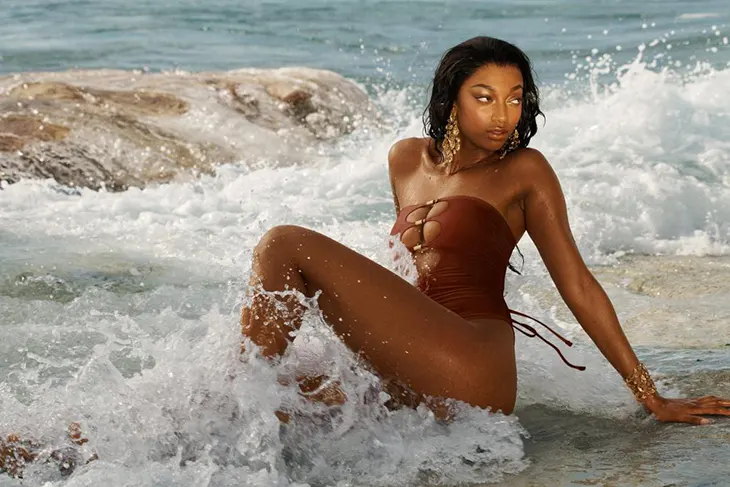
There is a commercial logic to this approach. An influencer arrives with an audience, a distribution channel, and the ability to turn a runway appearance into millions of social media impressions. Fashion brands increasingly value that reach.
But the runway has its own discipline. Walking a show requires an understanding of movement, clothing, proportion, pacing, and presentation. Professional models spend years developing those skills, often without the immediate visibility that social media can provide. When casting decisions appear to reward online recognition while established runway models struggle to secure places, the distinction between a fashion show and a promotional event becomes increasingly difficult to ignore.
To be clear, the participation of influencers in 2025 does not establish that they took places from Strijd or Aasen in 2026. The brand has offered no public explanation for either rejection. The two creators also appeared in a specific PINK segment, a distinction worth acknowledging. Still, the reaction reveals something important about the audience’s expectations.
Victoria’s Secret has simultaneously introduced Angels Among Us, a YouTube competition following aspiring models hoping to secure a place in the 2026 show. More than 100,000 applicants entered the nationwide search, with the winner set to receive an exclusive IMG Models contract.
That is an extraordinary level of interest in a profession that supposedly needs to compete with the influence economy for relevance. The competition asks aspiring models to pursue an opportunity through a formal selection process. Meanwhile, the wider show increasingly incorporates celebrities, athletes, and digital personalities. These approaches can coexist, but Victoria’s Secret needs to establish what distinguishes an Angel from a famous guest.
That distinction once formed the foundation of the show’s identity. The Victoria’s Secret Fashion Show became a global phenomenon because audiences followed the models themselves. Adriana Lima, Alessandra Ambrosio, Candice Swanepoel, and Romee Strijd developed recognizable identities within the brand. Their careers and appearances gave viewers a reason to return every year.
Today, Victoria’s Secret seems interested in recreating that cultural significance while adjusting to an entertainment industry increasingly governed by social media metrics.
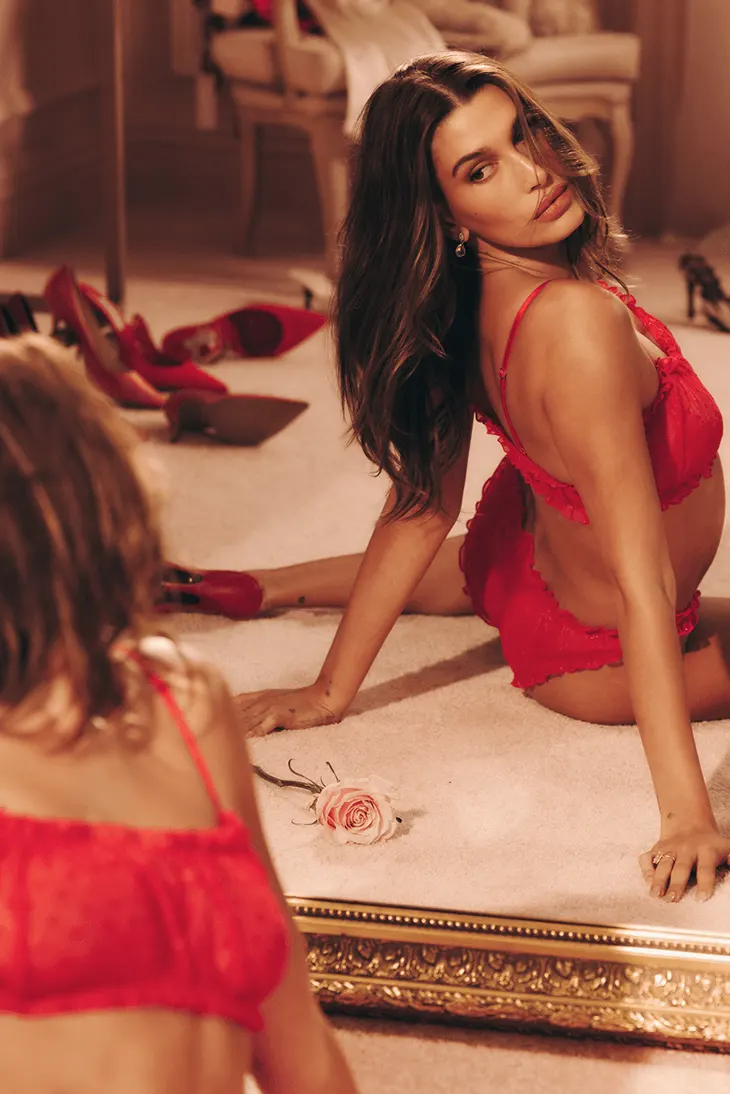
Its 2026 lineup already includes Gigi Hadid, Adriana Lima, Candice Swanepoel, Alex Consani, and Paloma Elsesser. Performances by Megan Thee Stallion, Megan Moroney, Tate McRae, and KATSEYE will add another layer of entertainment to the Los Angeles production. The scale of the event remains impressive. Its purpose, however, deserves scrutiny.
If Victoria’s Secret wants to develop a new generation of Angels, it needs to give those models the opportunity to become recognizable personalities through their work. That requires investment in careers, repeated appearances, and a coherent identity for the show. An Instagram following can attract attention immediately. Building a model’s relationship with an audience takes time.
The public reaction to Strijd’s rejection demonstrates precisely how valuable that relationship can become. Years after her last appearance, viewers still associate her with the runway and want to see her return. That recognition has survived changes in fashion, marketing, and the brand itself.
The boycott threats may ultimately have little effect on the October 18 show. Online outrage rarely provides a reliable measure of long-term consumer behavior. The larger issue remains.
Victoria’s Secret has every right to reconsider its casting. Strijd and Aasen have no automatic claim to the runway, regardless of their previous work. But the brand should recognize the difference between inviting someone because they already have an audience and creating the conditions for a model to earn one.
The Angels became famous because of the Victoria’s Secret Fashion Show. The question now is whether Victoria’s Secret still knows how to make an Angel famous.