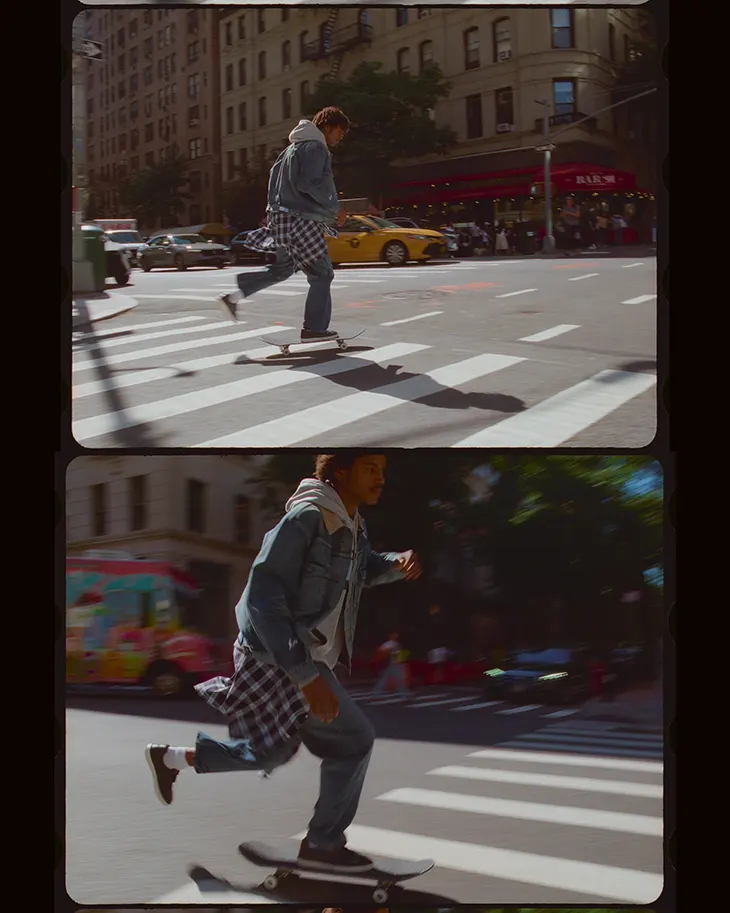



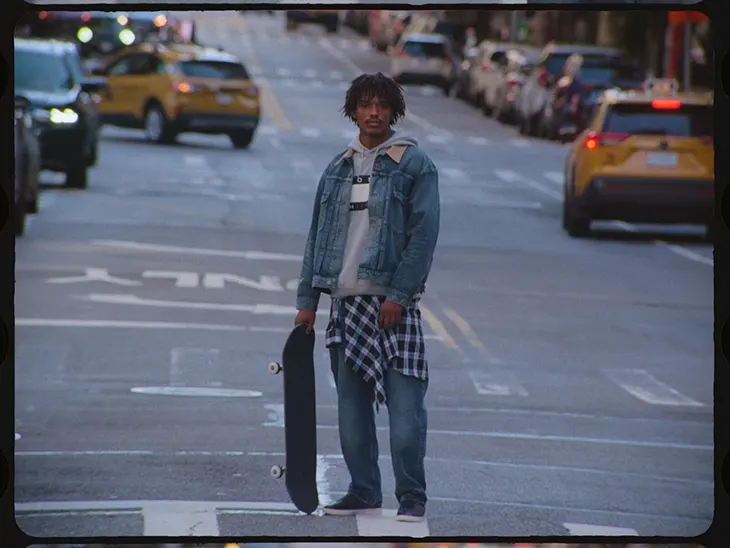
Tommy Hilfiger and Hiroshi Fujiwara’s FRGMT introduce a limited-edition capsule collection that revisits American prep through the cultural connections between New York and Tokyo. The collaboration draws from the brand’s 1990s archives, when Tommy Hilfiger brought traditional American sportswear into music and street culture. Fujiwara approaches these familiar designs through his Japanese perspective, introducing new proportions, graphic details, and a light blue color palette.
CAPSULE COLLECTIONS
The collection reflects a shared interest in the cultural movements that shaped both designers. Music, pop culture, and the creative communities of New York, London, and Tokyo influenced their approaches to fashion. Hilfiger began exploring these connections at 18, when he opened People’s Place, a store where young people gathered to listen to records, discover clothing, and exchange ideas.
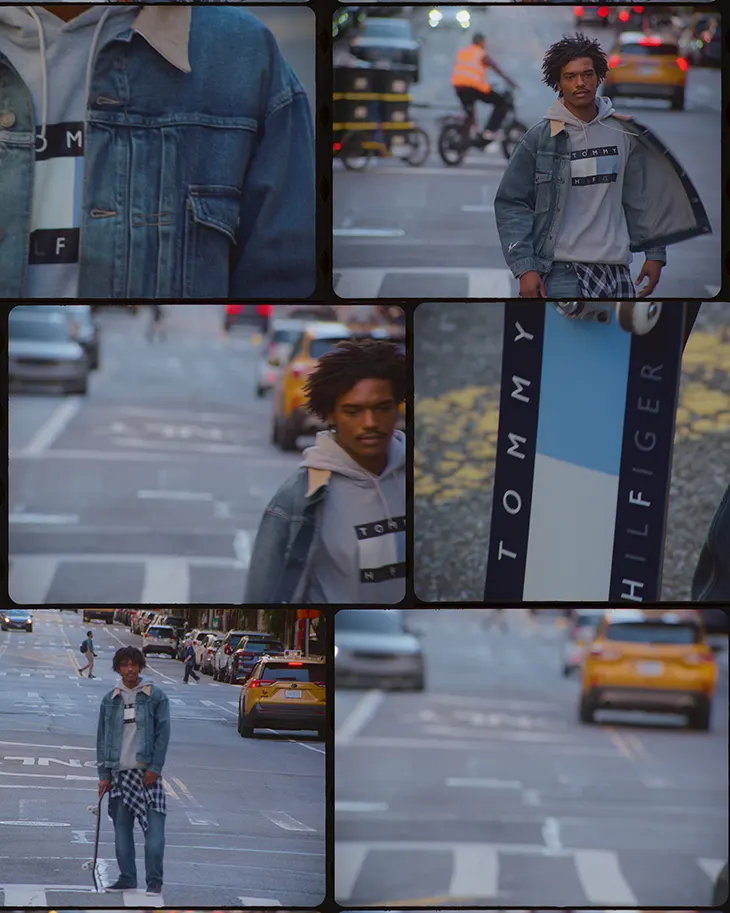
“I’ve always been inspired by bringing different worlds together,” says Tommy Hilfiger. He explains that his shared interest in music and cultural movements with Fujiwara informed their decision to revisit favorite pieces from the 1990s. The collaboration introduces Fujiwara’s Japanese design perspective to the American wardrobe that established Tommy Hilfiger during that decade.
The capsule focuses on recognizable pieces from the brand’s archives. Rugby shirts, button-downs, varsity jackets, chinos, and field jackets form the collection’s core. The designers also revisit the Regatta jacket, sailing polo, and duffel bag, drawing from styles associated with the brand’s earlier collections.
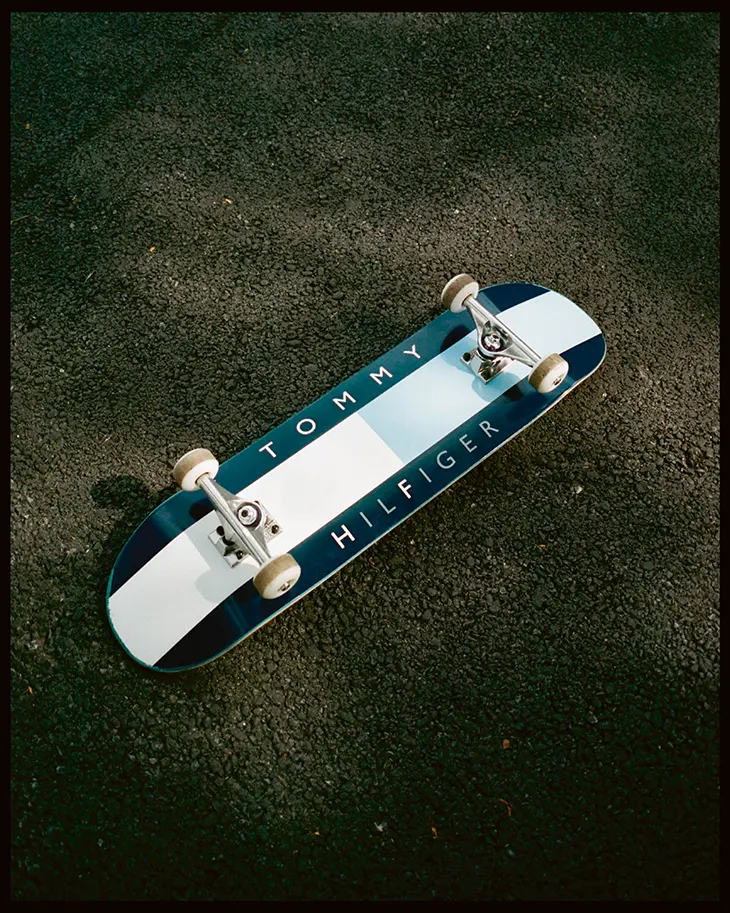
FRGMT introduces its visual identity through thunderbolt graphics and polka dots, while a light blue interpretation of the Tommy Flag establishes the capsule’s color direction. Fabric choices reference original Tommy Hilfiger designs, including soft flannel check shirting, dry cotton jersey, washed nylon, and heavyweight cotton twill. These materials give the familiar silhouettes distinct textures while maintaining their original character.
For Fujiwara, the collaboration connects several periods of his personal experience with fashion and music. During his teenage years, he followed London’s punk scene and developed an interest in the clothing worn by musicians. His later travels to New York introduced him to hip-hop, where he observed artists adopting Tommy Hilfiger pieces according to their individual styles.
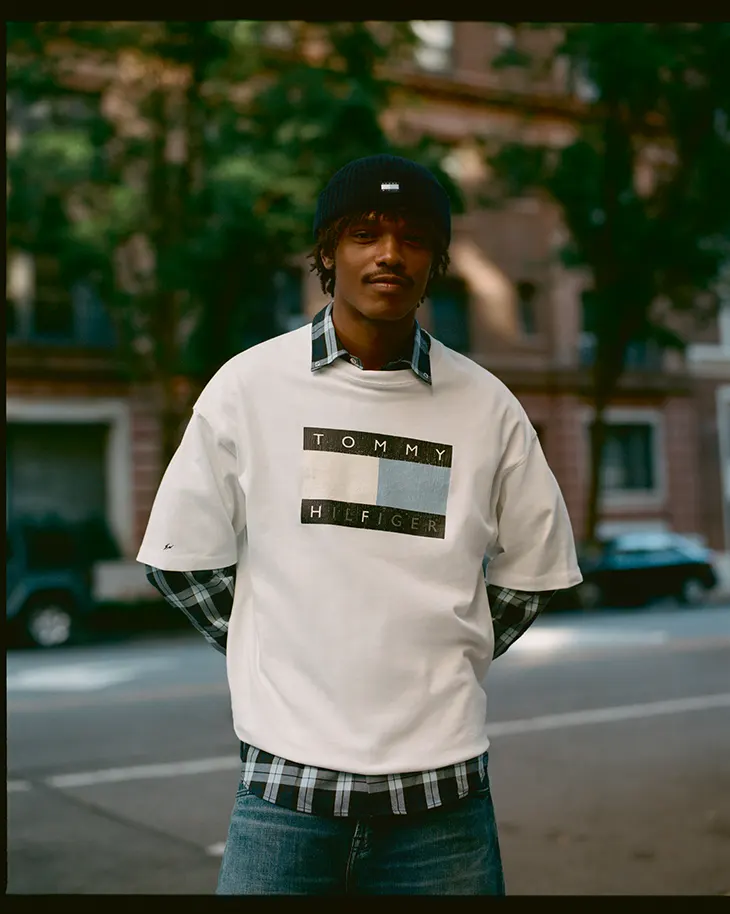
“The Tommy attitude in the ’90s stood out to me because it was about more than just the style,” Fujiwara recalls. He identifies the relationship between music and clothing as a major influence on his interpretation of the brand. His collection revisits the visual language of that period through FRGMT’s design approach.
The accompanying campaign takes place across New York, using a fast-moving social film to explore the connection between prep and street culture. Skating and spontaneous encounters shape the video’s direction, bringing the collection into the city environment that helped define the brand’s 1990s identity. That decade marked an important period for Tommy Hilfiger, as the label introduced vibrant colors, oversized proportions, and playful interpretations of American prep. The Tommy Hilfiger x FRGMT 2026 collection launched globally through select Tommy Hilfiger stores and website.