



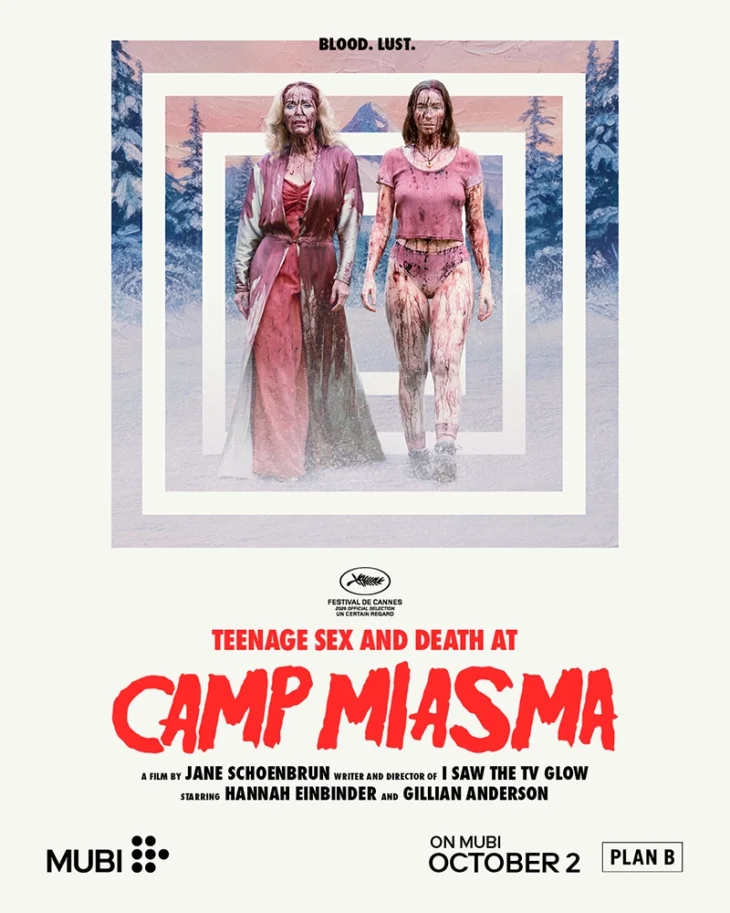
There was a time when admitting you loved a terrible film meant admitting something slightly embarrassing about yourself. You might have spent an entire Sunday watching cheap horror sequels or developed an inexplicable attachment to a particularly awful actress. Today, an appreciation of bad taste can function as evidence of exceptionally good taste. The more obscure the reference, the greater its cultural currency. Jane Schoenbrun’s Teenage Sex and Death at Camp Miasma arrives at a moment when this reversal has become almost institutional.
MOVIES
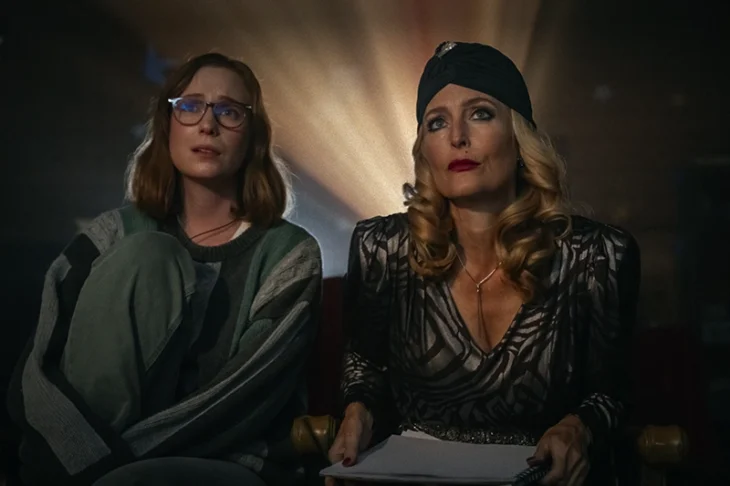
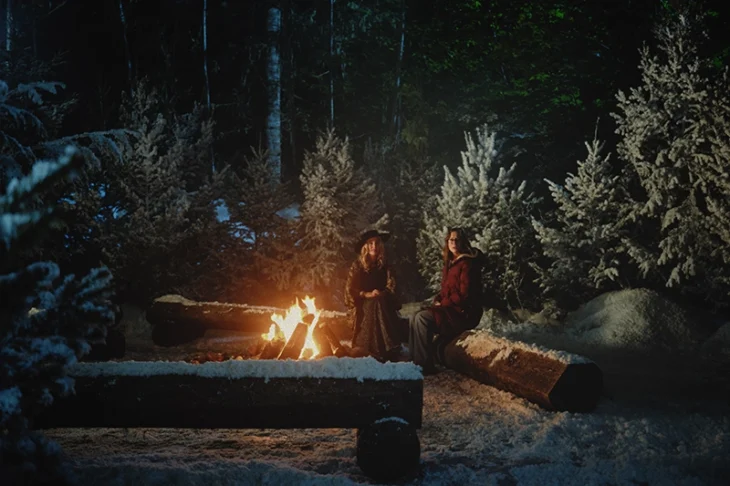
Schoenbrun’s third fiction feature, which opened the Un Certain Regard programme at the 2026 Cannes Film Festival, follows Kris, a young filmmaker played by Hannah Einbinder, whom a studio hires to revive a fictional slasher franchise. Her research leads her to Billy Presley, played by Gillian Anderson, the original film’s sole survivor and a reclusive actress who still lives at the former filming location. Their encounter develops into an exploration of sexual repression, desire and the influence cinema exerts over our understanding of ourselves.
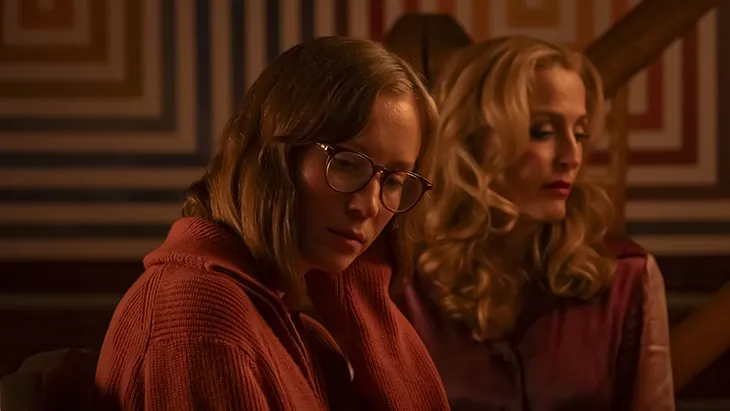
The premise contains an interesting contradiction. A contemporary filmmaker revisits a supposedly inferior genre through a production that carries every marker of sophisticated cultural consumption: an established auteur, a prestigious festival premiere, recognisable actors and a theoretical framework. The film understands its source material and its historical significance. It knows exactly why we should take it seriously. Perhaps that is where the trouble begins.
In her 1964 essay Notes on “Camp”, Susan Sontag distinguished between deliberate camp and the accidental camp that emerged from entirely sincere artistic ambitions. A spectacularly unsuccessful attempt at grandeur could produce something infinitely more fascinating than its creator had intended.
Think of the extraordinary seriousness with which Joan Crawford approaches some of her later performances, or the inexplicable dialogue and peculiar sexual politics of low-budget horror films. Their creators frequently pursued commercial success or conventional entertainment. Audiences subsequently discovered entirely different pleasures in their work.
That distance between intention and reception gave camp much of its fascination. Viewers could love something for reasons its creator would have found bewildering.
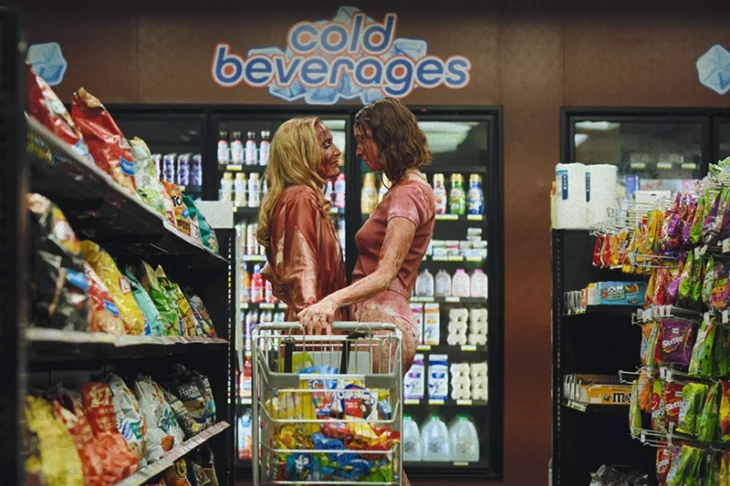
Contemporary camp increasingly anticipates this response. Filmmakers understand which performances could acquire cult status, which references might circulate online and which visual choices will attract fashion editorials. The audience often encounters a work whose creator has already anticipated its interpretation. Some of the pleasure of discovery disappears in the process.
The cultural rehabilitation of horror has produced valuable developments. Films that critics once dismissed now receive carefully restored releases. Directors receive recognition decades after working with negligible budgets. Somewhere along the way, however, this rehabilitation acquired its own hierarchy.
The popularity of the term elevated horror revealed a persistent embarrassment surrounding the genre. Horror could acquire cultural respectability through grief, generational trauma, political allegory or psychological complexity.
The implication that horror requires elevation remains patronising. George A. Romero understood social anxiety perfectly well. David Cronenberg spent decades examining our discomfort with the human body. The Texas Chain Saw Massacre contains an entire American economic nightmare. These filmmakers trusted physical sensations and disturbing images to communicate ideas.
Camp Miasma recognises this history. The studio that employs Kris wants a contemporary revision of a franchise with questionable attitudes towards gender and sexuality. Schoenbrun has described the fictional commission as an attempt to use the filmmaker’s queer identity to address the original films’ problematic elements.
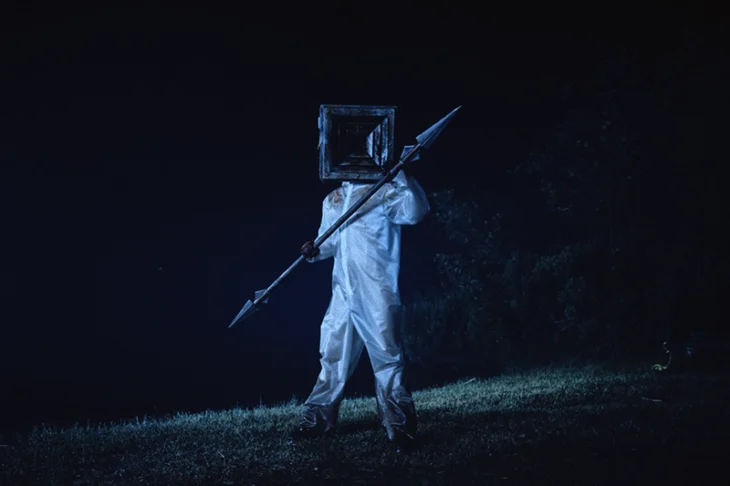
There is something amusing about the actual film occupying territory so close to that of its own satire. Its intellectual examination of disreputable entertainment provides the very conditions under which prestigious cultural institutions can embrace it.
This relationship with vulgarity extends well beyond cinema. Fashion regularly mines the wardrobes of suburban women and reality television personalities. Luxury accessories reproduce the appearance of inexpensive consumer goods. Art galleries exhibit objects that acquire extraordinary financial value through their resemblance to things most people would throw away.
A cheap plastic handbag can signify vulgarity in one environment and considerable aesthetic intelligence in another. Much depends on who carries it and whether the people around them recognise the reference.
Bad taste has become a social code through which culturally informed audiences recognise one another. It takes a certain confidence to wear an ugly garment. Perhaps it takes considerably more to wear it because you genuinely find it beautiful.
There is a class dimension to this. An established director can reference exploitation cinema and receive praise for understanding its history. A filmmaker working sincerely within that same genre might still encounter dismissive reviews. Cultural institutions tend to favour people who possess the vocabulary to articulate the significance of their choices.
We have become comfortable borrowing other people’s questionable pleasures once we establish sufficient cultural distance from them.
Schoenbrun’s previous films, We’re All Going to the World’s Fair and I Saw the TV Glow, explore the formative influence of fictional worlds. With Camp Miasma, the filmmaker turns towards sexual pleasure and the experience of inhabiting a body following years of alienation.
There is genuine emotional complexity in reclaiming imagery that once contributed to feelings of shame. Horror has a particularly complicated relationship with queer audiences, many of whom found glimpses of themselves in characters whom filmmakers presented as monstrous.
The larger question concerns how contemporary audiences consume such work. Interviews, explanatory articles and cultural analysis establish an intellectual framework before audiences encounter a single image. We arrive already equipped with an interpretation.
Part of the pleasure of watching an old slasher comes from the disproportion between its modest dramatic ambitions and the intensity of its imagery. An image can remain somewhere in your subconscious for decades. Its significance might change with age. Our enthusiasm for explaining cultural objects risks shortening this process.
John Waters understood the pleasures of bad taste. His early films circulated within communities that had relatively little access to mainstream cultural approval. Their vulgarity carried the excitement of people creating entertainment according to their own standards.
Today, luxury campaigns borrow the aesthetics of fetish clubs, and prestigious film festivals embrace the excesses of exploitation cinema. The institutional acceptance of queer expression constitutes a considerable achievement. Yet cultural institutions develop their own preferences regarding which forms of excess deserve recognition. Certain kinds of vulgarity acquire prestige. Others remain embarrassing.
What makes Camp Miasma interesting is the affection Schoenbrun brings to a genre whose pleasures have historically exceeded its intellectual reputation. The film also invites us to consider how much cultural sophistication we now require before allowing ourselves to enjoy such things.
Perhaps the greatest luxury in contemporary cultural consumption is simply being allowed to have terrible taste.