


Kate Barton continues to establish a steady cadence within the New York Fashion Week schedule. She stages a runway show each September and follows with a February presentation, creating a way that supports both creative development and business structure. This format gives her space to test ideas around storytelling, technology, and consumer engagement beyond the runway. She treats the presentation as an active site for experimentation, where concept and commerce align through direct interaction.
FALL WINTER 2026 WOMENSWEAR
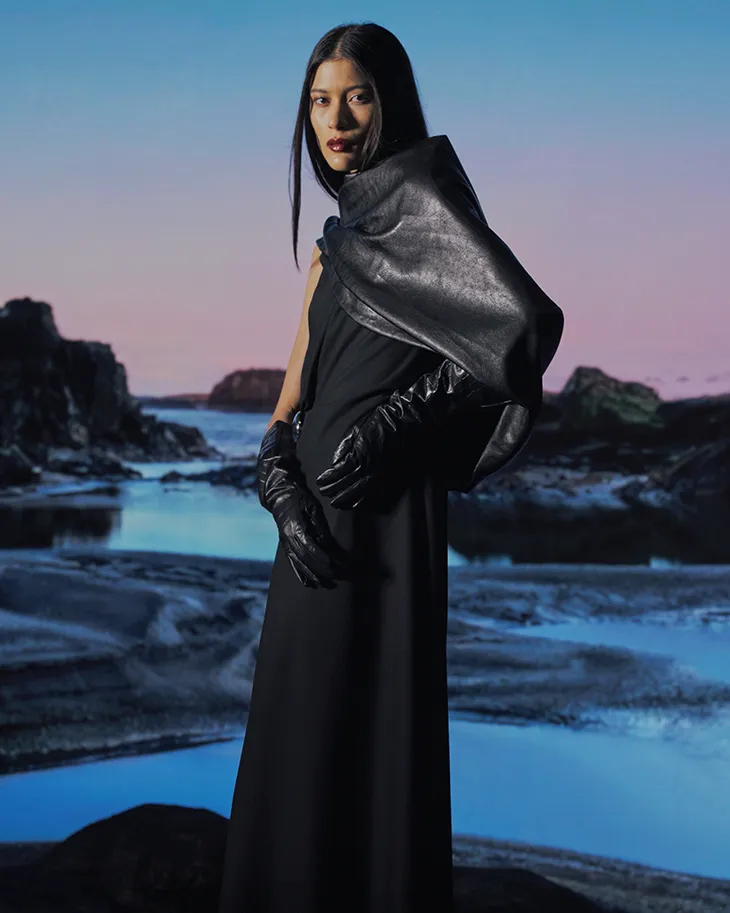
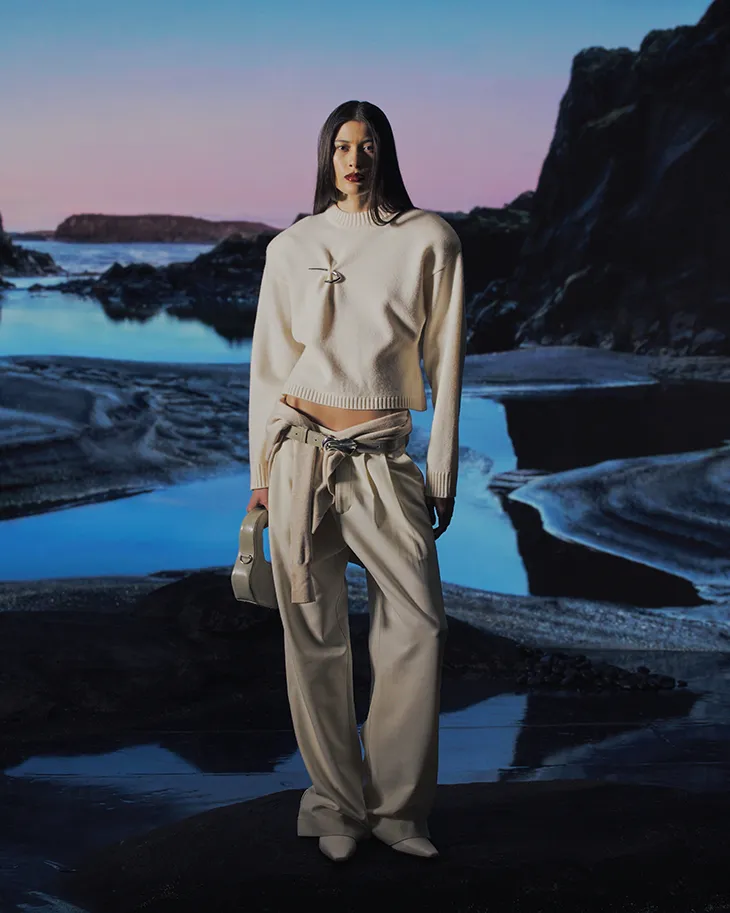
For Fall Winter 2026, Barton refines the brand’s core language. She avoids introducing a seasonal theme and instead deepens established techniques. Metal illusions appear as focused accents, directing attention to the complexity of pattern and the nuance of draping. Draping defines the collection’s structure. She uses tension and release to shape garments around the body, allowing fabric to gather, fold, and contour. Sculptural forms return, executed in cashmere and fine merino wool. These materials provide weight and softness while allowing the architecture of each garment to read clearly.
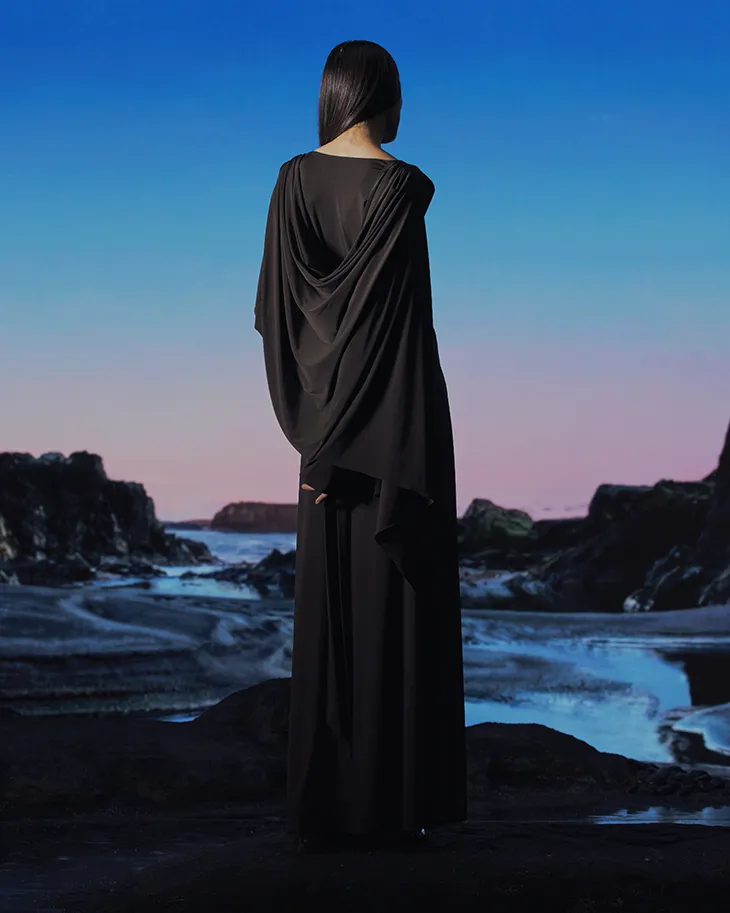
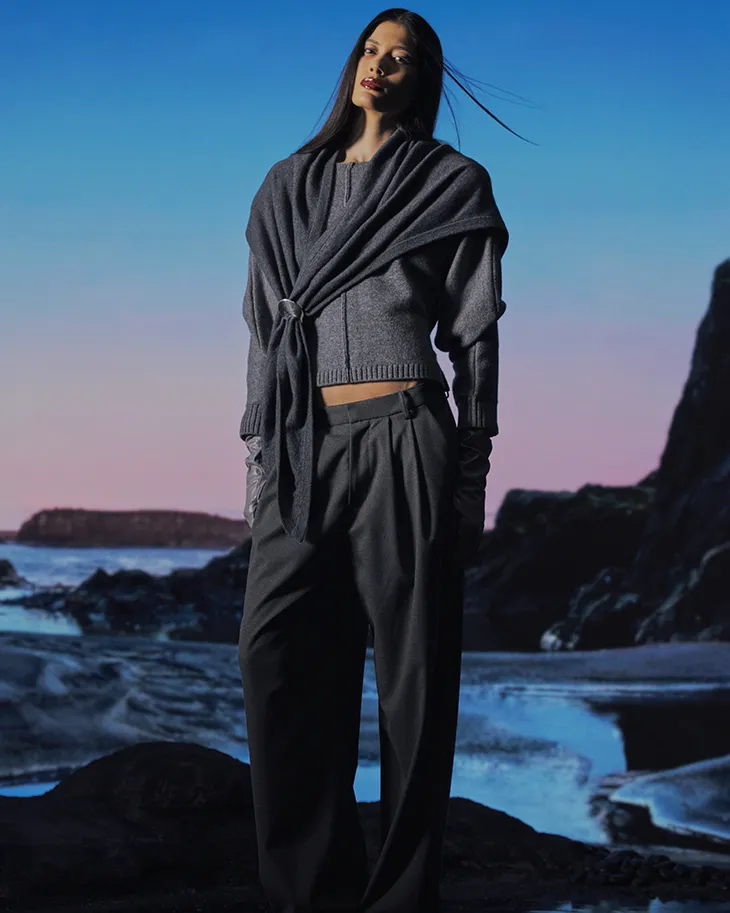
Barton narrows her focus to explore construction at greater depth. Silhouettes respond to the natural fall of fabric, guided by how cloth interacts with the body. She selects materials for their tactile qualities and their behavior in wear. The garments register sensation through weight at the shoulders, gathering at the waist, and the shift of fabric during wear.
Technology remains integral to Barton’s practice. For Fall Winter 2026, she expands on concepts introduced last year. The installation operates across layered realities. A model wears physical garments while AI-generated backdrops frame the scene. The clothing remains tangible, while the environment shifts into digital simulation. This deliberate tension raises questions around perception, authorship, and authenticity. Barton uses technology as a conceptual tool, reinforcing inquiries already embedded in her work.
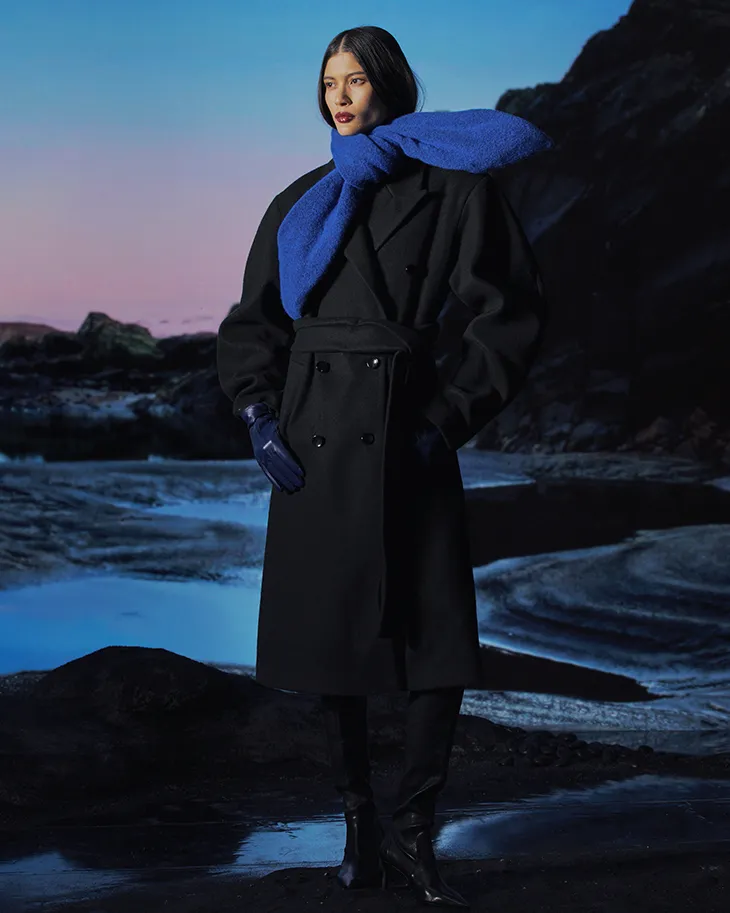
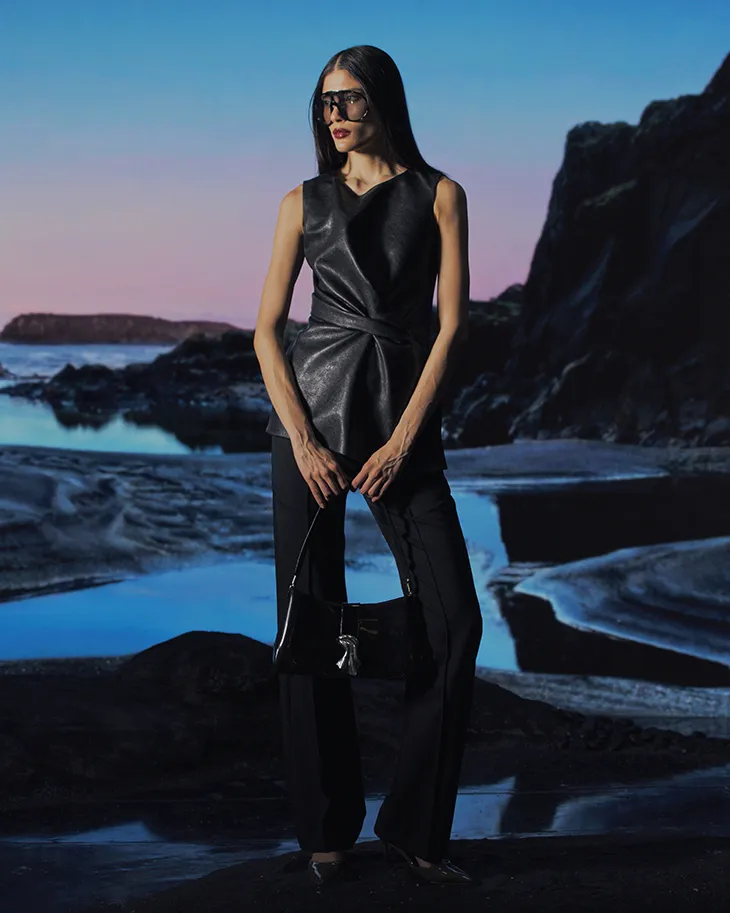
Interaction anchors the presentation through Fiducia AI’s SpeedShotX Visual AI Lens. Developed with IBM watsonx, IBM Cloud, and IBM Object Storage, the platform transforms the mobile browser into a personalized interface. Guests snap a photo to receive contextual information about specific looks and garments. This system shifts engagement from passive viewing to active participation, extending the collection’s presence beyond the physical setting.
The presentation also included hyper-realistic digital try-ons powered by AI-driven virtual fitting technology. Guests experienced select looks on their own bodies in real time through a digital interface. The system emphasized realism, aligning with Barton’s focus on construction and material integrity. Digital tools support the physical garment, reinforcing craft through innovation.
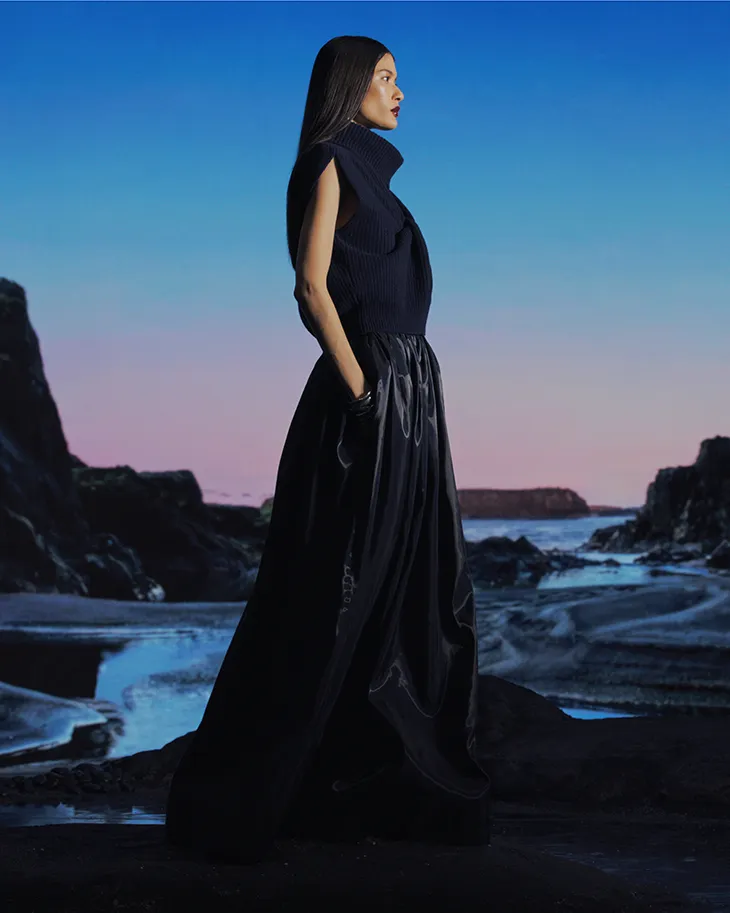
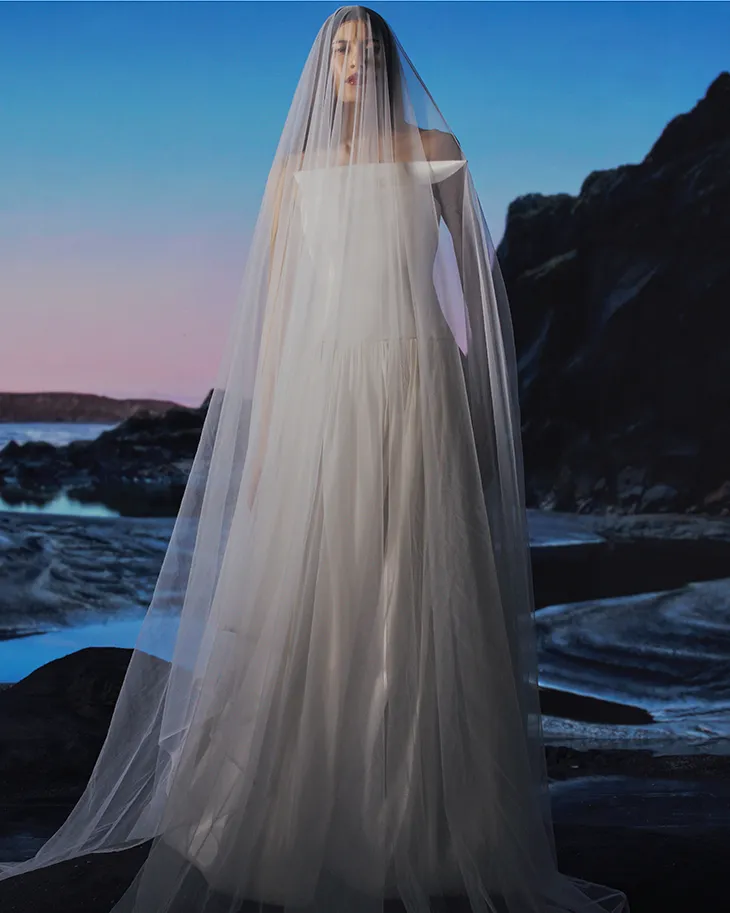
Across fabrication, draping, installation, and enterprise strategy, Barton approaches fashion as an evolving system. She tests construction techniques, explores new forms of storytelling, and builds pathways for engagement while maintaining a cohesive visual identity. She presented the Fall Winter 2026 collection on Saturday, February 14, 2026, at Lume Studios in New York.
Fashion photographer Lucas Flores Piran captured the lookbook, with styling from Elizabeth Sulcer, and casting direction by Tasha Tongpreecha. Beauty is work of hair stylist Melissa Tello using Unite Haircare, and makeup artist Alyssa Riggi using Mac Cosmetics.