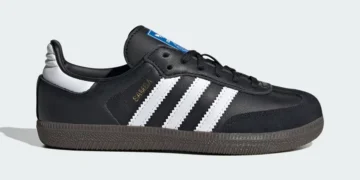



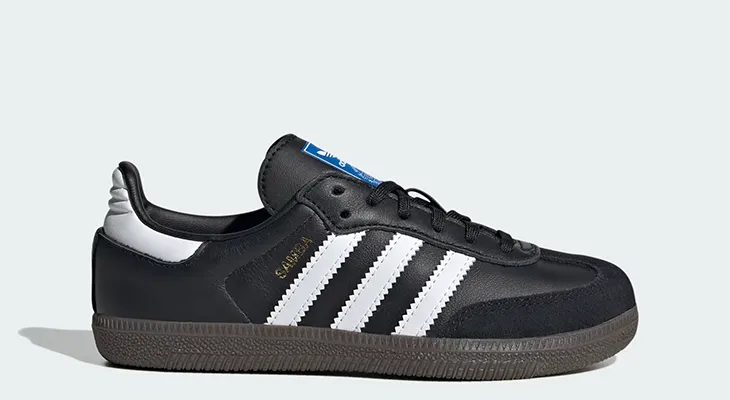
Put a pair of adidas Sambas next to the toddler version and the resemblance is almost ridiculous. Same three stripes, same gum sole, same little suede detail across the toe. One pair belongs to someone who probably knows exactly which trousers look best with them. The other belongs to someone who might refuse to wear trousers at all.
Fashion has always enjoyed playing with proportions, but shrinking its most recognizable shoes is a particularly charming exercise. Converse Chuck Taylors, Nike Air Force 1s, and Air Jordan 1s have all found their way into children’s wardrobes, bringing decades of style references to people who haven’t yet learned to tie their laces.
And the shoes are only part of it. Miniature denim jackets, tiny trench coats, little versions of grown-up knitwear. Children’s fashion has become a convincing reflection of adult wardrobes, though the results are often much more entertaining.
When Fashion Goes Mini
Matching family outfits used to mean identical Christmas jumpers or coordinated clothes for a holiday photograph. The idea has become more interesting since then. A child might wear a smaller version of a parent’s oversized jacket, or the same striped knit with completely different trousers. The connection is there without everybody looking like they’ve been dressed for a family advertisement.
Designers have embraced the idea, too. Gap’s collaboration with Sandy Liang brought the designer’s bows, nostalgic details, and playful New York sensibility to women’s and children’s clothing. As Design Scene reported, the brand reworked denim, fleece, and outerwear for different generations.
Vivetta took a more whimsical approach with a children’s line developed alongside Nanán. Her Spring Summer 2025 collection carried the same imaginative details into smaller clothes. The result was recognizably Vivetta, without simply copying the adult pieces.
That’s the interesting part of mini-me fashion. A familiar design can look entirely different when the proportions change. Sometimes it becomes sweeter, sometimes funnier, and occasionally it looks even better than the original.
The Appeal of a Classic Sneaker
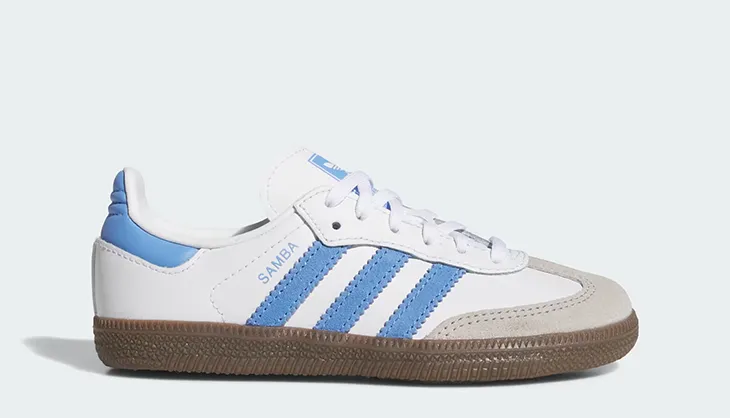
The Samba’s simple design makes it very functional as a mini version. The low cut, two contrasting stripe colors, suede toe cap, and gum sole make this shoe look unique while staying lightweight.
Originally designed for soccer, the shoe was worn by people from various subcultures for years until it became a popular fashion item. Now, the shoe can be worn with either formal pants, faded jeans, or a summer dress. Few other shoes can be dressed up or down as easily. This same flexibility applies to kids’ clothing. When a toddler wears straight-leg jeans, a sweater, and classic shoes, they will look well dressed without looking overdressed. If they wears shorts and striped socks with those same shoes, the look will feel completely different.
For parents who already wear the model, toddler Sambas are an obvious temptation. Matching pairs can be fun, but they aren’t necessary. The classic black-and-white version works with so many everyday outfits that it hardly needs any special styling.
And something is amusing about a shoe with such a long fashion history ending up on the feet of someone whose main concern is getting to the playground.
Converse, Air Force 1, and the Appeal of Familiar Shapes
The Converse Chuck Taylor evokes another era of nostalgia. Everyone can recall a pair of Chucks worn to school, to concerts, or until the canvas started to fall off. The shoe’s design has changed little, with the rubber toe cap, canvas upper, metal eyelets, and stripe around the bottom.
Children’s high-top Chuck Taylors look especially cute. When children wear them with shorts and long socks, they resemble a picture taken at a summer camp in the past. When children wear them with baggy jeans and a sweatshirt, they look like little skateboarders.
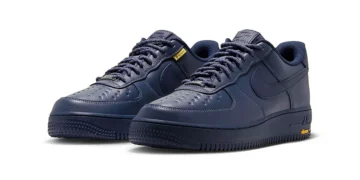
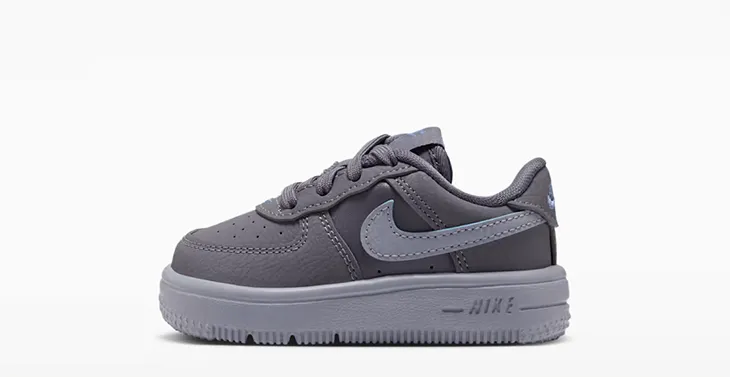
The Nike Air Force 1 is almost the opposite. Where Converse is narrow and flexible-looking, the Air Force 1 has a substantial sole and a broad leather upper. In toddler sizes, the all-white version looks almost comically serious. Pair it with relaxed denim or a little tracksuit, though, and the proportions suddenly work.
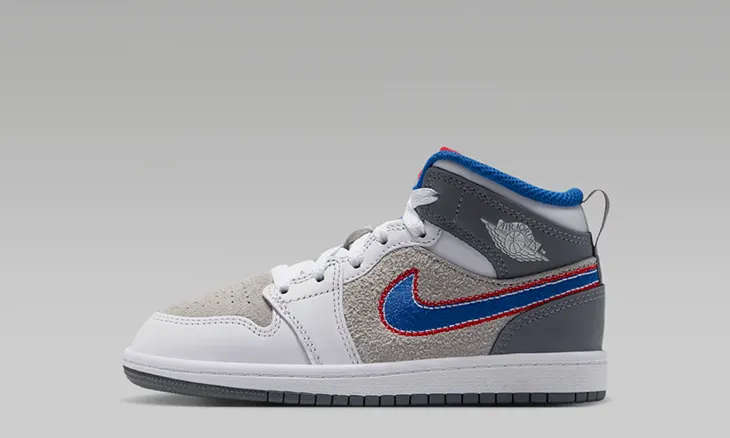
Then there’s the Air Jordan 1. It features contrasting panels, that famous Swoosh, and a basketball background. A shoe grown-ups collect, talk about, and sometimes even box up to preserve is now on the feet of a young person who will most likely head straight to the nearest puddle.
In some ways, that’s what makes it so much fun. While these designs have had a lot of cultural meaning for adults over the years, children don’t carry any of those same associations when they wear them. To a child, a well-known sneaker is just a shoe.
Why the Mini-Me Trend Keeps Growing
Nostalgia explains some of it. Parents buying children’s clothes today often grew up with the same sneakers, denim jackets, and sportswear references. Seeing those familiar pieces in smaller sizes creates an easy connection between generations.
Social media has made coordinated dressing more visible, but the appeal goes beyond matching photographs. In a feature on the return of mini-me dressing, The Guardian explored how parents and children increasingly share fashion references, sometimes through identical pieces and sometimes through subtler styling choices.
The fashion industry has found plenty of opportunities in the idea. As MICAM Magazine explains in its coverage of the mini-me effect, recognizable designs and familiar brand details are finding new life in children’s collections.
But the nicest examples don’t look too coordinated. A parent in faded jeans and Converse beside a child wearing the same shoes with shorts. A little trench coat over a sweatshirt. A pair of classic sneakers with a dress that clearly wasn’t chosen to match anything.
Children’s outfits tend to look best when there’s room for a little disorder: bright socks, unexpected colors, slightly mismatched layers. Fashion editors spend a lot of time trying to create that effortless appearance. Children manage it without trying.
A Little Style, a Lot of Practicality
One detail matters more than the silhouette: children’s shoes still have to work for children.
Miniature versions of adult sneakers may look almost identical to the originals, but materials, soles, and fastenings can differ. A shoe that looks perfect in a photograph might be less appealing after an afternoon of running, climbing, and sitting on the floor.
Fit comes first. Children need enough room for their toes, a secure fit around the heel, and shoes that allow them to move comfortably. Buying a larger size in hopes of getting another season out of it can be tempting, but shoes that are too big aren’t much use.
Fastenings matter, too. Classic Converse laces may look great, but getting them tied on a restless toddler can test anybody’s patience. An easier closure might be the more sensible choice.
And not every shoe needs to survive every activity. A clean pair of white Air Force 1s might be lovely for a family lunch. A muddy afternoon in the park is another story.
The Charm of a Familiar Design
The most successful miniature sneakers aren’t necessarily the newest or most elaborate. They’re the ones people recognize immediately, even when the size changes.
The classic low-top still has its stripes and gum sole. Converse has its rubber toe cap. The Air Force 1 keeps its substantial shape, while the Jordan 1 brings its familiar colors and panels.
Adults see decades of fashion, music, and sports culture in those details. Children see a pair of shoes waiting by the door.
And perhaps that’s why the whole idea works so well. Fashion gets to revisit its favorite designs, parents get a little nostalgia, and children get on with the much more important business of being children.