



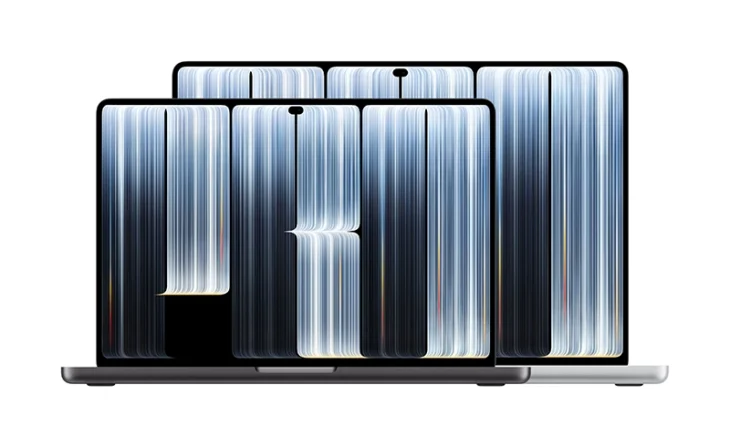
Apple has introduced the 2026 MacBook Pro, bringing some of the most substantial changes to its professional laptop in years. The new generation arrives with a PROLED XDR display, touchscreen functionality, M5 Pro and M5 Max processors, and a redesigned body that reduces weight without sacrificing the performance capabilities professionals expect.
TECH
For photographers, designers, filmmakers, architects, and other creative professionals, the most interesting developments concern how the laptop handles visual content. Apple has placed considerable attention on display accuracy, direct interaction, and computational performance, addressing several demands of contemporary creative production.
With prices starting at $2,899, the new MacBook Pro represents a significant investment. Its technical specifications suggest considerable potential, although independent testing will determine how effectively Apple’s improvements translate into everyday professional use.

PROLED XDR
Brings a New Display Standard
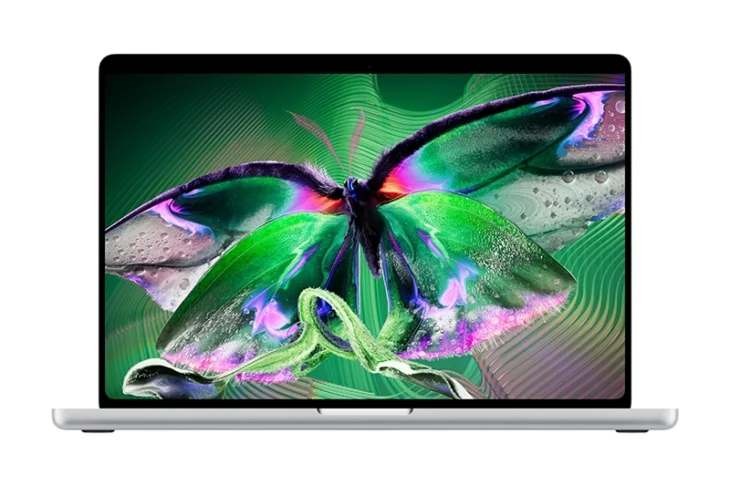
The biggest development comes from Apple’s PROLED XDR display, which introduces tandem OLED technology to MacBook Pro. The panel uses two self-illuminating pixel layers to produce deep blacks, powerful brightness, and more precise contrast.
According to Apple, the display reaches up to 2,000 nits of peak HDR and SDR brightness and achieves a contrast ratio of 10,000,000:1. A variable refresh rate ranging from 10Hz to 120Hz helps maintain smooth motion while managing power consumption.
For creative professionals, color accuracy may prove more important than brightness alone. The new display supports both P3 and Adobe RGB color spaces, with over 80 percent coverage of Rec. 2020. This wider range makes the laptop particularly relevant for photographers preparing images for print, designers working across digital and physical formats, and filmmakers grading HDR footage.
Factory calibration and professional reference modes provide additional tools for maintaining visual consistency. Apple also offers a nano-texture display option to reduce reflections in brightly illuminated studios or outdoor working environments.

Touchscreen Functionality
Changes the Mac Experience
After years of maintaining a distinction between Mac and iPad, Apple has finally introduced touch interaction to MacBook Pro.
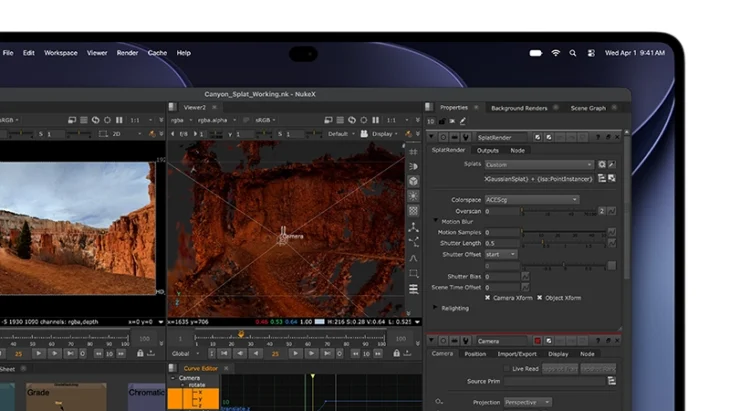
The touchscreen allows users to manipulate images directly, navigate documents, adjust windows, and interact with creative applications using familiar gestures. Apple has integrated the touch sensor into the display panel itself to reduce latency.
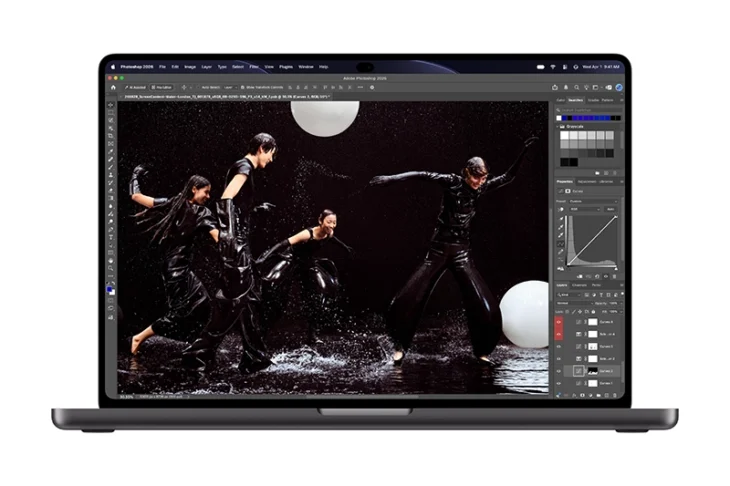
The practical applications extend into professional software. In Pixelmator Pro, designers can draw and make selections directly on the screen. Final Cut Pro supports touch-based timeline adjustments, while Logic Pro allows musicians to play instruments through an onscreen keyboard.
Adobe Lightroom, DaVinci Resolve, Blender, and Cinema 4D are among the third-party applications expected to support touch functionality.
Apple has also redesigned the hinge for greater stability during touchscreen use. The keyboard and trackpad remain central to the experience, giving professionals multiple ways to interact with their work.
The question is how comfortably these interactions will function during extended editing sessions. Direct touchscreen manipulation offers obvious advantages for certain tasks, but precision work may still benefit from traditional input devices.
M5 Pro and M5 Max
Deliver More Processing Power
The M5 Pro and M5 Max processors provide the computational foundation for the new MacBook Pro. Apple positions both chips for demanding professional applications, including 8K video editing, three-dimensional rendering, animation, and artificial intelligence.
M5 Max targets particularly intensive production environments, while configurations offering up to 128GB of unified memory and 16TB of storage accommodate substantial project files.
A third-generation ray-tracing engine supports realistic lighting calculations in 3D applications, and dedicated Neural Accelerators improve AI processing.
For studios working with large visual assets, these capabilities could reduce dependence on external computing resources. Apple also emphasizes local AI processing, allowing certain demanding models to operate directly on the laptop.
A Lighter Design
With Professional Connectivity
Portability receives a meaningful improvement. The 14-inch model now weighs approximately three pounds, while the 16-inch version weighs four pounds. Both are thinner than their predecessors.
Despite the reduced dimensions, Apple retains three Thunderbolt 5 ports, HDMI, an SDXC card reader, MagSafe charging, and a headphone connection.
Battery life reaches up to 24 hours under Apple’s stated conditions, with fast charging capable of restoring 50 percent capacity in approximately 30 minutes. The updated six-speaker system also promises deeper bass and improved audio clarity.
Price and Availability
Prices for the new MacBook Pro start at $2,899 for the 14-inch model with M5 Pro and rise to $3,399 for the 16-inch version. Models equipped with the more powerful M5 Max start at $4,499 for the 14-inch configuration and $4,799 for the 16-inch. Pre-orders opened on October 28, 2026, with general availability beginning November 6.
The 2026 MacBook Pro presents a compelling option for professionals whose work depends on accurate color reproduction, substantial processing power, and mobility. The PROLED XDR display appears particularly promising for photography, publishing, and film production, while touchscreen functionality introduces practical possibilities for creative software.
Its premium pricing demands careful consideration, particularly for users whose existing machines already handle their workloads efficiently. Battery performance, sustained rendering speeds, and touchscreen ergonomics will require independent evaluation.
Based on Apple’s announced specifications, this generation represents a substantial development in the MacBook Pro lineup. Its greatest potential advantage lies in how professionals can view, manipulate, and produce visual content.