


Winter has a way of drawing creative teams toward the edges of the map, where frozen lakes and Arctic forests do half the styling work. The most memorable of these places also tend to be the hardest to reach, so how a group gets there deserves as much thought as where it stays.
When the Guest List Becomes a Team
First Class is a lovely way for two travelers with carry-on bags to cross an ocean, but a creative trip rarely looks like that. A typical winter editorial can involve a photographer, stylist, hair and makeup artists, talent, assistants and a producer, along with lighting cases, garment bags, camera bodies and, often, skis or snowshoes.
Once a group grows beyond eight or so people, it makes more sense to book a luxury private jet, so the whole team and its kit travel together on one aircraft. The aircraft can be chosen around the gear list, with hold space confirmed before anyone packs, and departure times can be set around call sheets rather than the other way around.
That flexibility matters most in places where light and weather change quickly. A team flying on its own timetable can move a day forward or back to catch a clear sky, or link two locations in a single day, which is exactly what the three destinations below reward.
1. St. Moritz and the Frozen-Lake Season
St. Moritz is at its most photogenic from late January through February, when the frozen lake becomes a stage. The Snow Polo World Cup opens the season on the ice, followed by The I.C.E., a gathering of rare classic cars, and then the White Turf horse races, which mark their 120th anniversary in February 2027. For a fashion team, vintage coachwork and galloping horses make a ready-made backdrop for polished winter dressing.
The arrival is part of the experience. Engadin Airport in Samedan sits about 5 kilometers (3 miles) from St. Moritz at 1,707 meters (5,600 feet), and it’s often described as the highest airport in Europe. It welcomes aircraft up to medium-sized jets but has no scheduled passenger flights, so landing here is a private-aviation experience from the outset.
2. Finnish Lapland’s Private Wilderness
Further north, Octola Private Wilderness offers the luxury of space. Its architecture takes its shape from the traditional Lapp laavu, a simple shelter once used by nomadic communities, and the lodge draws on Sámi traditions throughout. It stands within 300 hectares (about 740 acres) of private forest near Rovaniemi, with one wing of six bedrooms and another of four, dedicated chefs serving Nordic cuisine and a wood-burning sauna for the end of a cold day. Guided snowshoe walks and reindeer feeding give talent something memorable to do between setups.
Getting there is simple. Octola is roughly a 20-minute drive from Rovaniemi Airport, which handles private aircraft alongside its seasonal traffic, and the lodge also has its own helipad.
For creative teams, the light can be tricky to work around. Rovaniemi sees around two and a half hours of daylight in December and about four in January, while the northern lights season runs from late August until early April. Aurora forecasts can shift by the hour, and a group that controls its own departure can stay an extra night when the sky finally clears instead of leaving on a fixed date.
3. Jackson Hole Beneath the Tetons
Jackson Hole Airport is the only commercial airport in the United States located entirely inside a national park, sitting at 6,451 feet within Grand Teton National Park. Its lodge-inspired design, with natural materials and fireplaces, sets the tone from arrival, and there are no jet bridges because height limits protect the park’s views.
In 2025 the airport completed a new building housing its private aviation terminal, and the same year it became the first airport in the world certified as an International Dark Sky Place, which is great news for anyone planning night photography.
The best place to stay is Caldera House in Teton Village, a ski-in, ski-out lodge with just eight suites in two- and four-bedroom layouts, each with its own kitchen, mudroom and balcony fire pit. Commune Design shaped its common areas, and the hotel holds Two MICHELIN Keys. For a production, the on-site gear shop, with rentals and fittings, is as useful as the copper-clad après-ski bar at Old Yellowstone Garage.
This is the destination where equipment counts most. Skis, snowboards, camera rigs and lighting cases add up quickly on a winter production, and choosing an aircraft with the hold space to match means everything arrives with the people who need it. The setting repays the effort, with the Grand Teton rising to 13,775 feet above the valley and moose, elk and pronghorn often spotted within minutes of leaving the airport.
Where the Journey Becomes Part of the Shoot
The most extravagant winter escapes are rarely the easiest to reach, and that’s part of their appeal. For a creative team, the right way to travel comes down to the size of the group and its kit, and to how much room the schedule needs to breathe. Plan those details like a moodboard, and shooting at a remote location becomes far easier.
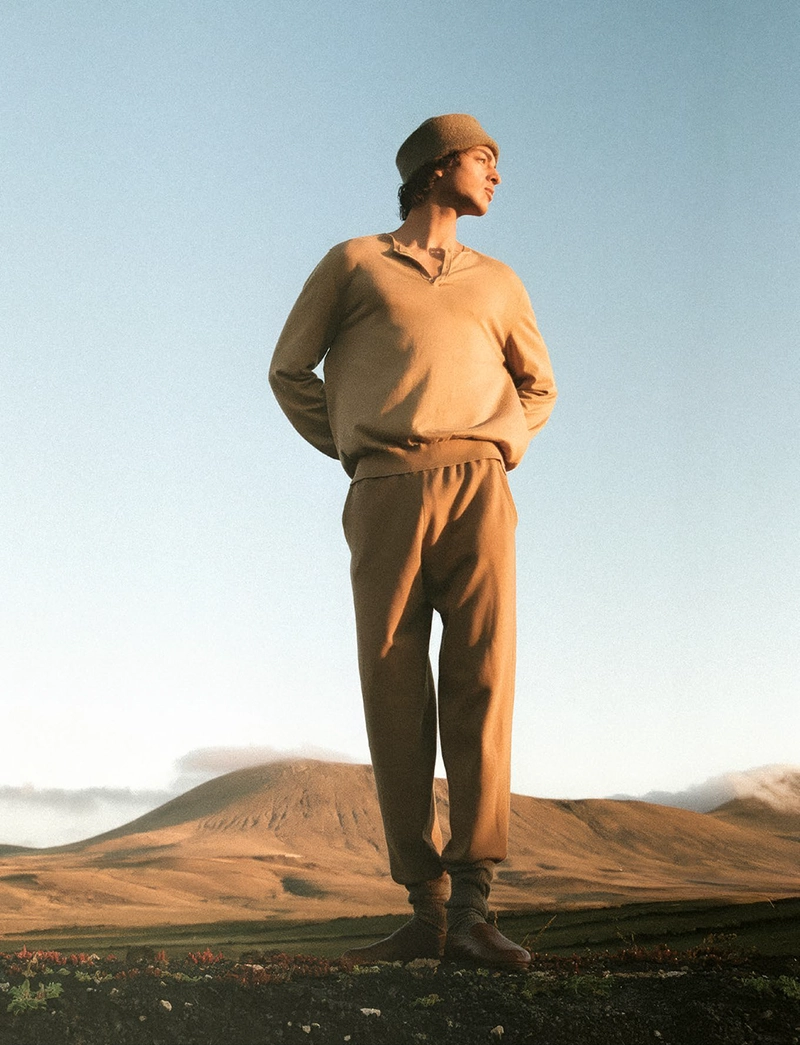
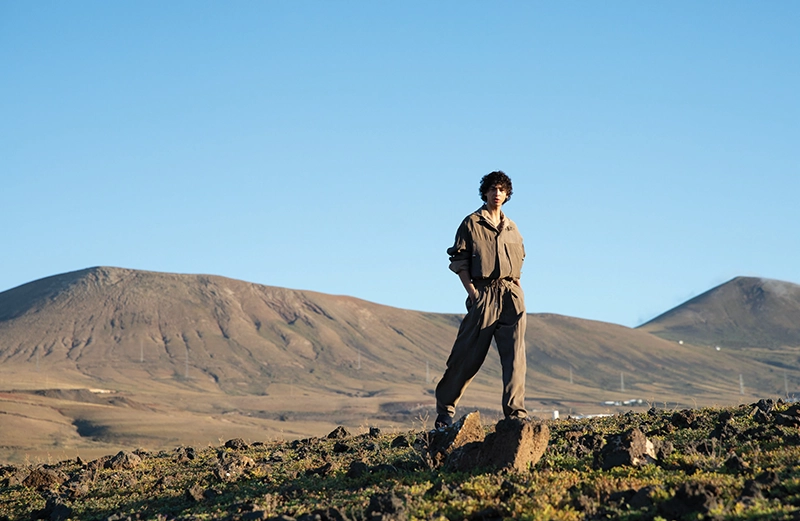
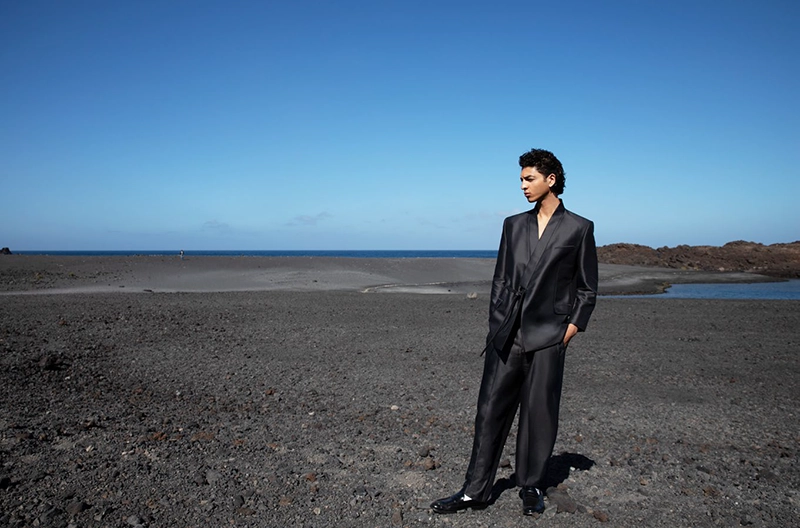
Images from Teo Abihdana Stars in DSCENE Magazine’s The Island Holds Still – see full story here.