




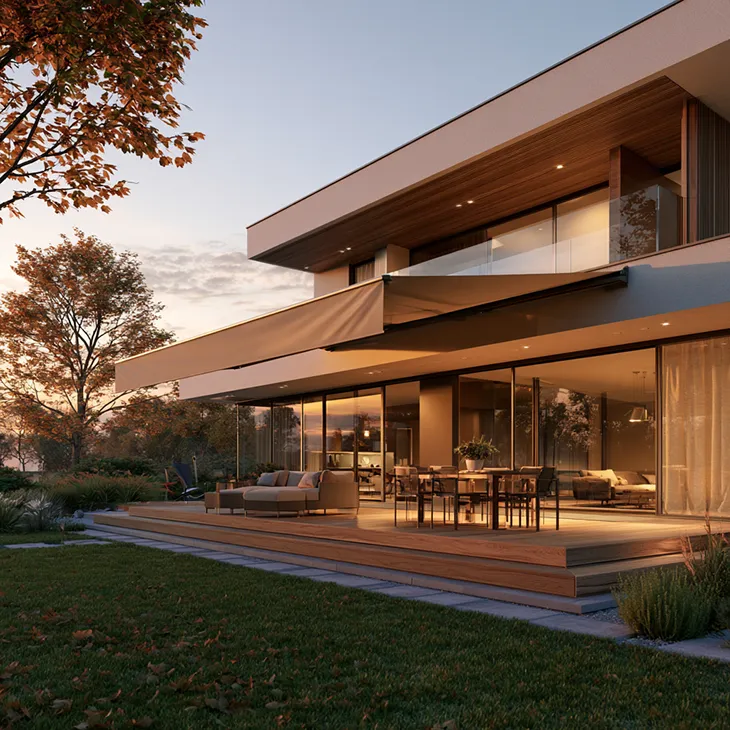
It’s two in the afternoon in July, and the patio is basically a frying pan. The furniture is too hot to touch, the sun is relentless, and everyone has retreated inside to the air conditioning. The outdoor space sits empty, again. Sound familiar?
The obvious fix seems to be a solid roof. Cover the patio, block the sun, problem solved. But plenty of homeowners hesitate at that idea, and for good reason. A permanent roof also blocks the sunshine they actually love on cool spring mornings and crisp fall evenings.
That’s the dilemma. People want protection from harsh sunlight without permanently covering the space that makes their backyard feel open and airy. Fortunately, there’s a middle ground that gives homeowners shade when they want it and sky when they don’t.
Why Permanent Roofs Aren’t Always Ideal
Building a permanent patio roof is a real construction project. It may involve footings, framing, roofing materials, permits, and sometimes engineering. That adds up quickly, and the project can take weeks to complete from start to finish. It’s a serious commitment.
A solid roof also changes the light inside the house. Rooms next to the patio, like kitchens and family rooms, can become noticeably darker once the outdoor space is permanently covered. That trade-off surprises many homeowners after the work is done. The house feels different.
Design matters a lot too. A fixed structure may not suit every home’s architecture, and it can’t be undone easily if tastes or needs change. For homeowners who want flexibility without major construction, adjustable systems like retractable awnings offer an alternative well worth considering.
The Appeal of Adjustable Shade
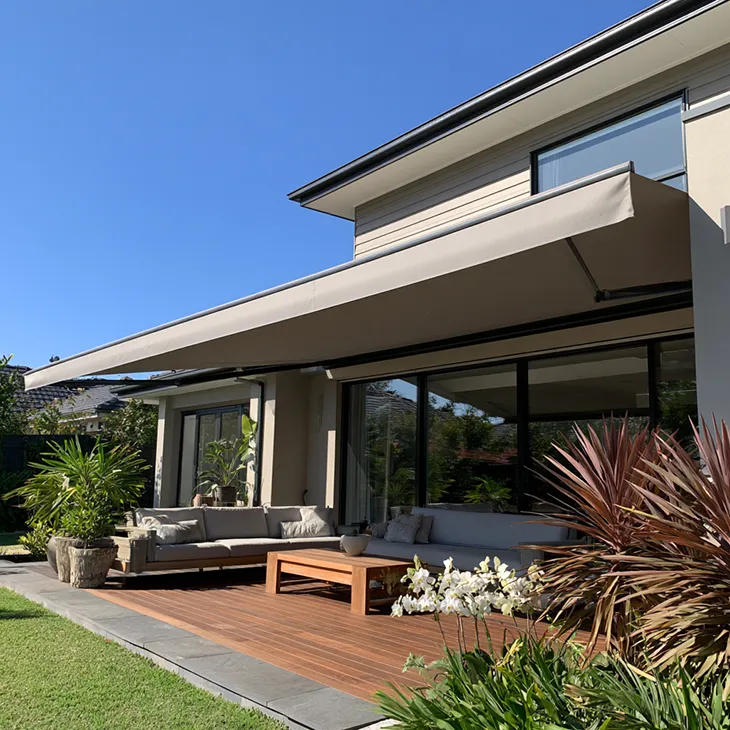
The beauty of adjustable shade is simple. It responds to the moment. On a cool morning, the patio can stay wide open to the sunshine. When the afternoon heat arrives, shade can appear in seconds, right where it’s needed. Comfort follows the clock.
That flexibility matches the way people actually live outdoors. Michigan weather can swing dramatically, sometimes within a single day. A space that can shift from sunny to shaded makes it far more likely the patio gets used through spring, summer, and fall.
Adjustable shade also protects the home itself. Pulling shade over the patio during the hottest hours can reduce sunlight hitting nearby windows and doors, helping keep interior rooms cooler. When the shade is retracted, natural light floods back in, keeping the house bright and cheerful.
How Different Shade Solutions Compare
Patio umbrellas are affordable, familiar, and portable, but they shade only a small circle. They can tip in the wind and usually need repositioning as the sun moves. They work well for a small table, less well for a whole patio. Coverage stays limited.
Pergolas add beautiful architectural interest and partial shade, especially when covered with climbing plants. However, open slats let a good deal of sunlight through. Fixed canopies offer steady coverage, but they stay in place whether shade is wanted or not.
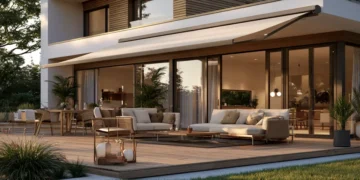
Adjustable awning systems combine broad coverage with flexibility. Many extend from the house with the push of a button and retract when not needed, preserving open views. Appearance matters too, since awnings come in a wide range of fabric colors and patterns to complement the home.
What to Consider Before Choosing
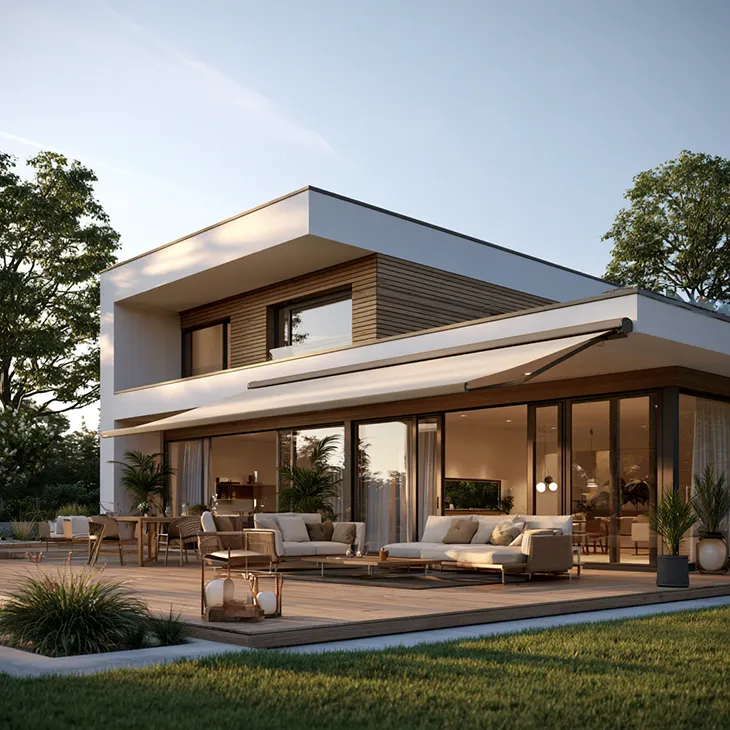
Start by carefully measuring the patio and deciding how much of it needs coverage. A small bistro area needs far less shade than a large deck with dining and lounging zones. Thinking through how the space is used helps determine the right size. Planning prevents regret.
Sun direction matters enormously. A west-facing patio gets intense afternoon sun, while an east-facing one may need shade mostly in the morning. Wind exposure matters too, since shade systems should be retracted or designed to handle strong gusts safely.
Installation requirements vary depending on the home’s exterior walls and roofline. Maintenance is another consideration, from cleaning fabric to servicing motors. Finally, set a realistic, honest budget. Comparing options against long-term value, comfort, and convenience can help homeowners make a choice they’ll appreciate for years.
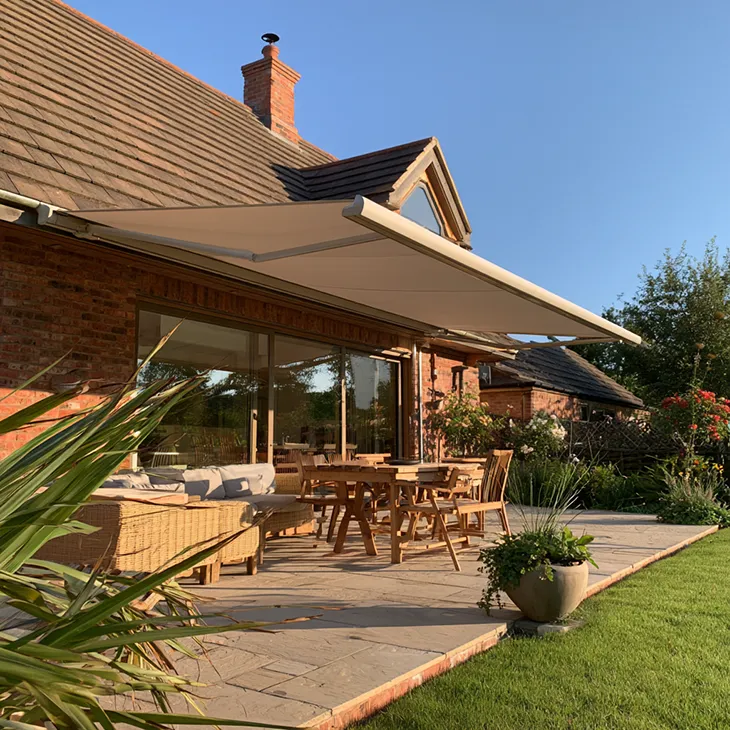
Wanting relief from the sun doesn’t have to mean permanently covering an outdoor space. Fixed roofs certainly have their place, but they come with construction costs, reduced natural light, and design trade-offs that aren’t right for every home. Every home is different.
Flexible shade offers a much smarter middle ground. It delivers protection during the hottest hours and disappears when the sun feels welcome. That adaptability helps patios stay comfortable and usable across more days, more seasons, and more occasions than a fixed solution often allows.
The best outdoor spaces keep their character while becoming more comfortable. With the right adjustable shade, homeowners can enjoy morning sunshine, shaded afternoons, and open evening skies, all from the same patio, without ever giving up the open feeling they fell in love with.