



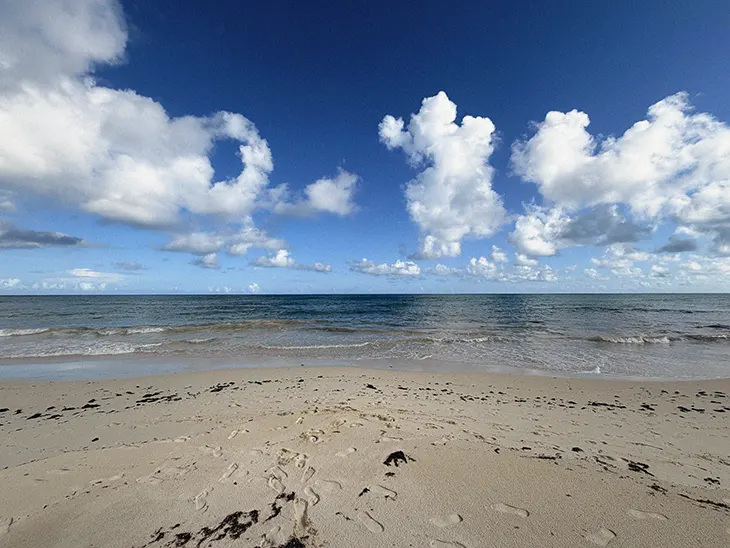
I left Miami in a daze. Art Week had swollen into its usual swirl of commitments, openings, dinners, and obligations disguised as opportunities. Every year I think I’ve learned how to pace myself, and every year the same thing happens: I burn out on the first day, push through the rest, and spend the final night scrolling through photos I barely remember taking. It’s a ritual of overexposure. By the end, the only thing I wanted was quiet, an uncomplicated week where nothing required a guest list or a press badge. So I booked Tulum, imagining hammocks, cheap tacos, and a beach that didn’t demand anything from me. The irony, of course, is that Tulum turned out to be its own kind of stage, just one with sand instead of concrete.
DORIC ORDER
Tulum sells calm the way Miami sells noise. It packages silence, markets “connection,” and charges extra if you want the version with ocean views. Every sign promised renewal, balance, or some vague idea of being “closer to nature,” though most of the nature had already been rearranged for everyone’s convenience. But what struck me first, even more than the heat or the humidity, was the price of everything. A cocktail at a beachfront hotel cost five times what I paid in the bar across the street. The difference felt like a border, one that existed not on maps but in menus. The economy of Tulum is dual in a way that isn’t subtle. Tourists move through a curated zone where every object carries an invisible surcharge, while locals operate in an entirely different ecosystem only meters away. You cross the road and step into another economic climate.
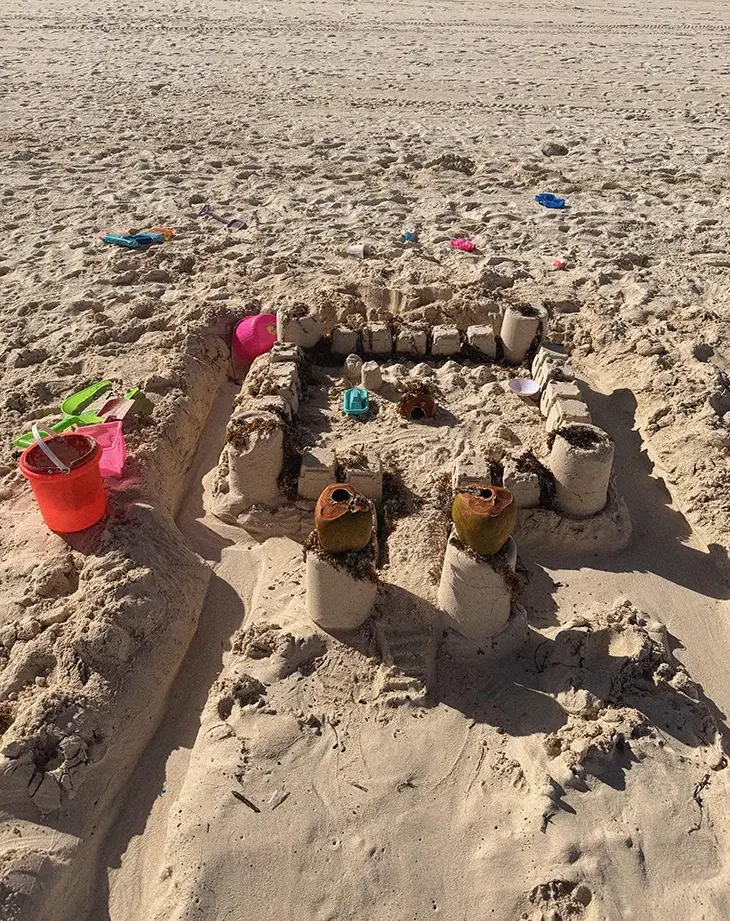
The resort corridor, with its polished driftwood signage and perfected boho chic aesthetic, doesn’t simply exist alongside the town. It overrides it. The Tulum people imagine when they book their trips is a brand, a selective collage of materials and symbols borrowed from Maya culture, Caribbean vernacular, and global wellness marketing. This aesthetic doesn’t belong to the people who live there, it belongs to the foreigners who consume it. The irony almost performs itself: the hotels promote “authenticity” while removing every trace of the actual community through price barriers, spatial control, and stylistic appropriation. You walk through a lobby made of palm, stone, and handwoven textures, and everything looks natural until you ask who benefits from this naturalness.
Access to the sea in Tulum is filtered through gates, guards, and price lists.
Tulum has perfected the art of selling a borrowed aesthetic back to the place it came from. It’s the kind of appropriation that disguises itself as appreciation. Hotels use local materials, craft, and iconography, then gate the results behind a daily rate nobody local could justify. It raises the question: what does it mean when your culture becomes a premium experience you can’t afford to participate in? I met people who work in the resorts and have never stepped foot on the beaches that surround the properties, not because they don’t want to, but because they aren’t allowed to. Or because the cost of the day pass equals half a week of groceries.

The issue of beach access is the clearest expression of Tulum’s inequalities. In theory, Mexico protects public access to its coastline. In practice, almost every resort controls its own slice of beach through gates, guards, or spatial design so confusing that you need to cross a bar tab to find the water. You’d think nature would be the one thing exempt from privatization, but nature in Tulum has been absorbed into the hospitality industry. The sea has become an amenity. Tourists pass through a tunnel of curated experiences on their way to the shoreline, fragrance diffusers, cashmere throws, chakra-balancing announcements, until the beach itself feels like part of a brand. Meanwhile, local families cluster in a handful of small public areas, far from the resort stretch, pushed into smaller pieces of coastline by economic pressure masquerading as infrastructure.
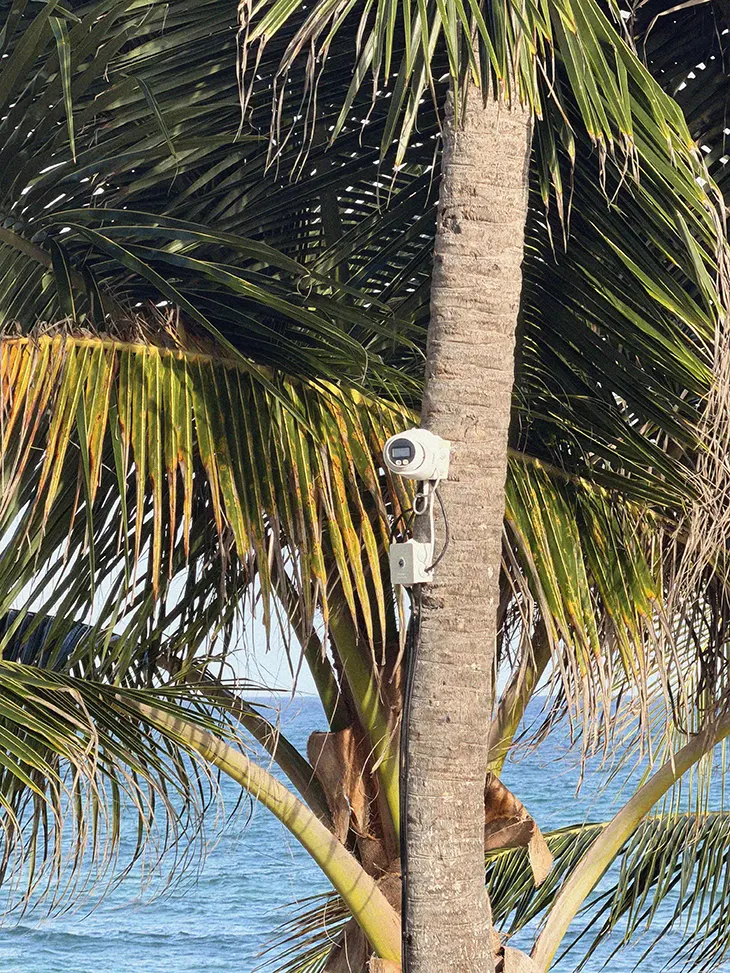
The marketing of Tulum leans heavily on the language of eco-awareness. Resorts promise “eco-conscious stays,” “low-impact construction,” “sustainable luxury,,” phrases that mean everything and nothing at the same time. You see a solar panel on a roof and forget the diesel generators humming behind the property. You read about composting initiatives but not about the freshwater depletion. You notice biodegradable straws but not the thousands of gallons of water required to keep the private plunge pools going. Tulum’s environmental strain is significant: mangroves cleared for development, underground rivers contaminated by construction runoff, and an electricity grid that can’t support the demand of the tourism boom. The ecological burden does not fall on the visitors. It falls on the locals who live with the infrastructural consequences once the high season ends and the influencers fly home.
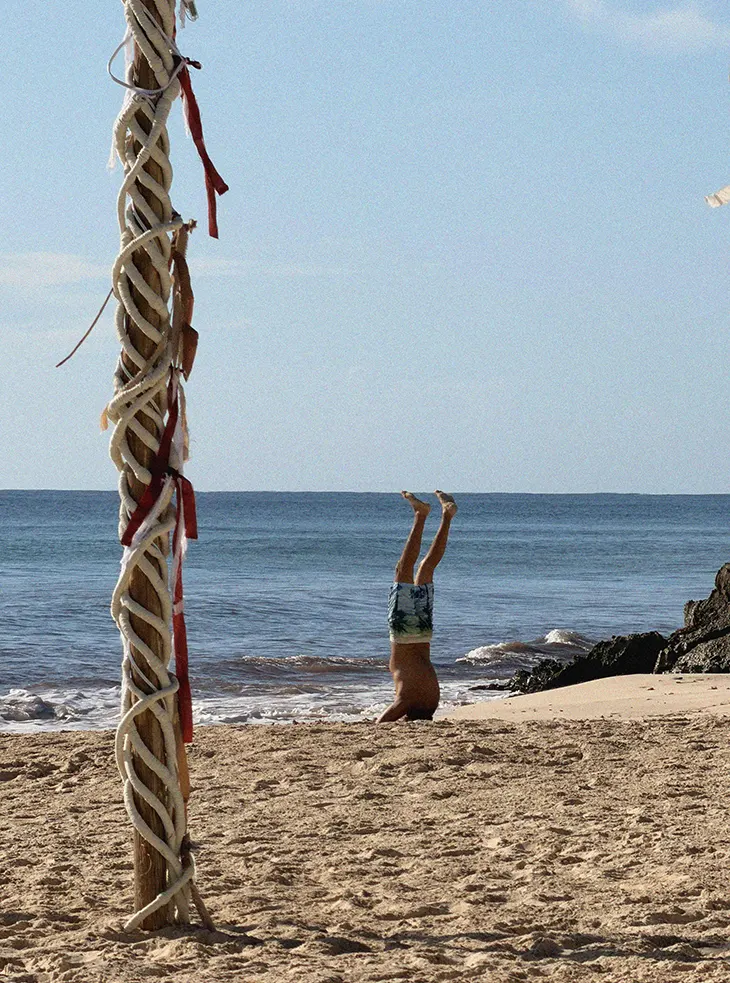
Eco-tourism becomes a marketing costume, a soft filter over an aggressive building culture. In many hotels, “eco” translates to dim lighting, expensive room rates, and furniture built from reclaimed wood that traveled farther than the guests. One resort bragged about its commitment to nature, though the entire structure sat on what used to be a dense patch of jungle. The story goes like this: tear it down, rebuild it, and call the redesign a tribute to the environment. It’s a style more than a principle. Something you can purchase, photograph, and tag.
You cross the road and step into another economic climate.
The paradox of Tulum is that people come here to feel closer to nature, even as the nature they seek becomes increasingly overwhelmed by the industry built around it. Tourists chase sunsets from infinity pools. They post about “disconnecting” while the Wi-Fi stretches all the way to the sand. They talk about grounding themselves, centering themselves, finding equilibrium, while the community that surrounds them has its balance disrupted every day by the sheer weight of tourist demand. The connection people describe is often performative, a fantasy of rural simplicity experienced through the comfort of luxury amenities. You can’t claim communion with the earth when a waiter has to step around your sunbed just to reach the water.
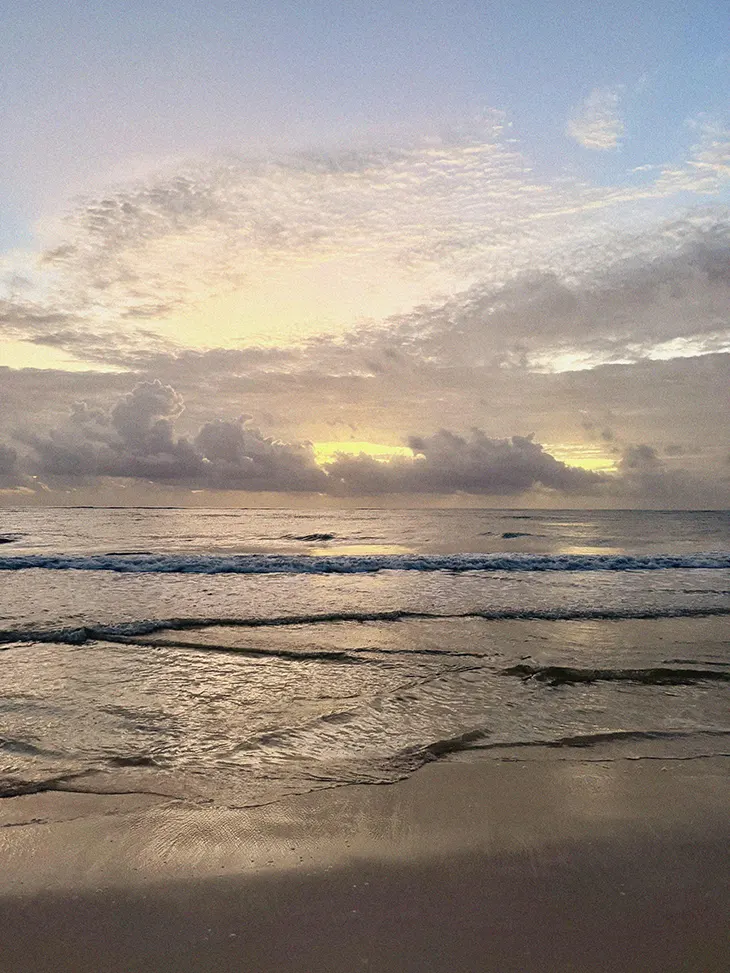
What surprised me most, though, was the parallel nightlife. On the tourist side, everything costs the price of a small dinner in New York. DJs flown in from Europe, sound baths for VIPs, coconut-shell cocktails engineered for TikTok. Across the street, locals gather in small bars that feel more real than anything the resorts offer. People drink beer, dance to whatever’s on the radio, talk about work, family, life. Two universes, one powered by foreign currency, the other by community. They run beside each other but almost never meet. The tourist side is curated spectacle. The local side is survival.
The hotels promote ‘authenticity’ while removing every trace of the actual community through price barriers, spatial control, and stylistic appropriation.
Tulum reveals the mechanics of an economy designed around extractive tourism: money enters through the resorts and leaves the same way. Many businesses are foreign-owned, the profits relocated, and the community left to deal with rising rents, seasonal work, and infrastructure that buckles under pressure. Even the police presence reflects the tourist interests, heavier around the resorts, thinner everywhere else. When an entire town depends on tourism but cannot afford to participate in the spaces tourists occupy, the imbalance becomes structural.

Yet despite all this, the beauty of Tulum is undeniable. The water is impossibly blue, the sand soft, the sky wide. Nature still pushes through the development, asserting itself in pockets, trees growing between concrete, iguanas sunning themselves on abandoned lots, birds cutting across hotel courtyards as if the construction never happened. But beauty doesn’t erase inequity. It intensifies it. The more desirable the place becomes, the more aggressively it gets divided. You start to see how paradise is built: not through harmony, but through exclusion. A paradise for one group at the cost of another.
Nature in Tulum has been absorbed into the hospitality industry.
My week in Tulum didn’t give me the serenity I imagined, though it gave me clarity. It revealed how quickly a place transforms under the pressure of global attention. It showed me that nature can be consumed and resold, that culture can be borrowed until it loses context, and that access, to the beach, to fair pricing, to resources, becomes the real currency. Tulum speaks in contradictions: eco-resorts built on cleared jungle, spiritual retreats built on labor inequality, paradise with an entry fee.
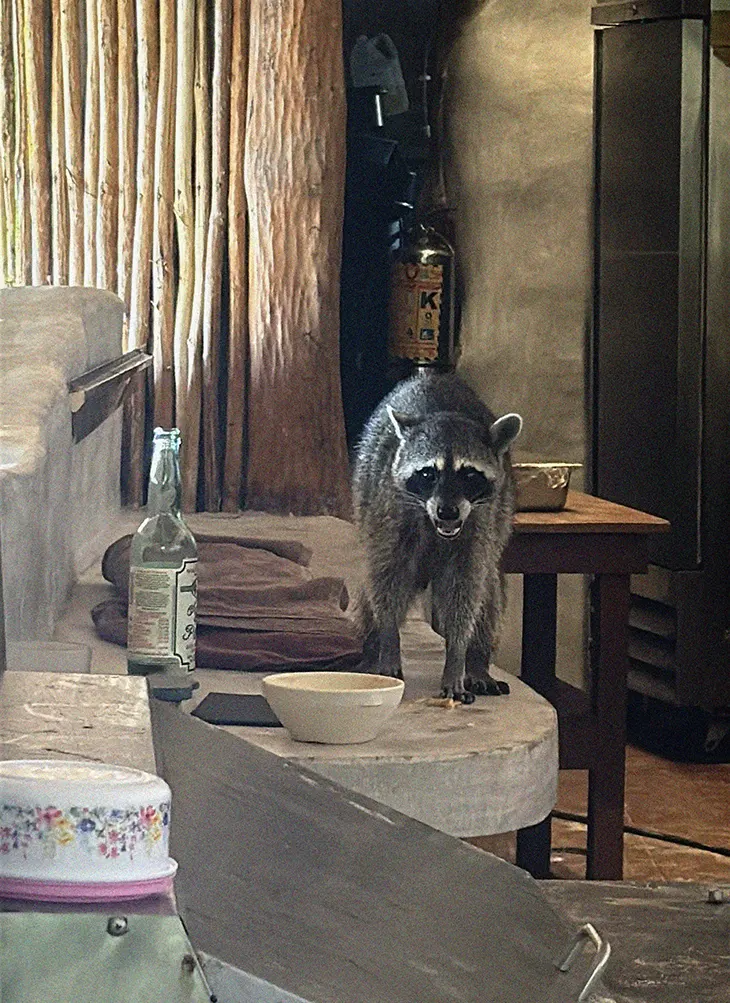
I went to escape burnout and found myself watching another kind of exhaustion, an environment strained by demand, a community priced out of its own coastline, a town overrun by a fantasy it didn’t invent. The conversations around tourism often pretend travel is a form of enlightenment, an opportunity for cultural exchange. But in Tulum, the exchange feels one-sided. Tourists come for transformation; locals adjust so the transformation stays photogenic.
Tourism feeds on longing, luxury feeds on inequality, paradise feeds on narrative and a place loses itself the moment the world decides it wants a piece.
Maybe that’s the real story of beachfront privilege: the beach becomes a mirror. Tourists arrive seeking a version of themselves they can’t find at home. Meanwhile, the people who actually live here navigate a town reshaped for someone else’s reflection. The sea keeps moving in its endless rhythm, indifferent to entrances, security guards, or room rates. But access to that sea, not the sea itself, reveals who holds power.
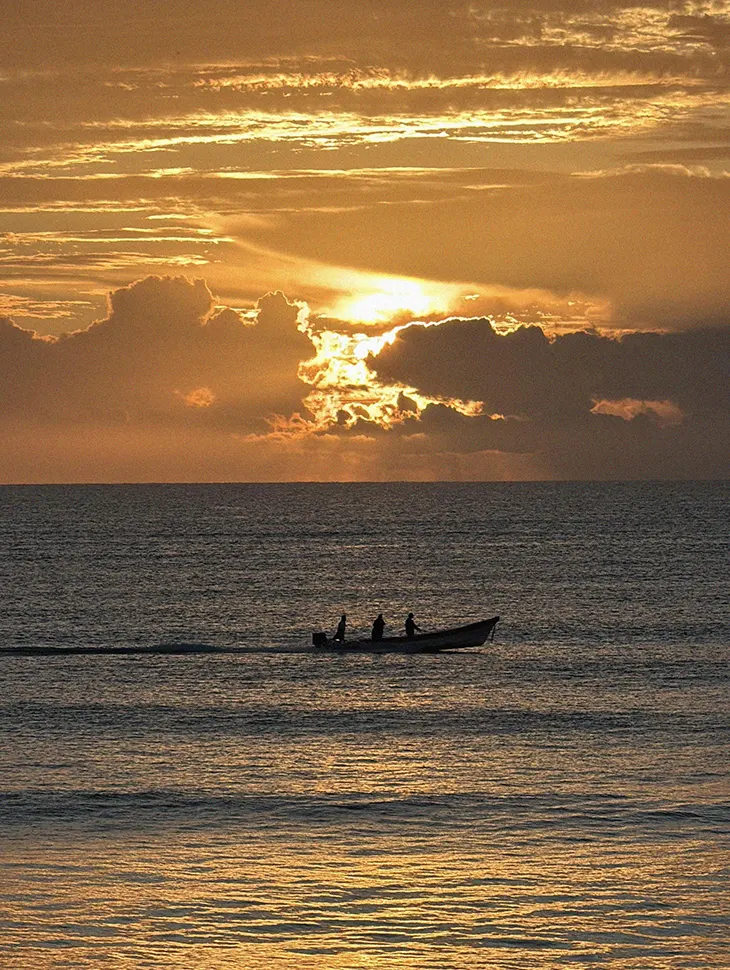
When I left Tulum, I didn’t feel rested. I felt aware. The trip was supposed to restore me, but instead it exposed the mechanics of desire, how tourism feeds on longing, how luxury feeds on inequality, how paradise feeds on narrative. And how quickly a place can lose itself when the world decides it wants a piece.









not really into mexico for all of these reasons