


Safety devices have changed dramatically over the past decade, and the shift benefits everyone who needs them. Companies now offer medical alert systems without forcing you into long contracts or charging setup fees. This change gives people real control over their safety choices and spending habits.
Traditional alert systems used to lock users into agreements that lasted multiple years. Breaking those contracts meant paying hefty penalties, sometimes costing hundreds of dollars just to get out. The new generation of devices works completely differently now. You can start or stop service based on what you actually need at any given time.
How Do Non-Contract Safety Devices Save You Money?
Contract-free safety devices eliminate several annoying costs that traditional systems always tacked on. You skip activation fees that typically run anywhere from $50 to $200. Your monthly bill stays consistent without random charges appearing out of nowhere, which makes budgeting much easier. Many providers have switched to straightforward pricing that makes sense. Life Assure free options include devices without activation fees or hidden charges lurking in the fine print. You only pay for the monitoring service you’re actually using each month. People really appreciate knowing exactly what they’ll spend instead of discovering surprise costs later on.
The lack of cancellation penalties makes a huge difference when your circumstances change. Life situations can shift pretty quickly, and you shouldn’t get punished financially for that. Maybe you need temporary coverage while recovering from surgery and getting back on your feet. Or perhaps you want to test a system before making any commitment that lasts for years. Contract-free options work with these real-world situations instead of making them harder.
Breaking Down the Cost Advantages
The financial benefits really stack up when you look at everything you’re saving. Here’s what disappears from your bill with non-contract devices:
- No activation fees: Your service starts immediately without any setup charges eating into your budget
- Clear monthly rates: You see exactly what you’re paying each cycle without decoding confusing statements
- Zero cancellation penalties: You can stop service whenever you want without paying extra money
- No equipment buyout clauses: Just return the device if you decide to discontinue service
Someone using one of these devices for six months can save several hundred dollars. That’s real money staying in your pocket instead of padding a company’s bottom line.
What Freedom Do You Get Without Long-Term Commitments?
Month-to-month services give you flexibility that traditional contracts never offered, and that freedom matters. You can cancel whenever you decide to, without explaining yourself to pushy customer service representatives. This option becomes really valuable when you’re trying out different safety solutions for your specific needs.
Some people only need devices during certain seasons or specific situations. Snowbirds might want coverage just during their winter months spent in warmer climates. Others need protection during particular recovery periods after medical procedures or health setbacks. Contract-free options handle these temporary needs smoothly without hassle or unnecessary expenses.
Your ability to upgrade or switch improves dramatically when you’re not locked in. Technology in the safety device industry moves fast these days, with improvements happening constantly. New features like automatic fall detection and GPS tracking become available regularly. When you’re on a month-to-month plan, switching to newer models happens easily without breaking contracts.
Testing Without Risk
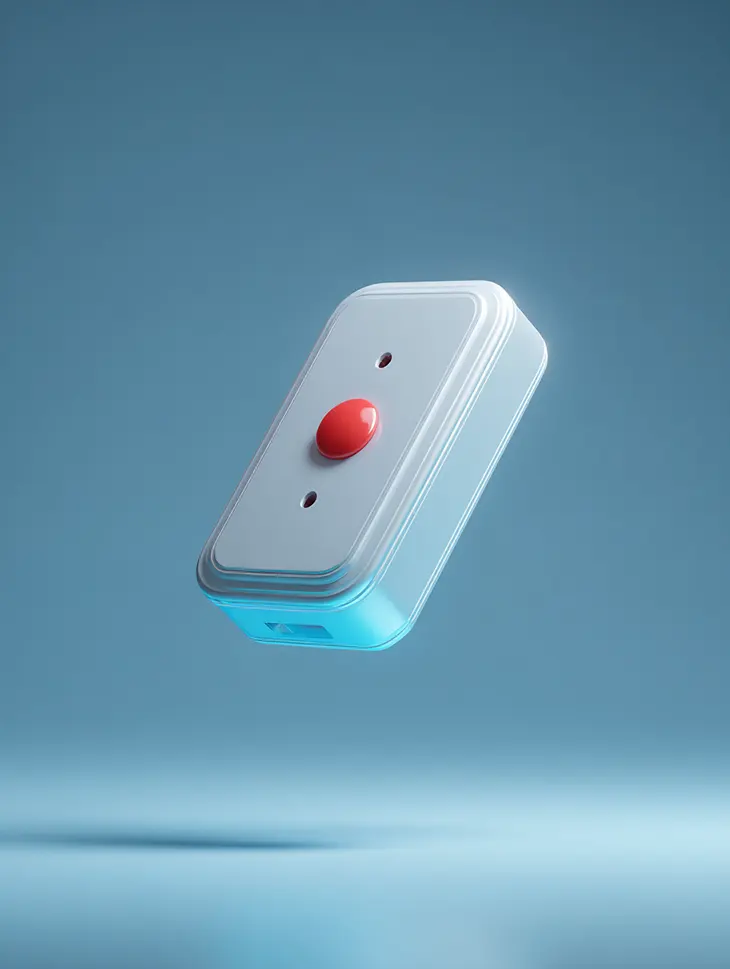
Trying out a safety device becomes much simpler when contract obligations aren’t hanging over you. You get to evaluate whether a system actually works for your daily routine and lifestyle. The device might not fit the way you expected after seeing advertisements or reading descriptions. Maybe the button feels uncomfortable to wear all day, or the base unit doesn’t work well in your home setup.
Month-to-month plans let you figure these things out without losing money on the experiment. You discover which features you actually use regularly versus what just sounded appealing in marketing materials. This trial period helps you make genuinely informed decisions about safety equipment instead of guessing.
Why Are Non-Contract Options Better for Changing Needs?
Health conditions rarely stay exactly the same for extended periods, and safety needs change accordingly. Someone recovering from hip replacement surgery might need intensive monitoring during the first few weeks. Three months later, they’ve regained mobility and don’t require the same level of support anymore. Flexible safety plans adjust naturally to these shifts in health status and daily capabilities.
According to the Centers for Disease Control and Prevention, one in four older adults experiences a fall each year, but risk levels fluctuate constantly. Your fall risk changes based on current medications, existing health conditions, and your living situation. Safety device needs should match your present circumstances rather than predictions someone made months earlier.
Family situations evolve frequently, creating different support networks over time. Adult children might relocate closer to aging parents to provide more hands-on help. Home health aides could start making regular visits that add another layer of support. These changes might reduce your need for constant electronic monitoring throughout the day and night. Contract-free devices let families adjust coverage easily as other support systems develop and strengthen.
Adapting to Life Changes
Several life events naturally affect what you need from safety devices on a practical level. These situations commonly require adjusting your monitoring setup:
- Recovery periods: Post-surgery needs differ significantly from managing long-term health conditions
- Seasonal variations: Activity levels shift with weather changes and travel schedules throughout the year
- Living arrangement changes: Moving between family homes or exploring assisted living options
- Health improvements: Conditions that get better often require less intensive monitoring over time
- Technology preferences: Switching between wearable devices and home-based systems based on comfort
These transitions happen naturally as part of living your life. Your safety equipment should adapt smoothly rather than creating obstacles or draining your bank account.
How Do These Devices Support Independent Living?
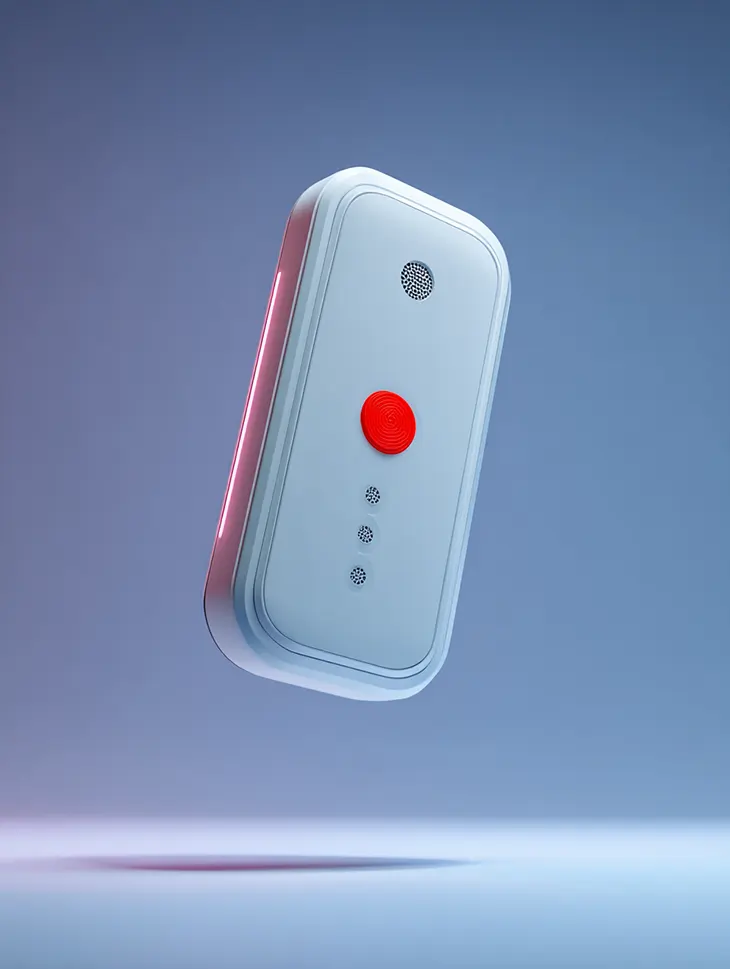
Modern safety devices pack impressive features into compact designs that don’t feel bulky or obvious. Two-way voice communication lets you talk directly with trained monitoring staff during emergencies. Fall detection technology sends automatic alerts if you take a tumble and can’t reach the button. Water resistance means your protection continues in bathrooms, where many accidents actually occur.
These features work together seamlessly to help people age comfortably in their own homes. You maintain independence while staying protected around the clock, which matters to most people. The National Institute on Aging reports that most older adults strongly prefer remaining in familiar surroundings. Safety devices make this choice more realistic and less stressful for concerned family members watching from afar.
Coverage typically extends across Canada, with most major providers offering consistent service everywhere. You get monitoring available 24/7, regardless of your location within the country. This reliability creates genuine peace of mind for device users and their families dealing with daily worries.
Features That Make a Difference
The right design features depend entirely on your specific situation and what concerns you most. Some people prioritize staying mobile and active, while others focus on protection within their homes. These features commonly provide better coverage and enhance daily safety:
- Fall detection sensors: Sends automatic alerts even when you physically can’t press the button yourself
- Waterproof construction: Protection continues in showers and bathrooms, where slips happen frequently
- Long battery life: Your device keeps working during power outages and electrical problems
- Two-way voice communication: Clear conversations with monitoring professionals who can assess situations quickly
- GPS tracking capabilities: Location services for mobile devices that work when you’re outside
- Simple activation: Large buttons designed for easy pressing during stressful emergency moments
These technologies run quietly in the background until you actually need them for help. You don’t think constantly about the device, but protection stays active throughout your daily activities. This is the core of the design laced within the functionality.
Making Smart Safety Choices
Non-contract safety devices represent a genuine shift in how people approach personal security today. The flexibility matches modern lifestyles better than rigid multi-year agreements that restrict your options. Cost savings accumulate over time without surprise charges or penalty fees appearing on your statements.
Choose devices based on your current needs rather than trying to predict future situations. Start with basic features that address your immediate concerns and upgrade later as requirements change. Test different options until you find something that works naturally with your routine and preferences. The absence of binding contracts makes this exploration possible without financial stress or regret.
Safety equipment should fit around your life instead of forcing you to adjust everything else. Month-to-month services deliver real adaptability while maintaining professional monitoring standards and reliable technology you can depend on daily.