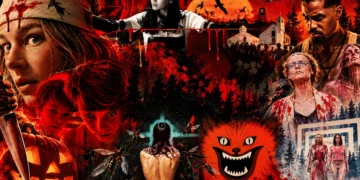



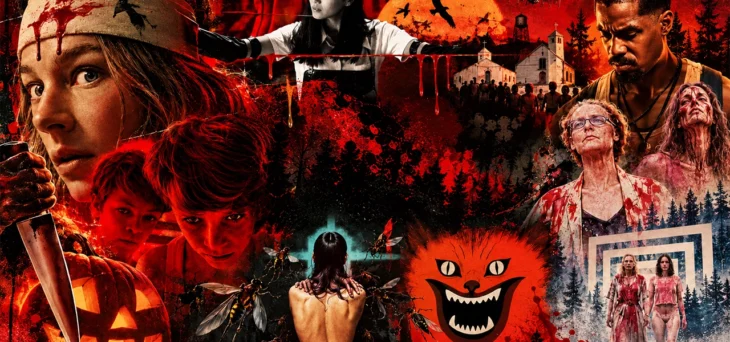
Halloween calls for a film marathon that goes beyond familiar ghosts, masked killers and haunted houses. Some horror films depend on the anticipation of violence, while others find terror in beauty, intimacy, obsession or the uncomfortable feeling that something is terribly wrong. The best ones stay with us long after the closing credits, changing the way we look at an empty hallway, a family photograph or an otherwise ordinary evening.
MOVIES
For Halloween 2026, DSCENE selects ten films that approach fear from entirely different directions. The list travels from the excessive pleasures of 1980s slashers to the psychological experiments of Japanese cinema, the grotesque beauty of contemporary body horror and the filmmakers currently finding new ways to disturb their audiences. Expect some familiar names, a few unexpected discoveries and plenty of reasons to leave the lights on.
1. House (1977)
Director: Nobuhiko Obayashi | Japan
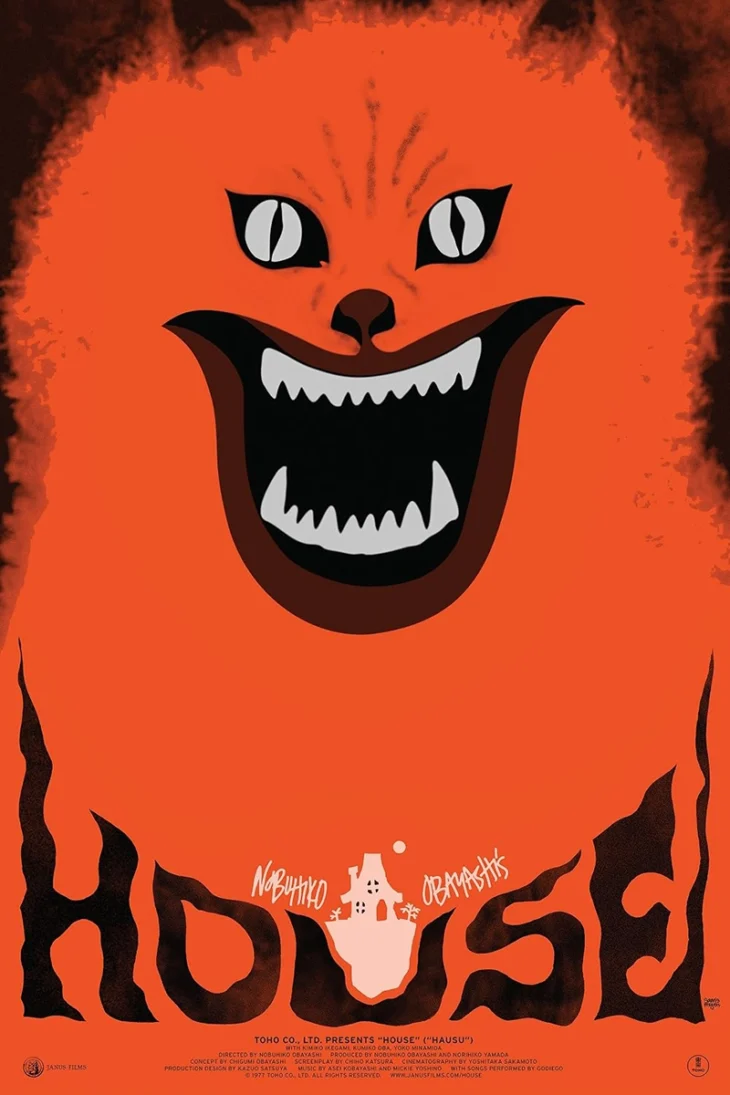
Imagine a children’s television programme having a nervous breakdown inside a haunted house. Nobuhiko Obayashi’s House, also known as Hausu, follows seven schoolgirls who visit a mysterious country residence and encounter a series of increasingly absurd supernatural events.
There are murderous household objects, a sinister cat and visual effects that combine animation, collage and experimental editing. The colours are outrageous, the performances wonderfully exaggerated and the imagery frequently beautiful. Its complete disregard for conventional horror logic makes it particularly entertaining for viewers interested in fashion, experimental art and surrealist cinema.
2. Halloween (1978)
Director: John Carpenter | USA
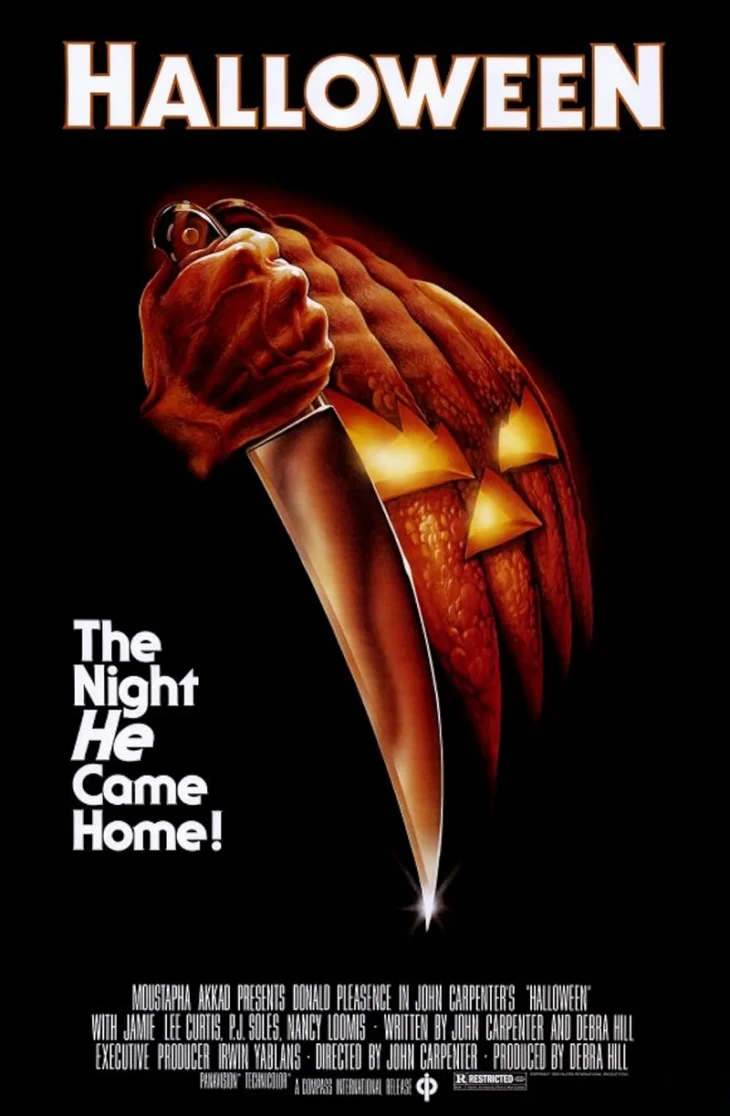
John Carpenter’s Halloween remains one of the defining films of the slasher genre, transforming an ordinary American suburb into a place of relentless terror. Fifteen years after murdering his sister, Michael Myers escapes from a psychiatric institution and returns to his hometown of Haddonfield, Illinois, on Halloween night. There, he begins stalking teenager Laurie Strode, played by Jamie Lee Curtis in her feature film debut.
Carpenter builds suspense through patient camera movements, carefully composed suburban settings and his instantly recognisable synthesizer score. Michael Myers, concealed behind an expressionless white mask, becomes a terrifying presence precisely because his motivations remain mysterious. The film’s autumn streets, glowing jack-o’-lanterns and seemingly peaceful neighbourhoods create an atmosphere that has influenced generations of horror filmmakers. Almost five decades later, Halloween remains essential seasonal viewing, proving that a simple premise, an unforgettable villain and precise direction can produce extraordinary fear.
3. Possession (1981)
Director: Andrzej Żuławski | France / West Germany
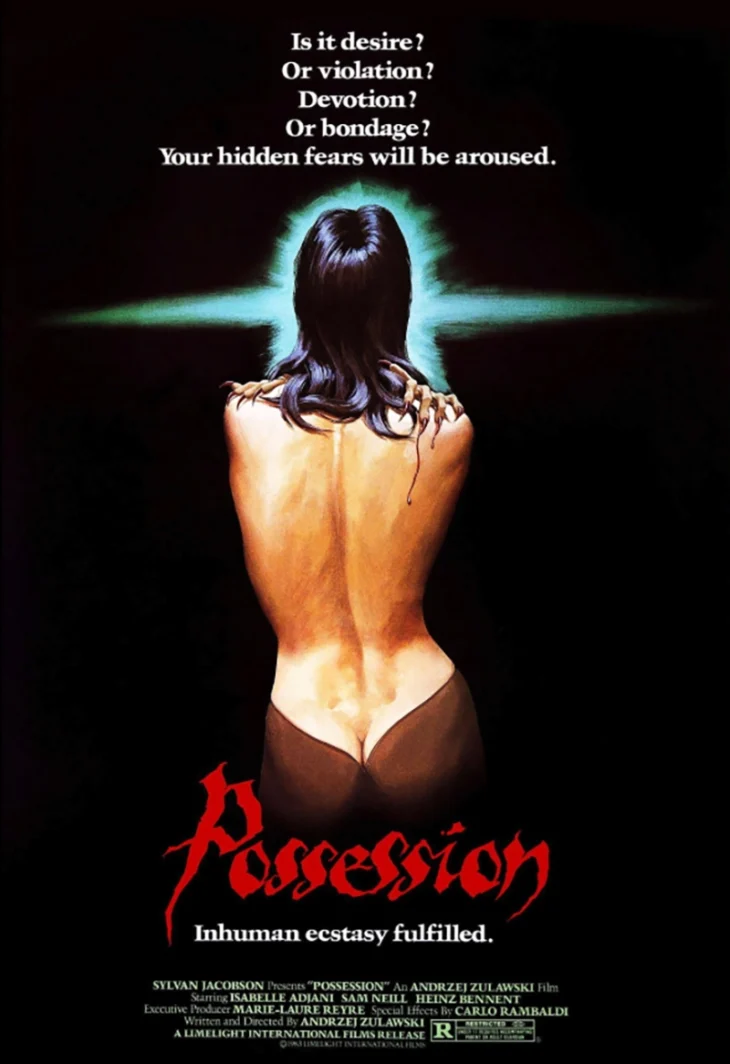
Few horror films approach the collapse of a relationship with the intensity of Andrzej Żuławski’s Possession. Set in divided Berlin, the film follows Anna and Mark, a married couple whose separation deteriorates into paranoia, violence and increasingly inexplicable behaviour.
Isabelle Adjani delivers one of horror cinema’s most physically demanding performances, including the now-famous subway sequence. Żuławski pushes every emotion toward its breaking point, creating a film that feels feverish and deeply uncomfortable. Watch it for its performances, its atmosphere and its extraordinary ability to transform romantic despair into something monstrous.
4. Phenomena (1985)
Director: Dario Argento | Italy
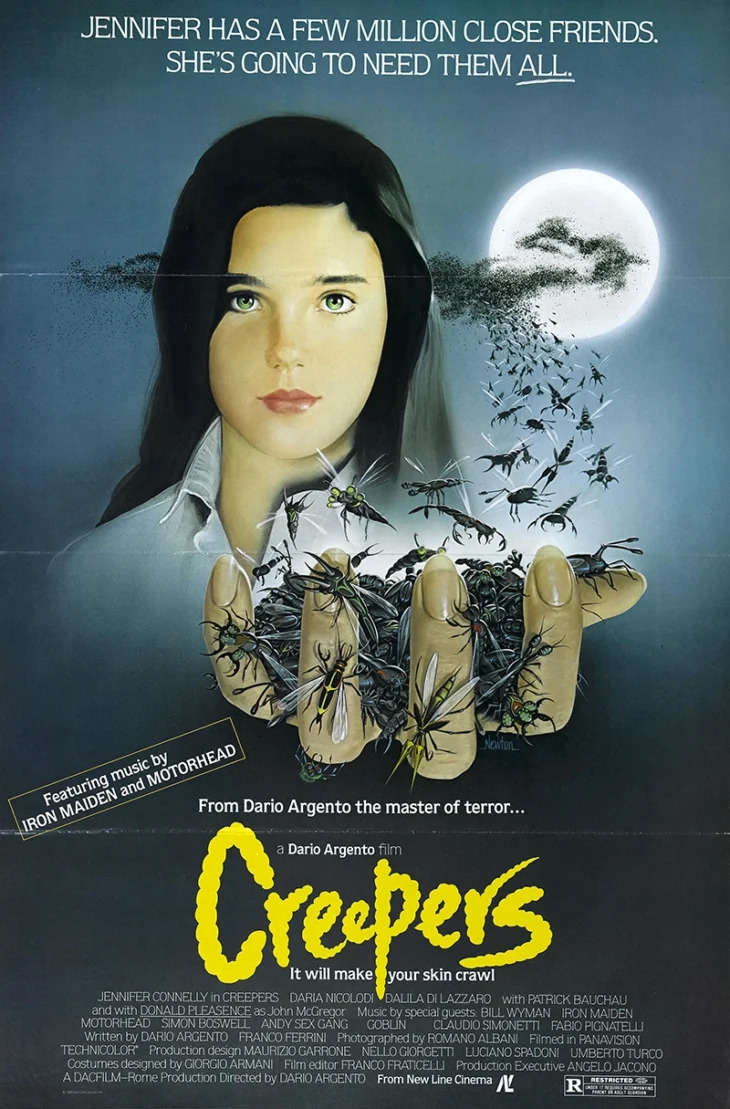
Dario Argento takes supernatural horror into the Swiss Alps with Phenomena, starring a young Jennifer Connelly as Jennifer Corvino, an American teenager who arrives at an exclusive boarding school while a mysterious killer terrorises the surrounding countryside. Gifted with an unusual ability to communicate with insects, Jennifer becomes involved in the investigation, assisted by an eccentric entomologist played by Donald Pleasence. What begins as a boarding-school mystery gradually develops into an increasingly bizarre nightmare involving sleepwalking, murder and supernatural connections.
Argento fills the film with mist-covered forests, nocturnal landscapes, elaborate murder sequences and his characteristic fascination with insects. The combination of delicate costumes, Gothic architecture and an unexpected heavy-metal soundtrack creates an atmosphere unlike almost anything else in 1980s horror. Connelly brings an ethereal quality to the central performance, while Argento pushes the story toward a grotesque finale filled with startling practical effects. Phenomena remains one of the director’s most imaginative films, combining the visual extravagance of Italian giallo with the strange logic of a dark fairy tale.
5. Audition (1999)
Director: Takashi Miike | Japan
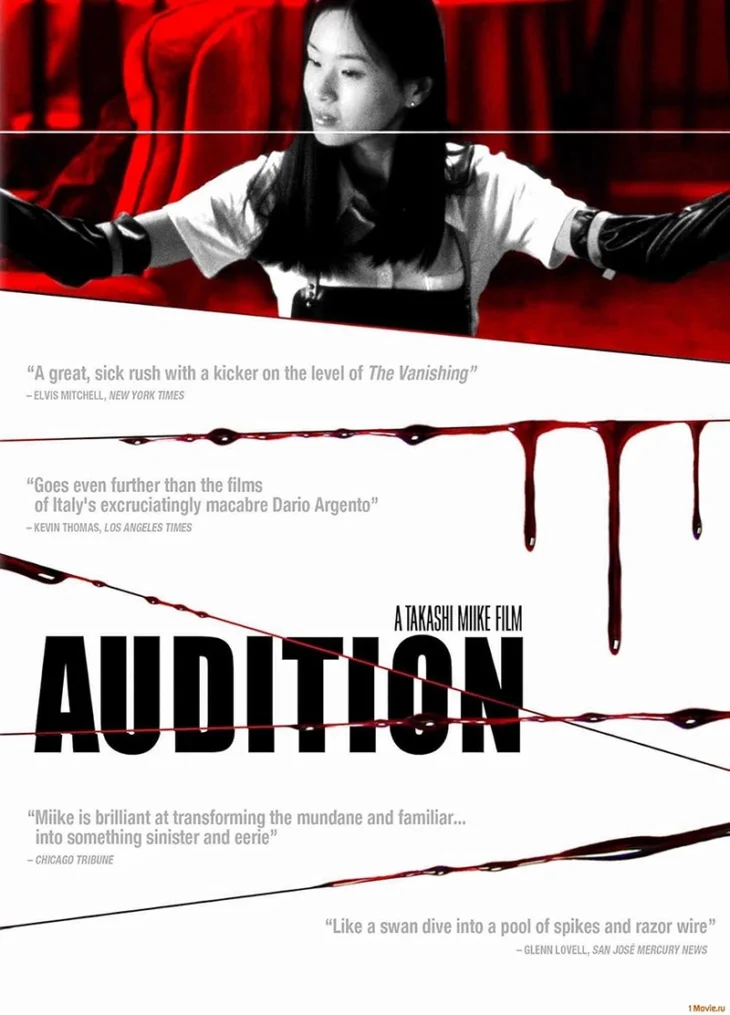
A widower decides to find a new wife through a fake film audition arranged by his producer friend. Among the women he meets is Asami, a reserved young woman whose apparent vulnerability immediately attracts him.
Takashi Miike begins with the rhythms of a romantic drama, allowing the characters’ relationships and unspoken motivations to develop before taking the story somewhere considerably darker. Eihi Shiina’s performance gives Asami an unnerving stillness that gradually changes the atmosphere of every scene. Go into this film knowing as little as possible. Its final stretch deserves its reputation among the most difficult sequences to watch in modern horror.
6. Goodnight Mommy (2014)
Directors: Veronika Franz and Severin Fiala | Austria
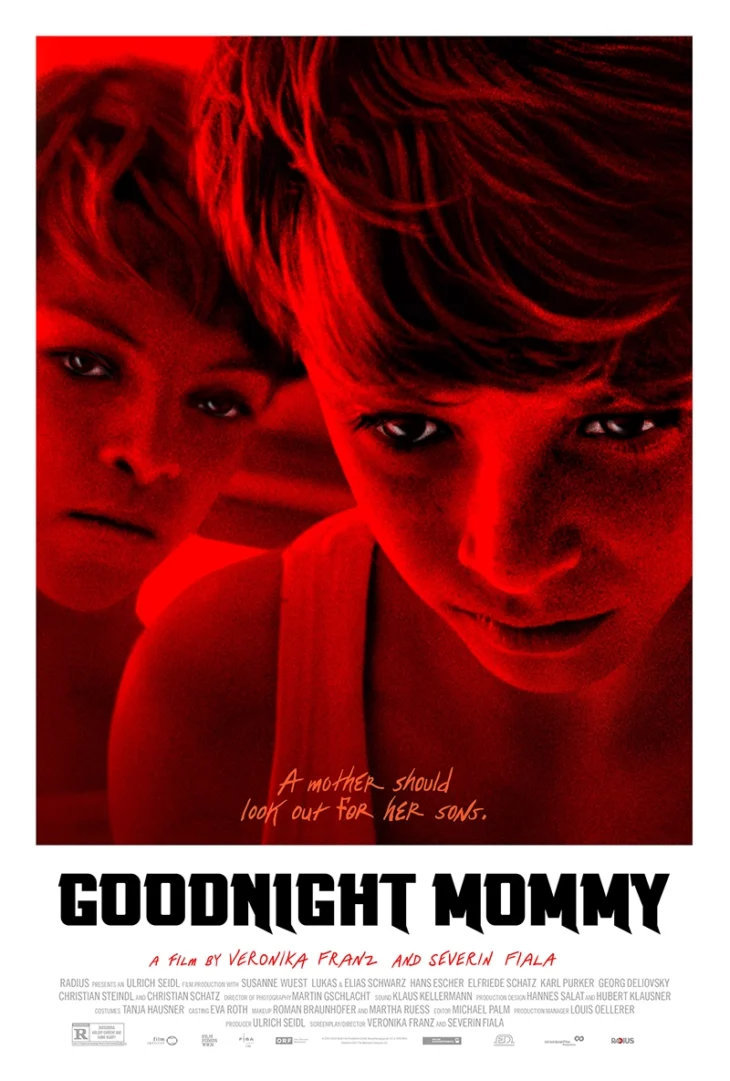
An isolated modernist house in the Austrian countryside becomes the setting for a deeply disturbing family nightmare in Goodnight Mommy. Twin brothers Elias and Lukas grow suspicious when their mother returns home following facial surgery, her face concealed beneath bandages and her behaviour increasingly unfamiliar. As their doubts intensify, the boys begin questioning whether the woman living with them is their mother at all.
Directors Veronika Franz and Severin Fiala transform immaculate interiors, minimalist architecture and the oppressive summer heat into instruments of psychological terror. Susanne Wuest delivers an unnerving performance, while the film’s restrained dialogue and carefully controlled compositions create an atmosphere of escalating paranoia. Its exploration of identity, grief and maternal relationships leads toward a devastating conclusion. For viewers drawn to visually sophisticated horror, Goodnight Mommy demonstrates how unsettling an apparently perfect home can become.
7. Bacurau (2019)
Directors: Kleber Mendonça Filho and Juliano Dornelles | Brazil
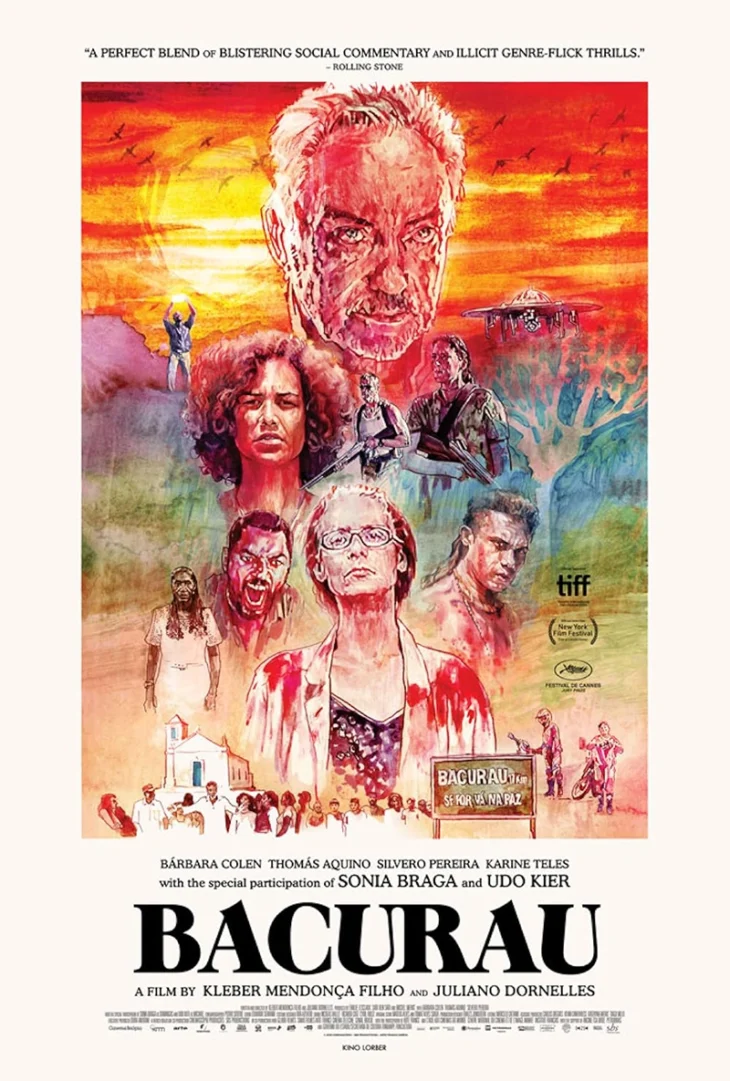
Deep in the arid countryside of northeastern Brazil, the residents of a small village discover that their community has mysteriously disappeared from digital maps. Following the death of a beloved local matriarch, strange events begin disrupting everyday life, from unexplained surveillance to the arrival of suspicious outsiders. As violence escalates, the villagers realise they must defend themselves against an increasingly dangerous threat.
Directors Kleber Mendonça Filho and Juliano Dornelles combine elements of westerns, science fiction, political satire and horror to create one of Brazilian cinema’s most unusual genre experiments. Starring Sônia Braga, Udo Kier and Bárbara Colen, Bacurau transforms its sun-drenched rural setting into a battleground where colonial violence, collective resistance and survival collide. The film’s unpredictable shifts in tone, dark humour and bursts of graphic violence make it an unconventional Halloween selection, particularly for audiences interested in horror with a political edge.
8. Cuckoo (2024)
Director: Tilman Singer | Germany / USA
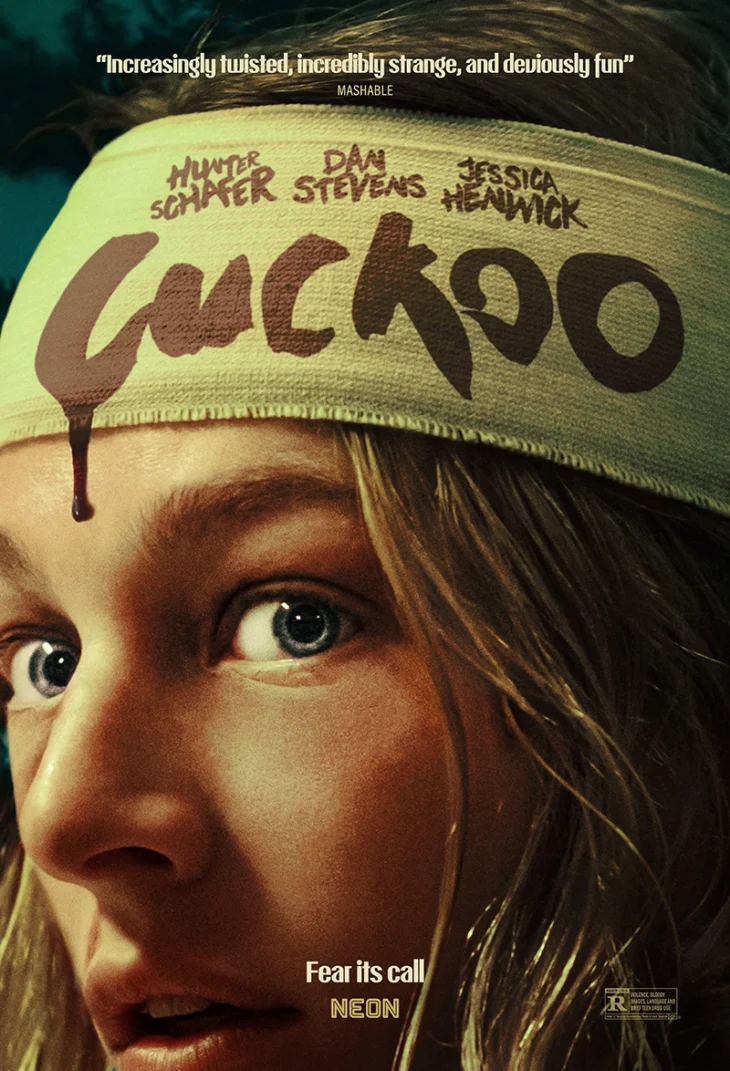
German filmmaker Tilman Singer transforms an idyllic Alpine resort into a deeply unsettling nightmare in Cuckoo, starring Hunter Schafer, Dan Stevens and Jessica Henwick. The story follows 17-year-old Gretchen, who reluctantly moves to the German Alps with her father and his new family. Surrounded by unfamiliar people and increasingly disturbing occurrences, she begins to suspect that the seemingly peaceful resort conceals something sinister.
Shot on 35mm film, Cuckoo draws on the atmosphere of European psychological horror, combining disorienting sound design, strange physical behaviour and bursts of surreal violence. Schafer delivers an emotionally charged performance, while Stevens brings an eccentric menace to the mysterious resort owner, Mr. König. Singer constructs a world where familiar surroundings become increasingly threatening, making Cuckoo an excellent Halloween choice for anyone looking for something genuinely strange and unpredictable.
9. Sinners (2025)
Director: Ryan Coogler | USA
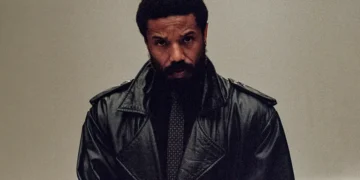
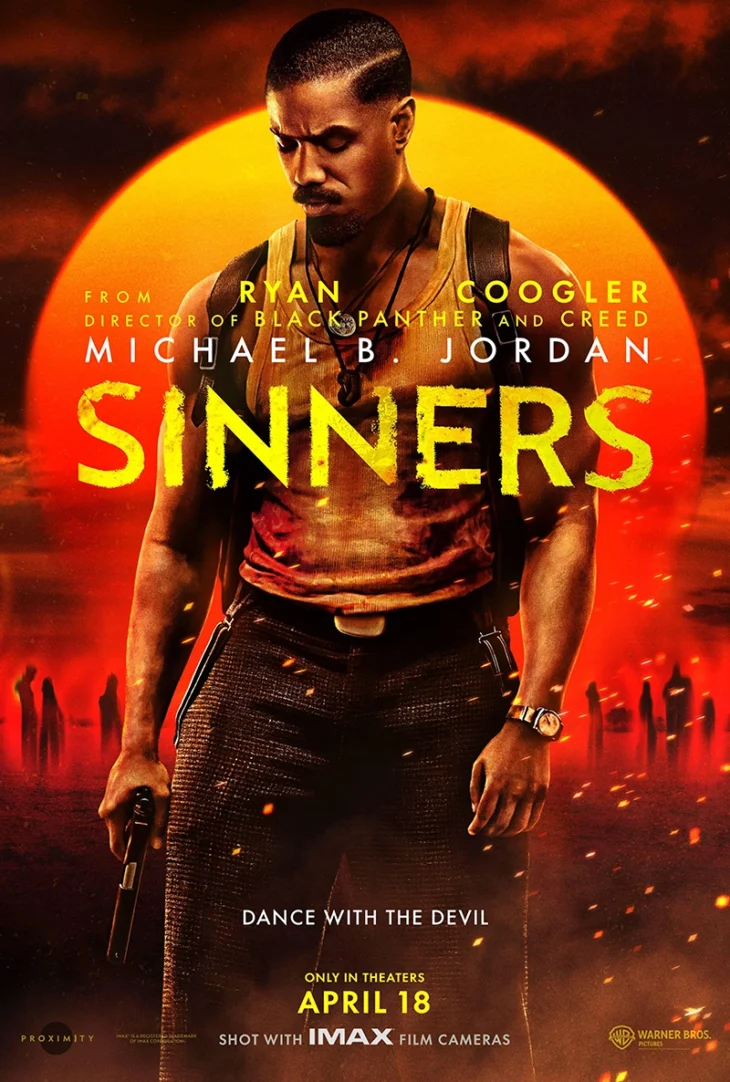
Ryan Coogler takes vampire horror to the Mississippi Delta in the 1930s, following twin brothers Smoke and Stack, both played by Michael B. Jordan, as they return home to open a juke joint.
Music drives the film, connecting its characters to questions of memory, cultural identity and survival. The horror arrives through a story deeply invested in the power of blues music and the communities that created it. Coogler brings considerable visual ambition to the material, creating memorable sequences around performance, movement and violence.
10. Teenage Sex and Death at Camp Miasma (2026)
Director: Jane Schoenbrun | USA
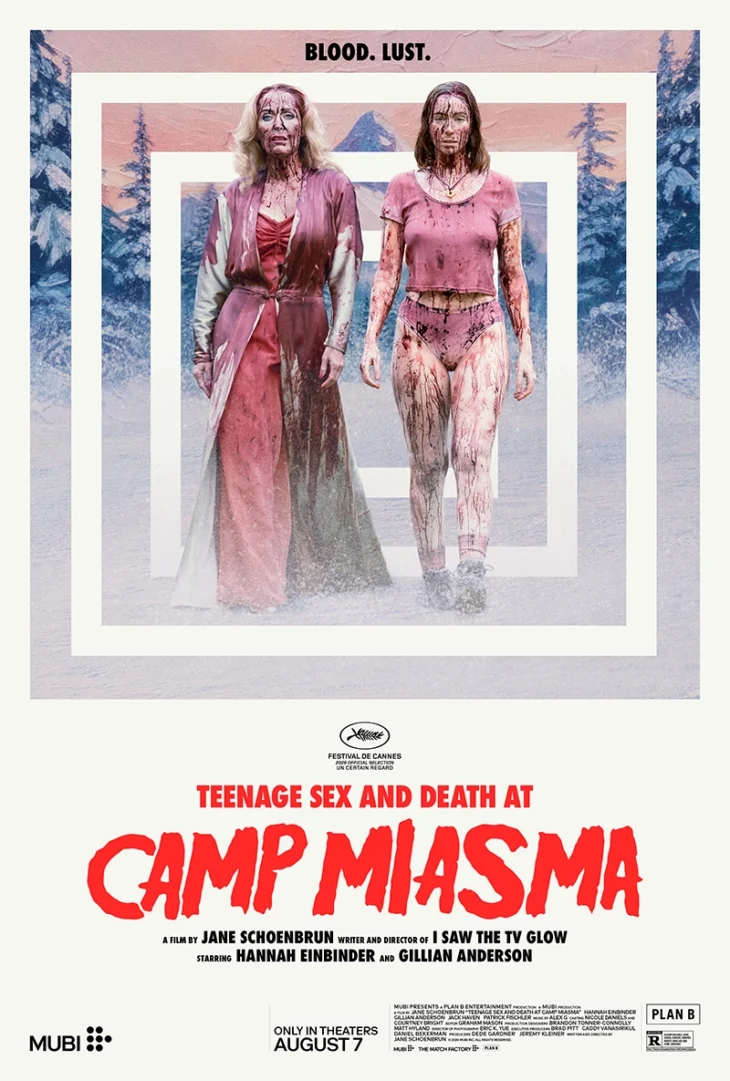
One of the most intriguing horror releases of 2026, Jane Schoenbrun’s latest film returns to the slasher tradition with an unusually personal perspective. Hannah Einbinder plays a young filmmaker hired to revive a declining summer-camp horror franchise. Her research leads her to the original film’s reclusive star, played by Gillian Anderson.
What follows explores desire, identity, obsession and the uncomfortable relationship between horror audiences and the violence they consume. Schoenbrun approaches the genre with affection for its excesses and curiosity about its cultural history. It’s a fitting final selection for a marathon that begins with an actual eighties slasher and ends with a filmmaker reconsidering everything those films represented.