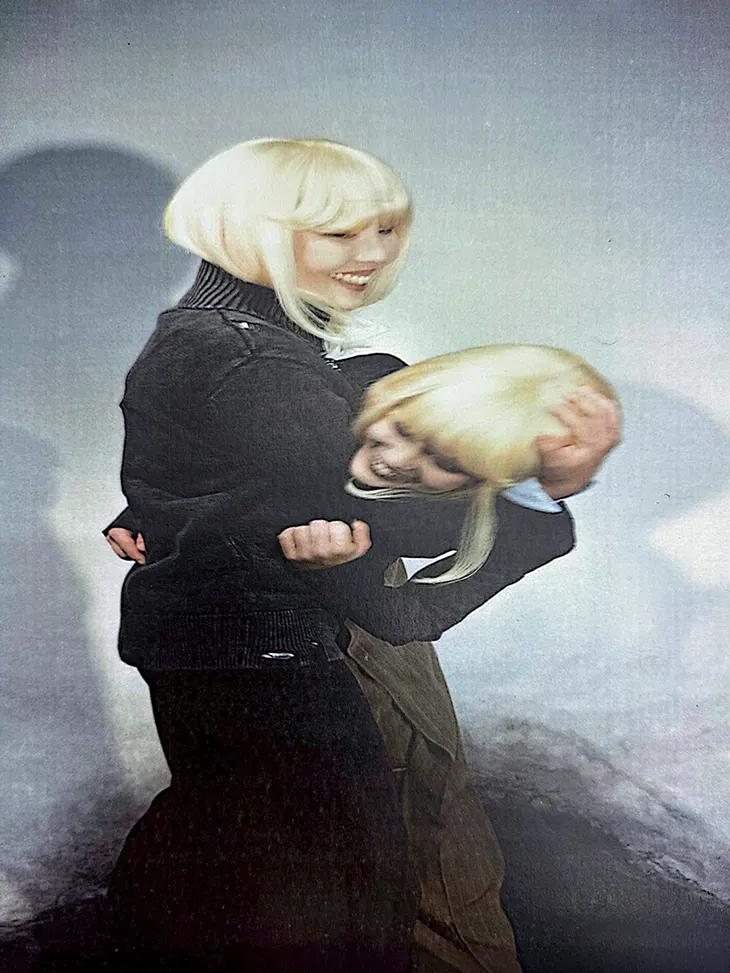




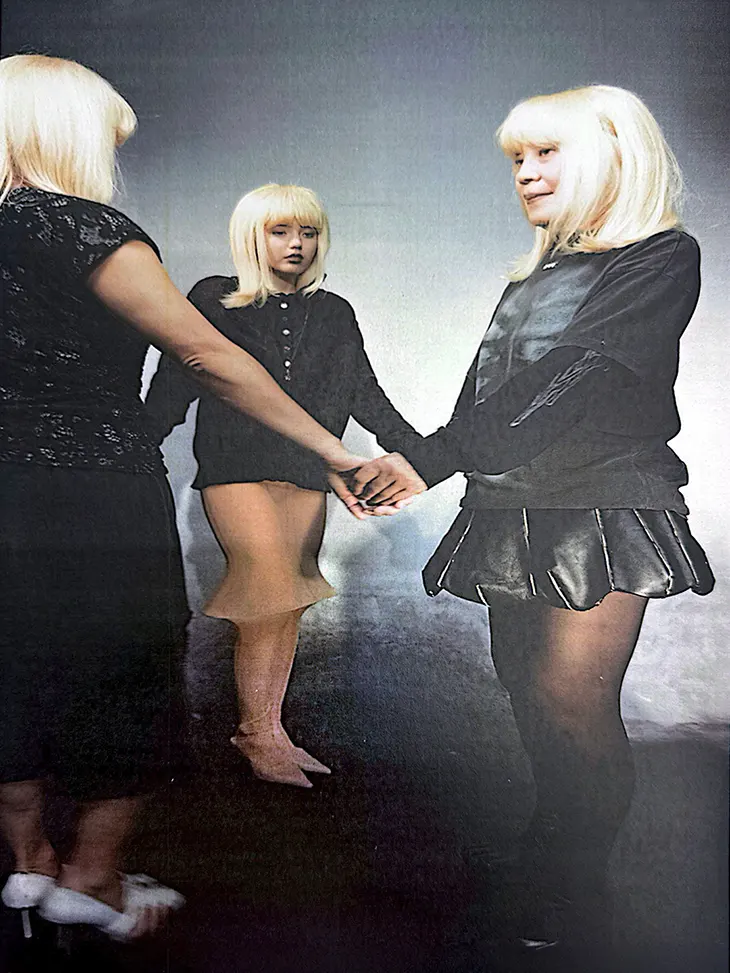
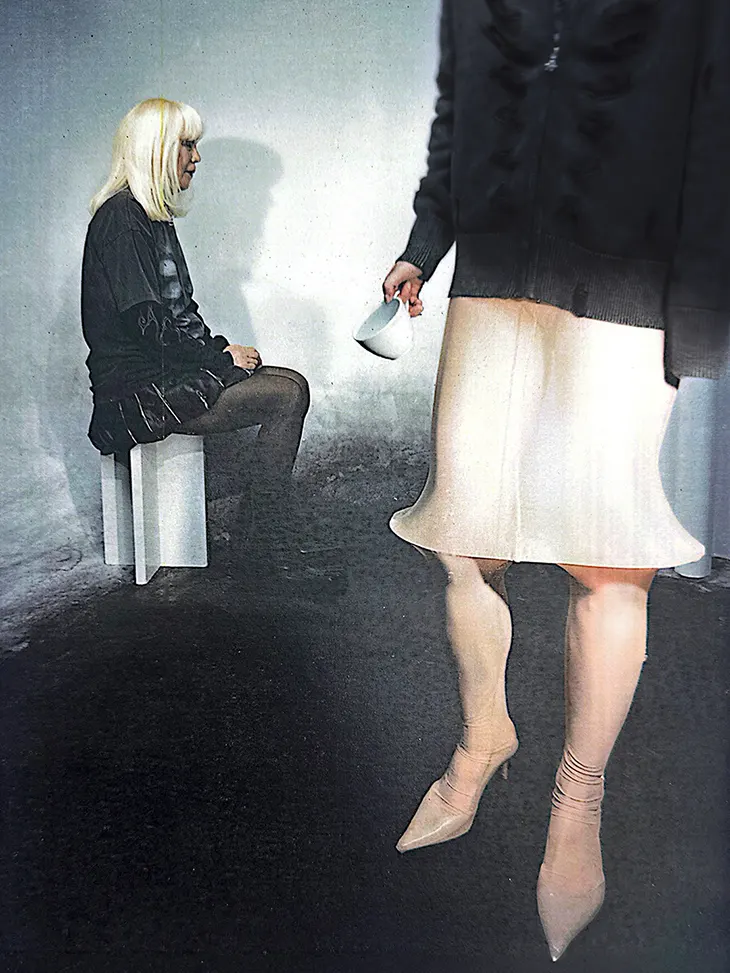
Avavav presents Women, the campaign for its Fall Winter 2026 collection, The Female Gaze, which debuted in Milan on February 28, 2026. Creative Director Beate Skonare Karlsson continues the conversation about femininity that she introduced during the runway presentation, this time through three generations of women from the same family. The campaign follows the idea of a single woman at three different ages, examining how her understanding of herself changes over time.
AD CAMPAIGNS
The concept draws attention to the relationship between age, identity, and the expectations women encounter throughout their lives. By choosing three women from one family, Avavav introduces a personal dimension to questions that shaped the collection. Each generation represents a different point in the experience of womanhood, with familiar feelings and gestures connecting their individual perspectives.

One particular detail gives the campaign much of its meaning. The collection features a padded bra filled with tissue paper, recalling a gesture associated with adolescence and the desire to appear older. It refers to a period when the physical signs of womanhood can carry considerable emotional importance, even as the person experiencing those changes continues to develop her understanding of what being a woman means.
Avavav uses this familiar act to examine the distance between growing into womanhood and feeling comfortable with that identity. The tissue paper becomes a reference to expectations about appearance and the pressure to meet them. Its inclusion in the collection brings an ordinary, private gesture into the context of fashion, where clothing frequently shapes how people understand themselves and how others perceive them.
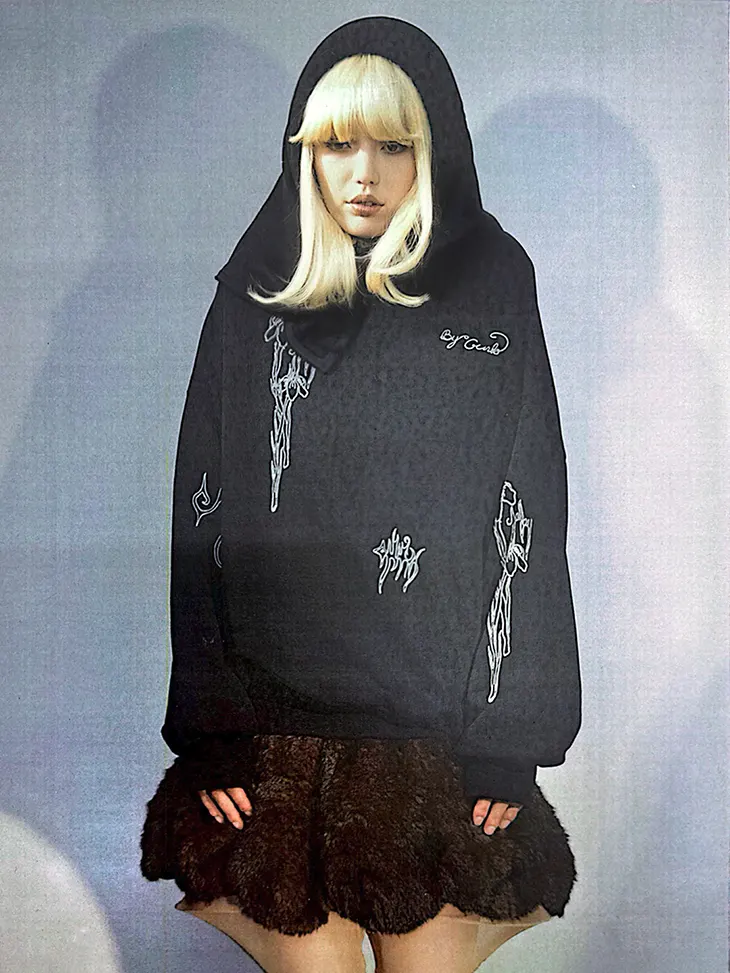
For The Female Gaze, Karlsson began with a question about the audience women imagine when getting dressed. She considered what might happen if women approached clothing with other women in mind, allowing their own preferences and experiences to guide their decisions. This question informed the collection’s examination of conventional representations of femininity and the expectations surrounding women’s appearance.
The campaign develops that idea through the passage of time. Adolescence brings its own uncertainties about appearance and belonging. Later stages of life introduce different relationships with personal identity and the way others see women. Through its three-generation concept, Women considers how these experiences develop, while acknowledging that some concerns about femininity can remain familiar across decades.
The family connection gives the campaign a particular perspective on these questions. Three generations can share experiences and recognize gestures that belong to different periods of their lives. Avavav uses this relationship to consider how perceptions of femininity change within an individual life and across generations. The recurring padded bra detail provides a specific reference point for the insecurities and expectations that the collection addresses.
Karlsson’s approach also raises questions about the role clothing plays in expressing identity. The collection examines dressing as a personal decision shaped by individual experience, while the campaign considers how that relationship develops with age. They explore the complicated feelings that can accompany femininity, including the desire to fit certain expectations and the process of establishing a personal understanding of womanhood.
Avavav carries the ideas of its Milan runway presentation into a family portrait spanning three generations. The campaign returns to a simple adolescent gesture to consider a much longer experience, asking how women come to understand themselves and why certain questions about appearance and identity continue to resonate throughout their lives.