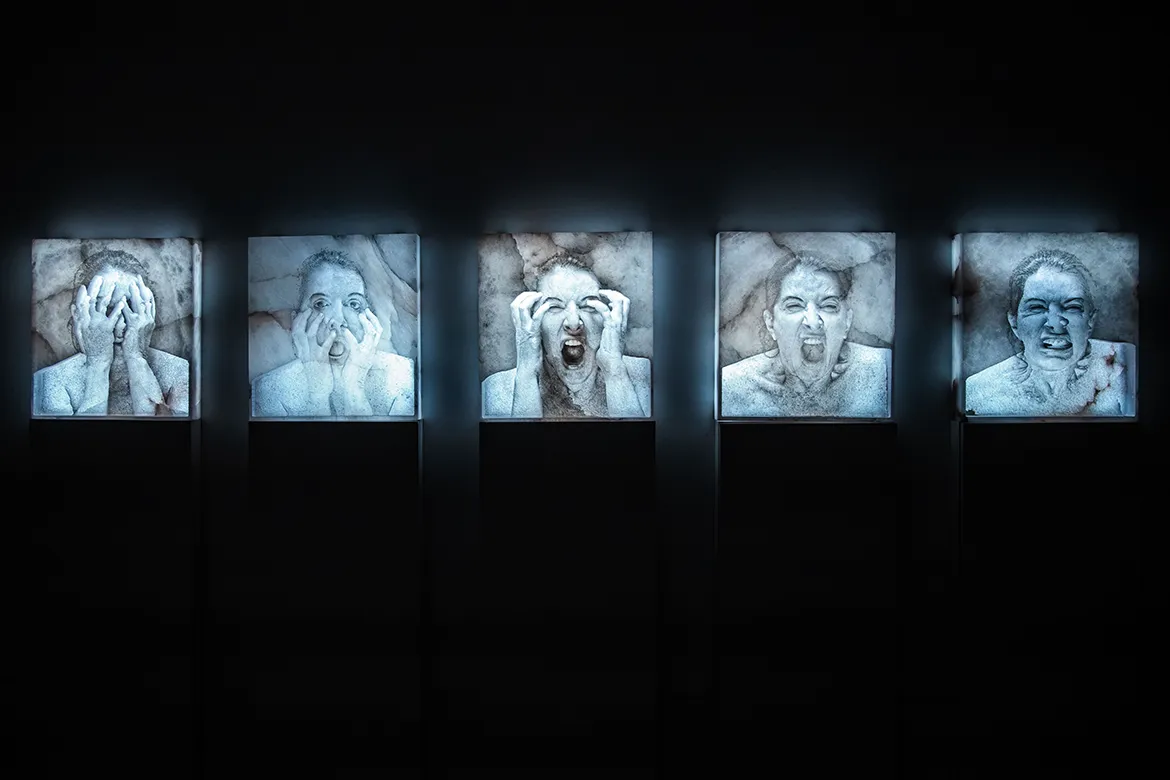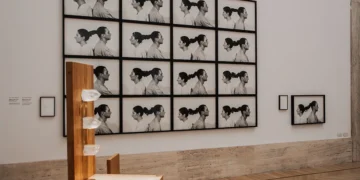



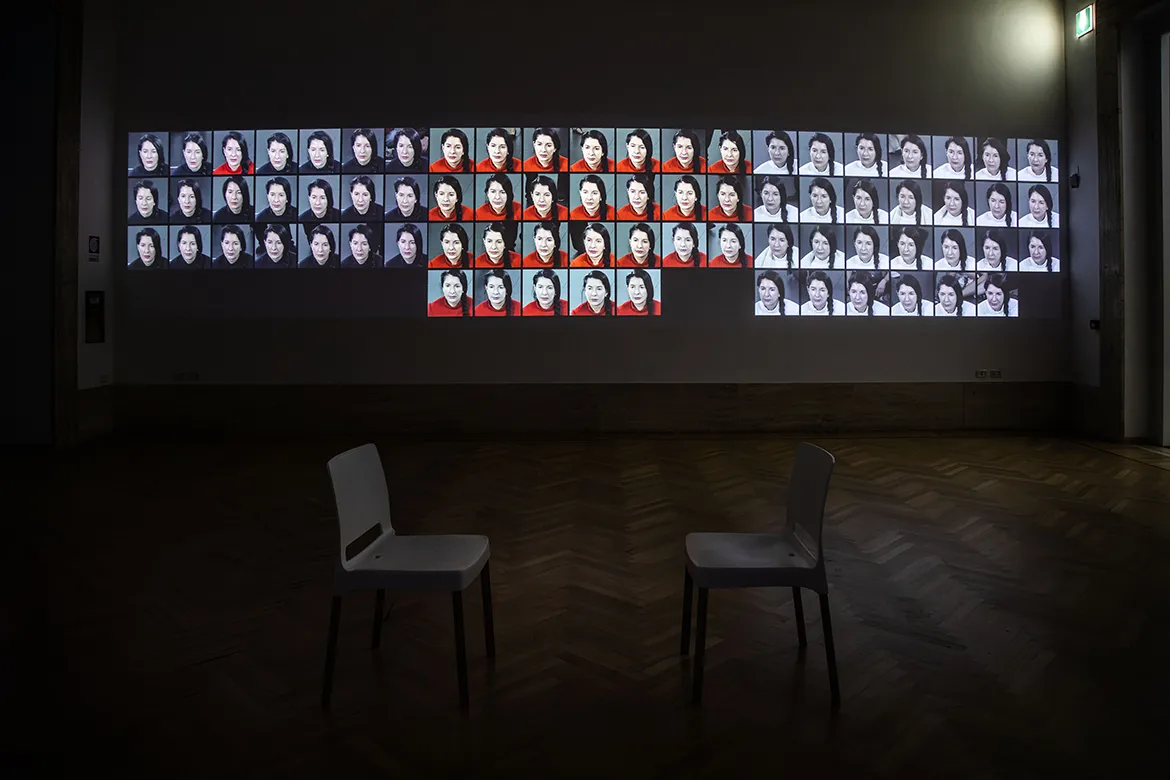
The Galleria Nazionale d’Arte Moderna e Contemporanea (GNAMC) in Rome opened Marina Abramovic: Historical Works and Transforming Energy on November 18, 2026. The exhibition brings together approximately 200 works from fifty years of the artist’s career.
ART
The museum presents the exhibition in the year Abramovic turns 80. She was born on November 30, 1946, the same year Italian women gained the right to vote and stand for election. GNAMC director and architect Renata Cristina Mazzantini saw the two anniversaries as an occasion to recognize Abramović’s freedom of expression and her example for women in art and society. She supported the addition of a substantial historical section and singled out the invitation to participate as the exhibition’s most important message for younger visitors.
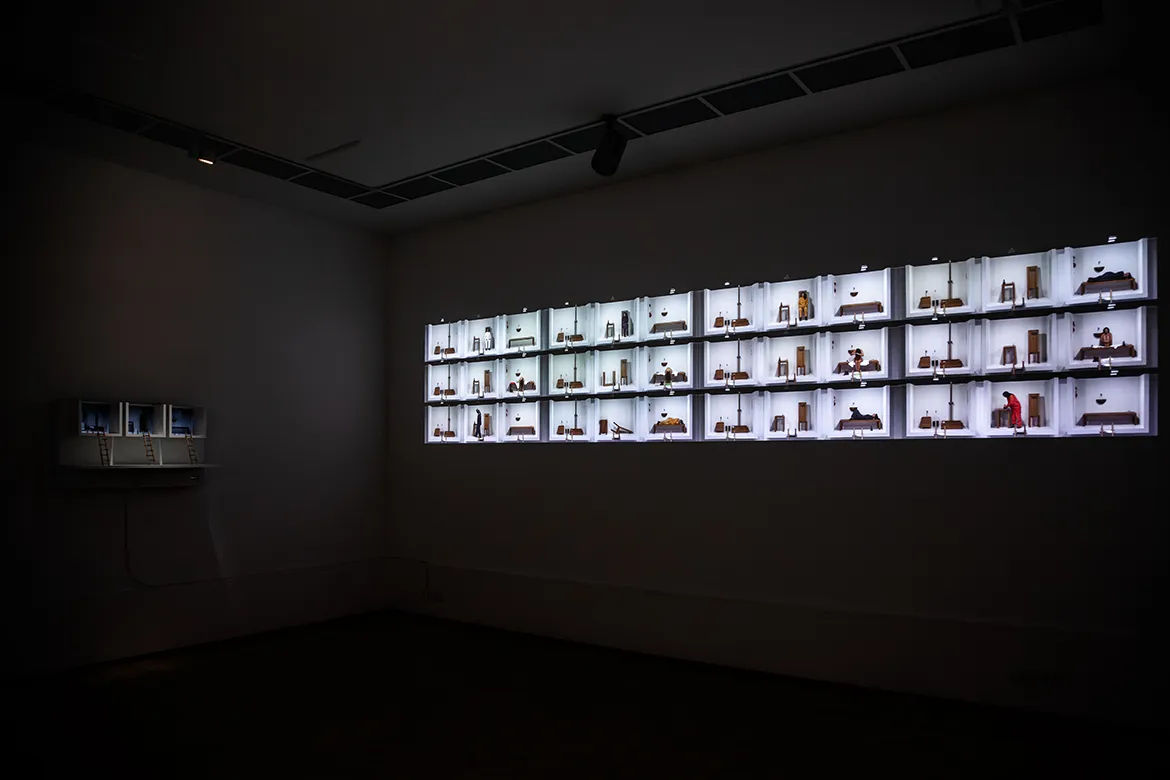
That invitation has taken different forms over the course of Abramovic’s career. In Rhythm 0 (1974), the audience could interact directly with her body. The historical selection includes Imponderabilia (1977) and Balkan Baroque (1997), with video recordings in darkened rooms documenting performances from 1974 through The Lovers: The Great Wall Walk (1988). Italian Minister of Culture Alessandro Giuli described the body in Abramovic’s work as a means of gaining knowledge. He also drew attention to how her performances test the limits of human experience and give viewers time for presence and contemplation.
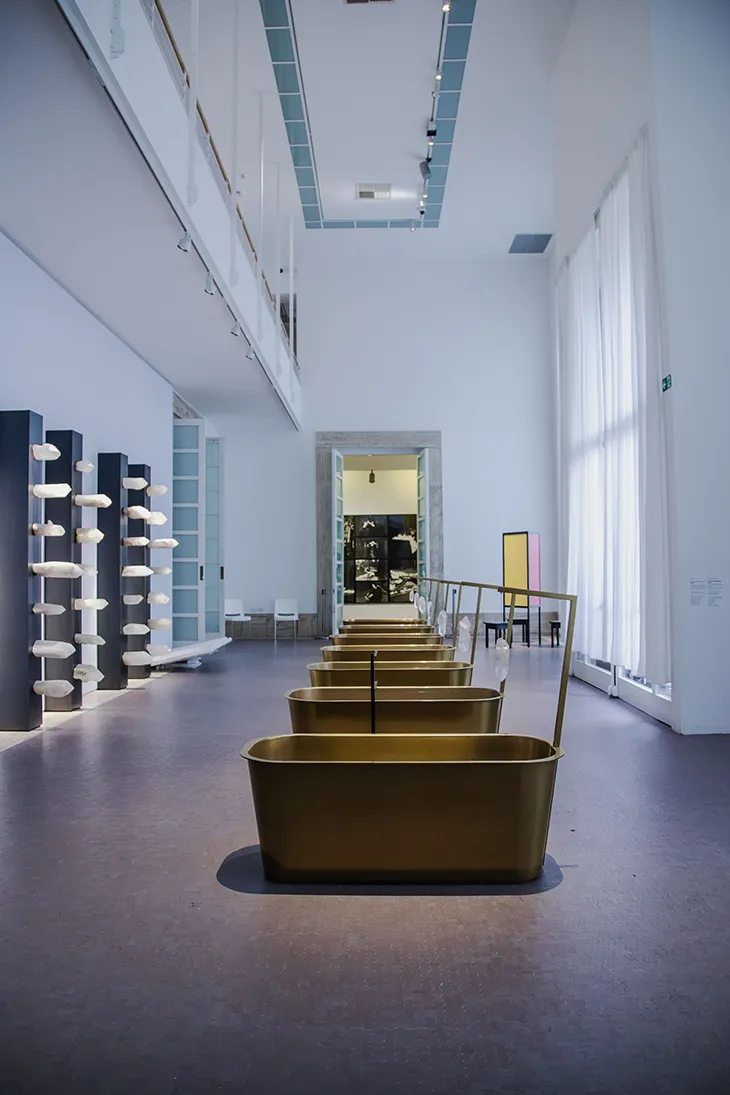
Walking the Great Wall of China gave Abramovic occasion to reflect on the absence of an audience. Those reflections led to Black Dragon and, later, the Transitory Objects. During the walk, she encountered aspects of traditional Chinese medicine that informed her interest in crystals and their relationship to energy and the human body.
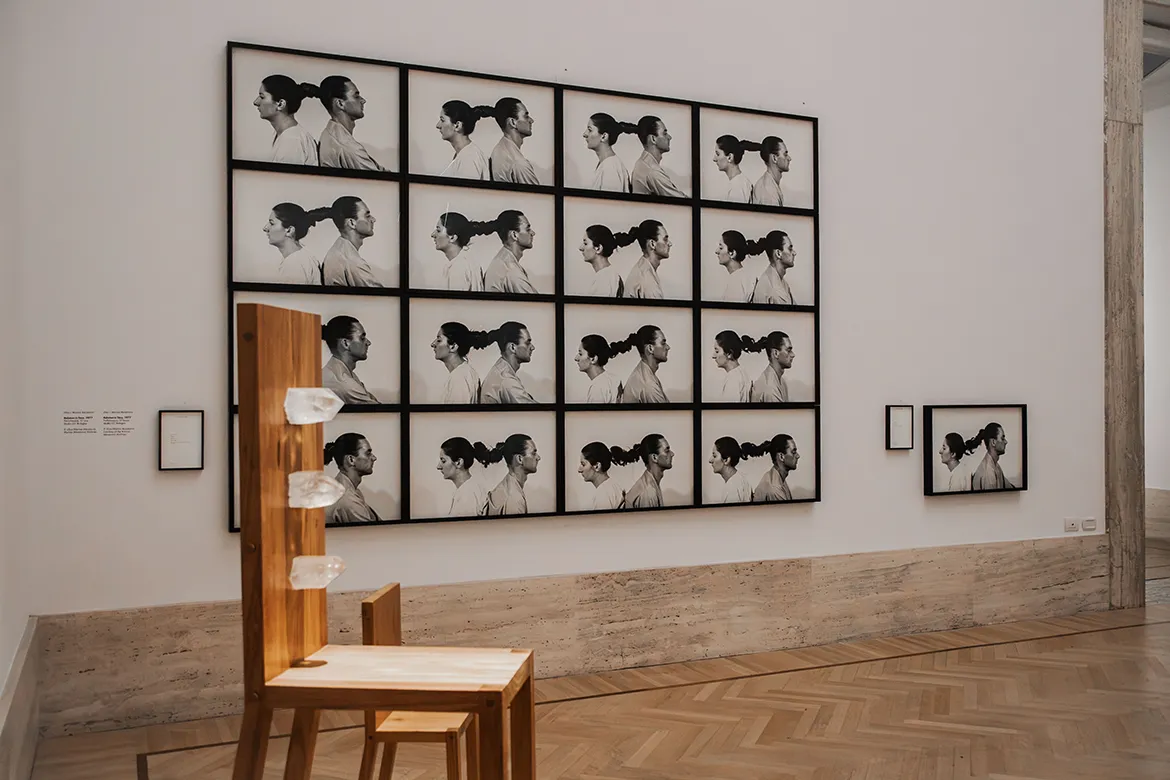
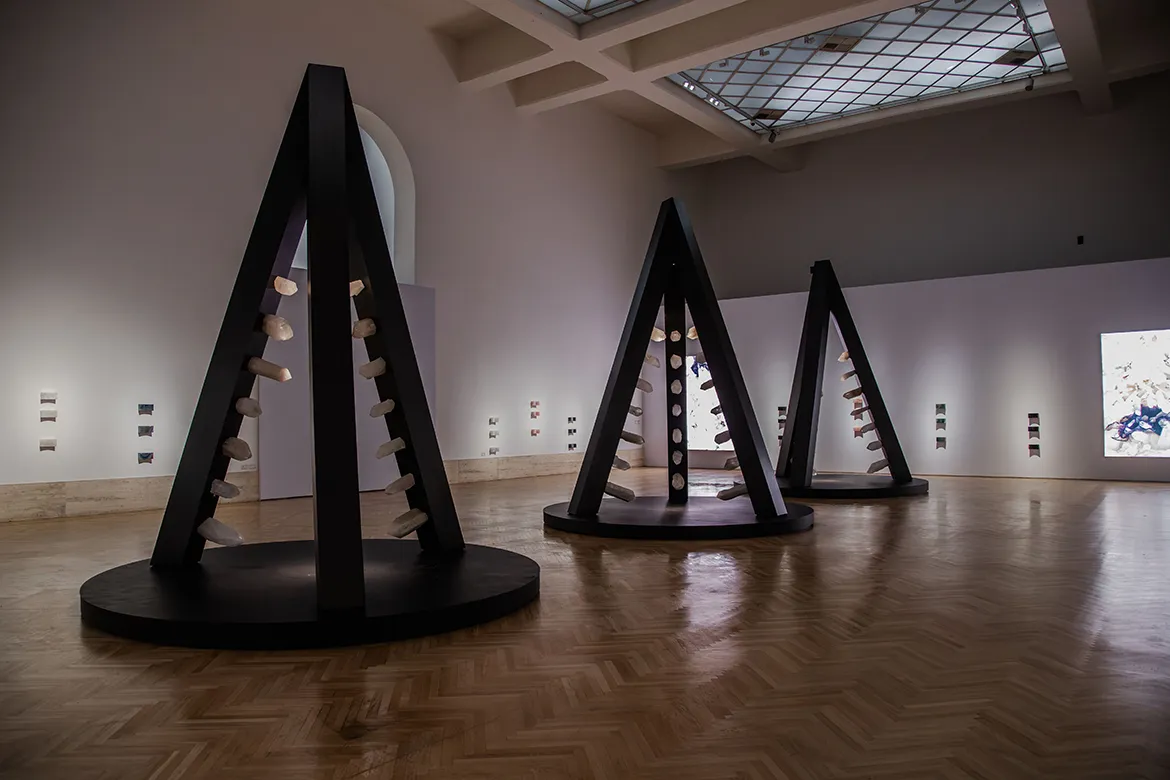
Abramovic has developed the Transitory Objects for over three decades. The series includes stone beds, structures and sculptural forms that incorporate quartz, amethyst, agate and other minerals. Visitors can lie down, sit or stand on the works, becoming performers themselves in a process Abramovic calls “energy transmission.” The works put the body in contact with materials that formed in different geological eras. Abramovic sees the opportunity to show new objects alongside historical works as a way for visitors to follow how the ideas behind them developed.
The museum introduces the exhibition with the long walk of Abramovic’s Avatar, then takes visitors back to The Artist Is Present (2010) before they enter the historical section. The digital twin reproduces her facial expressions and keeps walking, free from fatigue and aging. Abramovic conceived it as a way to make herself immortal and exceed the physical limits of the body.
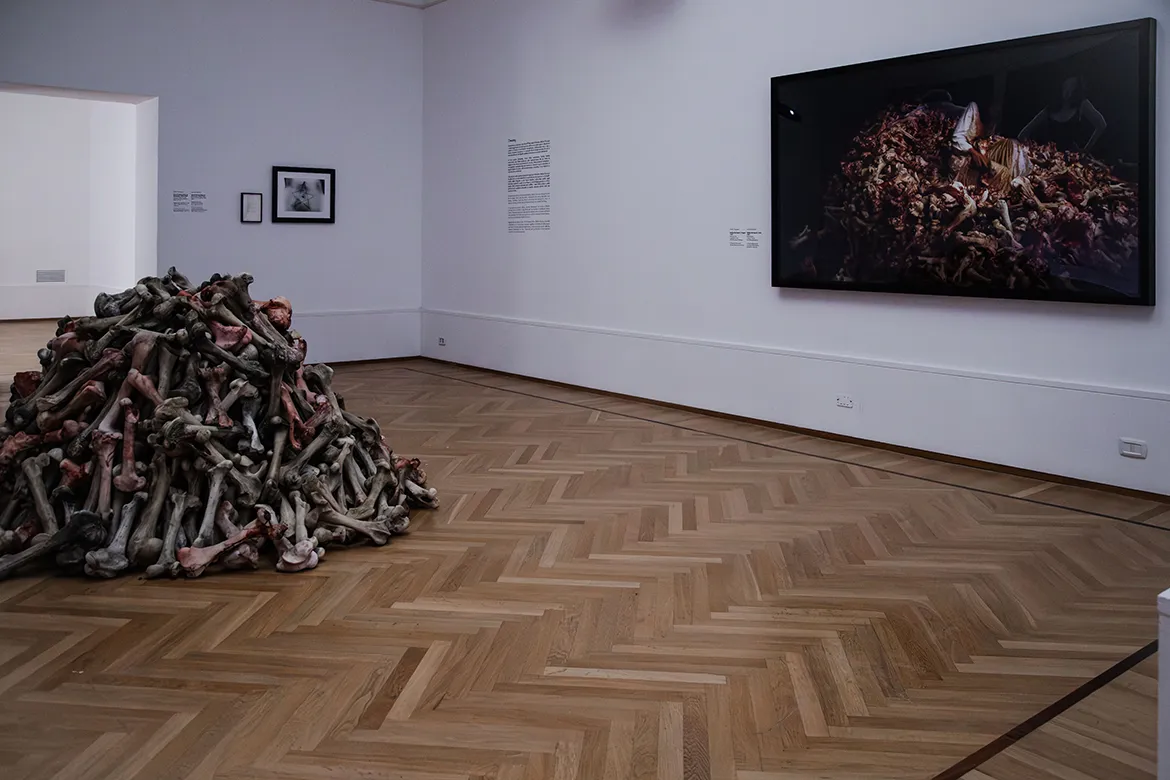
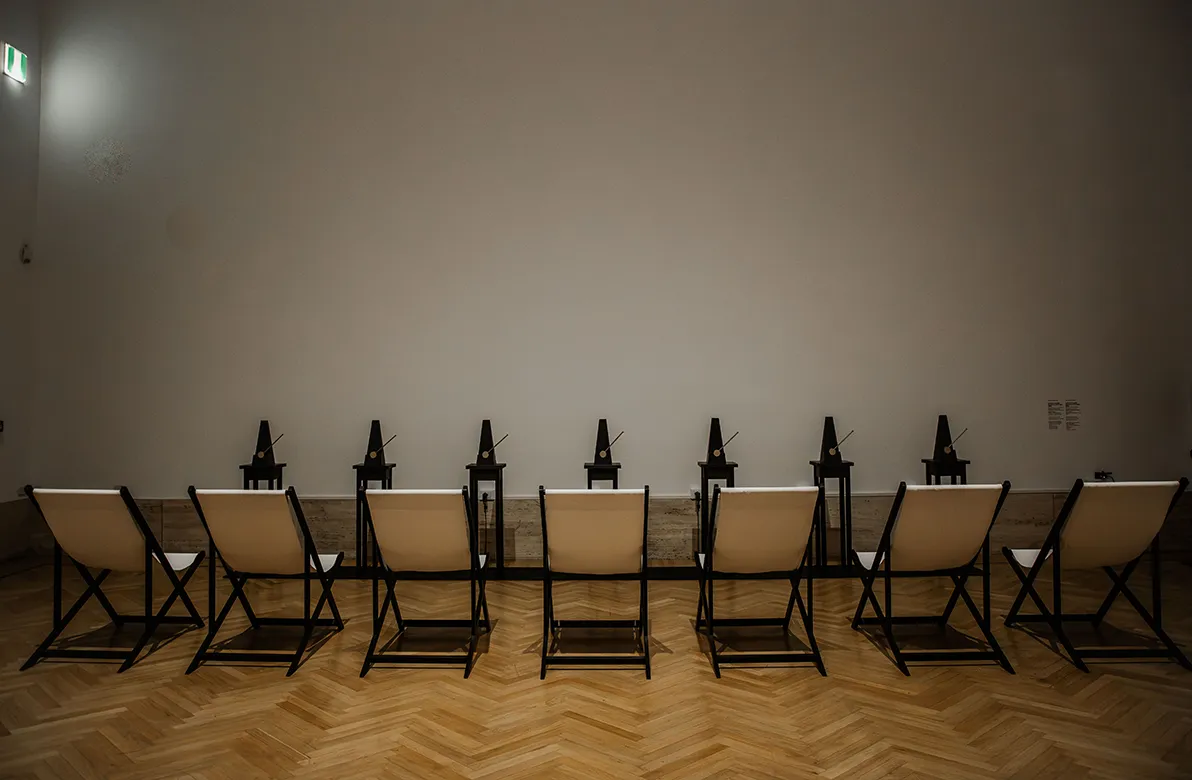
The Modern Art Museum (MAM) in Shanghai first presented Transforming Energy in 2024. The project later appeared at the Gallerie dell’Accademia in Venice during the 61st International Art Exhibition of La Biennale di Venezia. Shai Baitel, artistic director of MAM, curated the expanded Rome edition in close collaboration with Abramovic, and Andrea Tarsia oversees the historical section. At the exhibition’s press conference, Abramovic described the Rome presentation as the most comprehensive exhibition of her career.
Creative Philosophy organized the exhibition in collaboration with the Marina Abramović Institute and the Modern Art Museum in Shanghai. Skira publishes the catalogue. The exhibition runs through April 4, 2027, at Viale delle Belle Arti 131 in Rome. The GNAMC opens Tuesday through Sunday from 9 a.m. to 7 p.m. and closes on Mondays.