



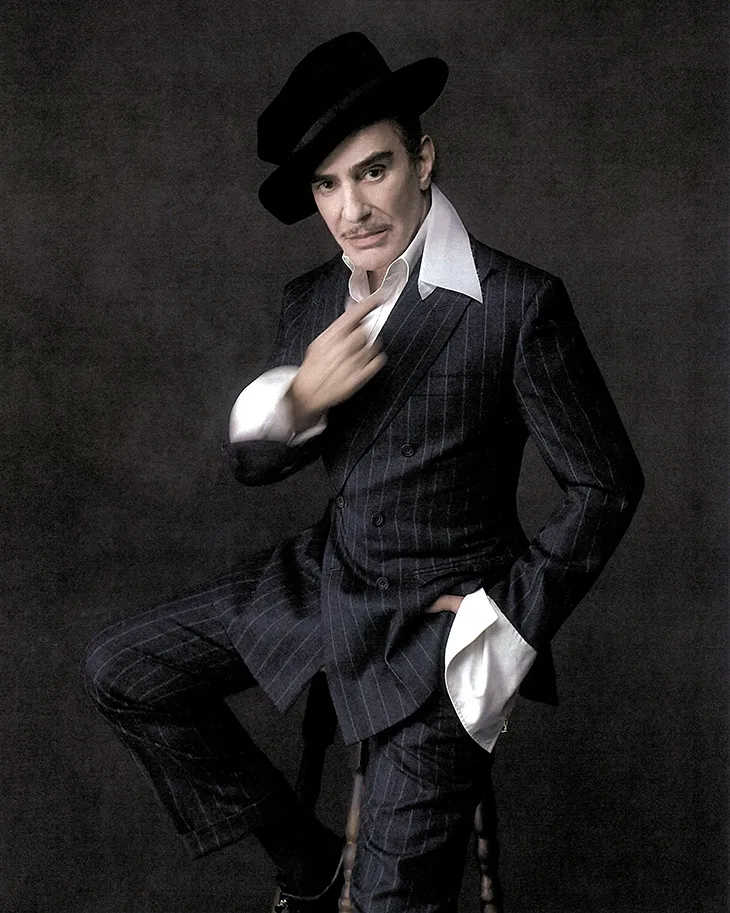
The Metropolitan Museum of Art has announced that its spring 2027 Costume Institute exhibition will focus on the work of John Galliano, making the British designer only the third living fashion creator to receive a solo exhibition at the institution. The exhibition, John Galliano: Horizons, will open on May 9, 2027, following the annual Met Gala, and remain on view through January 9, 2028.
FASHION
The decision immediately places one of fashion’s most influential designers back at the center of public conversation. Galliano’s creative achievements continue to shape contemporary fashion, yet his career remains inseparable from the antisemitic remarks he made in Paris in 2011. The exhibition therefore arrives with questions that extend beyond design and into accountability, rehabilitation and institutional responsibility.
View this post on Instagram
Andrew Bolton, Curator in Charge of The Costume Institute, has considered a Galliano exhibition for years. According to the museum, serious planning began in 2024, followed by extensive discussions about how to present the designer’s career within its full historical context. Rather than avoiding Galliano’s past, the exhibition intends to address it directly.
Before confirming the exhibition, representatives from the Metropolitan Museum met privately with several prominent rabbis and Jewish community leaders in New York. Anna Wintour, Vogue’s Global Editorial Director and a trustee of the museum, attended those conversations alongside Bolton and Galliano himself. The meetings focused on how the exhibition could acknowledge Galliano’s history while remaining sensitive to growing concerns about antisemitism.
Those concerns arrive during a period of heightened attention to antisemitic incidents in the United States. Museum leadership acknowledged that honoring Galliano without confronting his past would invite criticism. Several Jewish leaders who attended the discussions later described Galliano as sincere in addressing his previous actions while emphasizing that the exhibition should educate visitors about antisemitism rather than simply celebrate his work.
Bolton has outlined plans for an introductory gallery that will examine what he describes as the defining rupture in Galliano’s career. The section will address the events surrounding 2011 and explain their consequences before visitors continue into galleries dedicated to his fashion collections. Museum officials also continue to explore additional educational material, including digital resources that could expand discussion beyond the physical exhibition.
Galliano’s influence on fashion remains difficult to dispute. After graduating from Central Saint Martins in 1984, he established himself through theatrical collections before leading Givenchy and later Christian Dior. His tenure at Dior, from 1996 until 2011, transformed couture into large scale storytelling and helped redefine the visual identity of the French house. His work combined historical references, technical precision and dramatic presentation, influencing designers across multiple generations.
His career changed abruptly in 2011 after videos emerged showing him making antisemitic remarks in a Paris café. Dior dismissed him immediately, and a French court later convicted him for hate speech. Galliano entered rehabilitation and later described his behavior as the result of addiction to alcohol and drugs. He subsequently worked with Jewish leaders and organizations to better understand antisemitism, Judaism and the Holocaust.

In 2014, Maison Margiela appointed Galliano as creative director, marking his return to fashion after several years away from the industry. During the following decade, he rebuilt his professional reputation through critically acclaimed couture collections that attracted widespread attention. Celebrities including Zendaya, Tyla and Amal Clooney have continued to wear his designs, while vintage Galliano pieces have achieved record prices at auction.
Anna Wintour has remained one of Galliano’s strongest supporters throughout that period. She publicly backed his return to fashion and has long advocated for a major museum exhibition dedicated to his work. Following the announcement, Wintour described Galliano as a designer whose influence reaches far beyond individual collections while acknowledging that the exhibition would not ignore the darker chapter of his career.
The announcement arrives after several high profile moments that suggested fashion’s growing acceptance of Galliano once again. Earlier this year he attended Jonathan Anderson’s couture debut for Dior, returning publicly to the house for the first time since his dismissal. Zara also announced a two year collaboration with the designer in March, receiving largely positive reactions from the fashion industry.
Even with that renewed acceptance, the Metropolitan Museum’s decision remains contentious. Some Jewish leaders have expressed concern that the exhibition could minimize the seriousness of Galliano’s actions if it fails to provide sufficient historical context. Others argue that it presents an opportunity to examine repentance, accountability and the possibility of rehabilitation without diminishing the harm caused by antisemitism.
Whether the exhibition succeeds will depend on how effectively it balances Galliano’s extraordinary creative legacy with the ethical questions that continue to define his public life. When the Met Gala launches the exhibition next May, fashion’s biggest night may also become one of its most debated.