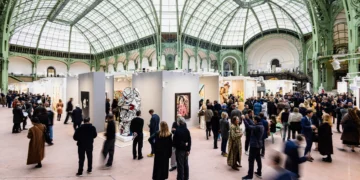


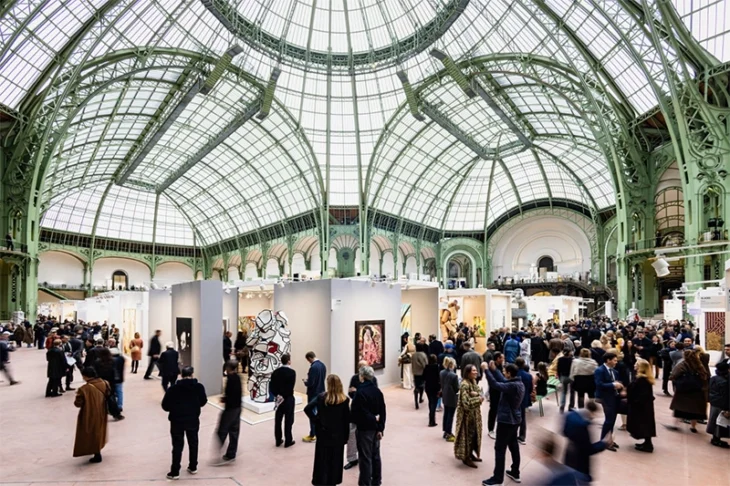
Art Basel Paris 2026 will close its doors at 7 p.m. on Friday, October 23, cancelling the final two days of its fifth edition amid concerns over further protests in the French capital. Organisers confirmed that the fair, featuring 211 galleries from 41 countries and territories at the Grand Palais, will remain closed on Saturday and Sunday to protect visitors, exhibitors, staff and artworks. The decision follows widespread demonstrations across France over education, public spending and the rising cost of living.
ART
The circumstances raise an important question about the position of major cultural institutions during periods of social unrest. Art Basel operates within an international market where artworks command extraordinary prices, collectors travel between continents, and cultural prestige carries considerable financial value. Outside the Grand Palais, thousands of people are protesting conditions that affect their daily lives.
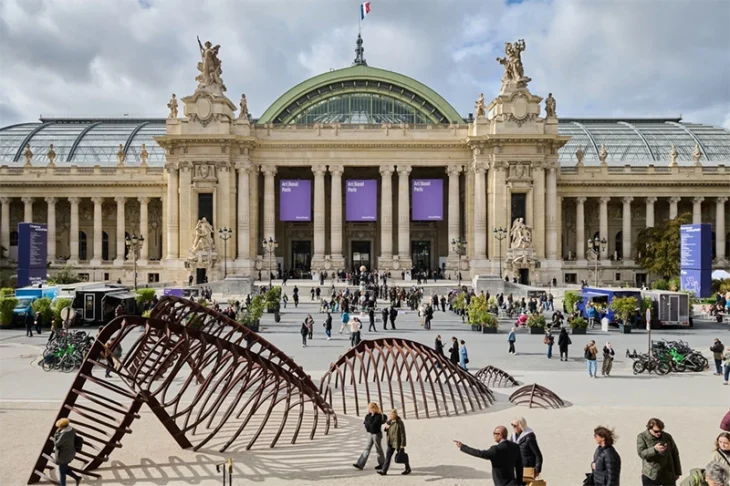
These realities coexist in the same city, exposing tensions that extend far beyond the cancellation of an art fair.
Perhaps the most immediate concern is the distinction between private access and public participation. Art Basel Paris welcomed VIP guests and collectors during its preview days on October 21 and 22. These visitors had an opportunity to explore exhibitions, meet galleries and purchase artworks before the official public opening.
General admission visitors, meanwhile, were scheduled to attend between October 23 and 25. With the cancellation of Saturday and Sunday, the fair has effectively reduced its public programme to a single day.
This creates an uncomfortable situation for an institution that promotes cultural exchange and access to contemporary art. Those with professional connections and privileged invitations have already experienced the exhibition, while much of the wider audience will lose that opportunity.
The decision may reflect genuine security concerns, but its consequences reveal how differently people experience the same cultural institution.
Art Basel has increasingly developed its identity around cultural programming, public installations and connections with local artistic communities. These initiatives suggest an ambition to reach audiences beyond established collectors. The early closure demonstrates how vulnerable that ambition becomes when circumstances demand difficult decisions.
The cancellation also places considerable pressure on participating galleries. Exhibiting at an international fair involves significant expenditure, including booth fees, artwork transportation, insurance, staffing and accommodation.
According to reports from Le Monde, some galleries spent more than €100,000 on their stands. Dealers have raised concerns about losing valuable sales opportunities during the weekend, when regional and international collectors traditionally attend.
For emerging galleries, losing two days can affect months of financial planning. Smaller businesses often depend on fairs to establish relationships with collectors, attract curatorial attention and introduce artists to new audiences.
The situation also raises questions about how the financial risks of cancellations should be distributed. While organisers must prioritise safety, participating galleries deserve transparency concerning their fees, contractual arrangements and potential compensation.
Art fairs operate as commercial enterprises supported by the financial participation of galleries. Those galleries should have a meaningful voice when decisions substantially affect their investment.
There is another dimension to the closure that deserves attention.
Contemporary art has long examined political resistance, social inequality, institutional authority and public dissent. Major exhibitions regularly feature artists whose practices address precisely these subjects.
The international art market also benefits from the cultural significance of politically engaged work. Museums acquire it, galleries exhibit it, and collectors assign substantial financial value to it.
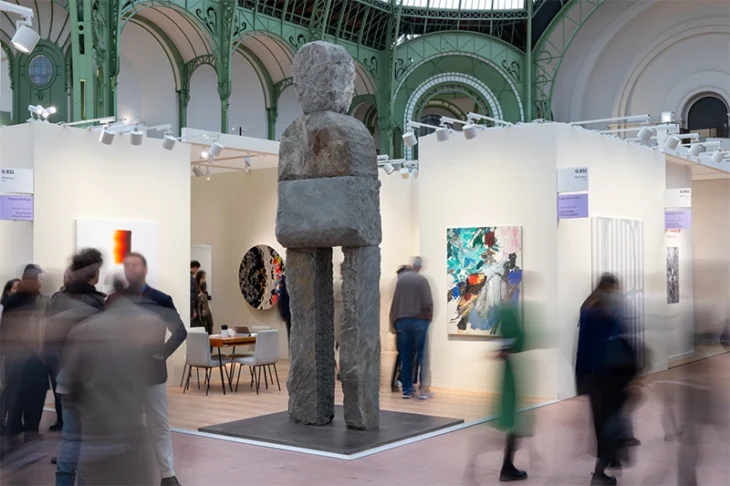
Against that context, the decision to close Art Basel Paris during a period of public protest carries particular significance.
The demonstrations are addressing issues including education, public services and living costs. These concerns directly influence the lives of artists, cultural workers, students and many of the people who sustain the creative industries.
The art world cannot meaningfully discuss inequality within exhibition spaces while treating the conditions that produce it as irrelevant to its institutional responsibilities.
At the same time, legitimate protest must be distinguished from violence. Recent demonstrations have involved serious unrest, and organisers have credible reasons to evaluate threats to visitors and artworks. Reports of planned demonstrations near the Grand Palais and heightened security measures make those concerns substantial.
The difficult question concerns how cultural institutions can protect their communities while maintaining public access and respecting democratic expression.
Art Basel Paris operates at the meeting point of commercial interests, artistic production and public culture. Its influence gives it an opportunity to encourage a broader discussion about those relationships.
The closure provides a particularly visible example of the difficulties facing cultural institutions during periods of political instability. Similar decisions by Parisian museums and galleries demonstrate that these challenges extend across the cultural sector.
Institutions must make practical decisions about safety. They must also consider the economic consequences for independent participants, the loss of access for the general public and the broader political circumstances affecting their communities.
The international art market often promotes contemporary art as a means of understanding society. That ambition carries responsibilities beyond organising exhibitions and facilitating sales.
Art Basel Paris may have sound operational reasons for closing early. The more troubling issue is what the closure reveals about who enjoys access to culture, who bears the financial consequences of disruption, and how closely the art world remains connected to the social realities it regularly explores.
These are questions that will remain relevant long after the Grand Palais reopens.