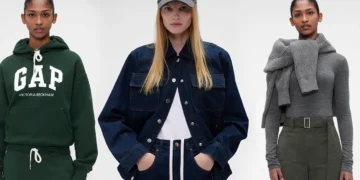



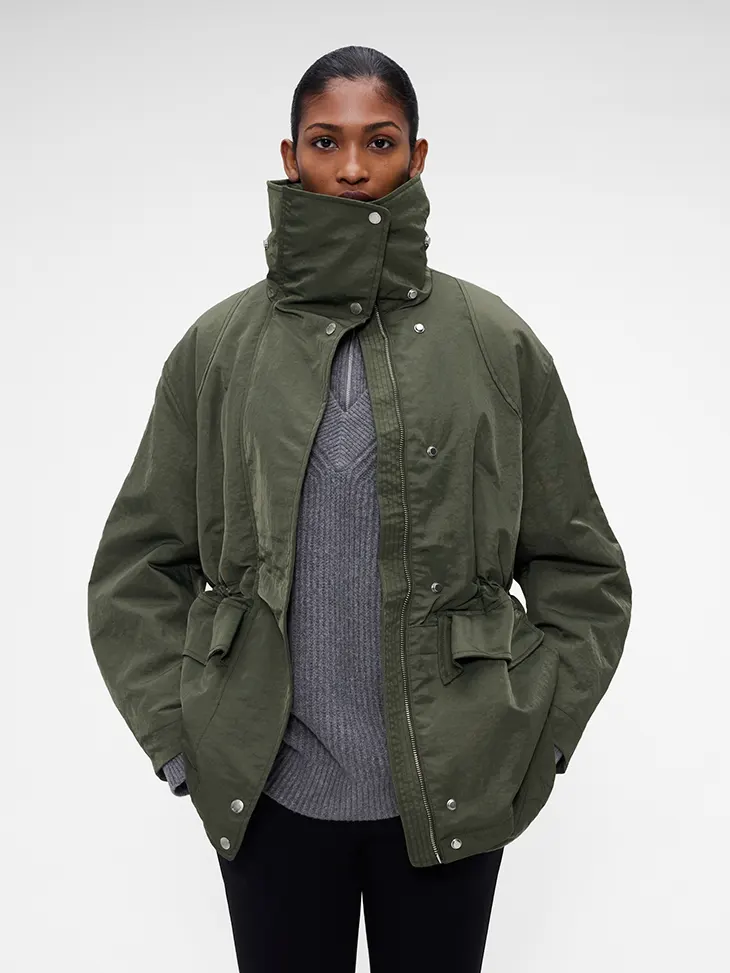
Today, Gap and Victoria Beckham launch their second collection together, a Gap x Victoria Beckham Fall Winter 2026 drop of 37 pieces. It spans cashmere, merino wool and Gap’s signature CashSoft knitwear, statement outerwear, considered tailoring and new takes on denim. Prices run from $28 to $368, and the collection is available on the brand’s web page and in select Gap stores across North America, the United Kingdom, Japan, China, Europe, Australia and the Middle East.
On paper, it is a tidy story: American casualwear heritage meets a British designer with a clear point of view. Look closer, and the collaboration raises a few questions worth asking out loud.
Does the Eponymous Line Need a Gap Sibling?
The first question is the obvious one. Victoria Beckham built her house on tailoring, dresses and denim, positioned as modern luxury, with a Mayfair flagship, ateliers in London and New York, and a presence in more than 230 stores worldwide. Why put the same design language on a Gap label, at a fraction of the price?
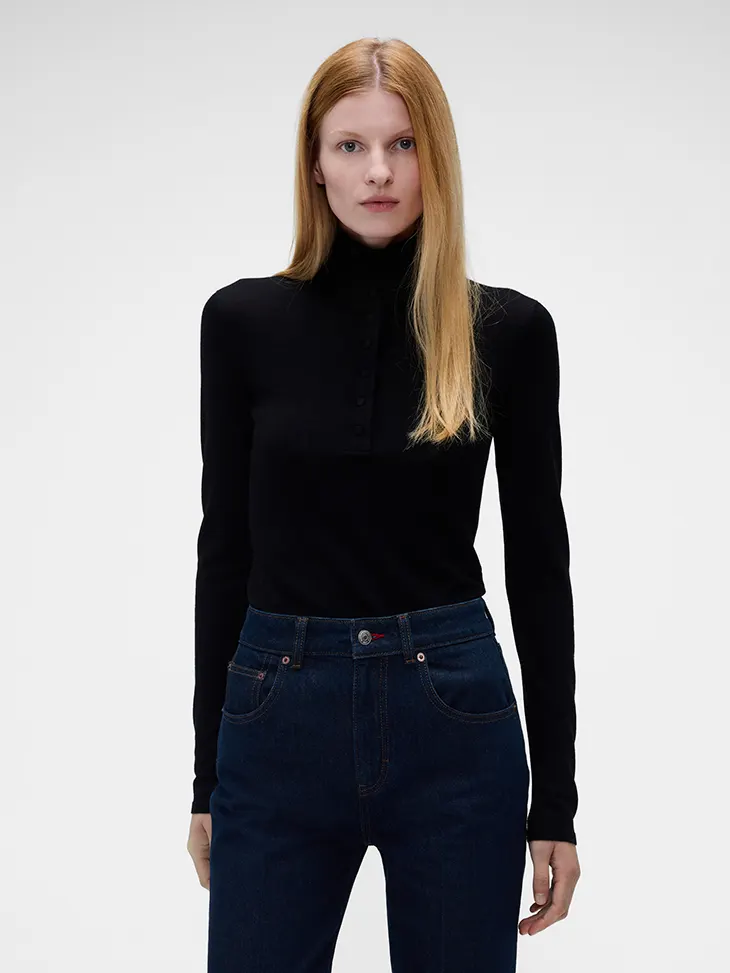
The charitable reading is reach. A $118 pair of high rise straight jeans introduces her silhouettes to a customer who would never spend luxury money on them. The less charitable reading is that the two lines now compete for the same idea, and a shopper who can get the Beckham look at Gap prices has less reason to climb to the main line. A mass collaboration can build a brand, or it can quietly price-check it.
Does America Actually Care About the Beckham Name?
The second question is the market itself. In the United Kingdom, the Beckham name is practically a national institution. In the United States, the picture is more complicated. Her Spice Girls fame and her husband’s Inter Miami years have given the family genuine visibility, yet visibility is not the same as purchasing power. Celebrity recognition and a customer who buys the clothes are two separate things, and the American fashion consumer has historically been more loyal to a product than to a surname.
That is exactly where Gap comes in. The retailer offers distribution, store footprint and an everyday audience that a London atelier cannot reach alone. For Gap, the Beckham name is a halo. For Victoria Beckham, Gap is the American audience she has to borrow. It is a fair trade, and an openly commercial one.
The Price Question
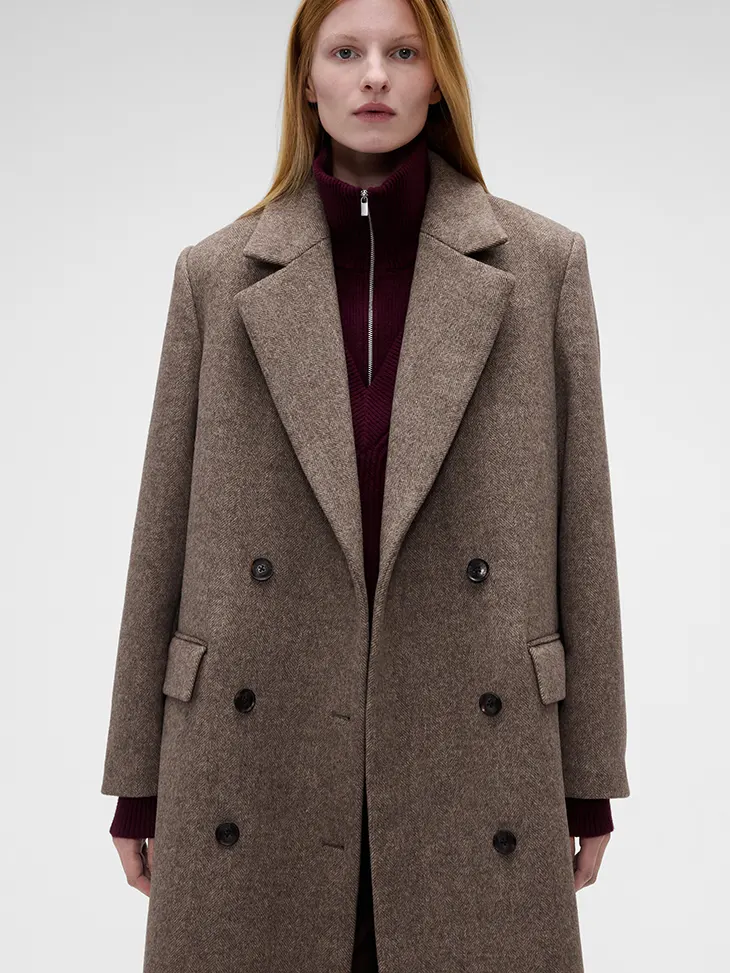
The key pieces tell the story. A Cotton Tuxedo Shirt at $88, a Latch-Collar Denim Jacket at $128, a Wool-Cashmere Zip Sweater at $228, and a Wool-Blend Chesterfield Coat at $368. Those are not impulse numbers, especially at Gap. They sit well above the retailer’s usual territory and land in contemporary pricing, where shoppers compare construction, fabric weight and finish.
That comparison is where the conversation gets uncomfortable. Quality in the eponymous line has drawn plenty of debate when set against its price range, and the question follows the Gap collection too: does a $368 coat deliver the fabric and finish the label implies? A wool blend is not a pure wool, and a name does not make up the difference. The pieces will need to be handled in person before anyone can answer that fairly.
Discover more in our gallery:
Business Move Dressed as a Fashion One
The real answer to why this exists is probably the simplest. A second collection signals that the first one worked, and that both sides saw a deal worth repeating. Victoria Beckham and her team have never been shy about commercial opportunity, and a global rollout across seven markets is a serious revenue stream for a brand that has spent years proving it can sustain itself.
Whether that money funds the next chapter of the main line, or simply keeps the lights on while the Spice Girls tour rumors keep circulating, is a question only the Beckham camp can answer. What we can say is that this collaboration is less about fashion and more about leverage. The clothes are the product, but the brand is the asset, and Gap and Victoria Beckham both know it.
More on Gap on DSCENE.