After 130 years, the Louis Vuitton Monogram remains one of the House’s most defining visual systems. Created in 1896 by Georges Vuitton as a tribute to his father Louis, the Monogram canvas introduced a new visual language for the House. Georges designed the pattern himself, registering a patent for its interlaced LV initials and floral motifs. Drawing from Neo-Gothic ornamentation and Japonism, the canvas followed earlier striped and Damier designs and served a clear purpose from the start. It protected authenticity while establishing a graphic code that quickly defined Louis Vuitton across products and generations.
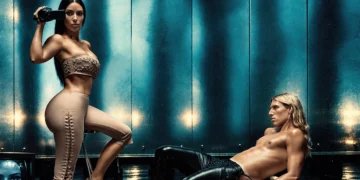
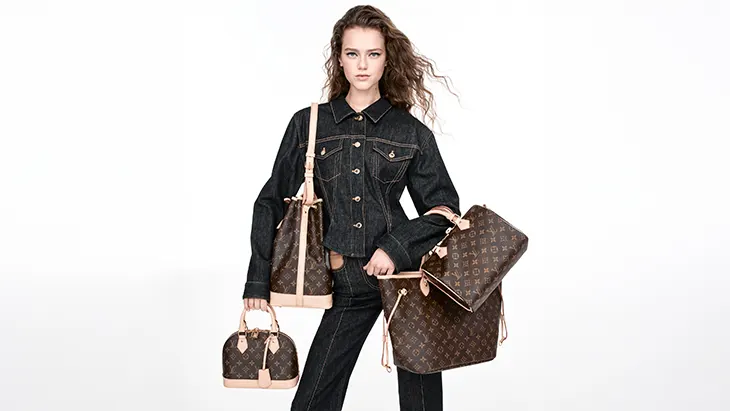
Louis Vuitton opens 2026 by marking 130 years of the Monogram through a global campaign. The focus stays on five core bags presented in Monogram: Keepall, Alma, Speedy, Noé, and Neverfull. Dedicated windows and collections frame the anniversary year, beginning with these designs and continuing through new special-edition releases. Each bag appears with taglines that reintroduce its original function and underline values tied to longevity and transmission.
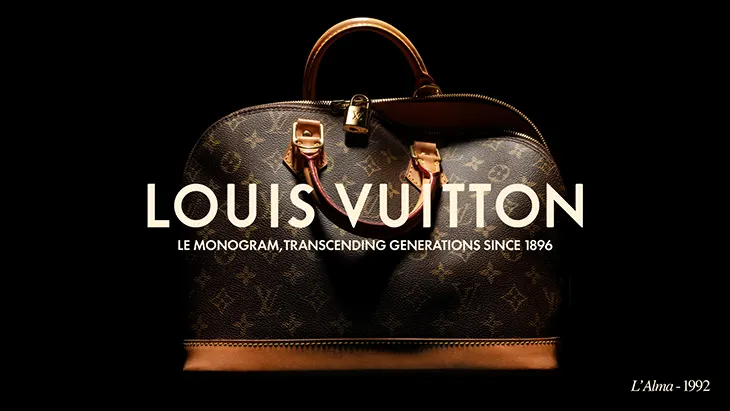
The campaign places the Speedy, Keepall, Noé, Alma, and Neverfull at the center of the narrative. The Speedy and Keepall, both introduced in 1930, reflect ideas of mobility and travel. The Noé, created in 1932 to carry five bottles of champagne, brings a utilitarian origin rooted in creativity. The Alma, launched in 1992, references Parisian architecture through its structured form. The Neverfull, introduced in 2007, answers contemporary needs with scale and versatility.
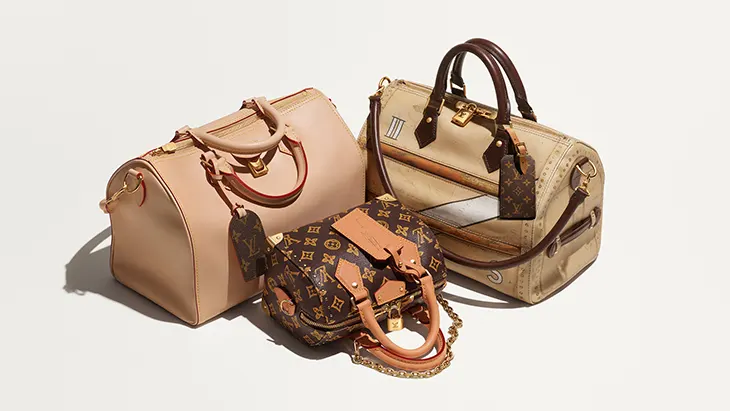
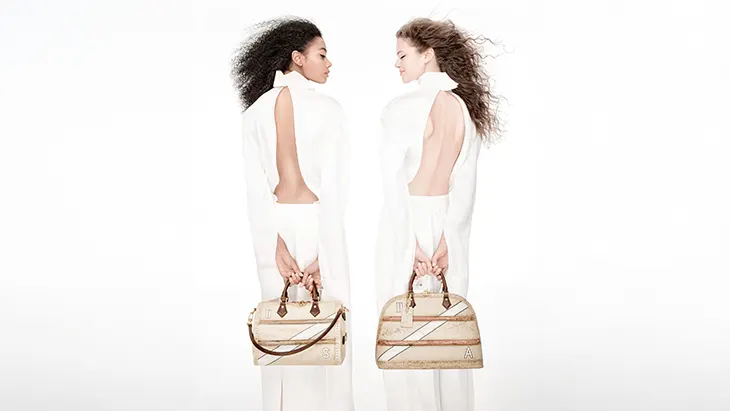
Alongside the icons, Louis Vuitton introduces three anniversary capsule collections. Each draws from a different aspect of the House’s archive while applying updated materials and techniques. The Monogram Origine Collection revisits the first 1896 pattern through a new canvas based on a jacquard weave. Crafted from linen and cotton, it appears in Ebène and four pastel shades inspired by an archival client register cover. The surface carries a satiny finish. Bags include a nametag that functions as a cardholder, featuring a hot-stamped signature taken from the 1867 Flat Trunk patent. The range includes Speedy, Noé, Alma, Neverfull, and several trunk-inspired formats.
The Monogram Origine concept extends into fragrance, where the canvas appears across selected perfume designs. Imagination features the Lin shade, Attrape-Rêves appears in Rose Ruban, and eLVes carries the Bleu Courrier variation. Two travel cases debut alongside the fragrances in Rose Ruban and Bleu Courrier.
The VVN Collection centers on natural vegetable-tanned cowhide, a material used by the House since 1880. The leather appears unprocessed and pale at first, then develops a deeper tone with wear. Artisans handle and cut each hide to preserve its natural character. The collection adapts this leather to familiar shapes, pairing it with Monogram details such as detachable name tags and jacquard linings.
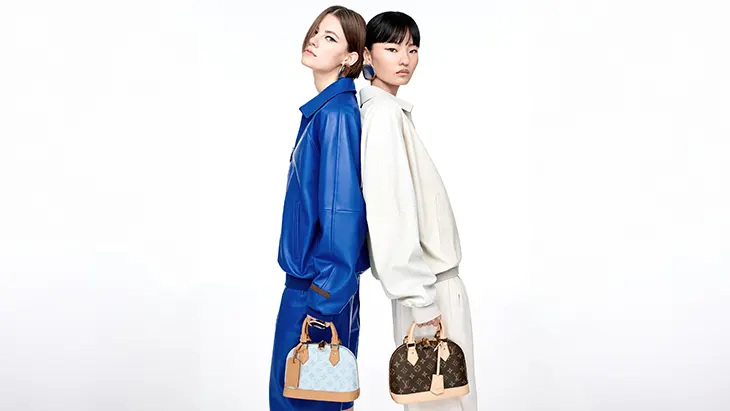
The Time Trunk Collection translates hard-sided trunks into soft bags through trompe-l’œil printing. First shown in 2018 and revisited in 2024, the designs rely on high-definition images of historic trunks captured from every angle. Prints reproduce textures, metal corners, rivets, and leather elements across Speedy 30 Soft, Noé, and Alma GM. Each bag includes a luggage tag marked with its name and creation date, with discreet initials embedded in the print.
Through this anniversary year, Louis Vuitton returns to the Monogram as an active design system. The campaign and collections frame it as a working code that continues to adapt through materials, formats, and use.