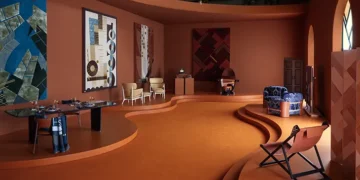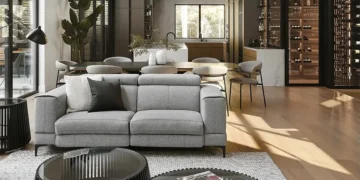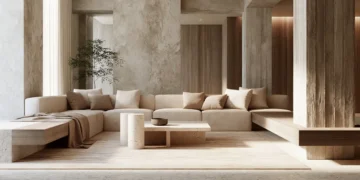



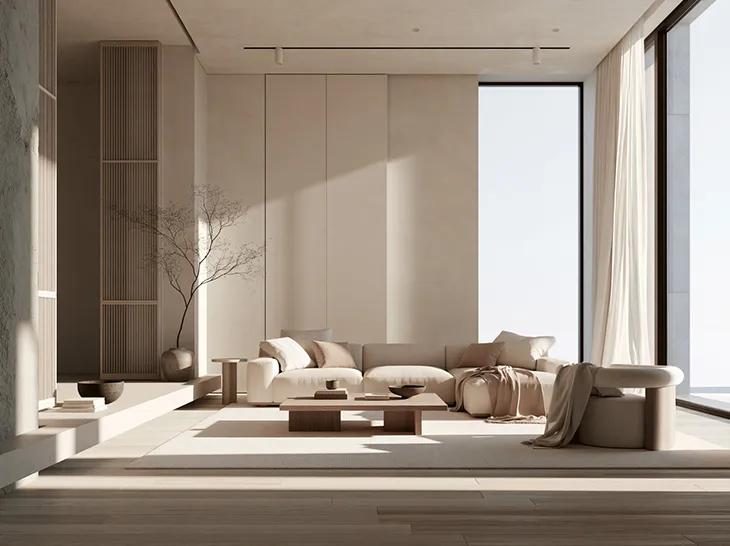
Modern interiors often feel strongest when they balance comfort with visual depth. A well-designed room rarely depends on one large statement piece alone. Instead, the atmosphere comes from layers of lighting, texture, furniture, art, and carefully chosen decorative details.
Layered interiors feel more personal because they reflect how people actually live. Books placed on a coffee table, textured fabrics on seating, soft lighting near a reading chair, and collected objects on shelves all contribute to the character of a room. These details create warmth without making the space feel crowded or overly styled.
Interior design has also shifted toward spaces that feel lived in rather than perfectly arranged. Recent conversations around evolving home aesthetics, including these home interior trends, show how people increasingly value comfort, individuality, and material depth inside modern homes. For layered spaces with sculptural lighting, expressive furniture, and decorative accents, many designers also look to brands such as Arteriors.
Start With a Calm Foundation
Layered interiors work best when the foundation feels balanced. Large furniture pieces, flooring, and wall colors help establish the overall mood of the room. Neutral palettes often create flexibility because they allow texture and decorative accents to stand out naturally.
Warm whites, muted earth tones, soft grays, and natural wood finishes can help a room feel calm without becoming flat. Once the foundation is established, smaller details can add variation and personality.
A balanced foundation also allows lighting and materials to play a stronger role. Stone surfaces, woven fabrics, metal finishes, and sculptural forms become more noticeable when the room itself does not feel visually overwhelming.
Use Lighting to Create Atmosphere
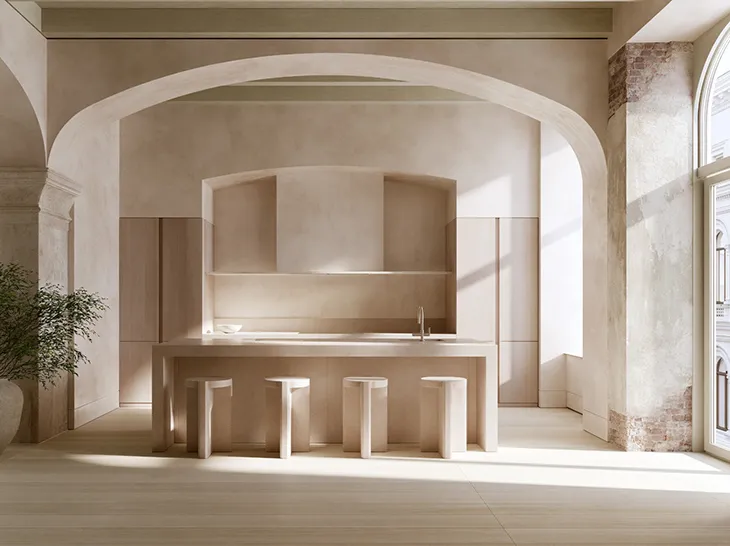
Lighting plays one of the largest roles in layered interiors. It shapes how colors appear, how textures feel, and how comfortable a room becomes throughout the day.
Interior spaces often feel more welcoming when lighting comes from multiple sources instead of one overhead fixture. Table lamps, floor lamps, sconces, and pendants all create different forms of light that add depth to the room.
Educational research into lighting design techniques also shows how layered light can influence comfort, mood, and the perception of space. Thoughtful lighting placement can help interiors feel calmer and more visually balanced. This overview of lighting design techniques explains how layered lighting changes the way people experience interior environments.
Soft lighting also helps materials feel richer. Wood grain appears warmer, fabrics feel softer, and decorative objects gain more visual presence under balanced light.
Let Texture Shape the Space
Texture is often what separates a flat interior from one that feels layered and refined. Even simple rooms can feel visually rich when different materials work together naturally.
A woven chair beside a smooth stone table creates contrast. Linen curtains can soften sharp architectural lines. Ceramic objects, textured rugs, and natural wood surfaces all contribute to a room that feels more inviting.
The goal is not to fill the room with many materials. Instead, layering works best when textures complement one another. Too many competing finishes can make the space feel busy instead of calm.
Texture also supports comfort. People tend to respond positively to spaces that include soft fabrics, natural materials, and visual warmth. Research exploring the relationship between art, space, and interior environments also highlights how physical surroundings influence emotional experience inside the home. This educational discussion on interior environments explores how thoughtful design shapes the way people connect with spaces emotionally.
Add Statement Pieces With Purpose
Layered interiors often include a few focal points that guide the eye through the room. This could be a sculptural light fixture, an oversized mirror, a textured cabinet, or a striking piece of artwork.
Statement pieces work best when they feel connected to the rest of the space. A dramatic fixture may stand out more effectively in a calm room than in one already filled with bold patterns and competing objects.
Scale matters as well. Large rooms often benefit from stronger focal points because they help anchor the space visually. Smaller rooms may feel more balanced with fewer but carefully chosen accents.
Many contemporary interiors now blend sculptural furniture and artistic décor with practical daily use. Design publications regularly explore how these layered combinations influence modern living spaces, including recent conversations around creative lighting upgrades for interiors that balance atmosphere with functionality.
Balance Open Space With Decorative Detail
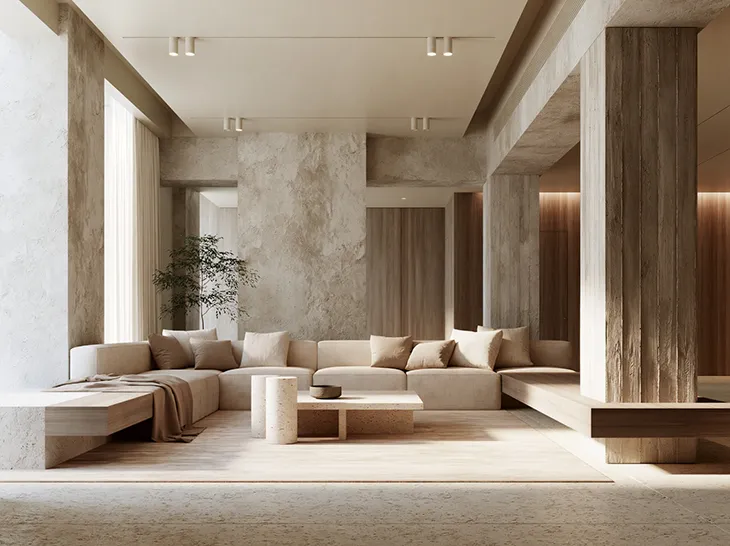
One common mistake in interior styling is adding too many objects without leaving enough visual space around them. Layered interiors still need balance and openness.
Shelves, consoles, and coffee tables should not feel overcrowded. Decorative pieces become more noticeable when they have room to stand on their own. A vase beside stacked books or a single sculptural object on a console often creates a stronger effect than many smaller pieces grouped tightly together.
Open space also helps interiors feel calm. It gives the eye moments to rest and allows textures, lighting, and furniture forms to stand out more naturally.
This balance between detail and restraint often defines interiors that feel refined rather than overdesigned.
Let Personal Style Guide the Room
The most memorable interiors often feel personal because they reflect the people who live there. Collected objects, travel finds, favorite books, artwork, or meaningful furniture pieces can all help create identity within the space.
Layered interiors do not need to follow strict design rules. Some homes mix modern lighting with vintage furniture. Others pair clean architecture with soft organic materials. The combination becomes successful when the room feels intentional and comfortable.
Personal style also develops over time. Rooms often feel more authentic when pieces are added gradually rather than purchased all at once.
This slower approach helps interiors feel collected instead of staged.
Create Flow Between Spaces
Layered interiors work best when rooms feel visually connected. Repeating materials, tones, or lighting styles throughout the home creates consistency without making spaces appear identical.
For example, similar metal finishes may appear in lighting fixtures, cabinet hardware, and decorative accents across several rooms. Natural wood tones can repeat between furniture pieces. Soft neutral colors can carry from one area into the next.
Flow helps the entire home feel cohesive and easier to experience. It also supports a calmer atmosphere because transitions between rooms feel natural instead of abrupt.
Focus on Atmosphere Over Perfection
The strongest interiors rarely feel perfect in a rigid sense. Instead, they feel comfortable, expressive, and balanced. Layering allows homes to feel more human because it introduces warmth, texture, and personality into the space.
Lighting, materials, decorative objects, and furniture all contribute to this atmosphere. When these elements work together thoughtfully, interiors gain depth without feeling overly complicated.
A layered room encourages people to slow down, notice details, and spend more time enjoying the space around them.