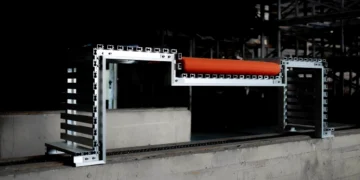





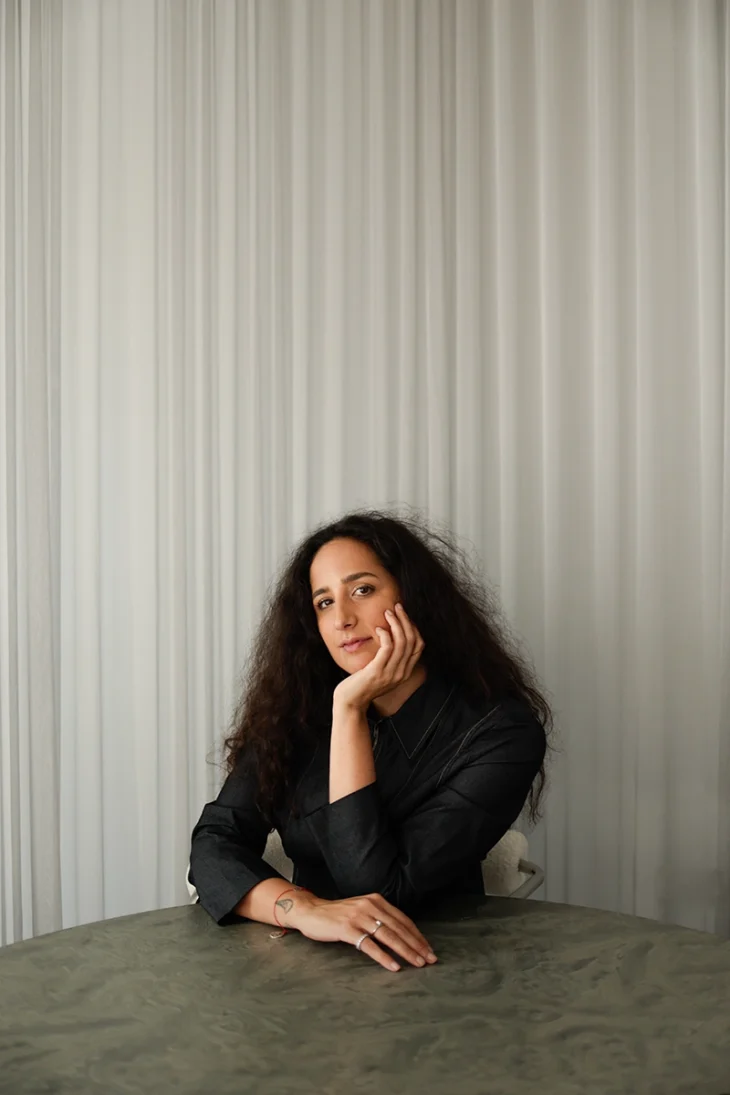
Studio Christine Kalia operates at the intersection of architecture, interiors, and object design, where each piece begins with material and expands into space. Founded by Christine Petrou, the practice approaches design through an ecocentric lens, working with found elements, deadstock, and industrial remnants to construct objects that hold both physical presence and narrative weight. These pieces do not sit as isolated products. They act as spatial devices, shaping how the body moves, pauses, and interacts within an environment. The work often exists in a state of suspension, grounded in material reality while suggesting something more speculative, almost atmospheric.
ORDER IN PRINT AND DIGITAL
In this conversation with editor Borislav Utjesinovic, Petrou reflects on the role of pressure in shaping her process, from environmental responsibility to the constraints and opportunities embedded in material selection. She speaks about Mission Seating, her ongoing exploration of modular systems, and the decision to transform industrial aluminum offcuts into structural forms. The discussion moves through questions of durability, authorship, and transformation, focusing on how objects can carry traces of their previous life while adapting to new contexts.
The theme of this issue is Design Under Pressure. In your work, does pressure come more from environmental responsibility, material constraint, or aesthetic expectation? – Pressure in my work rarely comes from a single source, it’s more of a convergence. Environmental responsibility sets the ethical baseline, material constraints shape the process, and aesthetic expectations are what ultimately communicate the work outward. If one dominates, the project feels unbalanced. So I tend to treat pressure not as a limitation, but as a framework that forces clarity in decision-making.
I tend to treat pressure not as a limitation, but as a framework that forces clarity in decision-making.
You describe your studio as operating between architecture, interiors, and product design. How does that spatial fluidity influence the way objects relate to the body? – Operating between architecture, interiors, and product design allows me to think of objects less as isolated elements and more as extensions of spatial experience. This fluidity makes me consider how a piece meets the body not just physically, but atmospherically, how it supports, restricts, or frames movement. Objects become micro-architectures, negotiating intimacy, scale, and posture simultaneously.
Your approach is ecocentric, yet visually refined. How do you reconcile opulence with responsibility without slipping into contradiction? – I don’t see opulence and responsibility as inherently contradictory. Opulence, to me, is not excess, it’s depth of experience, richness in material narrative, and precision in execution. When responsibility is embedded in sourcing and process, refinement becomes a way of honoring the material rather than exploiting it. The tension is productive, not problematic.
Objects become micro-architectures, negotiating intimacy, scale, and posture simultaneously.
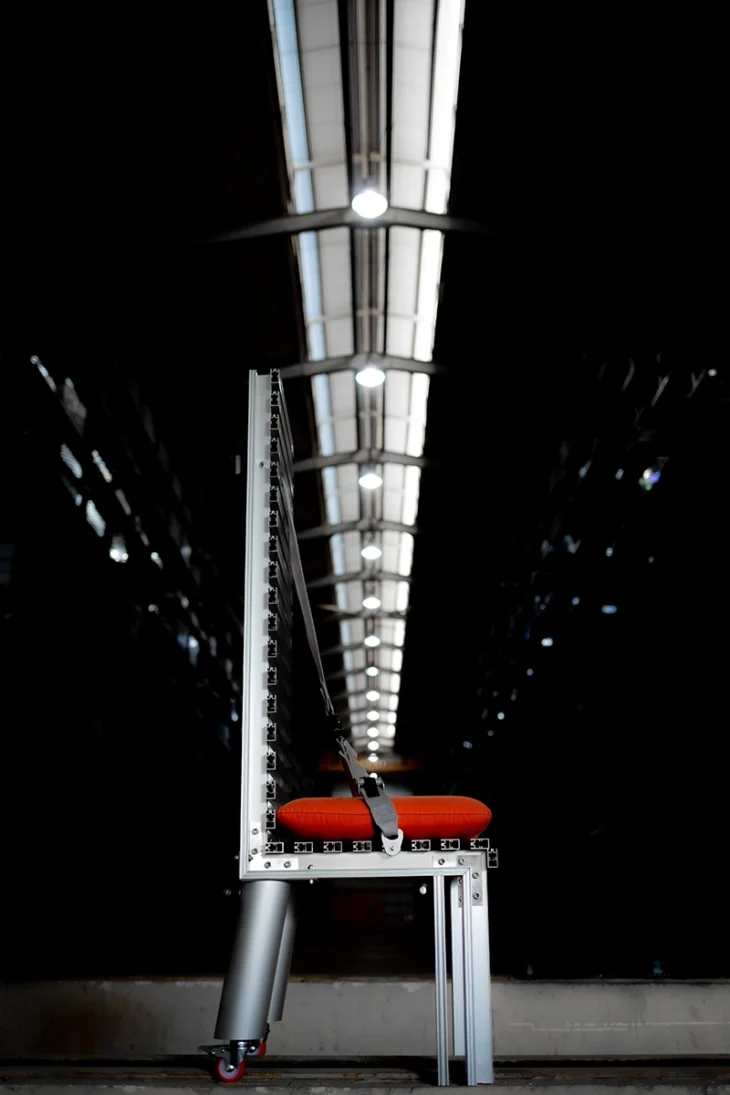
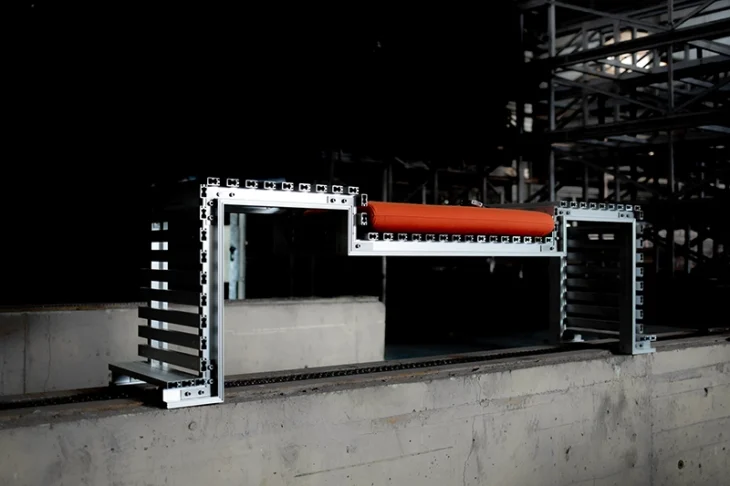
Mission Seating transforms industrial aluminum offcuts into structural seating. Was the decision driven by material availability, sustainability logic, or conceptual intent? – Mission Seating emerged from all three drivers simultaneously. The availability of aluminum offcuts triggered the exploration, sustainability gave it urgency, and the conceptual layer, working with a material already shaped by industry, gave it meaning. The decision wasn’t linear; it was an alignment of opportunity and intention.
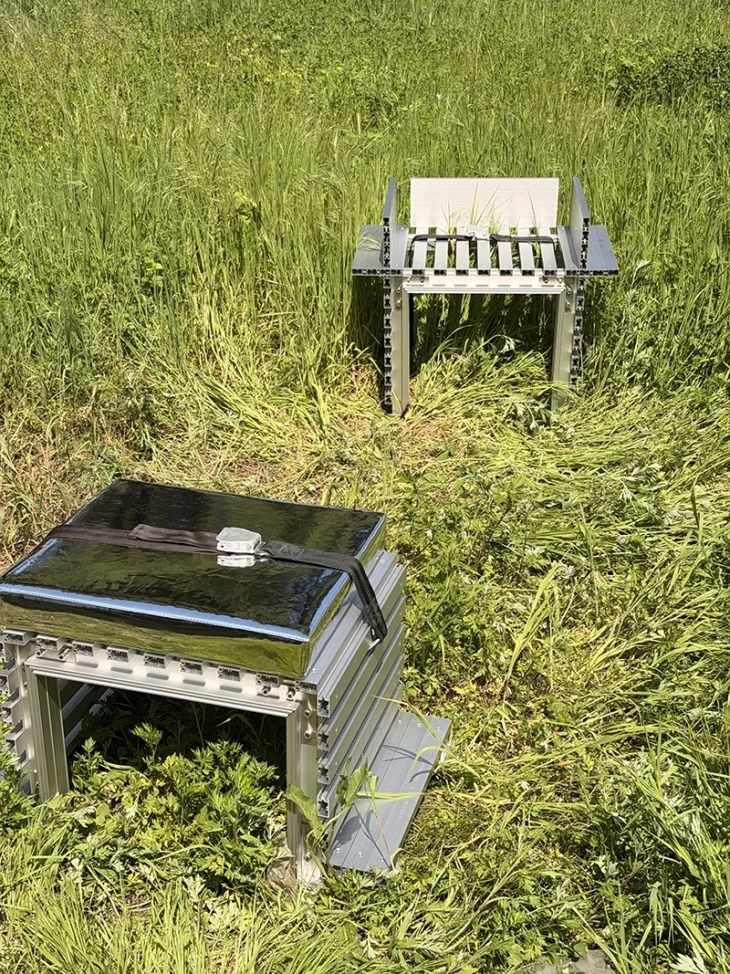
The act of “buckling in” references astronauts preparing for the unknown. What does this gesture say about contemporary living? – The gesture of “buckling in” reflects a subtle shift in how we inhabit the present. There’s a sense that we are constantly preparing, for instability, for acceleration, for the unknown. It speaks to a kind of quiet anxiety embedded in contemporary life, but also to readiness and adaptability. The object becomes both protective and anticipatory.
There’s a sense that we are constantly preparing, for instability, for acceleration, for the unknown.
You often reshape found or discarded materials into domestic objects. Do you see this as reclamation, reinterpretation, or resistance? – It’s all three: reclamation, reinterpretation, and resistance. Reclamation acknowledges value, reinterpretation gives it new language, and resistance challenges the systems that deemed it disposable in the first place. I’m interested in how these layers coexist rather than choosing one over the others.
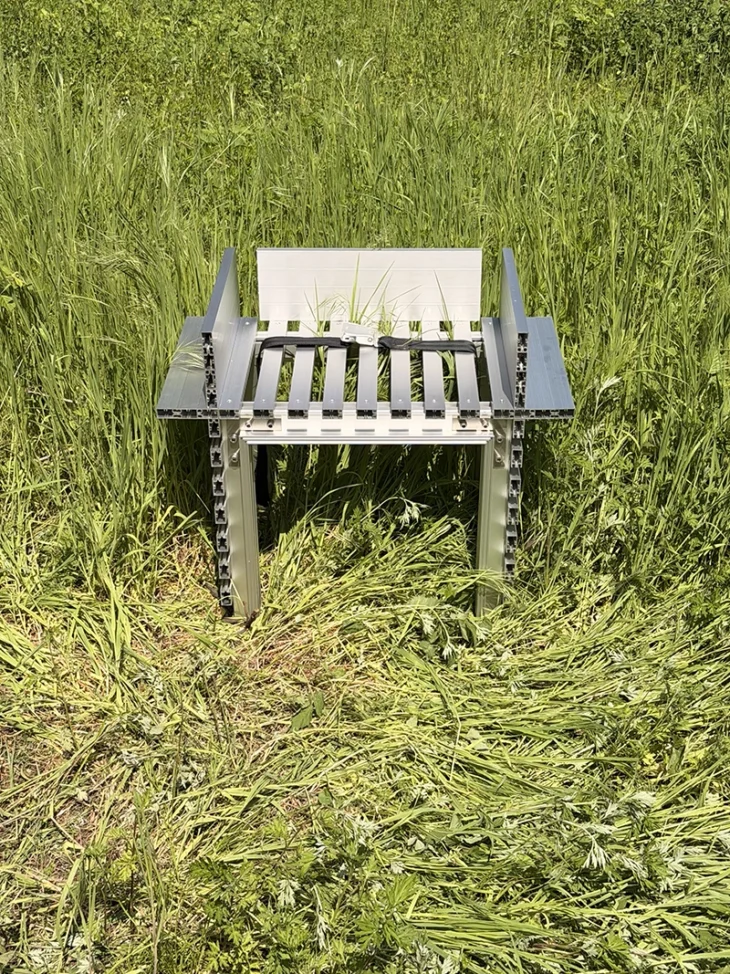
Modular systems promise longevity. In a culture of constant replacement, how do you design for durability without sacrificing emotional attachment? – Durability isn’t only about physical longevity, it’s about relevance. Modular systems allow objects to evolve alongside users, which helps sustain attachment. I try to design pieces that invite interaction, reconfiguration, and even imperfection over time. Emotional durability comes from participation, not just permanence.
I’m interested in that threshold where an object feels both familiar and slightly estranged.
Mission Seating was presented at Alcova Miami. How did the context of Miami River Inn affect how the work was perceived? – Presenting at the Miami River Inn introduced a layered dialogue between the work and its environment. The site carries a sense of transience and historical accumulation, which echoed the material narrative of the pieces. The contrast between the refined objects and the textured, almost cinematic setting heightened their ambiguity and invited slower reading.
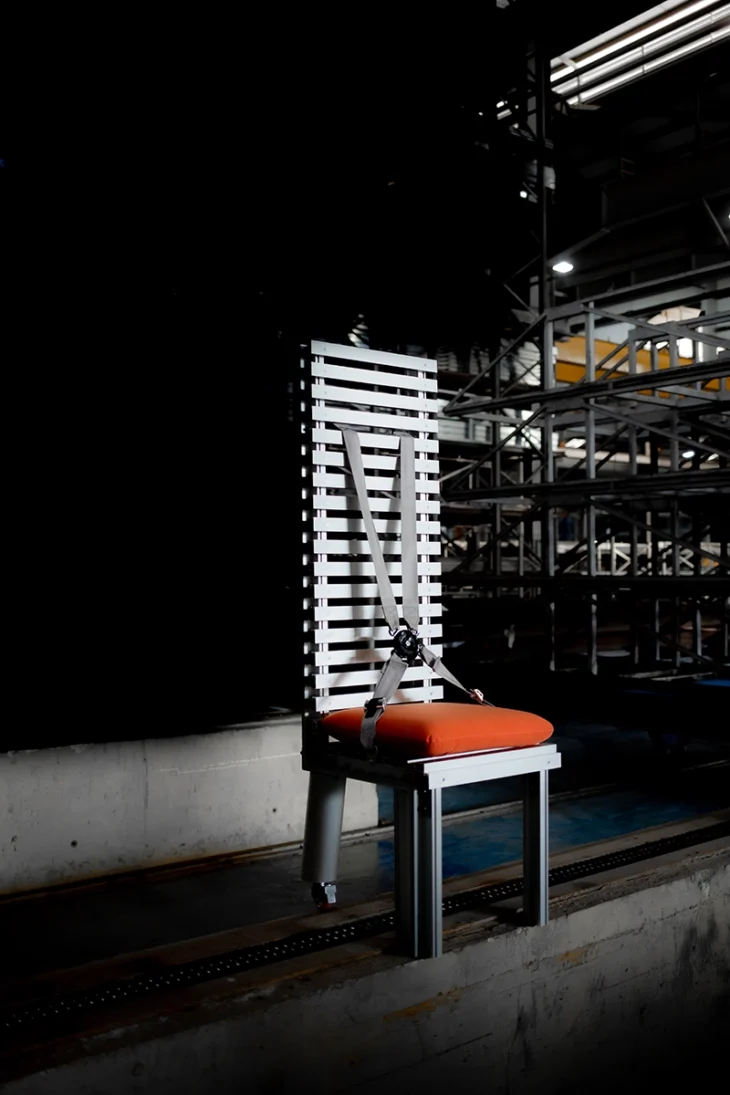
Your pieces feel suspended between reality and daydream. How intentional is this ambiguity? – The ambiguity is very intentional. I’m interested in that threshold where an object feels both familiar and slightly estranged. It creates space for projection, for the viewer to complete the narrative. That suspension between reality and daydream is where the work becomes most active.
It’s about carrying forward a trace without being bound by it.
When working with repurposed materials, where do you draw the line between honoring their previous life and fully transforming them into something new?– The line is never fixed. Sometimes the previous life of a material is legible and essential to the piece; other times it dissolves almost completely. What matters is that the transformation is respectful, not nostalgic, but aware. It’s about carrying forward a trace without being bound by it.



cyprus represent! I love this girl! i saw her work at Alcova in Milano! Bravo bravo