


There is a strange problem developing at Balenciaga. Every new release asks us to reconsider what the house currently stands for, and the answer keeps getting harder to find.
The latest Balenciaga x SEGA collaboration makes that problem particularly visible. Announced on September 15, the project includes ready-to-wear and merchandise featuring SEGA and Sonic the Hedgehog graphics. Hoodies, T-shirts, caps and a varsity jacket carry the gaming imagery, while Balenciaga’s Aoyama flagship in Tokyo receives vintage SEGA Blast City arcade machines, including a playable Sonic the Fighters.
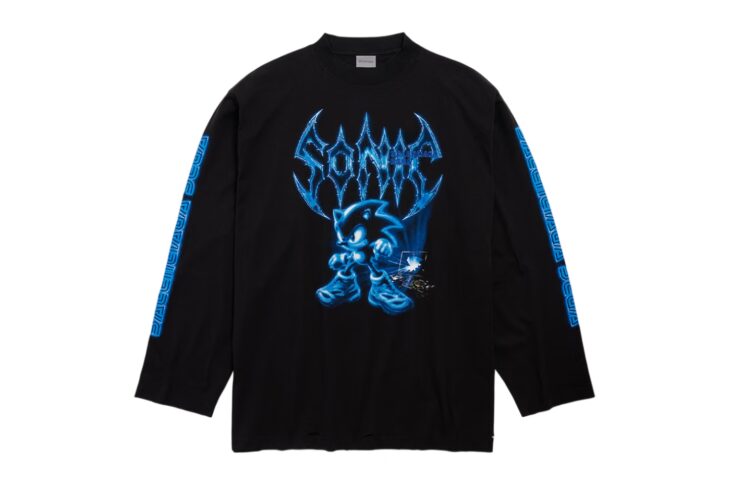
As a commercial proposition, the collaboration makes sense. Gaming has an enormous audience, Sonic carries instant recognition, and Balenciaga already has a history of engaging with gaming culture. The problem concerns what the collaboration communicates about Balenciaga now.
It feels like an idea inherited from a version of the house that no longer exists. Pierpaolo Piccioli has inherited one of fashion’s most difficult jobs. Kering appointed him creative director in May 2025, following a decade in which Demna transformed Balenciaga into a cultural force whose influence extended far outside fashion.
Sonic can run very fast. Balenciaga, at the moment, appears to be running in circles.
Demna understood provocation as part of the product. An oversized hoodie, an absurdly proportioned sneaker or an unexpected collaboration rarely existed as an isolated object. They belonged to a larger system of irony, celebrity, internet culture, social observation and deliberate discomfort. You could dislike Balenciaga and still understand exactly what it was doing.
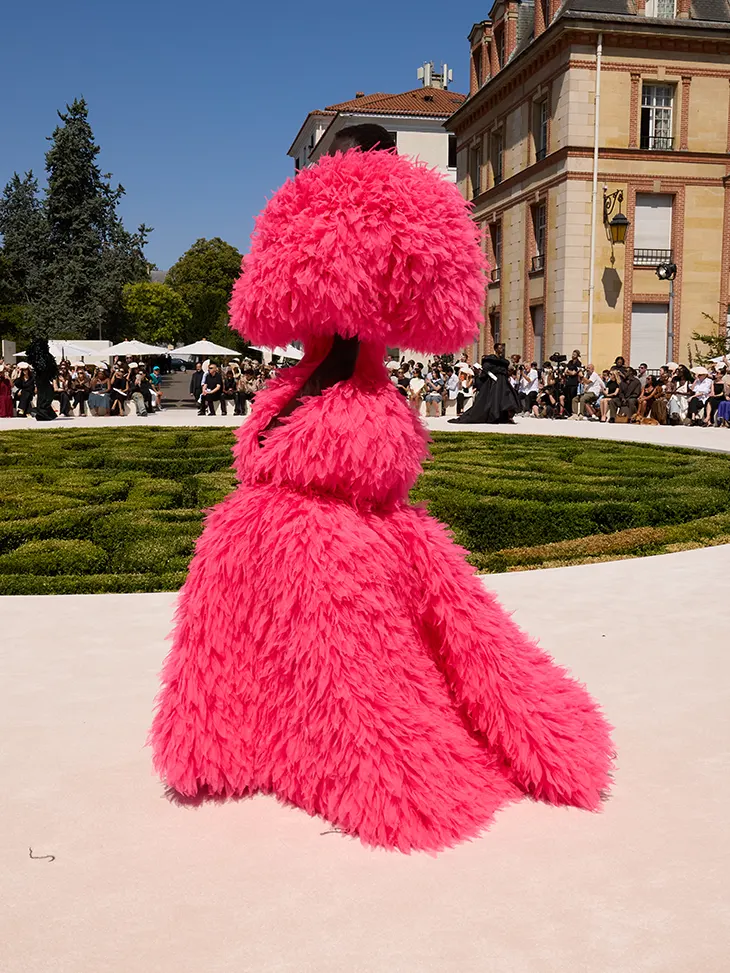
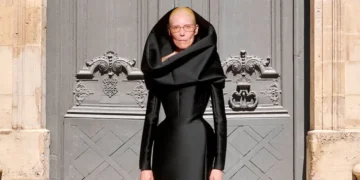
That clarity has disappeared. The temptation would be to blame Piccioli. That feels too easy, and probably inaccurate. His years at Valentino established exactly what he does exceptionally well: couture, color, proportion, emotion and an unusually human approach to grandeur. Balenciaga itself hired him citing his couture expertise and distinctive creative voice. His first Balenciaga couture collection this July offered some of the clearest evidence that the appointment can work when he has room to operate within his own vocabulary. Critics responded strongly to his use of Cristóbal Balenciaga’s volumes, saturated color and couture technique.
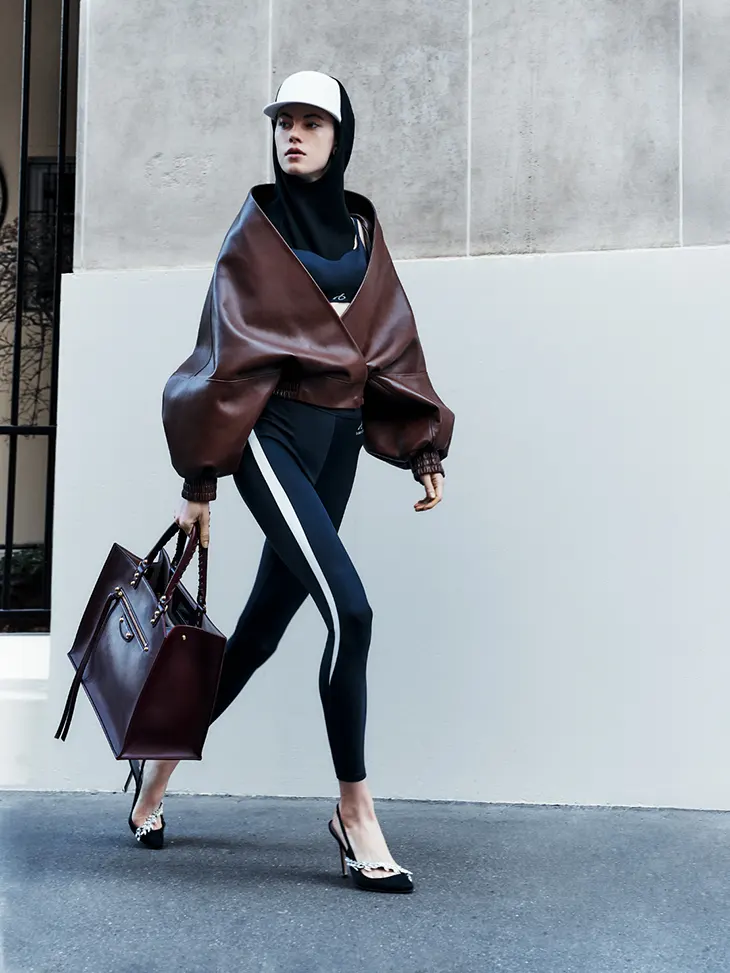
Ready-to-wear has proved far less convincing. For Fall 2026, Piccioli spoke about combining techwear with couture and keeping the body central to his approach. The collection retained hoodies, oversized sportswear and sneakers associated with recent Balenciaga while introducing his own ideas about tailoring and couture. By his second runway show, he openly discussed portraying the existing Balenciaga community, and the collection amplified the youth-oriented vocabulary established during Demna’s tenure.
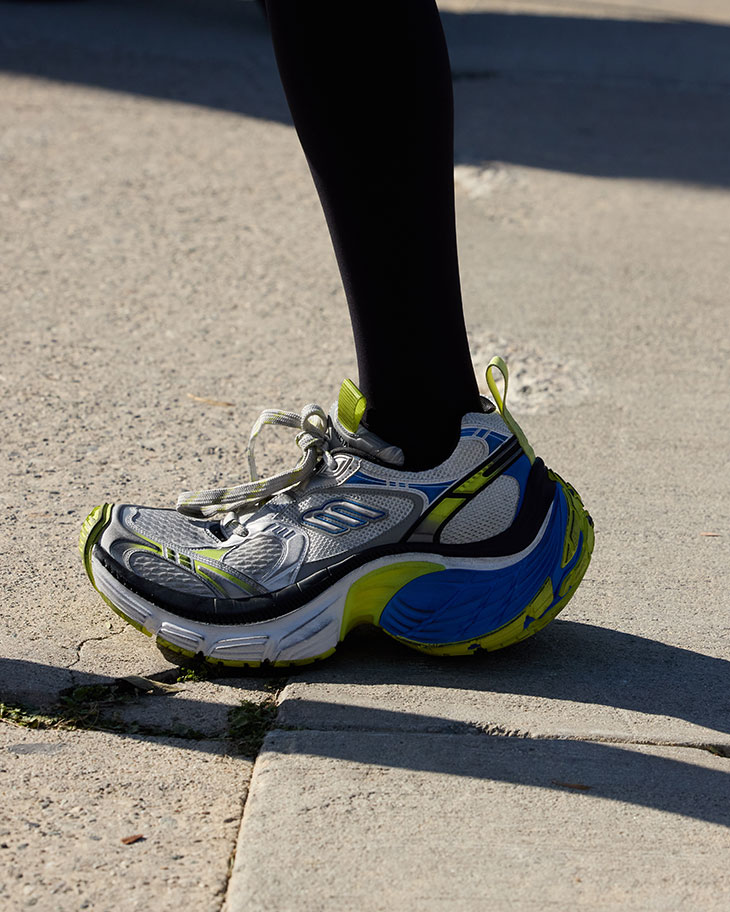
That may explain why the house currently feels caught between two authors. We cannot know how much of this direction comes from Piccioli and how much comes from Balenciaga’s commercial strategy. There is no public evidence that Kering is instructing him to reproduce Demna’s formula. Yet the output creates that impression: Piccioli’s own sensibility appears alongside familiar codes of distressed hoodies, exaggerated sneakers, pop-cultural partnerships and internet-ready products.
The result lacks the conviction of either direction. The Sonic pieces illustrate it perfectly. A distressed oversized hoodie with Sonic graphics would have fitted easily into the Balenciaga vocabulary of several years ago. In 2026, under a designer whose greatest strength lies somewhere entirely different, it reads like an attempt to preserve the mechanics of the previous era without the cultural tension that originally gave those mechanics meaning. The collaboration feels commercially assembled where earlier Balenciaga projects often felt capable of starting an argument.
And that is the larger issue. Balenciaga under Demna had cultural relevance because it understood its moment with unnerving precision. It could be ridiculous, irritating, funny, ugly or brilliant, sometimes simultaneously. What mattered was that it generated a reaction and frequently anticipated how fashion, celebrity and the internet would speak to one another.
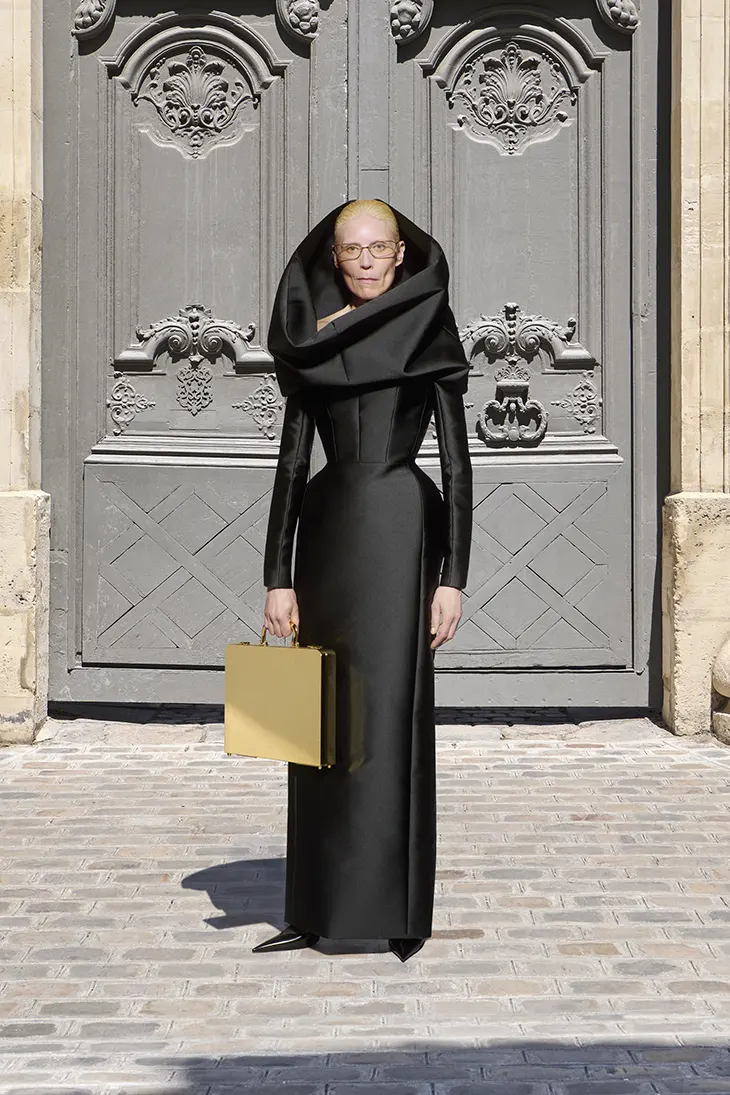
Post-Demna Balenciaga cannot simply reproduce that formula indefinitely. Piccioli deserves the opportunity to make Balenciaga genuinely his. His couture suggests there is a compelling version of that house waiting to emerge. It may involve Cristóbal’s architecture, Piccioli’s understanding of the body and a different definition of contemporary luxury. It does not need to impersonate Valentino, and it does not need to keep cosplaying Demna-era Balenciaga either.
Right now, the house seems afraid to fully leave one identity and unwilling to fully enter another. The SEGA collaboration makes that indecision difficult to miss. Sonic can run very fast. Balenciaga, at the moment, appears to be running in circles.