


Elizabeth Holmes has already inspired books, podcasts, documentaries, and an entire television series. Apparently, we’re still not done trying to figure her out.
MOVIES
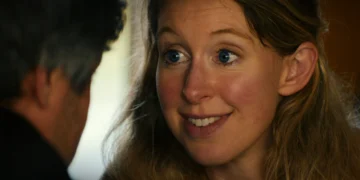
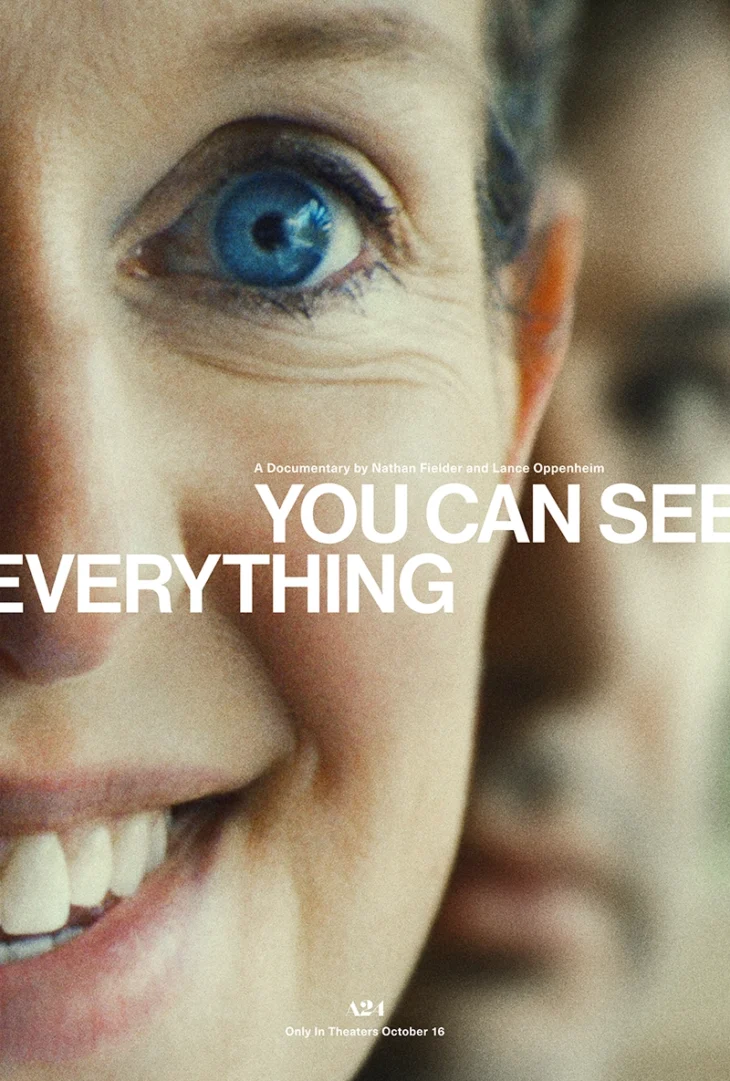
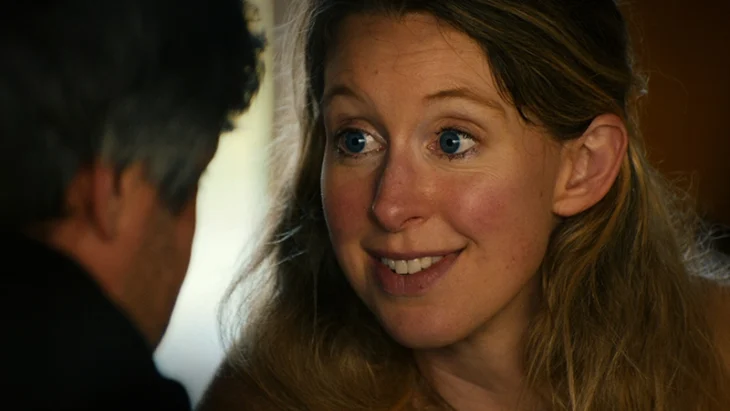
Now comes You Can See Everything, a documentary from Nathan Fielder and Lance Oppenheim, which follows the former Theranos founder shortly before she begins her prison sentence. The woman who convinced some of Silicon Valley’s most powerful people to believe in revolutionary blood-testing technology meets the filmmaker who can turn an ordinary conversation into a psychological experiment. What could possibly go wrong?
Before heading to the cinema, we’ve put together five essential steps to prepare yourself.
1. Find a Black Turtleneck.
Preferably Several.
Every self-respecting Silicon Valley visionary needs a uniform. Steve Jobs had his Issey Miyake turtlenecks. Elizabeth Holmes had hers, accompanied by red lipstick, blonde hair, and a famously deep voice.
The wardrobe was part of a carefully constructed image that suggested intelligence, authority, and a schedule far too important for choosing outfits.
Before watching, consider how easily personal style can become a substitute for personality. A black turtleneck might make you look like a genius. Unfortunately, it won’t make your technology work.
2. Practise Saying Something Ridiculous
With Absolute Confidence
Stand in front of a mirror and announce that you’ve invented a machine capable of diagnosing every disease using a single tear.
Don’t smile. Don’t explain how it works. Just maintain eye contact and mention that you’re changing the world.
Congratulations. You’re ready for your first venture capital meeting.
Theranos promised to revolutionise blood testing using tiny blood samples, attracting enormous investment and international attention before its technology and business claims came under scrutiny.
Remember that confidence is an excellent presentation skill. Scientific evidence remains preferable.
3. Watch Nathan Fielder Until
You Forget How Normal People Behave
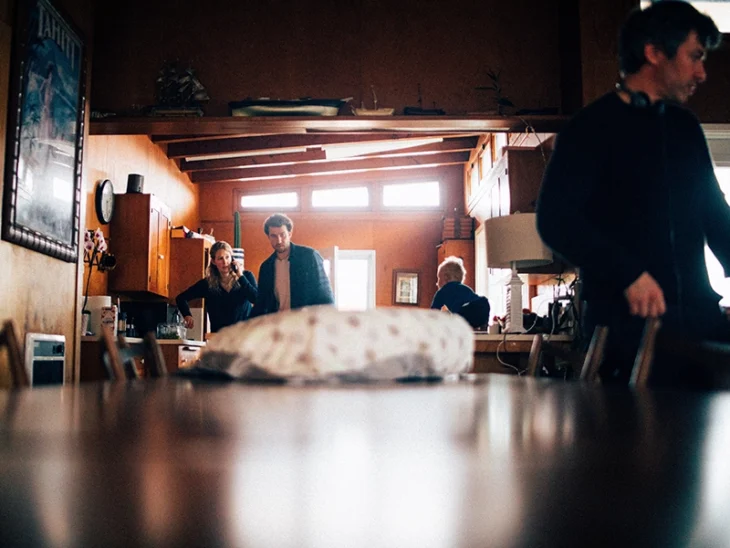
If you’ve seen Nathan for You or The Rehearsal, you already know that Nathan Fielder has a special talent for making everyday situations deeply uncomfortable.
His work explores the strange things people do when they’re being watched, particularly when the boundaries between sincerity and performance become difficult to identify.
Now imagine placing Elizabeth Holmes, whose public image has been examined for years, in front of his camera.
The result sounds like an unusually elaborate social experiment. Prepare to question every pause, smile, and seemingly spontaneous conversation.
4. Ask Yourself Whether You
Would Have Invested in Theranos
It’s easy to look back and insist you would have recognised the warning signs.
Naturally, you would have demanded evidence. You would have questioned the technology. You definitely wouldn’t have been impressed by the famous investors, magazine covers, or enormous company valuation.
Right?
The uncomfortable part of the Theranos story is how many experienced and influential people accepted its promises.
Perhaps the real question isn’t how Holmes convinced everyone else. It’s whether we recognise the same mechanisms of persuasion when they’re happening in front of us.
Be careful with your answer. Hindsight is an extremely convenient form of intelligence.
5. Remember That Documentary
Cameras Are Not Lie Detectors
The title You Can See Everything makes an intriguing promise. But can you?
A camera can enter someone’s home, record their conversations, and follow their daily routine. None of this guarantees access to their intentions.
Documentaries are shaped by the people who appear in them and the filmmakers who decide what audiences ultimately see.
Holmes has spent years at the centre of debates about credibility, image, and deception. Watching her in an intimate setting may challenge your assumptions, but sympathy and evidence are two very different things.
So arrive with an open mind, a basic understanding of the Theranos case, and a little skepticism about your own ability to recognise the truth.
And if you leave the cinema absolutely convinced you’ve finally figured Elizabeth Holmes out, perhaps revisit Step Two.