




At 91, British architect Norman Foster has designed his first wristwatch, collaborating with LEBOND on a Swiss mechanical timepiece that brings his approach to architecture into a considerably smaller format. Known for some of the world’s most recognisable contemporary buildings, Foster now applies his interest in engineering, structural design and materials to an object intended for everyday wear.
WATCHES
Foster is one of Britain’s most influential architects and received the prestigious Pritzker Architecture Prize in 1999. His best-known projects include London’s Gherkin, Berlin’s Reichstag dome and Apple’s headquarters in California.


The collaboration brings Foster together with LEBOND, a Barcelona-based watch company founded by architect Asier Mateo. The brand works with leading architects to create Swiss-made timepieces that reflect their individual design philosophies, bringing architectural ideas into watchmaking.
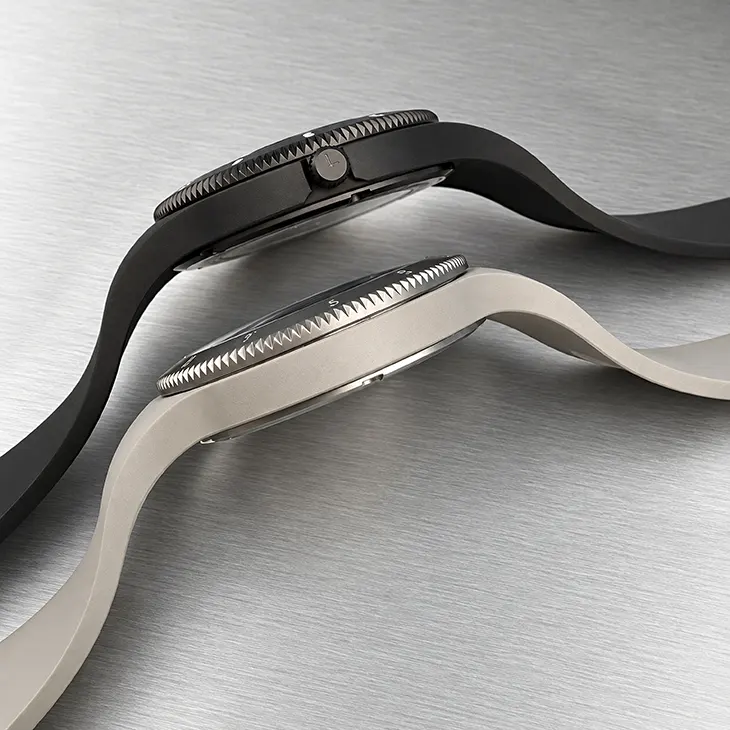
For this project, Foster worked with the Norman Foster Foundation’s Innovation and Design Unit, approaching the watch through the relationship between its individual components. The team questioned conventional construction methods and developed a design that removes traditional lugs, allowing the strap to continue directly from the case. “A watch is also intensely personal. It is something that travels with you and becomes part of everyday life,” Foster explains.
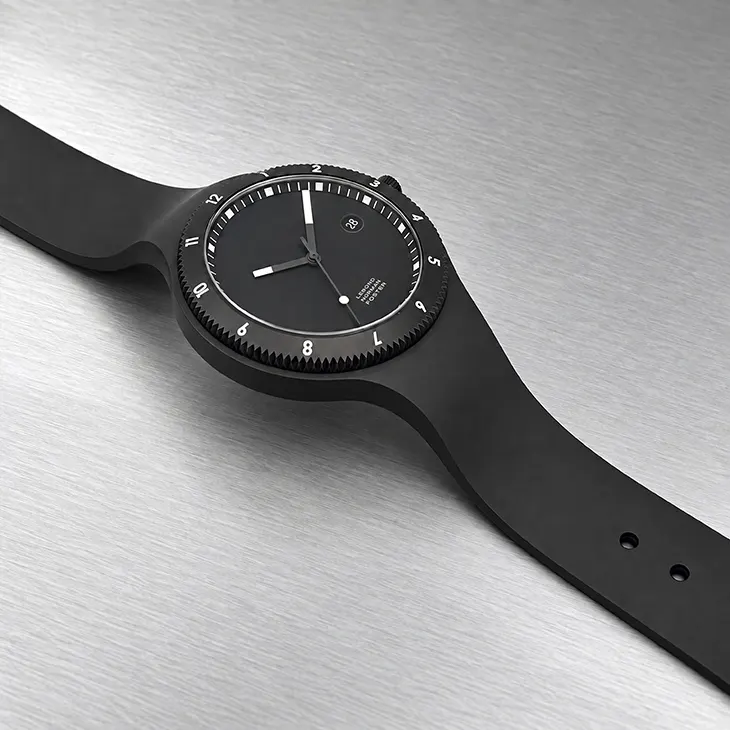
The resulting integrated system creates a continuous profile around the wrist. It also allows owners to interchange straps and explore different combinations of colours, materials and finishes, with additional configurations planned for future release.
The Grade 5 titanium case measures 38.5 mm in diameter, extending to 40 mm where it connects with the strap. Its 10 mm thickness maintains compact proportions, while a domed sapphire crystal protects the dial. The watch offers water resistance up to 50 metres.
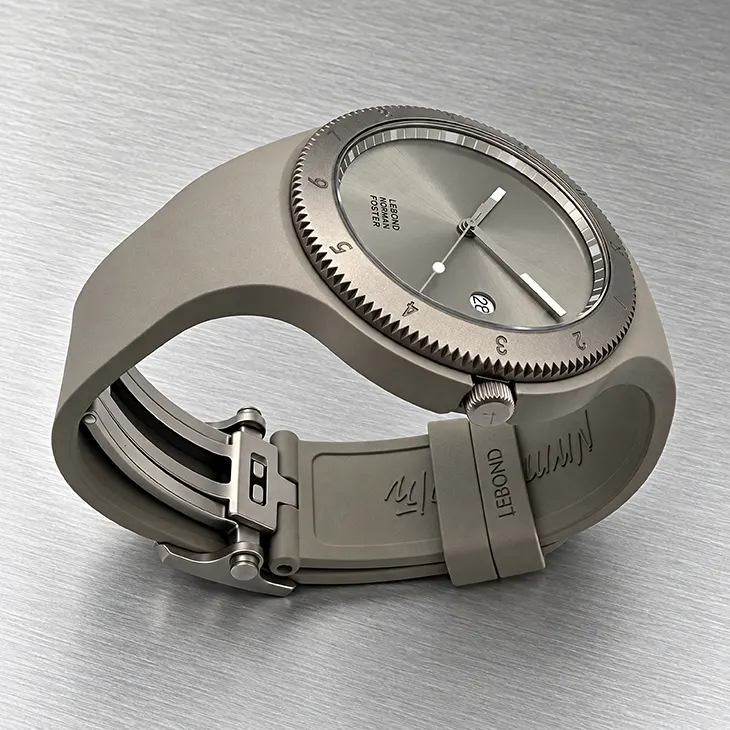
Foster’s experience as a pilot and frequent international traveller influenced its functionality. A bidirectional rotating 12-hour bezel allows users to read a second time zone through the main hour hand. Super-LumiNova coating ensures visibility in low light, while a date window completes the dial.
LEBOND presents two editions. Natural Titanium combines a micro-sandblasted case, sunray-brushed dial, polished hands and light grey rubber strap. The Black Edition features matte black DLC-coated titanium, a lacquered black dial and matching strap.
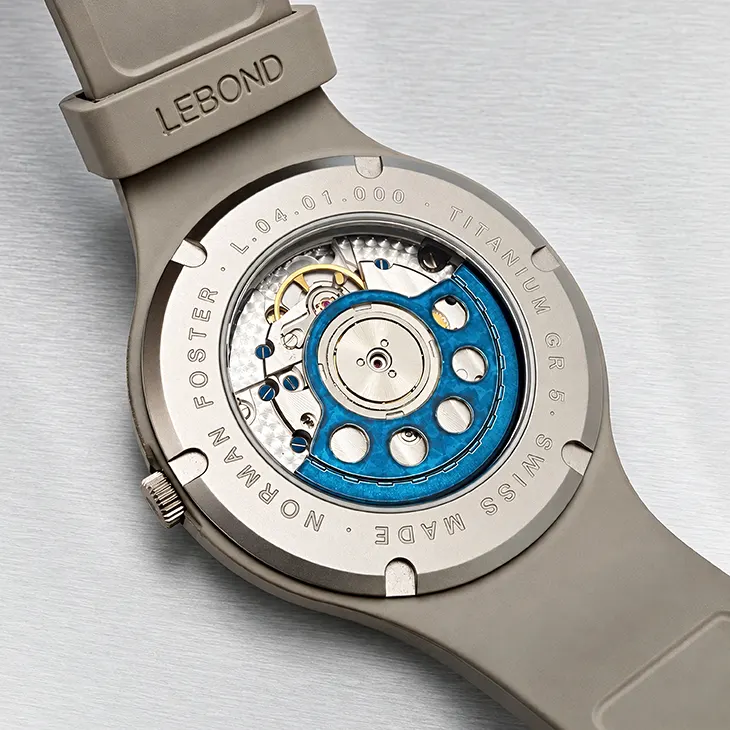
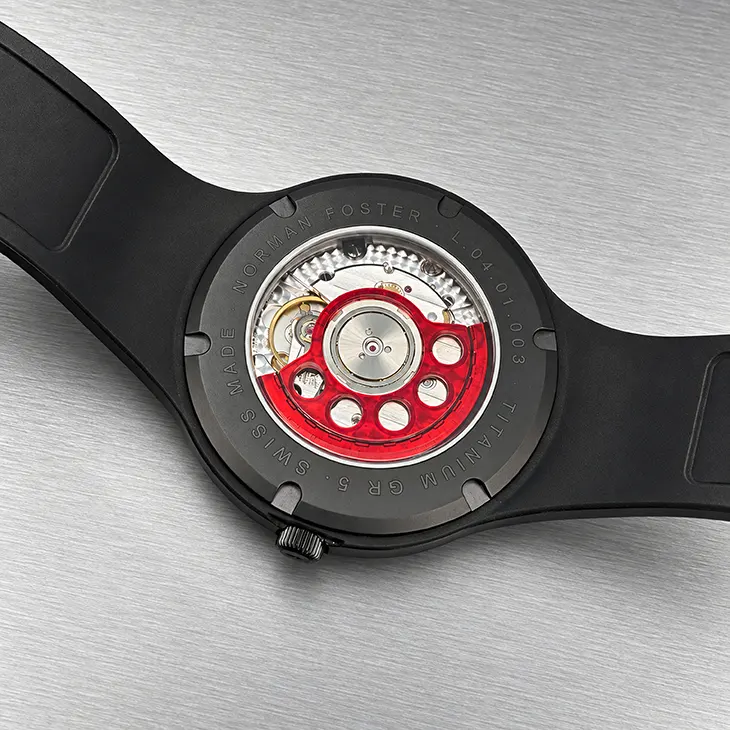
Through the transparent sapphire caseback, wearers can view the customised automatic rotor, which features five precision-machined perforations. The Natural Titanium model incorporates a blue rotor, while the Black Edition uses red. “It expresses something I have always believed: engineering can also be beautiful when the way something works is made visible,” Foster says.
Both editions contain the Swiss automatic ETA 2892-A2 movement, offering approximately 50 hours of power reserve. Each watch carries an individual number and includes a titanium deployant clasp.
The collaboration also supports the Norman Foster Institute’s educational programmes. The Foundation will allocate its watch-sale royalties to initiatives preparing future architects, designers and urban leaders. The LEBOND Norman Foster watch is available in two editions, each priced at €3,500.