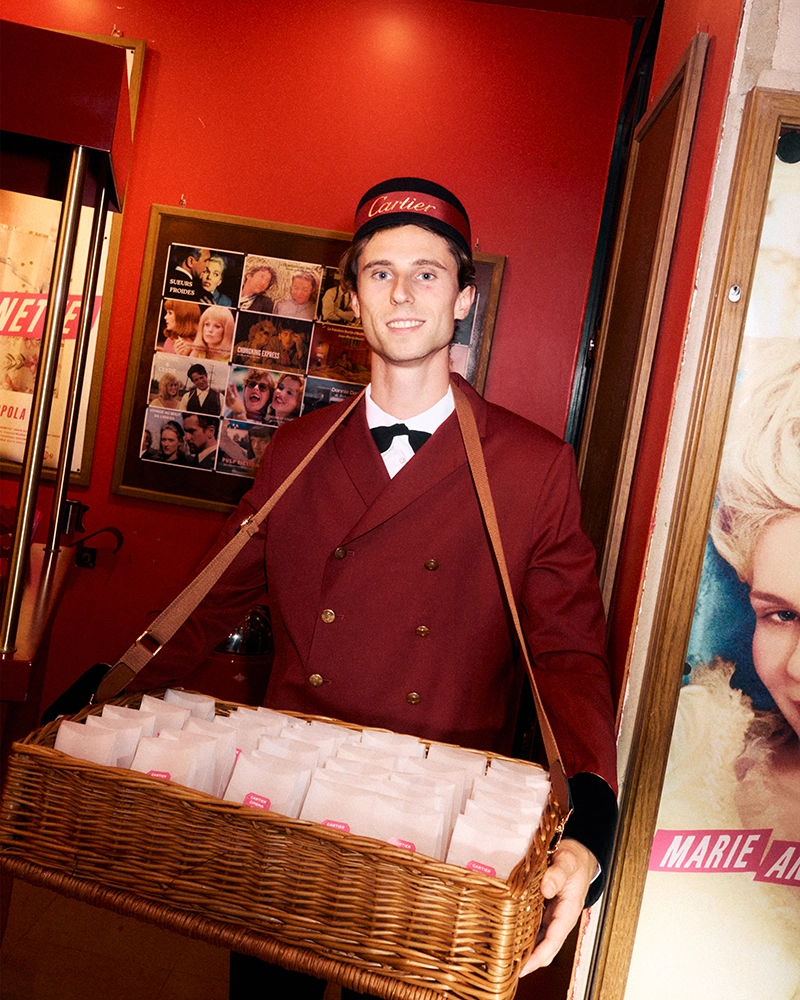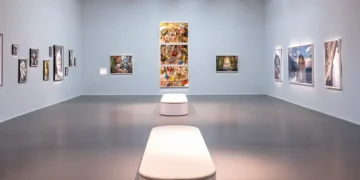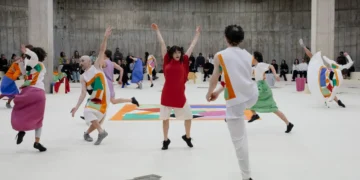



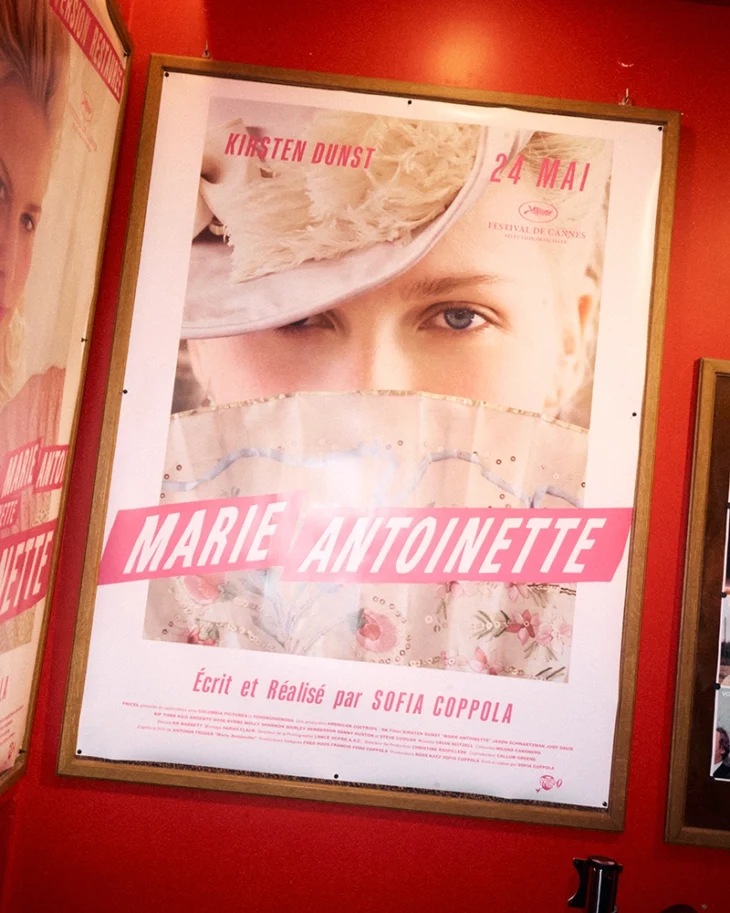
DSCENE joined Cartier Cinema Club on September 20 for an evening dedicated to the 20th anniversary of Sofia Coppola’s Marie Antoinette. The event brought guests together for cocktails and a special screening of the 2006 film starring Kirsten Dunst, returning Coppola’s interpretation of the French queen to the screen two decades after its original release.
EVENTS
The anniversary arrives with several projects revisiting the film and its production. A new 4K restoration brings Marie Antoinette back to audiences, accompanied by a behind-the-scenes documentary and an exhibition at the Château de Versailles. The latter opened at the Petit Trianon on September 22 and runs through January 24, 2027, with Cartier supporting the exhibition.
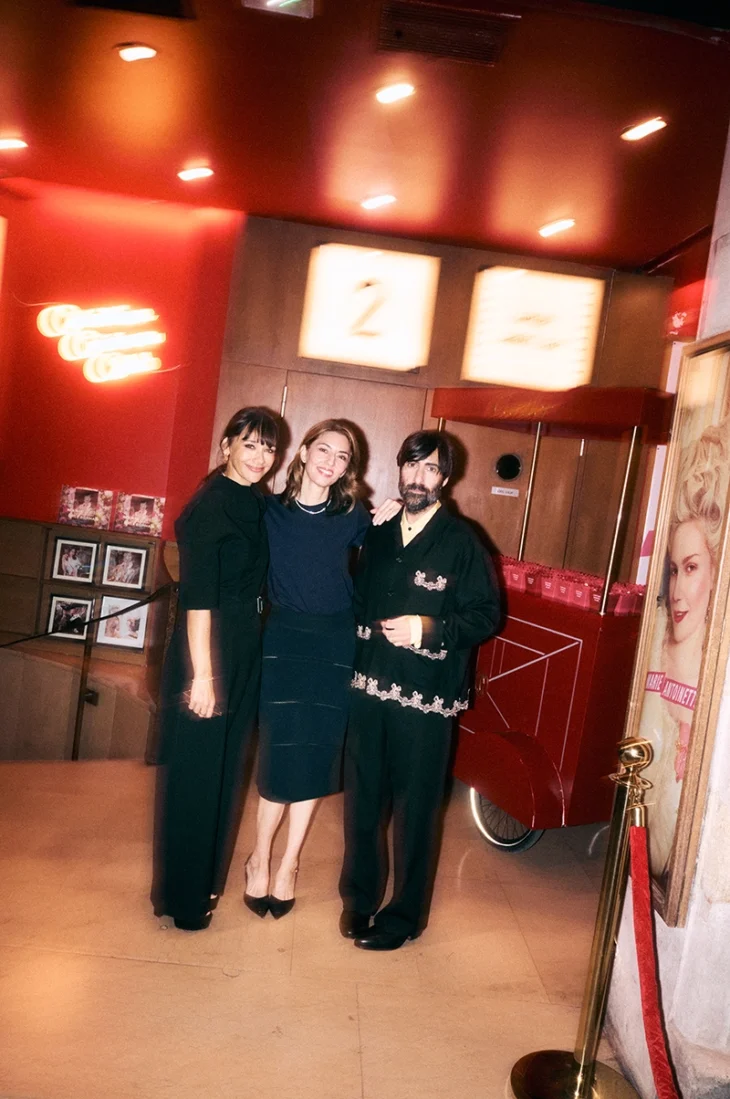
Coppola shot much of Marie Antoinette at Versailles, allowing the palace and its interiors to become integral to the film’s visual identity. Her approach departed from a conventional historical biography and focused on Marie Antoinette as a young woman confronting isolation, boredom and the demands of court life. Kirsten Dunst played the title role, bringing Coppola’s recurring interest in adolescence and self-construction into an eighteenth-century setting.
The September 20 Cartier Cinema Club screening returned attention to the film itself. Twenty years after its 2006 premiere, Marie Antoinette continues to carry a recognizable visual identity through its costumes, pastel colors and interpretation of Versailles. The anniversary program offers an opportunity to revisit how Coppola and her collaborators constructed that imagery and how the production subsequently influenced fashion, gastronomy and visual culture.
View this post on Instagram
Cartier’s involvement connects with the Maison’s ongoing relationship with cinema and creative communities. Its support of the anniversary exhibition also draws on historical links between Cartier and Versailles. Louis Cartier looked to eighteenth-century decorative arts, including the palace’s interiors and furniture, as references for his designers. These studies contributed to pieces associated with Cartier’s Garland style. In 1910, the Maison set the Hope Diamond, believed to have belonged to the French crown jewels, into a pendant.
At Versailles, the anniversary shifts from the finished film to the process behind it. Conceived in collaboration with Coppola, the exhibition presents working documents, early mood boards, costumes, accessories, set elements and reconstructed spaces. Together, the material traces the aesthetic decisions that shaped the production and Coppola’s interpretation of eighteenth-century France.
The choice of the Petit Trianon gives the exhibition a direct connection to its subject. Designed for Madame de Pompadour, later occupied by Madame Du Barry and eventually given to Marie Antoinette, the property became closely associated with the Queen’s private life. She used it as a retreat from court etiquette and scrutiny, making it particularly relevant to Coppola’s intimate reading of her life.
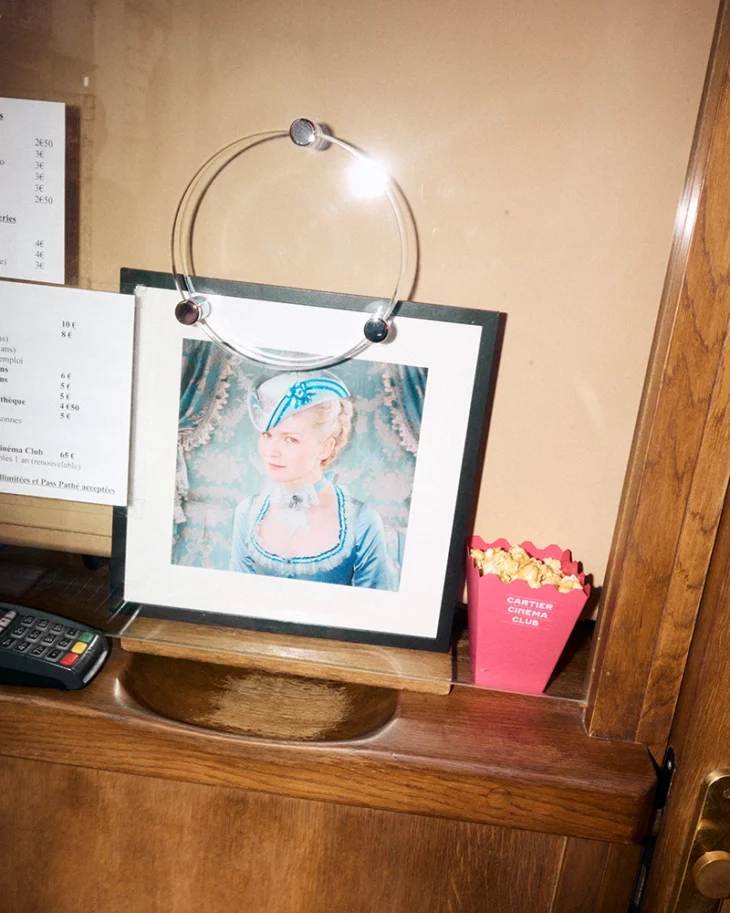
“During the production of Marie Antoinette, Versailles was much more than a location – it became part of the film’s language and atmosphere, a character in the film,” Coppola explains in the exhibition announcement. Returning 20 years later allows the director to revisit the production in the place where much of its imagery originated.
With the Cartier Cinema Club screening, the 4K restoration, documentary and Versailles exhibition arriving around the same anniversary, Marie Antoinette returns through several perspectives. Cartier’s September 20 evening focused on the cinematic experience, bringing Coppola’s film back before an audience while the wider anniversary program opens its production history for another look.