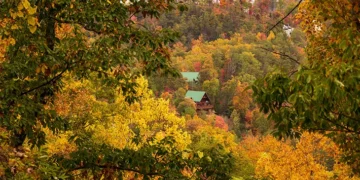



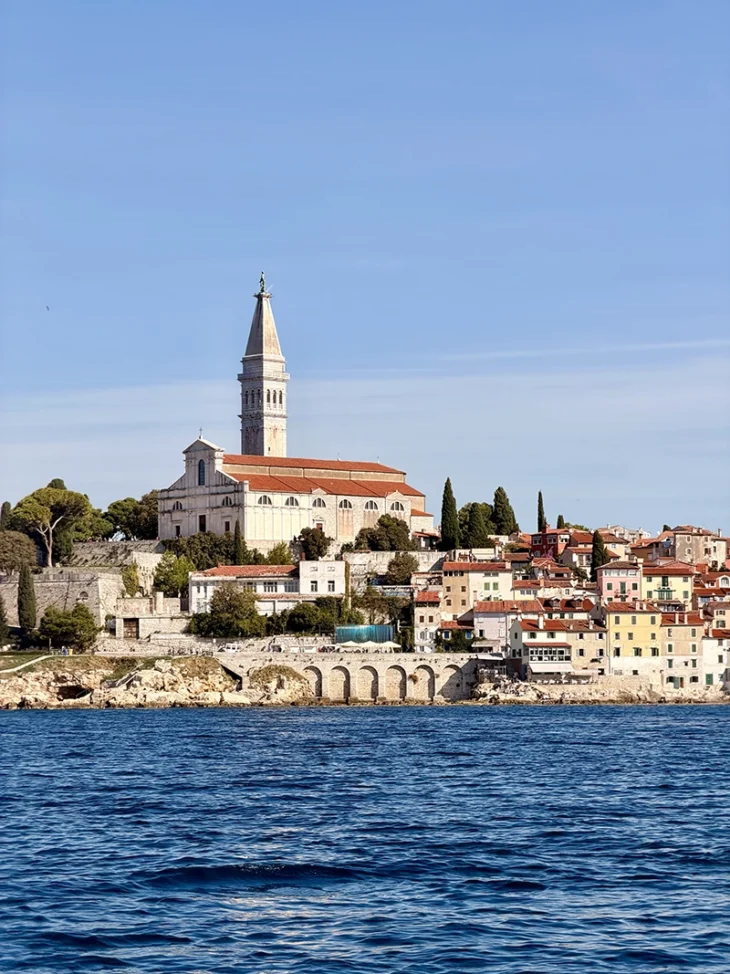
There is something particularly beautiful about Istria in October. The summer crowds have disappeared, the Adriatic still catches the afternoon sun, and the countryside is busy with olive harvesting and truffle hunting. Over four days in Rovinj, I discovered a region where food remains closely connected to the land, the seasons, and the people who produce it.
TRAVEL
From October 16 to 19, I joined Autumn Gourmet Week, hosted by Maistra Hospitality Group. The itinerary included Michelin-starred dining, visits to local producers, memorable restaurants, and time to explore the Istrian coast. Looking back, what stays with me most is the generosity of the people we met and their enthusiasm for sharing the place they call home.
Day One:
Arriving in Rovinj and Dinner at Cap Aureo
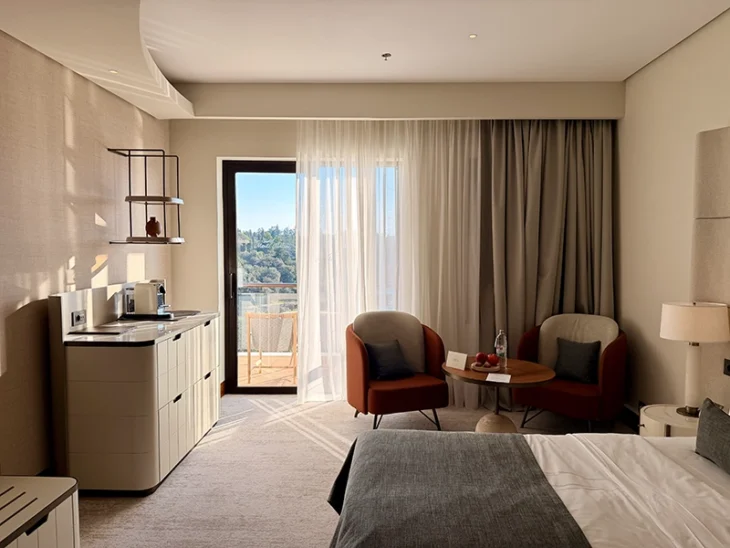
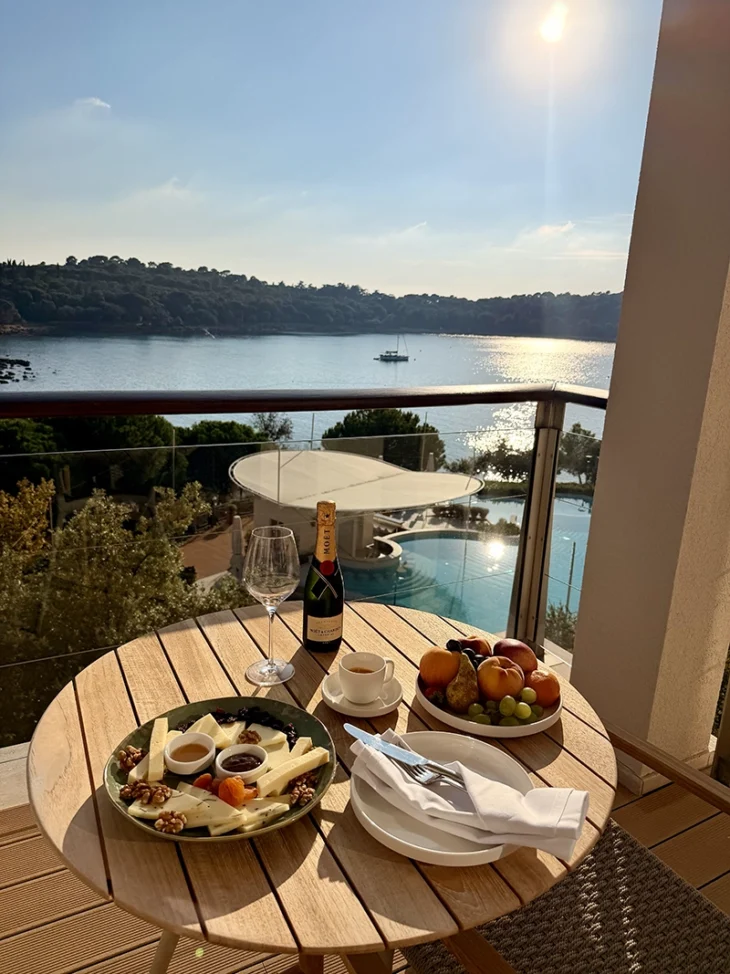
After an early flight and a drive through the Croatian countryside, we arrived at Hotel Monte Mulini, our home for the next three nights. Surrounded by Mediterranean gardens and overlooking Lone Bay, the five-star property offers a peaceful setting just outside Rovinj’s historic centre.
Monte Mulini has welcomed guests since 2009, and its recent renovation has introduced refreshed interiors, new dining concepts, and an expanded focus on personalised experiences. The adults-only hotel has 112 rooms and suites, each with a balcony overlooking the Adriatic. I particularly appreciated the sense of privacy and the beautiful surroundings, which made returning to the hotel after a full day of exploring feel like a pleasure in itself.
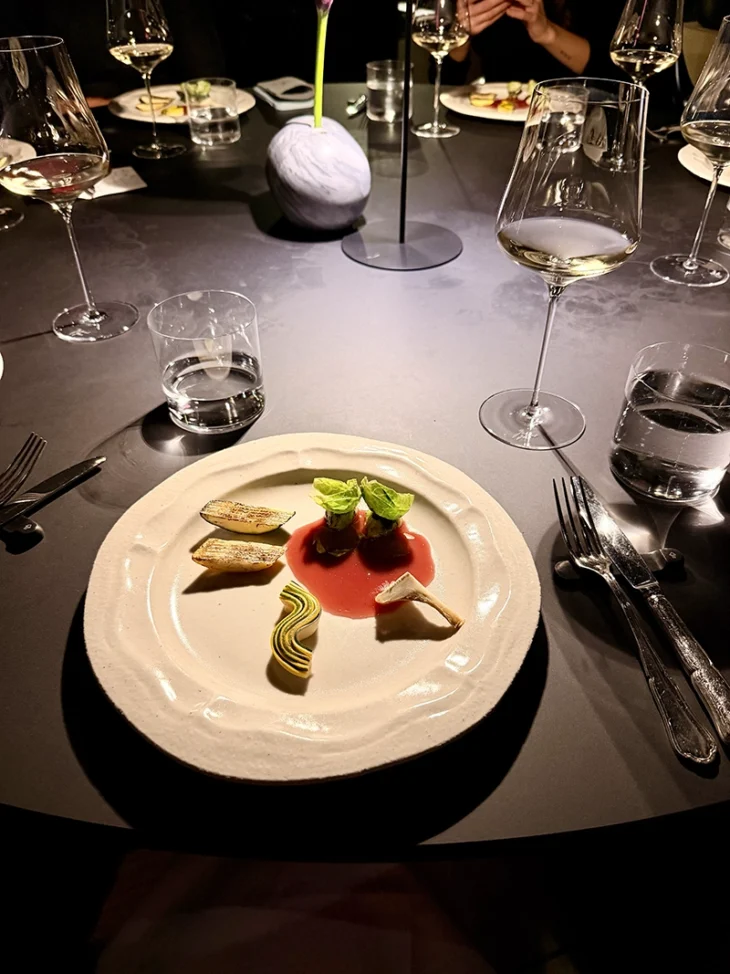
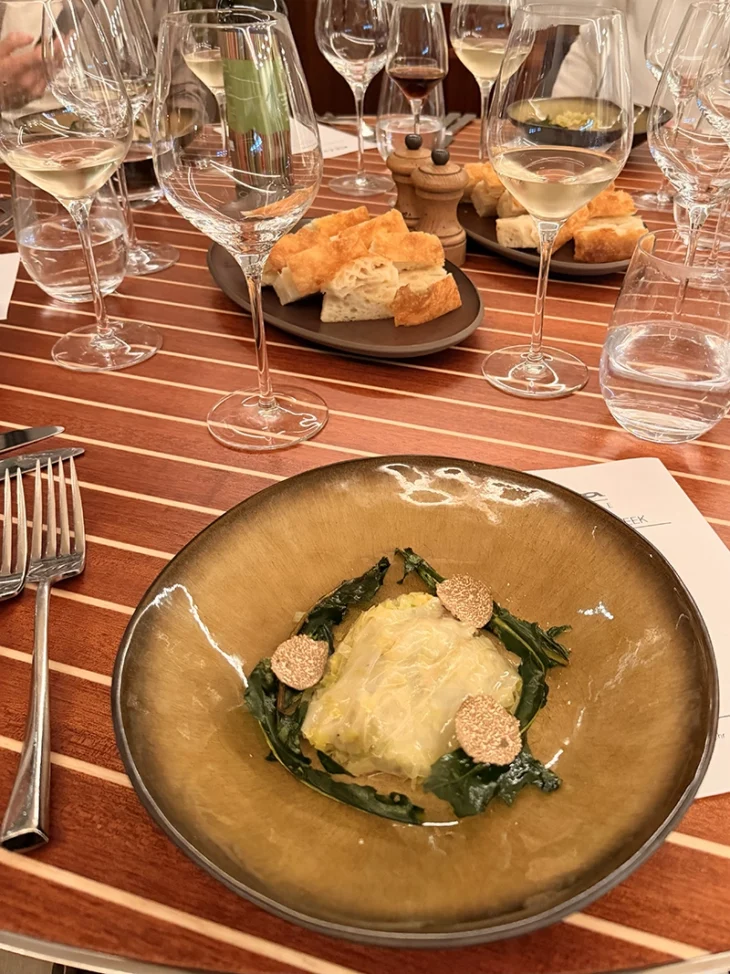
That evening, we headed to the Grand Park Hotel Rovinj for dinner at Cap Aureo, which would become my favourite culinary experience of the entire trip.
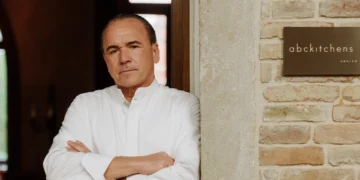
Located on the hotel’s fifth floor, the Michelin-starred restaurant offers panoramic views of Rovinj’s marina and old town. As the evening light settled over the Adriatic, we sat down for a tasting menu created by chef Jeffrey Vella, whose approach to cooking places vegetables and seasonal Istrian ingredients at the centre of the experience.
What made the evening particularly special was the opportunity to sit with Jeffrey and hear him speak about his philosophy. Our conversation moved between seasonality, relationships with local producers, and the Mediterranean pace of life. He explained how the availability and quality of ingredients influence the menu, which evolves throughout the year to reflect the region’s changing seasons.
Cap Aureo describes itself as a vegetable-loving space, and it was fascinating to see how much creativity Jeffrey brings to ingredients that often play supporting roles elsewhere. His dishes explore different textures and preparations while retaining a clear connection to their origins.
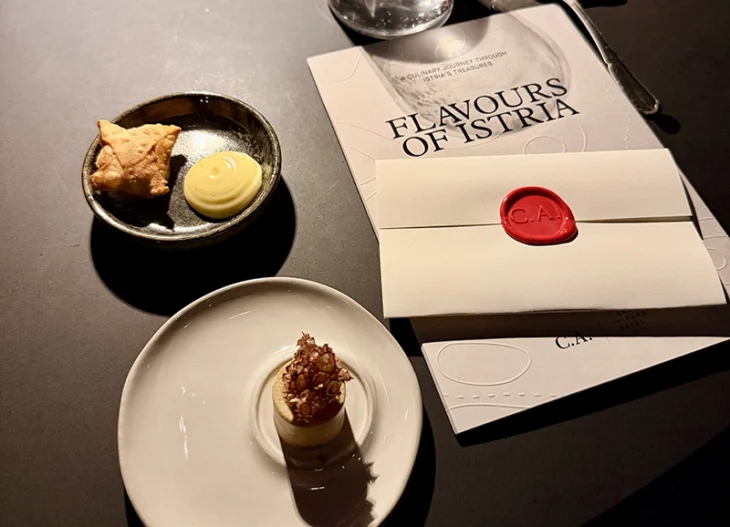
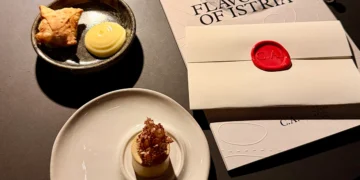
The restaurant offers three tasting menus: My Istria, focused on ingredients sourced within 50 kilometres; A Journey Since 2019, revisiting dishes from the restaurant’s history; and Towards a Greener Thought, dedicated to vegetarian cooking. Carefully selected wines, particularly from Croatian producers, complete the experience.
The food was exceptional, but I appreciated the conversation just as much. Hearing Jeffrey explain his ideas added another dimension to the dinner, making it feel personal and genuinely memorable. It was a wonderful introduction to the region’s culinary culture.
Day Two:
Truffle Hunting, Olive Oil, and Istrian Hospitality
The following morning started early. After breakfast at Monte Mulini, we travelled into the Istrian countryside to visit Prodan Tartufi, where Mirko welcomed us for a truffle-hunting experience.
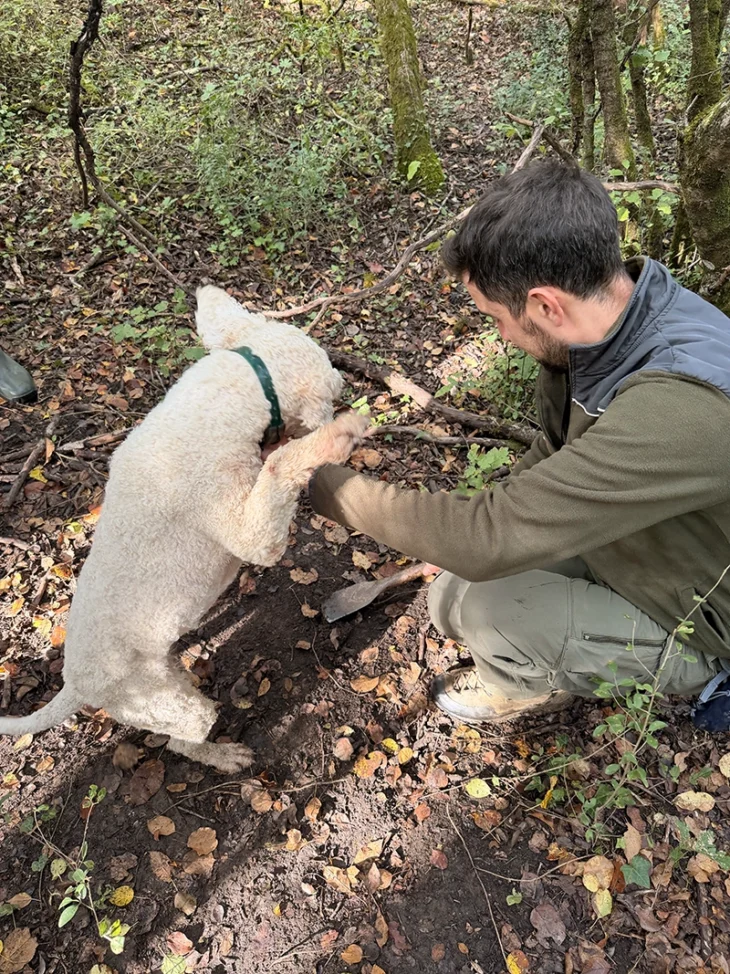
We headed into the forest with Mirko and his trained dog, following them through the trees as the search began. I had never been truffle hunting before, and I was surprised by how exciting it became. Watching the dog investigate the ground, waiting for a signal, and discovering what might be hidden beneath the surface made the experience feel like a small adventure. We were lucky enough to find two black truffles.
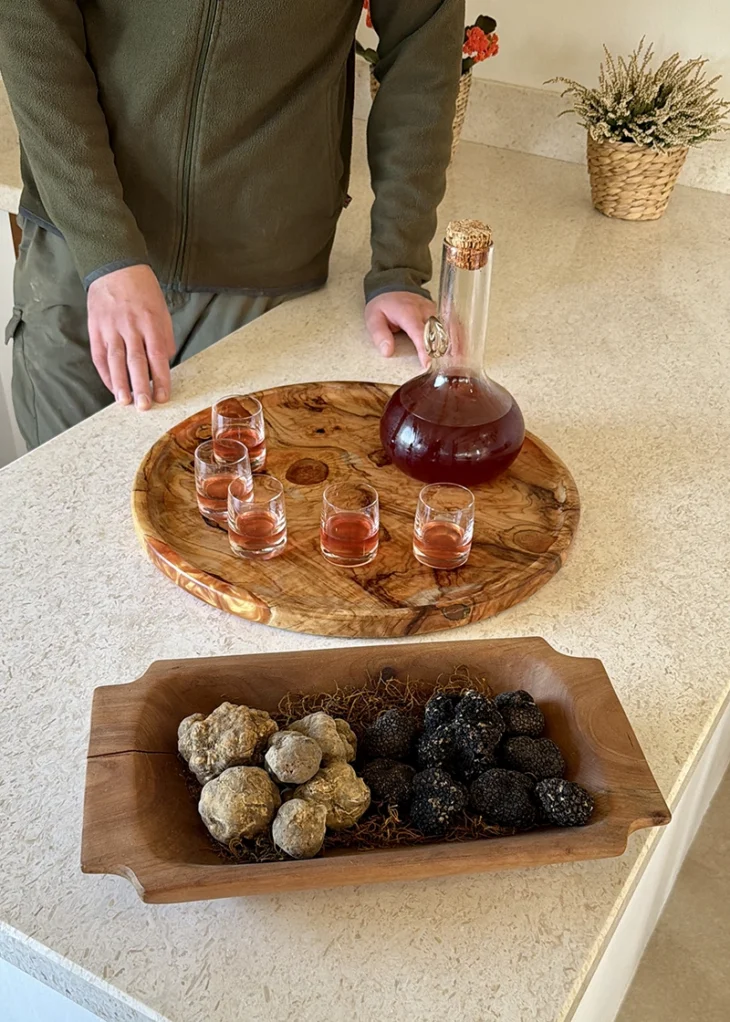
Afterwards, we returned to the tasting area, where Mirko’s lovely mother prepared an omelette with freshly shaved truffles. It was absolutely delicious. After experiencing Cap Aureo’s elaborate tasting menu the previous evening, there was something equally satisfying about enjoying such a simple dish prepared with an ingredient we had just found ourselves.
That breakfast remains one of my favourite memories from Istria. The warmth of our hosts, the setting, and the food made it feel particularly special.
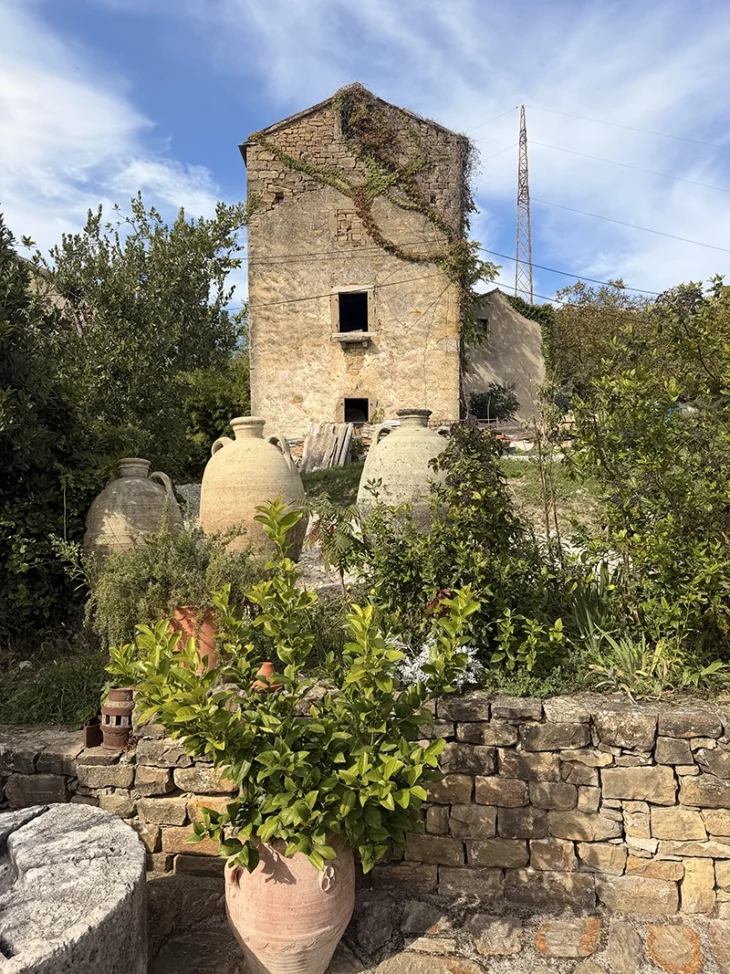
Our next stop was Ipša, a family-owned olive oil and wine estate, surrounded by rolling hills, olive groves, and vineyards.
The property is beautiful, with traditional stone buildings and terraces overlooking the countryside. The Ipša family has spent decades developing its olive oil production, restoring old trees and introducing new varieties while maintaining a close relationship with the surrounding land.
We arrived during the olive harvest, which allowed us to see part of the picking process and learn about the production of extra virgin olive oil. It was interesting to discover how the olive variety, harvest timing, and processing techniques influence the final flavour.
During our tasting, we sampled four different olive oils, comparing their aromas, textures, and distinctive characteristics. We also tried the estate’s wines, which offered another introduction to the region’s agricultural traditions.
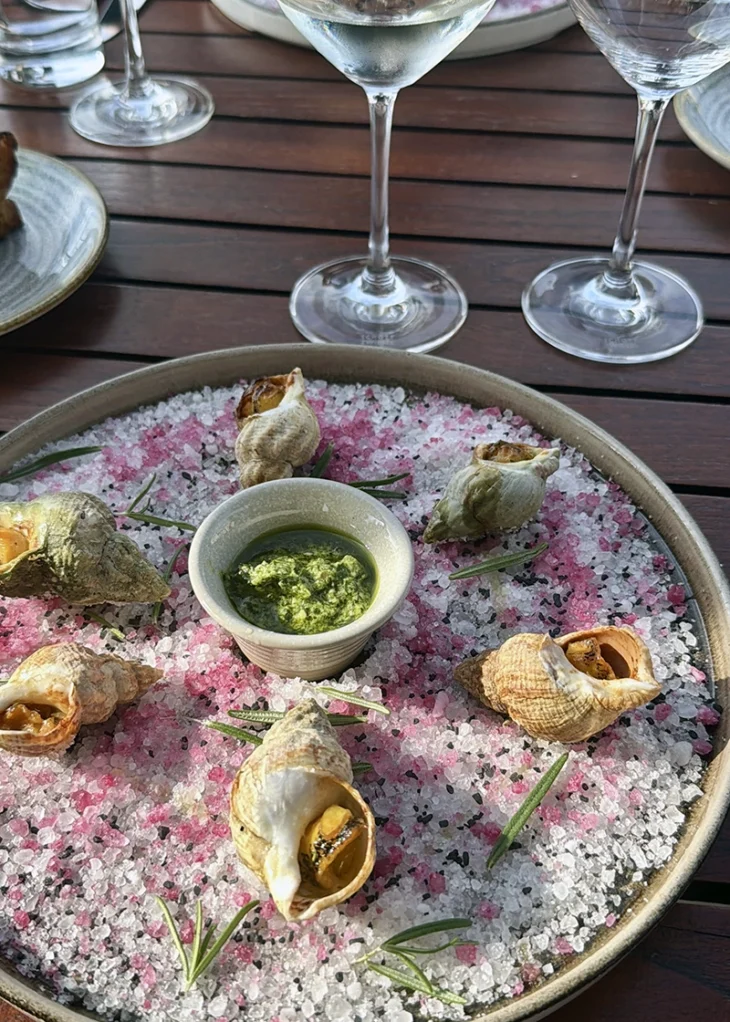
By lunchtime, we were back in Rovinj for a visit to Kantinon, a waterfront restaurant inspired by Istria’s traditional fishermen’s cuisine. Its menu celebrates local seafood and regional recipes, offering a relaxed dining experience with views towards the old town.
After some free time exploring Rovinj, we returned to Monte Mulini for dinner at Riva Lounge, one of the hotel’s newest additions.
Created through a partnership with Riva Destinations, the restaurant draws inspiration from the Italian yachtmaker, with mahogany finishes, nautical details, and an atmosphere reminiscent of classic Mediterranean hospitality. The menu follows a similarly relaxed direction, with Mediterranean dishes and local ingredients.
After a full day exploring the countryside, it was lovely to enjoy a slower evening at the hotel.
Day Three:
A Riva Cruise and Rovinj’s Old Town
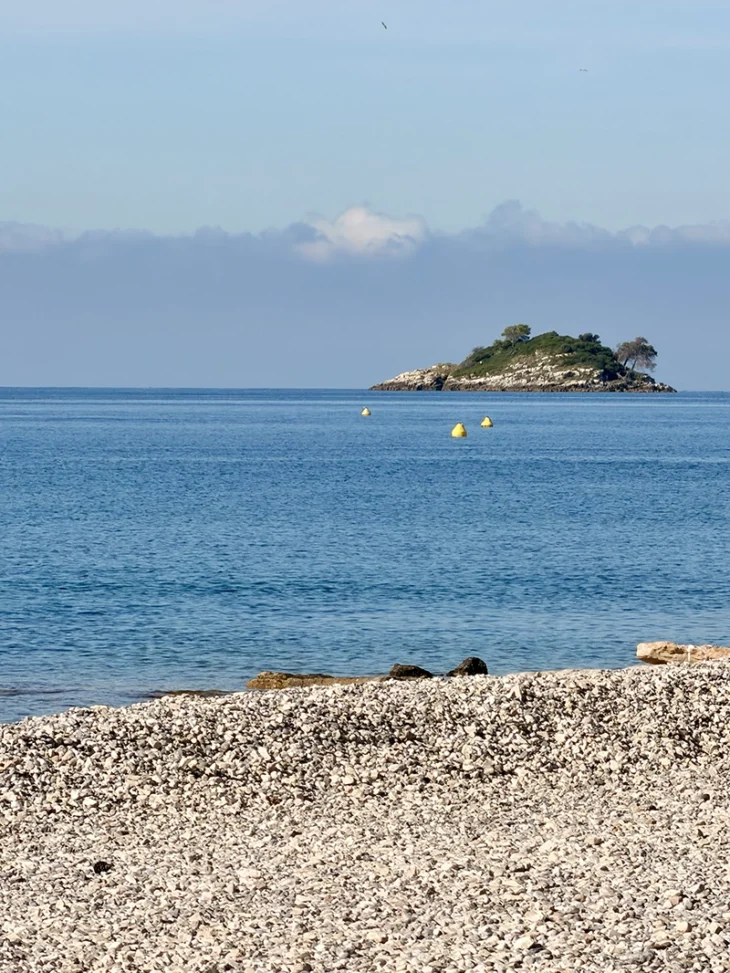
Sunday started with one of my favourite moments of the trip. I woke up early and went for a swim in the Adriatic before breakfast.
There is something wonderful about swimming in the sea in October, particularly when the surroundings are as beautiful as Lone Bay. The morning was peaceful, the water refreshing, and for a little while I had nothing else to think about. It was the perfect beginning to our final full day in Rovinj.
After breakfast, there was time to enjoy Monte Mulini’s wellness facilities. The hotel’s Art Wellness & Spa, together with the connected wellness facilities at Hotel Lone, offers a wide range of treatments and spaces dedicated to relaxation. Following two busy days of tastings and excursions, having a quieter morning felt especially welcome.
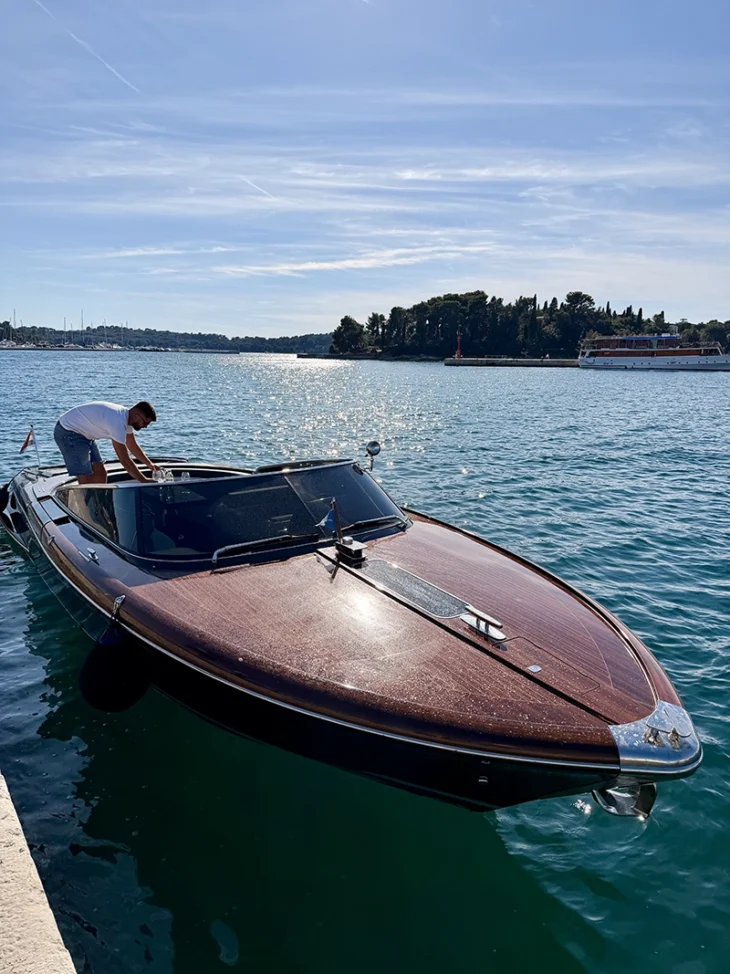
Later, we boarded a beautiful Riva Aquariva Special for a cruise around Rovinj.
Having already explored the town on foot, seeing it from the water offered a completely different perspective. Rovinj’s colourful buildings rise directly above the shoreline, with the bell tower of St Euphemia overlooking the historic centre. From the sea, the town looked almost like a painting.
The Riva boat was beautiful, with its polished wooden finishes and classic Italian design. Cruising along the coast, with the Adriatic stretching around us, was easily one of the highlights of the trip.
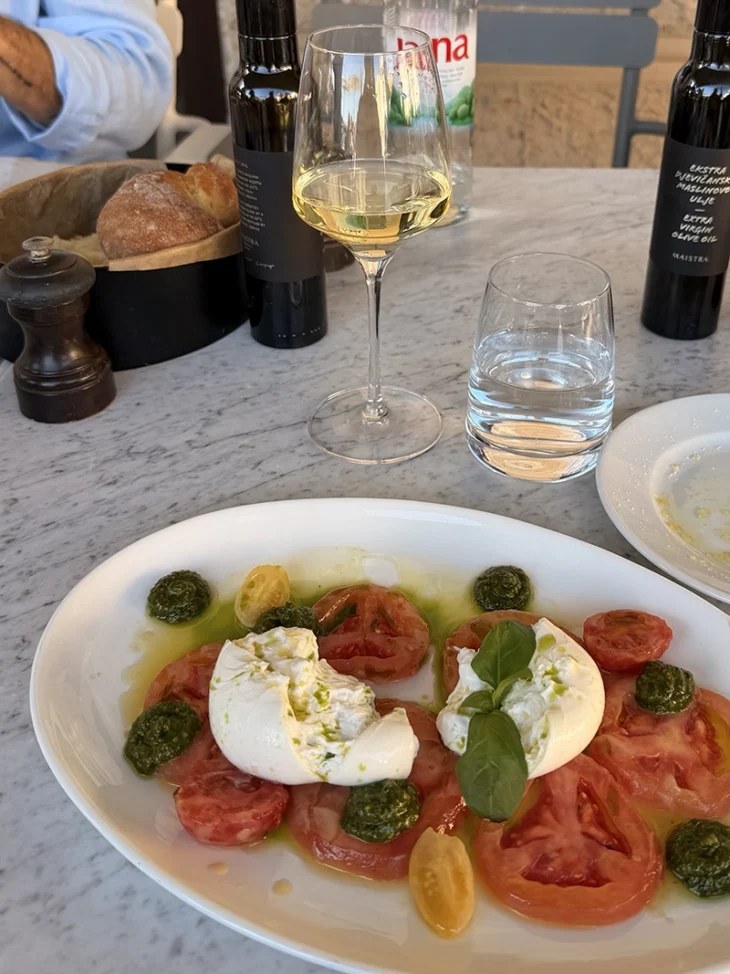
Our boat dropped us off in Rovinj’s old town, where we headed to Brasserie Adriatic, located inside Hotel Adriatic on the main square.
Inspired by the atmosphere of a French brasserie, the restaurant combines Mediterranean flavours with local ingredients in a contemporary setting. Its location makes it a particularly enjoyable place for lunch, surrounded by the architecture and everyday activity of the historic centre.
Afterwards, I spent some time walking through Rovinj’s narrow streets, admiring the stone buildings, small galleries, and views of the sea. October feels like an ideal time to visit. The town is lively enough to enjoy its cafés and restaurants, yet peaceful enough to wander without a particular destination.
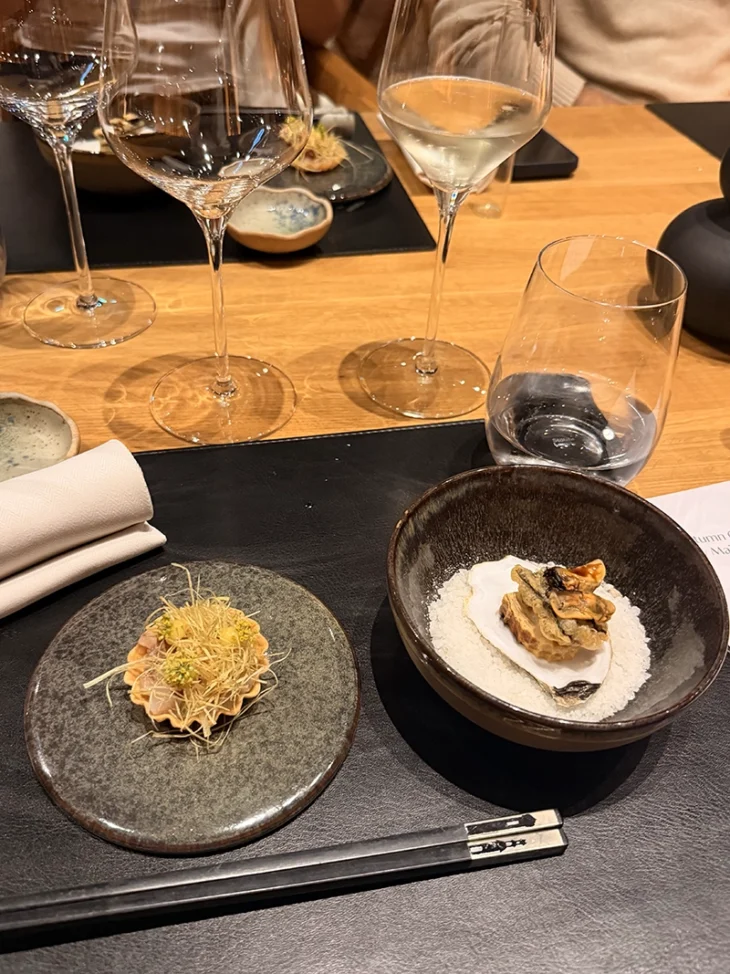
For our final dinner, we visited Tekka by Lone, the Japanese restaurant located at Hotel Lone.
After several days exploring traditional Istrian and Mediterranean cuisine, Tekka introduced a different approach. The restaurant combines Japanese culinary techniques with ingredients from the Adriatic, offering sushi, sashimi, and contemporary seafood dishes.
The setting also provided an opportunity to experience Hotel Lone’s distinctive contemporary architecture. Its modern interiors feel quite different from the intimate atmosphere of Monte Mulini, making it an interesting final stop on our culinary itinerary.
Day Four:
Leaving Istria
Monday morning arrived far too quickly. After breakfast at Monte Mulini, we checked out and began the drive back to Zagreb Airport.
Over four days, we had explored Istrian forests, found truffles, tasted olive oils at their source, enjoyed exceptional restaurants, and discovered Rovinj from the sea. Yet what made the experience particularly memorable was the opportunity to meet the people behind the region’s culinary traditions.
From Jeffrey Vella’s thoughtful approach to seasonal cooking at Cap Aureo to Mirko’s enthusiasm for truffle hunting and the family’s hospitality at Ipša, each encounter offered a different perspective on Istria.
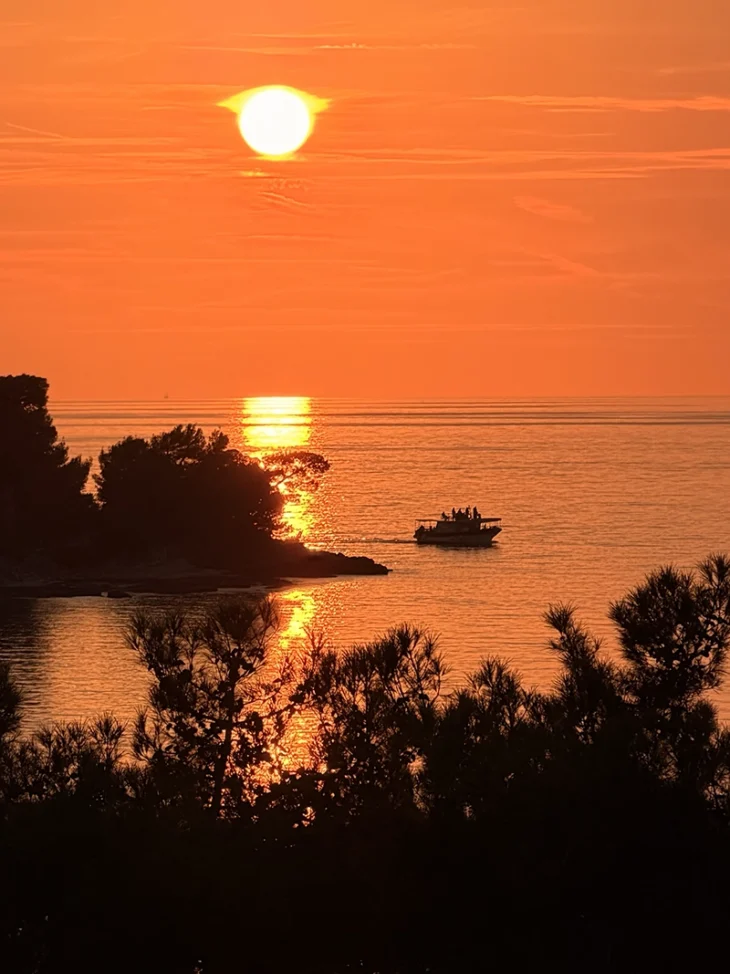
But I will also remember the simpler moments: that delicious truffle omelette, the peaceful countryside surrounding Ipša, my early morning swim, and the afternoon spent cruising around Rovinj aboard the Riva boat.
Autumn Gourmet Week offered a beautiful introduction to Istria at a time of year when the region feels particularly connected to its traditions and natural surroundings. I arrived expecting wonderful food and a few days by the sea. I left already thinking about when I might return.