


Late autumn brings colder days, early sunsets and wet sidewalks. The after-work run that felt manageable a few weeks ago can now mean heading out in the dark and coming home soaked. Moving those miles to a treadmill helps keep a regular running schedule through winter. Some runners prefer it year-round for the convenience of running whenever they have time and setting their own pace.
SNEAKERS
The shoes that work well for you outdoors can often work just as well on a treadmill. If you’re looking for a pair specifically for indoor running, think about what you do most often. A cushioned trainer suits long, easy runs, while a lighter shoe makes sense for intervals. If your gym runs warm, a breathable upper may be the detail you appreciate most. The five picks below cover those needs, with an option for runners who prefer a more supportive fit.
Reebok FloatZig Tread for Runners Who Mostly Train Indoors
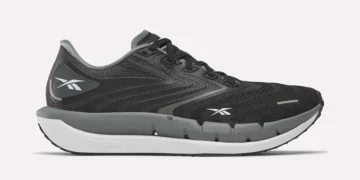
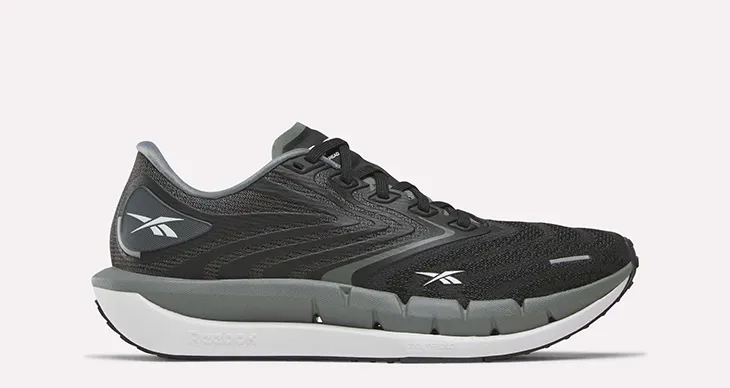
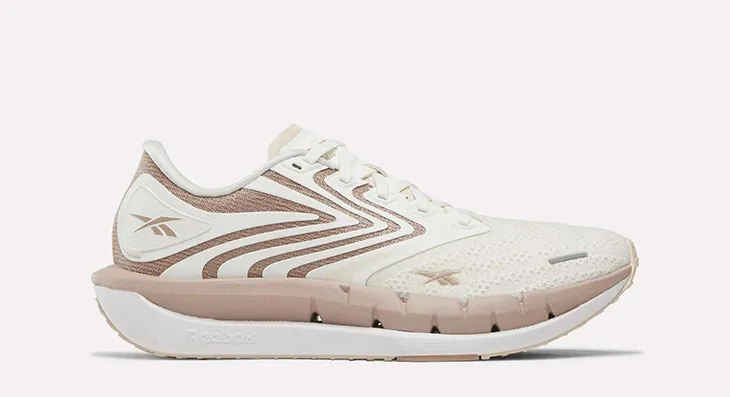
The Reebok FloatZig Tread ($110) is the most direct choice for someone buying a shoe specifically for the treadmill. Reebok introduced it on January 21 2026 as the first running shoe in its lineup designed around the moving belt. It adapts the FloatZig platform with a lower, flatter sole, two densities of cushioning and rubber that runs the length of the outsole. The low profile gives the shoe a planted feel on the belt.
That same construction makes it practical for a gym visit that starts with a run and ends with step-ups or lunges. The ride feels firmer than a plush daily trainer, so runners who want deep cushioning for longer sessions may prefer the New Balance below. The Reebok is also the least expensive shoe in this guide.
ASICS GEL-Cumulus 28 for Everyday Treadmill Miles
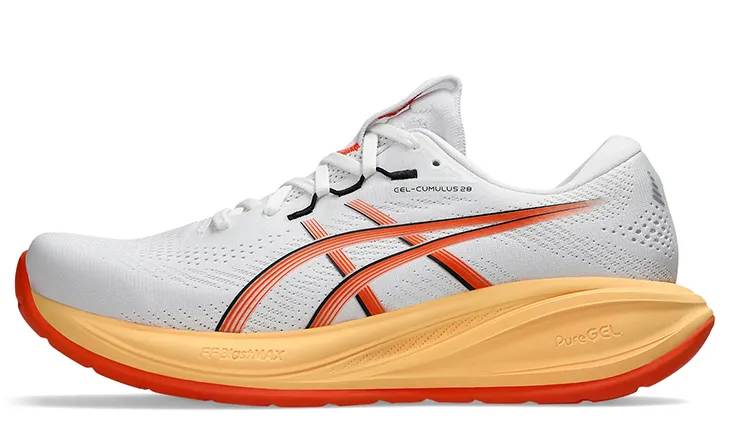
The ASICS GEL-Cumulus 28 ($145) is the best all-around choice for a routine built around steady mileage. The February release replaces the Cumulus 27’s FF Blast+ with springier FF Blast Max foam and keeps the PureGEL cushioning in the heel. ASICS also took about six grams off a men’s US 9 and changed the heel rubber for added grip and durability. The foam is the change you’re more likely to notice when a steady run turns into a faster finish.
The Cumulus has enough cushioning for longer sessions and a steadier feel than the softer New Balance 1080v15. ASICS offers wide versions in both men’s and women’s sizing. That makes the Cumulus a sensible starting point if you want one neutral trainer for treadmill miles and outdoor runs when the weather improves.
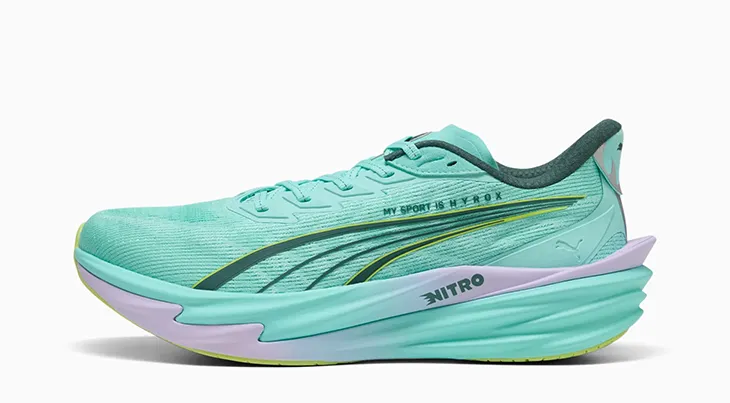
PUMA Deviate NITRO 4 for Intervals
The PUMA Deviate NITRO 4 ($170) suits sessions that alternate hard repetitions with easy recoveries. PUMA released it in January before the February 26 global rollout. The fourth edition uses a new two-layer NITROFOAM midsole and a reshaped carbon-fiber plate designed to flex more readily. Comparative testing also found it lighter and lower at the heel than the Deviate NITRO 3, giving runners a less bulky shoe for repeated changes of pace.
The strongest reason to use it indoors is the combination of grip and fit. PUMAGRIP rubber holds well on a treadmill belt, and the mesh upper keeps the foot secure when the pace rises. The forefoot fits snugly, so pay attention to how much room your toes have when you push off.
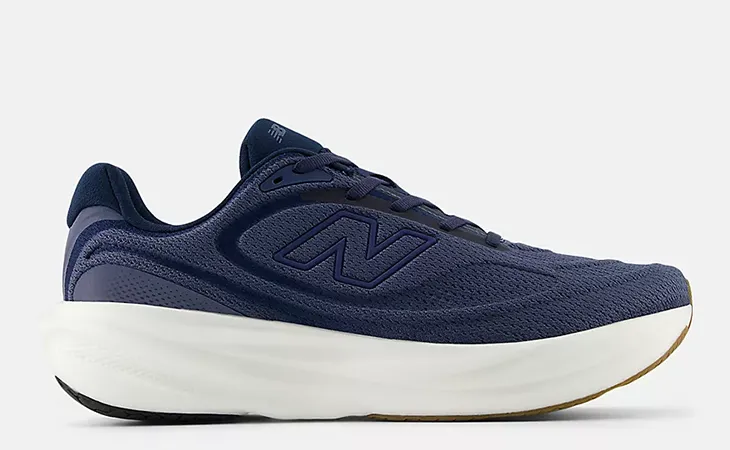
New Balance 1080v15 for Long, Easy Runs
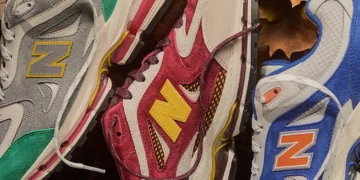
The New Balance 1080v15 ($170) suits runners who want a soft landing throughout a long, easy session. For the January 15 release, New Balance replaced Fresh Foam X with Infinion. The new foam has more rebound, and the v15 weighs less than the v14 despite adding a little more cushioning underfoot. That’s a meaningful change if you liked the previous shoe’s comfort and found it heavy over longer distances.
The plush sole compresses noticeably under load. Some runners enjoy that sensation for the full length of a steady run, while others may find the platform less steady than they prefer. The 1080 makes the most sense if you already like a soft ride and want that same feel for an hour on the belt.
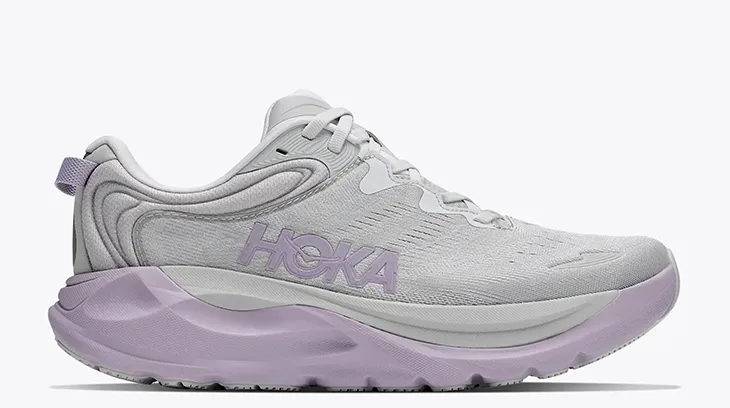
HOKA Gaviota 6 for Added Stability
The HOKA Gaviota 6 ($180) suits runners who prefer a broad, structured platform for steady miles. HOKA kept the Gaviota 5’s H-Frame for the January release. The system uses firmer foam along the inside of the shoe to resist compression. HOKA softened the cushioning around it and revised the outsole, which showed better grip than the previous version in comparative testing.
The Gaviota remains a substantial shoe. Its wide base and structured sole suit easy runs and sessions that alternate walking and running. Runners who find softer trainers too yielding may prefer the planted feel here, and HOKA offers wider sizes for those who need more room.