


A closet packed with trend pieces can still leave its owner with nothing to wear. Cheap fabric pills after a few washes, sleeves swallow the knuckles and waistbands need a belt to stay up. The big fashion houses were supposed to be the alternative, yet McKinsey’s “The State of Fashion 2026” report found that luxury players raised prices without matching gains in quality or creativity. Shoppers took note.
Many have responded by buying fewer pieces and paying a tailor to perfect them. This custom-fit clothing trend prizes a clean shoulder line over a monogram anyone with a credit card can buy. The new status symbol is a jacket that stays put when you reach for your morning coffee.
The Trouble With Standard Sizing
Mass-market clothing is cut from pattern blocks built for a statistical average. Real bodies refuse to cooperate. Shoulders slope at different angles, hips tilt and one arm is often a little longer than the other. Vanity sizing muddies things further. Brands enlarge garments while keeping smaller numbers on the label, which means two dresses marked size 8 can fit very differently from one store to the next.
Online shopping makes that gap expensive. About 30% of fashion items bought online in the U.K. are sent back each year, with poor fit the top reason shoppers give, according to a consumer survey reported by Just Style. Retailers feel the pain as well, and companies such as True Fit now sell sizing software built on two decades of purchase and return data.
No algorithm has ever moved a seam, though. That job still falls to skilled hands. In Toronto, Love Your Dress handles professional dress cleaning and alterations in-house for everything from wedding gowns to prom dresses, so a gown can be hemmed, taken in and freshened in one place before the big night.
How Tailoring Elevates an Outfit
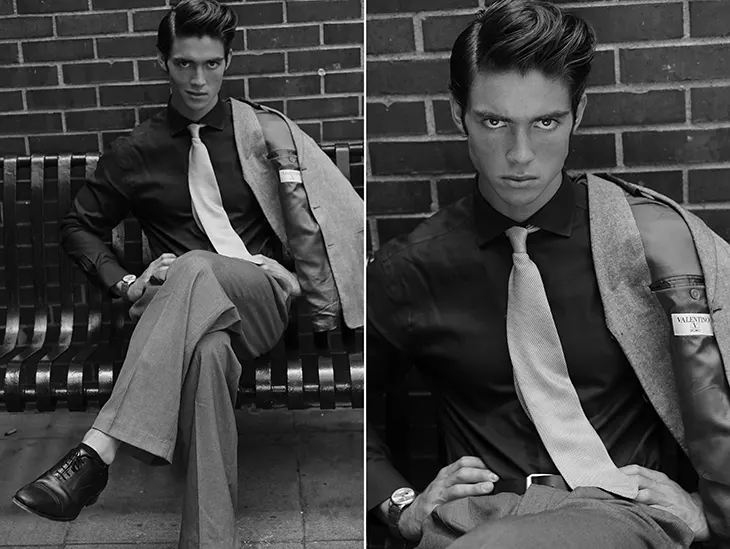
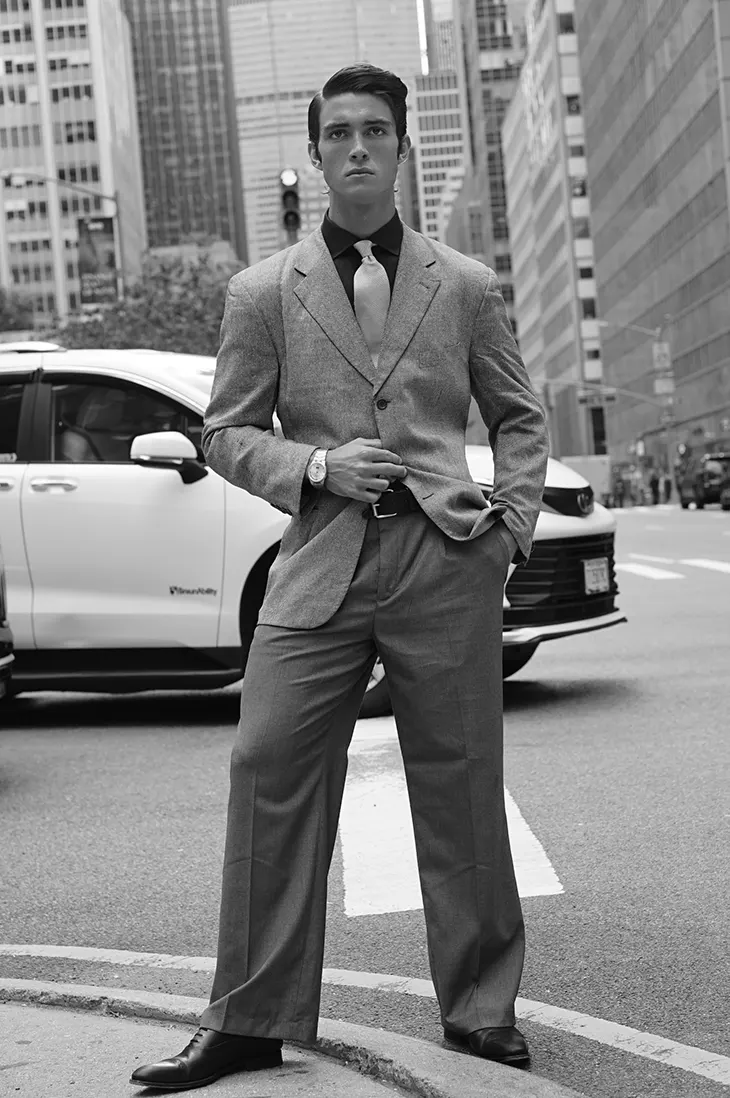
Ask a tailor why fit matters more than brand, and the answer usually starts at the shoulders. Ready-to-wear jackets tend to have low, wide armholes so a broad range of bodies can get into them. Once the wearer lifts an arm, the whole jacket climbs and drags the collar off the neck. On many jackets, a tailor can shorten the sleeves, suppress the waist and taper the chest until the cloth follows the body. A dropped armhole is the rare flaw no needle fully fixes. Trousers get the same scrutiny, with the seat and rise reshaped so fabric stops bunching whenever the wearer sits down. Clean lines read as expensive, whatever the label says.
Fit also plays on the mind. In a 2012 paper in the Journal of Experimental Social Psychology, Hajo Adam and Adam Galinsky found that wearing a lab coat described as a doctor’s coat increased sustained attention, an effect they named enclothed cognition. Their experiments focused on what clothing symbolizes. Still, a waistband that digs in all afternoon makes a poor companion for focus.
Alterations, Made to Measure or Bespoke
Each tier of tailoring suits a different budget and calendar:
- Alterations: Hems, waist adjustments and sleeve changes on clothes you already own, usually finished within a week.
- Made to measure: A factory pattern adjusted to your measurements, typically delivered in three to 10 weeks.
- Bespoke: A pattern drafted from scratch over several fittings, which can take two months or more and cost thousands of dollars.
Construction separates the tiers as much as fit does. Budget jackets rely on fused interlining, a layer glued to the shell fabric that can bubble after repeated dry cleaning. Better pieces use a floating canvas held in place with loose stitching, so it slowly molds to the wearer. Those hidden details explain how a well-made custom suit can stay in heavy rotation for years.
Tailored Clothing vs Fast Fashion: Running the Numbers
Price tags leave out the most useful figure. Cost per wear fills that gap: add the purchase price, alterations and repairs, then divide by the number of times the garment is worn. Using typical Canadian prices, three suit scenarios compare like this:
| Scenario | Total spent | Wears | Cost per wear |
|---|---|---|---|
| Five $225 fast-fashion suits over 10 years, no tailoring | $1,125 | 125 | $9.00 |
| One $650 wool suit plus $200 in alterations and upkeep | $850 | 350 | $2.43 |
| One $1,500 made-to-measure suit plus $120 in adjustments | $1,620 | 400 | $4.05 |
The cheapest suit at the register ends up costing nearly four times as much per wear as the tailored midrange option. Even the made-to-measure suit comes out well ahead of the disposable one. For anyone building a timeless wardrobe on a regular salary, those numbers favor buying decent fabric and setting aside cash for the tailor.
Longer Wear, Smaller Footprint
Keeping clothes in use also eases pressure on landfills and water supplies. The Ellen MacArthur Foundation reported in 2017 that the average number of times a garment is worn before it stops being used had dropped 36% over 15 years. WRAP, a British waste reduction charity, estimated that extending the average life of clothes by nine months would save £5 billion in the resources used to supply, launder and dispose of them.
Custom clothing carries its own footprint, from wool farming and dyeing to made-to-measure orders flown in from overseas factories. Its environmental case rests on longevity, and few tools extend a garment’s life as cheaply as a good alteration.
Where to Start
Refreshing a wardrobe rarely calls for a shopping spree. The benefits of getting clothes tailored show up fastest on pieces already hanging in the closet:
- Pick two items that almost fit, such as a blazer with long sleeves or trousers that gap at the back.
- Bring the shoes you plan to wear with them to the fitting.
- Ask whether the fix uses existing seam allowance or needs recutting.
- Use what you learn the next time you shop.
A simple $25 hem won’t make headlines. Wear the finished piece for a week, though, and the case for fit over labels starts making itself.