


A generous patio can still feel unfinished, while a compact courtyard can be remarkably inviting. Square footage rarely explains the difference. The most convincing outdoor spaces have a clear architectural identity, a comfortable relationship with their surroundings, and details that feel considered from the first step outside.
Luxury outdoors is increasingly less about adding features and more about making fewer, better decisions. A carefully framed view, a wall with natural texture, or a seating arrangement protected from afternoon glare can have more impact than an elaborate collection of furniture and accessories.
The challenge is making each element work together while accounting for weather, maintenance, and the way people actually use the space. DSCENE’s architecture and design editors round up a few tips:
Start With The Architecture, Not The Accessories
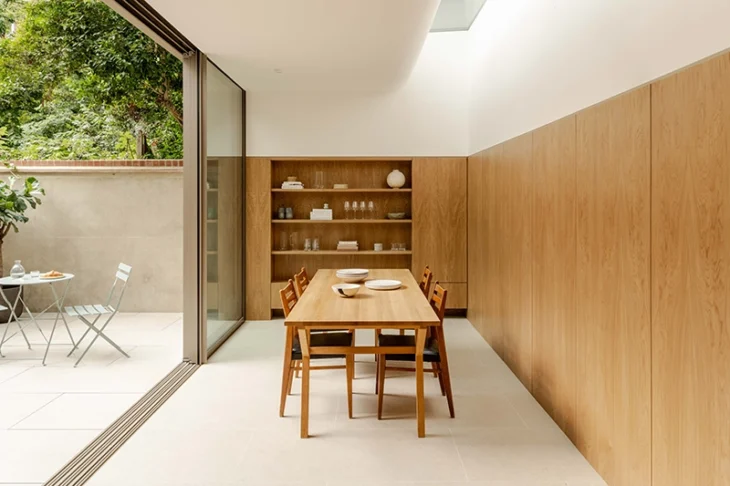
Before choosing lounge chairs or decorative planters, study the home itself. Look at the exterior palette, door and window proportions, rooflines, and materials already in use. An outdoor room feels more refined when it appears to belong to the building rather than being furnished as a separate project. Repeating one or two visual cues can create continuity without making everything match. A warm stone tone might carry from an interior threshold onto the terrace, while a darker metal finish can connect exterior lighting to window frames.
Furthermore, the transitions matter too: abrupt changes in paving levels, awkward edging, and exposed service equipment can disrupt an otherwise elegant scheme. A simple plan should establish where people will sit, walk, dine, and gather before permanent finishes are selected. Keep main circulation routes clear and place furniture according to sun, prevailing wind, and the views worth preserving.
Choose Surfaces With Depth and Permanence
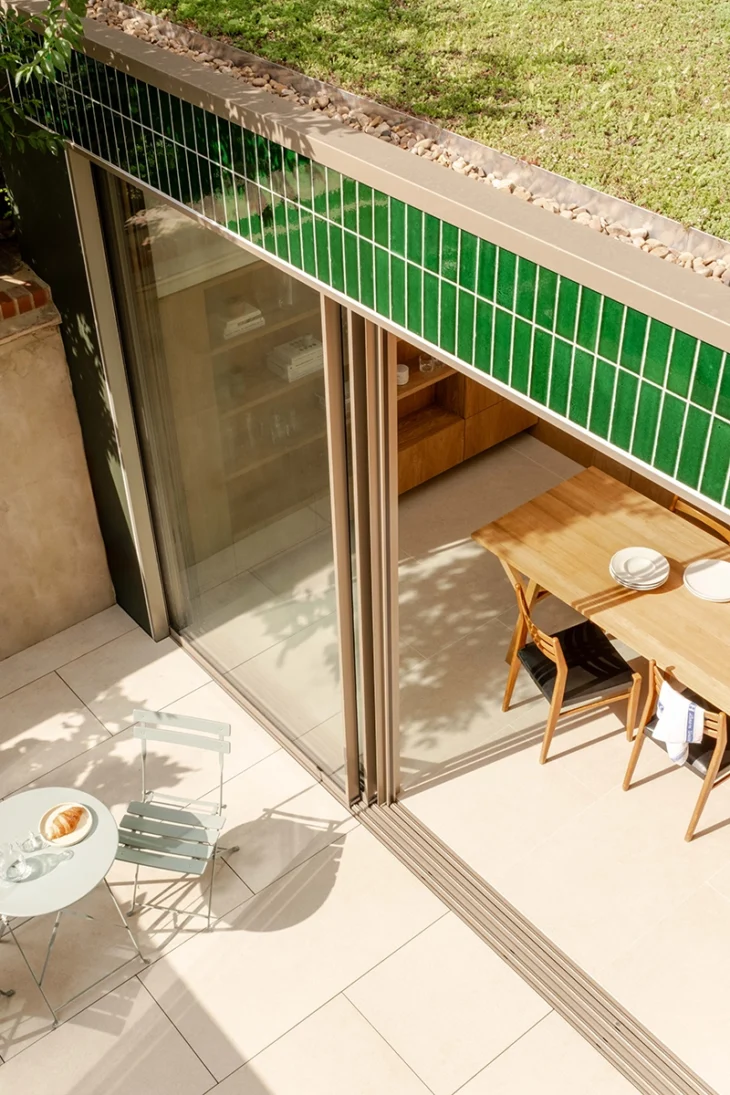
Exterior walls often occupy more of the view than any single furnishing. Their finish influences how light moves across the space, how planting appears against the backdrop, and whether the overall design feels flat or layered. Natural stone, textured masonry, and carefully chosen tile can introduce visual richness without relying on bold colors. Considering a distinctive architectural treatment? The timeless exterior facade tiles collections from brands such as OUTERclé offer a starting point for exploring material-led exterior design. Rather than treating wall finishes as an afterthought, consider their scale, surface variation, and relationship to the surrounding landscape early in the planning process.
Appearance alone should never determine a specification. Confirm that the particular product is approved for the intended exterior wall application and local climate, including exposure to moisture, direct sun, and freeze-thaw conditions where relevant. Substrate preparation, compatible setting materials, movement joints, and water management are essential to long-term performance. Handmade and natural finishes may vary from piece to piece, so reviewing physical samples and a dry layout with the installer is worthwhile.
Your design choice should emphasizes variation, installation planning, and product-specific requirements in its material guidance.
Create Comfort Through Proportion and Privacy
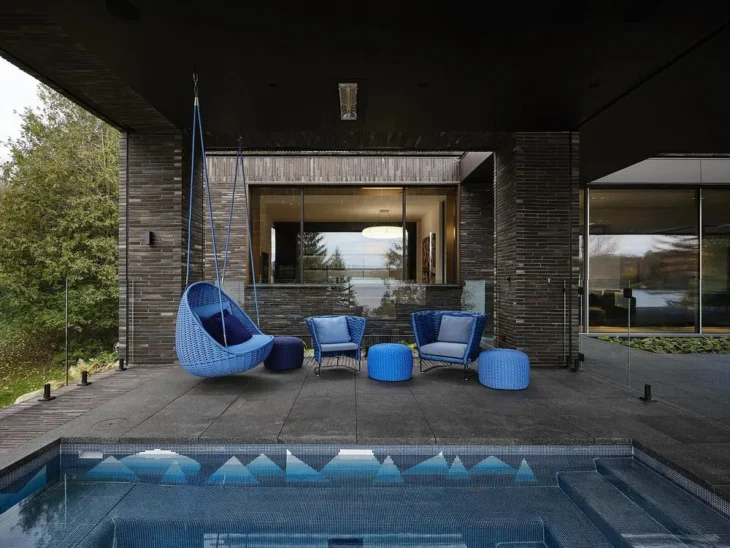
A luxurious outdoor room should feel generous without being oversized and can serve as the extension of your home. Where lines between interior and exterior can be blurred. It is important to choose seating that suits the available footprint, then leave enough room for people to move naturally around it. A small conversation area with properly scaled chairs often works better than a sprawling sectional that crowds the edges of a terrace. Privacy can be designed rather than simply screened. Slatted timber, clipped hedges, layered shrubs, or a low architectural wall can soften unwanted views while retaining airflow and daylight. Position these elements strategically around seating and dining zones instead of enclosing every boundary. The result feels sheltered but not shut off.
That said, comfort also depends on less visible decisions and the design can also be a part of the manner you are cultivating your garden and outdoor space. Consider whether seats receive harsh western sun, whether the dining area sits in a wind tunnel, and where rainwater travels during a storm. Adjustable shade and appropriate drainage make the space more usable throughout the year.
Let Lighting Reveal The Design After Sunset
Outdoor lighting is most effective when it establishes layers. Gentle illumination along paths supports safe movement, subtle wall washing highlights material texture, and focused light at a dining table creates an inviting place to gather. A single bright fixture rarely provides the same atmosphere. Choose exterior-rated luminaires suited to their exposure and position them to avoid shining directly into people’s eyes or neighboring windows. As unwritten rule, warm, controlled light generally feels more residential than harsh floodlighting. Separate circuits or dimmable zones also allow the space to shift from an active dinner setting to a quieter late-evening retreat.
Lighting should be coordinated with construction before any finishes go in. Mapping out cable runs, fixture recesses, and transformer access early avoids exposed conduit and needless cutting into completed walls. Planting and furnishings soften hard edges – Hardscape gives a space its structure, but greenery is what brings an outdoor room to life. Layer heights and leaf textures: a small tree or tall shrub for vertical presence, mid-height foliage to frame the seating, and low planting to blur the edges of paving. Choose species for the local climate, available sunlight, mature size, and irrigation needs, not looks alone.
Furniture should echo the same design language. Timber, powder-coated metal, woven details, and weather-resistant upholstery pair well when their colors and proportions are kept in check. Hard-wearing cushion fabrics, removable covers, and practical storage are less glamorous choices, yet they decide whether the space keeps looking cared for. Resist the urge to dress every surface with decorative objects. One sculptural planter, a well-chosen side table, or a single substantial piece of pottery makes a stronger focal point than a crowd of competing accents.
Invest In The Details That Last
Quality often hides in details that photographs miss. Clean material joins, consistent grout lines, discreet drainage, and well-finished steps make a space feel deliberate, while standing water, uneven cuts, and early staining can quickly cheapen even costly finishes. Before installation, ask the project team to confirm surface gradients, drainage paths, edge details, and upkeep requirements. Exterior flooring also needs slip resistance suited to its location, especially around pools or open walkways, and wall and floor tiles should never be treated as interchangeable just because they look alike. Plan for aging too: some natural materials gain a patina over time, while others need regular sealing or specialist cleaning. Review the care schedule before buying so the finishes you choose suit the household’s routine.
Finally, a luxurious outdoor living space is one people use every day. When architecture, materials, comfort, and maintenance are planned together, the result feels calm, personal, and built to last, and it never has to advertise its cost.