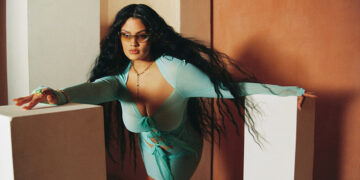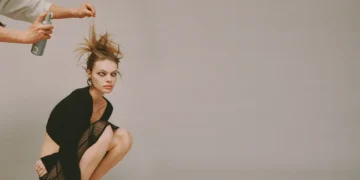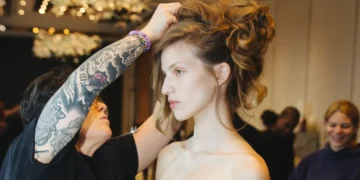



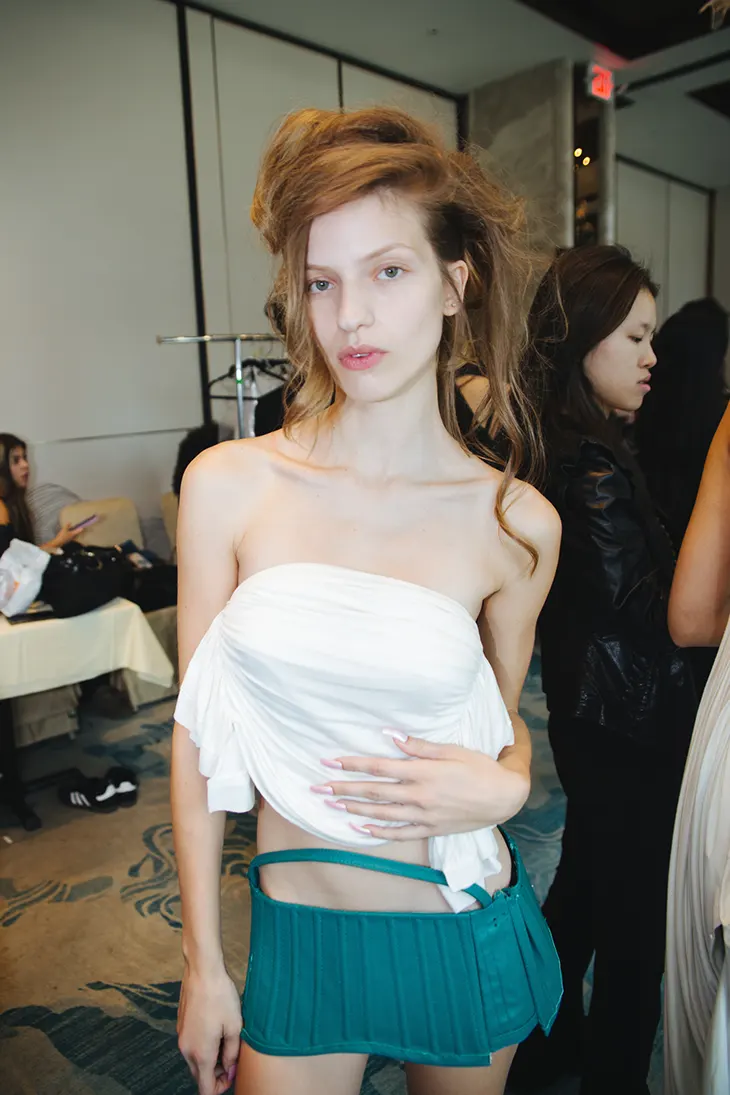
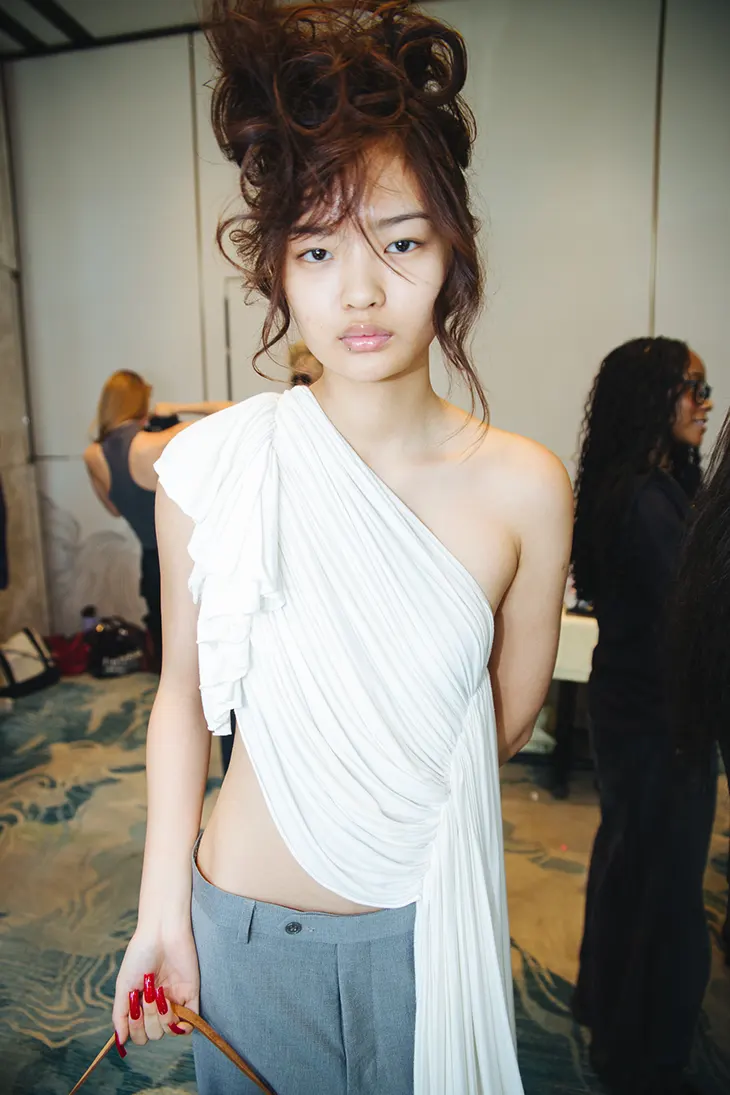
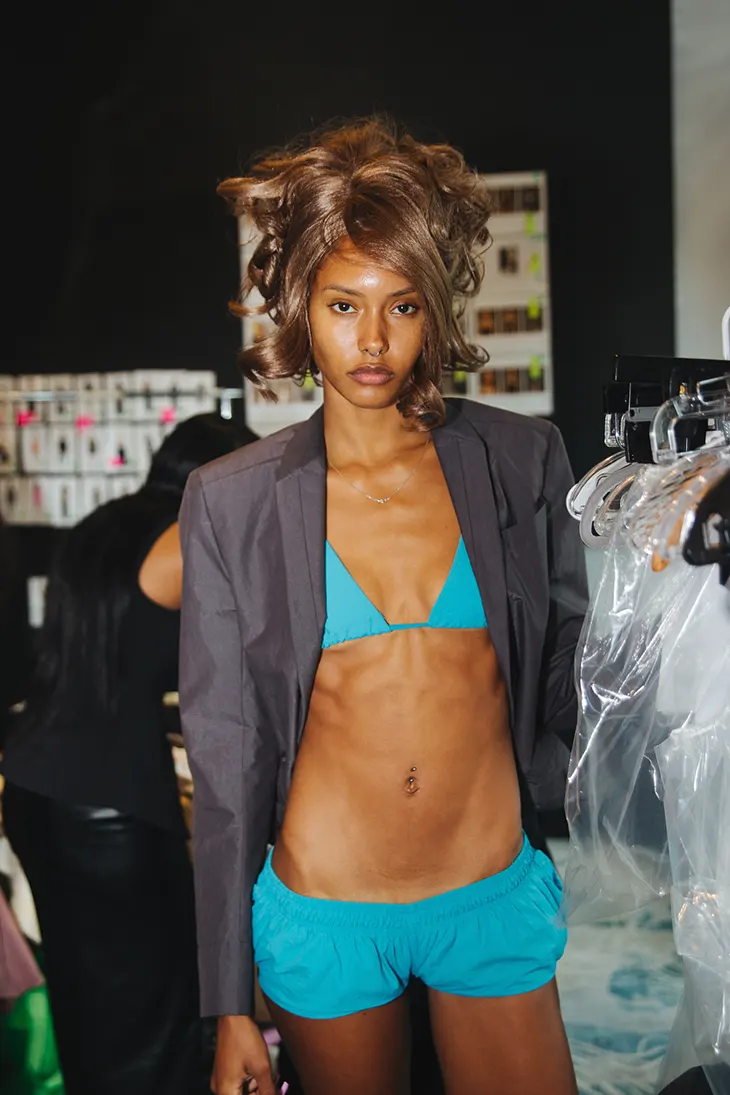
Watch any recent show closely and you will notice how little makeup seems to be there. Skin looks like skin. You can see a freckle, a little shine on the cheekbone, sometimes a flush. The clothes do the talking and the face stays quiet.
That look is harder than it seems. Backstage, it is the result of careful prep and very thin layers, done fast under bad lighting. The good news is that the method translates well to a bathroom mirror. You do not need a kit the size of a suitcase. You need a few habits.
Why Fashion Keeps Coming Back To Real Skin
Heavy foundation photographs as a mask, and a mask competes with the collection. Designers want the fabric, the cut and the color to be the first thing you see. A natural base also suits more people in a single casting, which matters when dozens of models pass through the chair in a few hours.
There is a practical side too. Models often walk several shows a day. Thick makeup that is applied, removed and applied again leaves skin sore by the end of the week. Light layers are kinder.
Prep Does Most Of The Work
Backstage tables are usually covered in skincare before any color comes out. Skin is cleansed, then massaged with moisturizer until it looks awake. That step alone evens out a lot of dullness.
At home, give your moisturizer a few minutes to settle before you reach for base. If your skin still looks tired, press a damp sponge over it. The aim is a face that already looks good bare, so the makeup has less to do.
Use Less Base Than You Think
The runway trick is to treat foundation like concealer. Put it only where you need it. For most people that means around the nose, on the chin and over any redness on the cheeks. The forehead and the edges of the face are left almost bare.
Work with a small amount on the back of your hand and pick it up with a brush or fingers. Tap, do not drag. If you can still see your skin through it, you have used the right amount.
Let The Shade Do The Matching
A sheer base only works if the color is right, because there is nowhere for a bad match to hide. Check it along the jaw in daylight. It should vanish without blending down the neck.
Some newer formulas try to remove that step. One example is the Color Changing Foundation from the US brand Smooche. It comes in one shade that looks pale in the bottle. The brand says the pigments release as you blend, so the color adapts to the wearer, and that it is designed for fair to medium skin tones. It gives medium coverage that you can build, with a soft matte finish and SPF 15.
Keep The Shine In The Right Places
Runway skin is not matte and it is not greasy. Shine sits on the high points: the top of the cheekbones, the bridge of the nose, the cupid’s bow. Everything else is calm.
Powder only the sides of the nose and the center of the forehead. Then tap a little balm or cream highlighter on the cheekbones with a fingertip. Under show lights that reads as healthy. In daylight it reads as a good night’s sleep.
Cream Over Powder, Fingers Over Brushes
Look at a backstage kit and you will see a lot of small pots. Cream blush, cream bronzer and balm sit closer to the skin than powder, and they keep the surface looking alive. Powders can look flat when the base underneath is this sheer.
Fingers are the fastest tool. The warmth of your hand softens the product and presses it in, so there are no edges to blend away. Smile, tap a little cream blush on the cheek and pull it up toward the temple. The color should look like it comes from under the skin.
Brows, Lashes And Not Much Else
With a quiet base, small details carry the face. Brush the brows up and hold them with a clear gel. Curl the lashes and stop there, or add one coat of mascara at the roots. A tinted balm on the lips finishes it.
If you want one strong element, pick one. A red lip on bare skin looks deliberate. A red lip with heavy eyes and full foundation looks like a different decade.
What The Camera Sees
Runway makeup is designed to be photographed from ten meters away and in close-up at the same time. That is why it avoids anything that sits on the surface. Thick concealer creases, glitter jumps, and heavy contour turns muddy under white light.
The same rules help in everyday photos. Before a dinner or an event, take one picture by a window and one with flash. If your face looks the same in both, your base is right. If the flash shot looks paler than your neck, blend further down and use less powder.
Make It Last Past The Finale
A show lasts about ten minutes. Your day does not. To stretch a light base, carry blotting papers instead of powder and press them on when shine builds up. Reapply base only where it has worn away, usually around the nose.
The barely-there face rewards restraint. Do the prep, use a third of the product, and leave the rest to your skin.
Images from Backstage Moments at Vettese Spring Summer 2027 Show – see full story here.