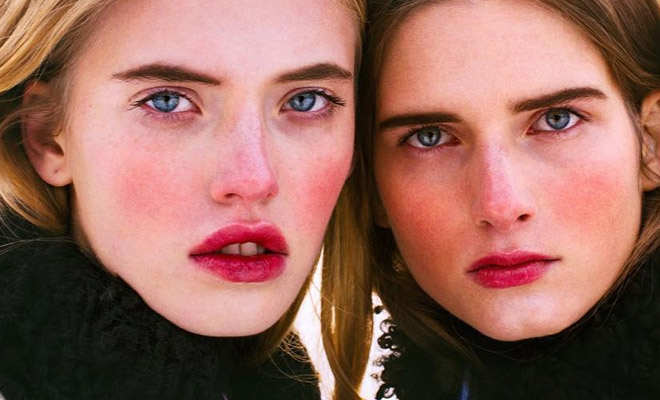



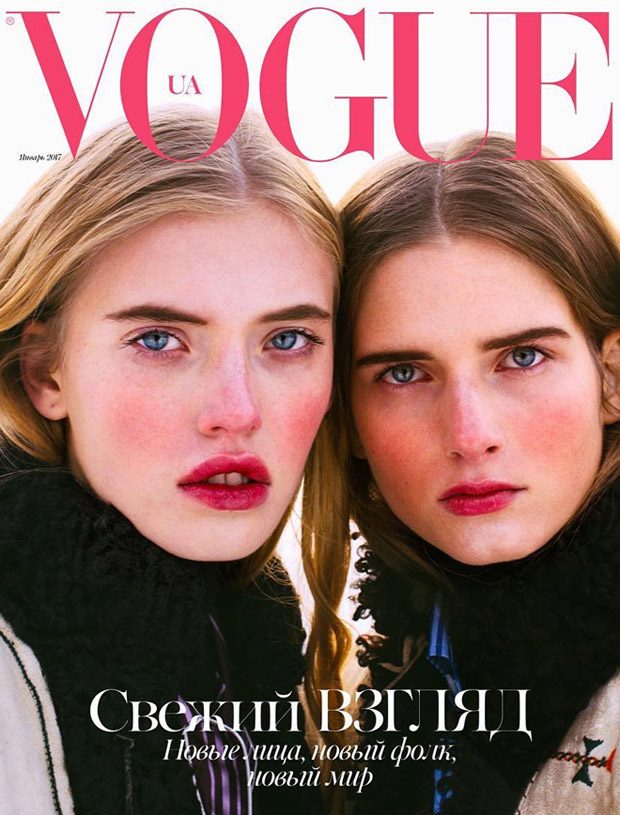
Fresh faces Vita Filonenko and Kristina Abibulayeva (both at 1 Mother Agency) land on the cover of Vogue Ukraine‘s January 2017 edition captured by fashion photographer Elizaveta Porodina. In charge of styling was Julie Pelipas, with art direction from Sergei Kovalyov. Hair and makeup is work of beauty artist Stella von Senger. The cover story was inspired by Ukrainian folk holiday named Malanka.
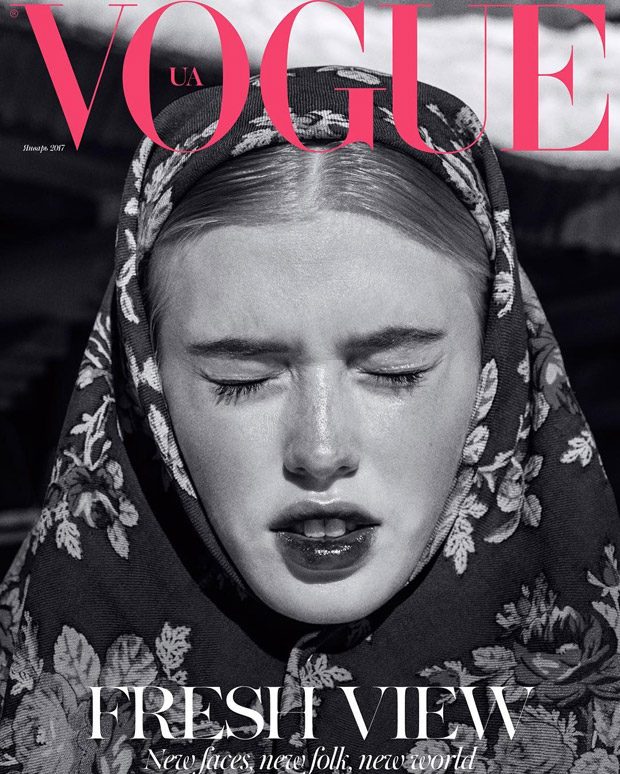
I found additional archival material that gives the story more context: the editorial was explicitly titled “Malanka,” included Veronika Rusakova alongside the two cover models, and credited Megan McCluskie with casting. Contemporary notes also describe the shoot as taking the team to some of Ukraine’s “most sacred places” to explore the tradition through the lens of new faces. (Models)
Vita Filonenko & Kristina Abibulayeva Cover Vogue Ukraine January 2017
Fresh faces Vita Filonenko and Kristina Abibulayeva, both represented by 1 Mother Agency at the time, land on the cover of Vogue Ukraine’s January 2017 edition, photographed by Elizaveta Porodina. Julie Pelipas handled fashion direction and styling, with Sergei Kovalyov overseeing art direction and Stella von Senger und Etterlin responsible for makeup and beauty. (DSCENE)
The accompanying story, titled “Malanka,” draws inspiration from the traditional Ukrainian New Year celebration of the same name. Rather than treating the folk tradition as a straightforward historical reference, the editorial translates its distinctive imagery into a contemporary fashion setting, bringing together young models, dramatic styling and Porodina’s atmospheric photographic language. (Models)
Malanka is celebrated around the Old New Year and is known for its elaborate rituals, masquerade-like characters, costumes and performances. This theatrical quality makes the tradition particularly well suited to fashion photography, and the Vogue Ukraine team approached it as a meeting point between Ukrainian cultural heritage and contemporary image-making.
For Porodina, the project offered an opportunity to push her already distinctive visual style into a distinctly Ukrainian context. Her photographs frequently emphasize mood, unusual compositions and an almost dreamlike relationship between subject and environment. Here, those qualities help turn the models into enigmatic figures within a world that feels simultaneously ancient and modern.
The production was conceived on location, with the creative team travelling to places described by Porodina as among Ukraine’s most sacred sites. The resulting imagery connects the models with the landscape and architecture rather than isolating them against a conventional studio backdrop. The approach gives the story a sense of ritual and atmosphere, while Pelipas’s styling reinforces the tension between traditional references and contemporary fashion. (the Fashion Spot)
The January issue also represented an important moment for Vita Filonenko, who was emerging as one of the promising new Ukrainian faces of the period. Her early agency profile identified her with 1 Mother Agency, while contemporary industry coverage later noted her signing with Marilyn Agency in Paris and appearances in international fashion work. (the Fashion Spot)
Kristina Abibulayeva was similarly beginning to make an impression internationally. Before the Vogue Ukraine cover, she had already walked shows during the Spring/Summer 2017 season, including Gucci in Milan, as well as appearances for Chris Gelinas, Roksanda, PH5, Lemaire, Drome, Paskal and others. (the Fashion Spot)
The editorial extended beyond the two cover stars. Veronika Rusakova was also cast in the “Malanka” story, creating a broader ensemble of emerging faces. Megan McCluskie was credited as casting director, while Porodina, Pelipas and von Senger und Etterlin formed the core photographic, styling and beauty team. (Models)
Visually, the story is notable for the way it avoids making the Ukrainian folk references feel like costume photography. Instead, traditional motifs become part of an abstract fashion narrative. The models appear almost like characters in a contemporary folk tale, with the unusual silhouettes, textures and surroundings creating a mysterious atmosphere rather than simply illustrating the holiday.
The choice of two relatively new models for the cover was equally significant. Instead of relying on an established international name, Vogue Ukraine used the January issue to spotlight a new generation of faces connected to the Ukrainian modeling scene. The decision placed Filonenko and Abibulayeva within an editorial that was itself deeply rooted in local culture, giving the cover a distinctly Ukrainian identity while maintaining an international fashion aesthetic.
The result is one of the more memorable early collaborations between Porodina and Vogue Ukraine. The photographer would continue to work with the publication on other notable fashion stories, including the November 2015 cover featuring Lou and Nils Schoof, establishing a recurring relationship with the magazine and its highly fashion-forward visual direction. (Wikipedia)
The January 2017 cover therefore works on several levels: it introduces two emerging models, celebrates one of Ukraine’s most visually distinctive winter traditions and demonstrates how contemporary fashion photography can reinterpret cultural heritage without reducing it to nostalgia. Through Porodina’s lens and Pelipas’s styling, “Malanka” becomes less a literal depiction of a holiday and more an atmospheric portrait of Ukrainian identity, ritual and new-generation fashion.
Credits:
Models: Vita Filonenko, Kristina Abibulayeva
Additional model: Veronika Rusakova
Photographer: Elizaveta Porodina
Fashion Editor/Stylist: Julie Pelipas
Art Direction: Sergei Kovalyov
Makeup: Stella von Senger und Etterlin
Casting: Megan McCluskie
Magazine: Vogue Ukraine
Issue: January 2017
Editorial: “Malanka”
Agencies: 1 Mother Agency (Vita Filonenko and Kristina Abibulayeva at the time of publication)