



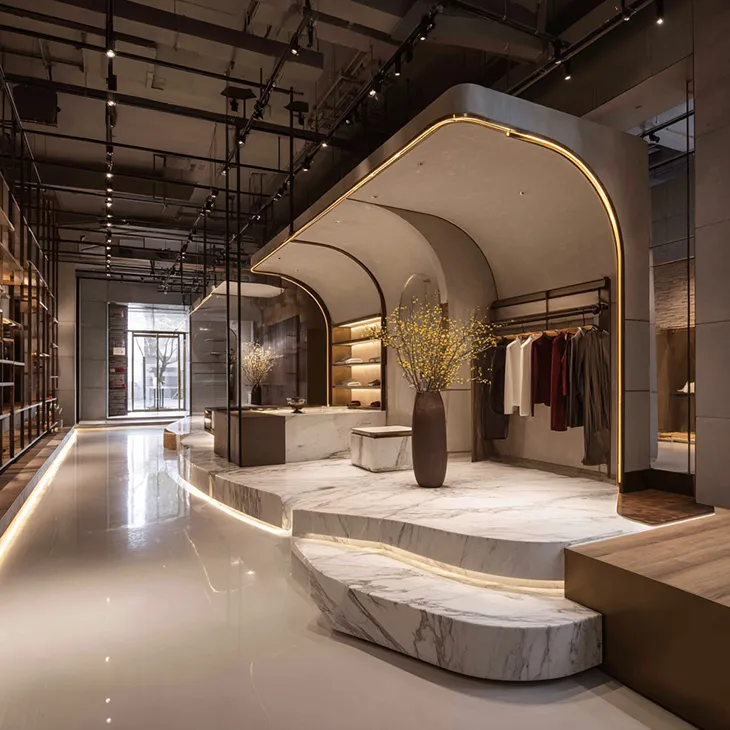
For an independent fashion brand, the jump from an online store or a series of weekend pop-ups to a first physical flagship store marks a major business step. A permanent retail space gives a label a new level of visibility. It takes the brand beyond product images, social posts, and temporary activations, and turns it into a place customers can enter, experience, and remember.
A flagship store also gives a brand full control over its physical identity. The wall textures, lighting, fitting rooms, display fixtures, music, scent, and customer service all communicate the brand’s point of view. Every detail shapes how visitors understand the clothes and the people behind them.
Opening a permanent store also requires serious capital. A commercial lease, custom build-out, opening inventory, staff, utilities, insurance, marketing, and daily operations can place immediate pressure on a young label. To turn a retail plan into a working store, designers need a clear financing strategy. They need to think like business owners as much as creative directors.
Assess the Real Cost of Your Vision
Before seeking outside funding, a brand needs a detailed understanding of the full cost. A flagship store requires much more than monthly rent. Independent fashion labels face specific expenses when they enter physical retail, and many of them begin with the build-out.
A fashion flagship needs custom clothing racks that match the brand’s aesthetic, fitting rooms that feel refined and comfortable, mirrors with proper scale, and lighting that presents fabric and color accurately. These details affect how customers see the clothes and how long they want to spend in the space.
The budget also needs to include security systems, a modern point-of-sale setup, storage, packaging, signage, cleaning, staff areas, and opening inventory. Empty racks can weaken the first impression, so brands need enough product to make the store feel active from day one.
Accurate quotes from contractors, suppliers, fixture makers, and technology providers help create a realistic budget early in the process. This number gives the brand a clearer target and helps avoid underfunding the store before it even opens.
Bootstrap and Leverage Existing Revenue Streams
The first funding source often comes from the business itself. Many independent brands finance part of their retail expansion through existing revenue from online sales, wholesale accounts, collaborations, and archive stock.
A brand can create short-term capital by launching a special pre-order campaign for an upcoming collection. It can also organize an online archive sale to clear older inventory and unlock cash that already exists inside the business. Limited drops, private client previews, and early access offers can also help generate revenue before the store opens.
This approach does more than reduce the amount a brand needs to borrow. It shows lenders, landlords, and potential partners that the label already has customer demand. Strong direct sales, repeat buyers, and healthy cash flow make the business look more stable. They prove that customers already respond to the brand before it enters a permanent retail setting.
Navigate Commercial Real Estate Loans
When online sales and internal revenue cannot cover the full build-out, a commercial real estate loan can support the next stage. These loans help business owners buy property or finance major renovations and construction inside a leased commercial space.
Banks and landlords usually want proof that the business can handle new financial obligations. They will look at revenue, expenses, profit margins, cash flow, existing debt, and the brand’s ability to manage regular loan payments along with daily operating costs.
Before approaching a lender, a brand should review whether its current cash flow can support the added pressure. A DSCR loan calculator can help measure the debt service coverage ratio, which shows how lenders compare available cash flow with proposed loan payments. This gives founders a clearer view of how much they can afford to borrow before they begin the application process.
That step can prevent unrealistic borrowing plans and help the brand enter lender conversations with stronger numbers.
Explore Small Business Administration Loans
For smaller design houses who have limited collateral, Small Business Administration loans can offer a practical alternative to traditional bank financing. Since the government backs these loans, they often come with lower interest rates and more flexible repayment terms, which can suit retail expansion.
The SBA 7(a) loan program can work well for fashion brands because the funds can support several business needs. A label can use the loan for inventory, equipment, leasehold improvements, working capital, and storefront renovations.
The application process requires preparation. Brands usually need clean financial statements, tax records, a business plan, sales projections, and a clear explanation of how the retail space will support growth. The process can take time, but the terms can make it one of the more stable long-term options for financing a first store.
Cultivate Creative Funding and Community Backing
Independent fashion brands often grow through community. Loyal customers, stylists, editors, local creatives, and early supporters can play an important part in helping a brand open its first physical space.
Crowdfunding can turn that support into capital. Platforms built for community funding allow customers to contribute directly to the store launch. In return, the brand can offer rewards that feel connected to its identity, such as early access to new drops, limited-edition pieces, private appointments, or invitations to the opening event.
This route allows a brand to raise money while keeping equity inside the company. It also creates excitement before the store opens and gives supporters a personal connection to the project.
A collaborative retail model can also reduce financial pressure. A fashion label might partner with a non-competing brand, such as a local shoe, jewelry, beauty, or homeware designer, and rent part of the space to them. This can lower monthly overhead while giving customers a fuller retail experience.
The right partner can bring a new audience into the store and help create a stronger destination. For an independent label, that shared model can make a first flagship more financially manageable.
Building the Store with a Clear Financial Plan
A flagship store can give an independent fashion brand a permanent home, but it needs a strong financial plan behind it. The most successful approach usually starts with a precise budget, then builds a funding mix from existing revenue, loans, community support, and possible partnerships.
Creative ambition can shape the retail concept, but financial planning keeps the doors open after launch. A brand that understands its costs, protects its cash flow, and chooses funding carefully can turn a first store into a sustainable step in its growth.