


When Richard Avedon arrived in Paris in the summer of 1956 to consult on Funny Face, he was already contemplating a pivot. The photographer, whose camera had become synonymous with the American portrait, seriously considered abandoning photography for film directing. He never made that leap. Instead, he spent the next seven decades photographing Hollywood itself, turning his lens on the machinery that manufactures myth and the people who fuel it.
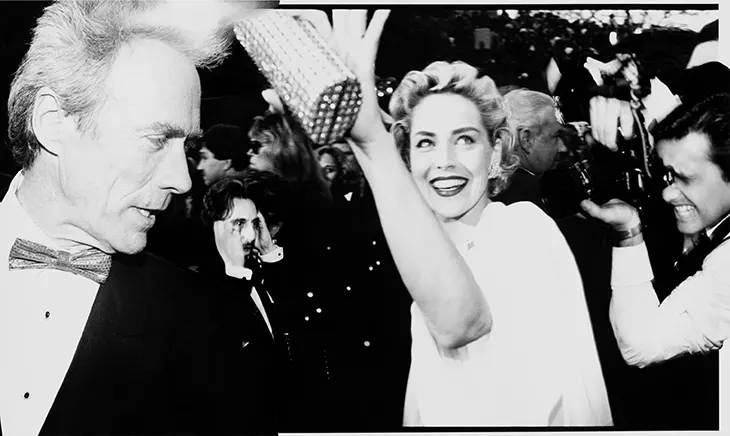
Gagosian’s Beverly Hills location will host “Richard Avedon: Hollywood” beginning November 4, a survey of more than 150 photographs that traces this obsession across five decades. Curated by the Richard Avedon Foundation, the exhibition assembles some of his most recognizable work alongside rarely exhibited photographs, revealing Hollywood not as glamour but as a deeply American power structure.
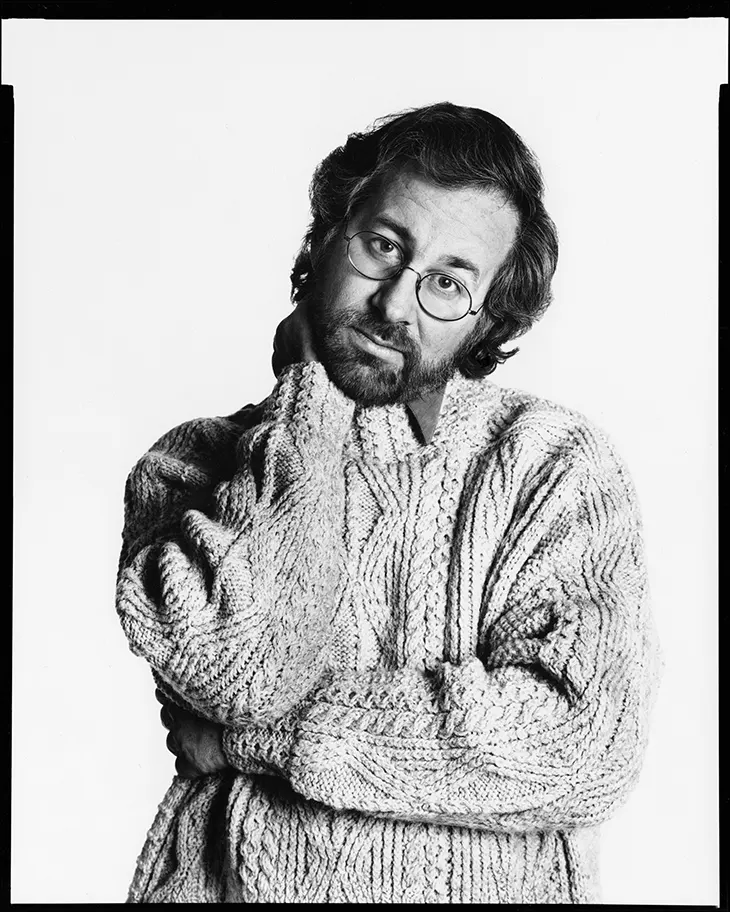
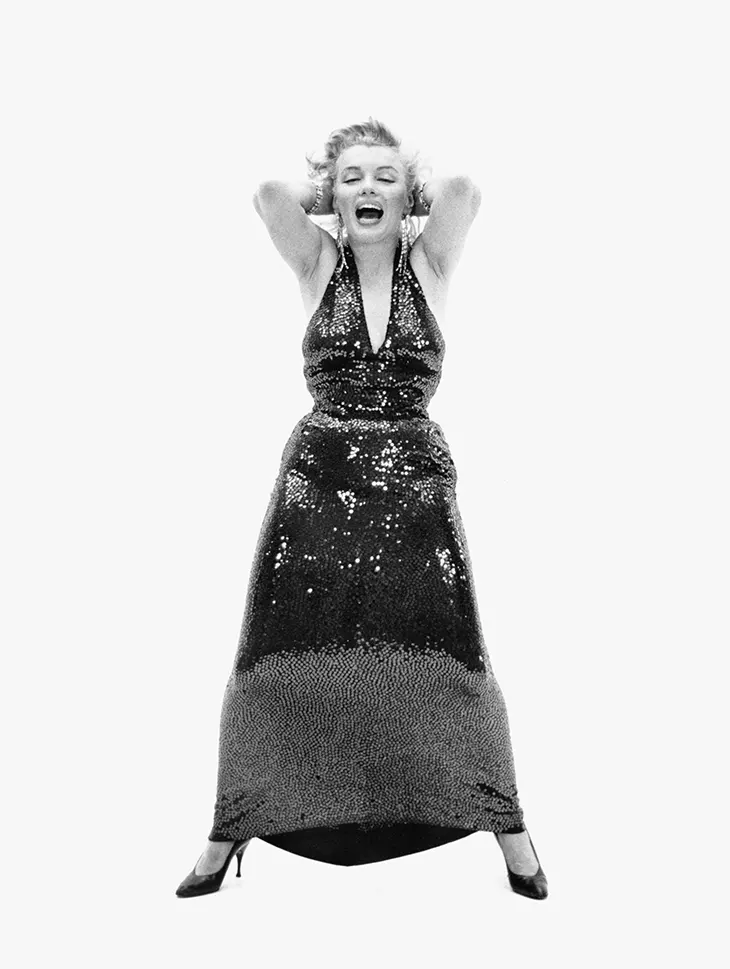
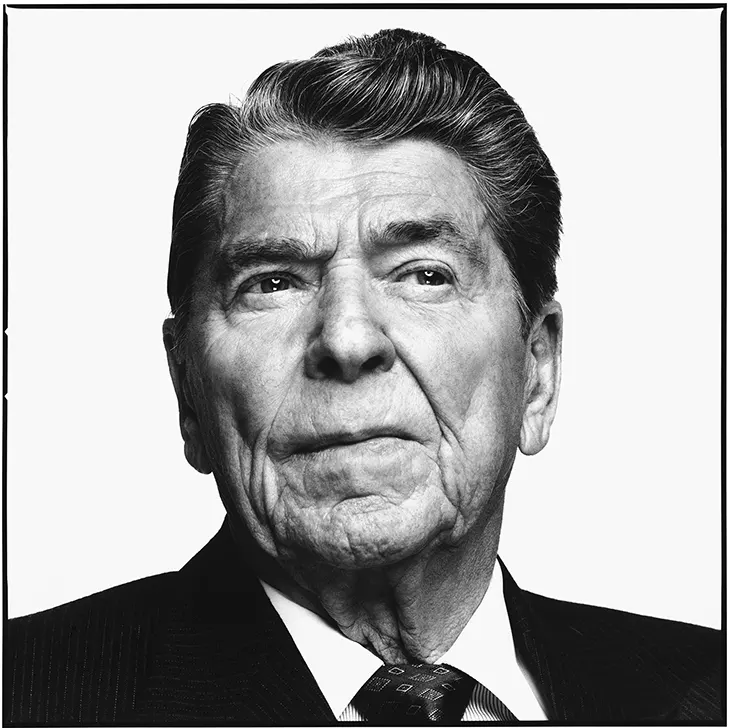
The scope is ambitious. Avedon photographed actors, directors, writers, producers, and composers, but also the financial architects and critics who shaped the industry’s narrative. What emerges is a portrait of an ecosystem, not an industry. Four presidents appear throughout the archive, each with documented Hollywood connections, suggesting that Avedon understood something fundamental: that the boundary between entertainment and politics in America was always permeable.
The famous images are here. Marilyn Monroe and Katharine Hepburn, John Ford and Steven Spielberg. These portraits convey what Avedon’s work always communicated best: an extraordinary intimacy that never reads as invasive. His subjects appear fully present, often vulnerable, stripped of the carefully constructed personas that typically shield public figures. The camera becomes a space of unexpected honesty.
But the power of this survey lies in what surrounds these canonical works. By surrounding iconic portraits with images of studio executives, agents, and critics, Avedon forces a reckoning with what Hollywood actually is: a reputation-manufacturing apparatus where image, capital, and narrative converge. The exhibition becomes a study in how power circulates in America, and how the photograph itself functions as both document and mythology.
The timing coordinates with Ron Howard’s documentary “Avedon,” which premiered at Cannes this year, amplifying the cultural conversation around a photographer who always understood that the portrait is never merely personal. It is always, inevitably, political.
The exhibition opens November 4 and runs through December 19 at Gagosian Beverly Hills, 456 North Camden Drive. Related coverage: Art | Photography