


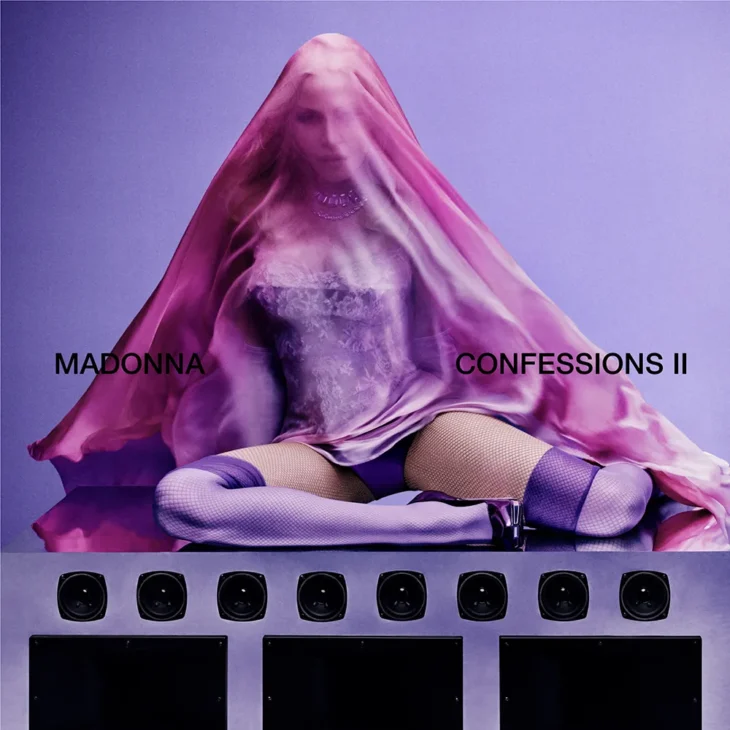
Madonna returns to one of the defining moments of her career with the release of Confessions II, a direct follow-up to her 2005 album Confessions on a Dance Floor. Released on July 3, the new record reunites the singer with producer Stuart Price, whose work helped shape the sound of the original album. Together, they revisit the dancefloor through sixteen new tracks rooted in disco, electronica, synth-pop, and contemporary club music.
MUSIC
Rather than revisiting the past through nostalgia, Confessions II builds on the ideas that made its predecessor so influential. The production keeps its focus on rhythm and movement, presenting the club as a place for connection and release. Price returns with layered electronic arrangements that give the album a polished, expansive sound while maintaining the energy associated with the original project.
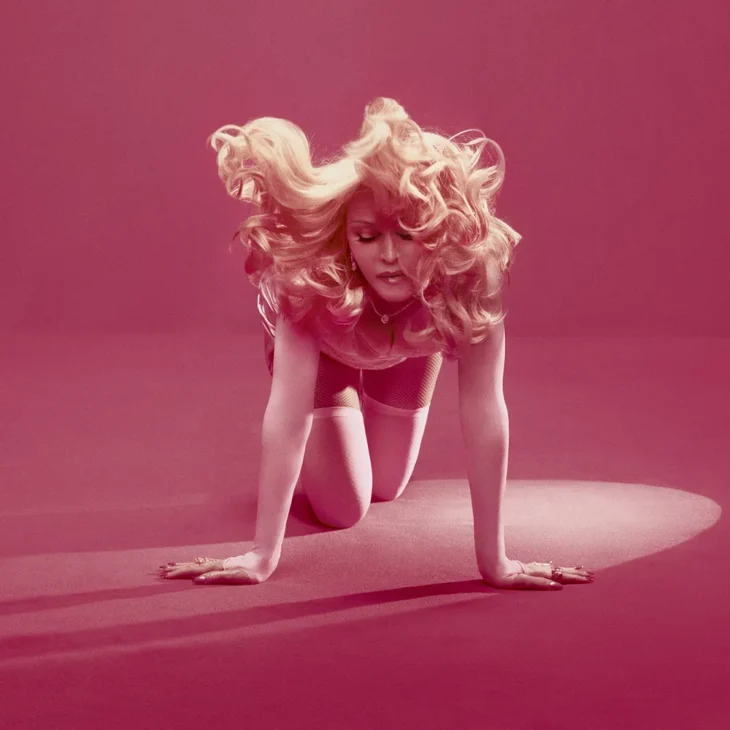
The album marks Madonna’s fifteenth studio release since her debut in 1983 and follows the previously released singles “I Feel So Free,” “Love Sensation,” and “Bring Your Love.” The latter pairs Madonna with Sabrina Carpenter, continuing a creative connection that became public when Madonna joined Carpenter on stage during her Coachella headline performance earlier this year.
Confessions II also expands its reach through a wide range of collaborators. Belgian artist Stromae appears on “My Sins Are My Savior,” while Dutch producer Martin Garrix joins Madonna on “Bizarre.” Colombian star Feid contributes to “Read My Lips,” adding another high-profile collaboration to a year that has already seen him work across several electronic music projects.
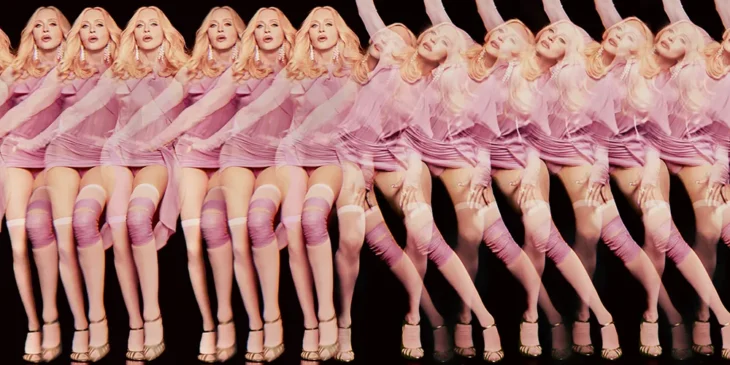
One of the album’s most personal moments arrives with “The Test,” a collaboration between Madonna and her daughter Lola Leon. The song explores their relationship through reflective lyrics that acknowledge distance, identity, and acceptance. Its emotional tone recalls the intimate themes that ran beneath the dancefloor energy of Confessions on a Dance Floor, released when Leon was just nine years old.
While the album remains firmly connected to club music, it avoids simply recreating the sound of 2005. Instead, Madonna and Price draw from decades of dance music while presenting it through a contemporary lens. The result is an album that moves confidently between classic influences and current production without losing its own identity.
Nearly two decades after Confessions on a Dance Floor reshaped Madonna’s career, Confessions II revisits that creative partnership with fresh collaborators, new stories, and a renewed focus on the dancefloor as a place of expression.