


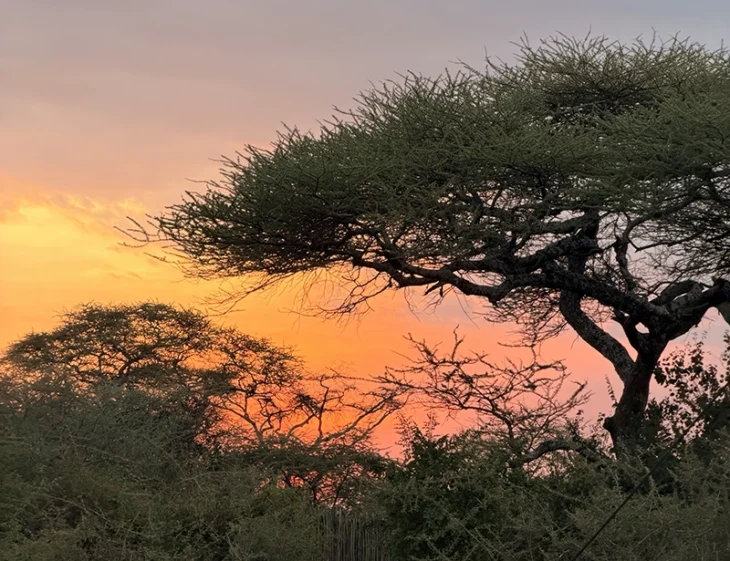
I came to Tanzania for the Serengeti. Like most visitors, I arrived prepared to look outward, toward the horizon, toward the animals moving through tall grass, toward the landscape that has filled books, films, and childhood imagination. Safari teaches you to watch carefully. You learn to notice movement in the distance, to follow tracks, to wait in silence. Yet it can also make you miss what exists close by. You can pass through a place and never truly see the people who live there.
DORIC ORDER
During my stay at Mapito Safari Camp, Serengeti, Autograph Collection, I was given the rare opportunity to visit Hope for Girls and Women in a journalistic capacity, through the camp’s ongoing relationship with the Centre. This was not a tourist visit, nor an experience regularly offered to guests. Access to the Centre is limited and handled with care, respect, and clear safeguarding guidance. I said yes immediately, although I did not know what to expect. I only knew that the invitation mattered. It felt like a chance to understand something beyond the usual travel narrative, beyond the beauty of the landscape, and closer to the realities that shape life for many in the region.
Hope for Girls and Women, or Matumaini kwa Wasichana na Wanawake in Swahili, was founded in 2017 by Tanzanian activist Rhobi Samwelly. Her own experience of being forced to undergo female genital mutilation as a child shaped her lifelong fight for the rights of girls and women. Today, the organisation runs two safe houses in the Butiama and Serengeti Districts, supporting girls and women fleeing female genital mutilation, child marriage, and other forms of gender based violence.
Seeing a place means seeing more than what is beautiful. It means learning what is painful, what is hidden, and what people are doing every day to change it.
For many readers, female genital mutilation may feel distant, almost impossible to understand. FGM refers to the partial or total removal of external female genitalia for non-medical reasons. It is usually carried out on girls and can cause lasting physical and psychological harm. It is internationally recognised as a violation of the rights of girls and women, and it often happens in childhood, before a girl can understand or refuse what is being done to her. It is tied to control, tradition, fear, marriageability, and the policing of girls’ bodies. It is not a private cultural issue to look away from. It is a form of gender based violence.
In the Mara Region, the numbers are difficult to read. Gender based violence remains a serious problem. The region has the highest rate of spousal violence in Tanzania, affecting 78% of married women. More than 50% of adult women were married by the age of 18, and 32% have undergone FGM. Only 21% have ever attended secondary education. Behind every statistic is a girl, a family, a village, a future interrupted or at risk.
Hope Centre is not a place defined only by violence. It is a place that exists because of violence, but it refuses to let violence have the final word.
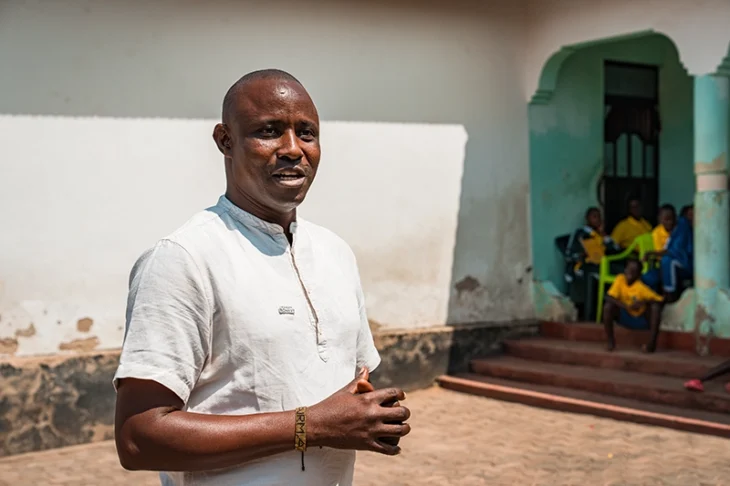
At the Centre, I spoke with the director, who explained the work with clarity and calmness. Some girls arrive because they face immediate risk of FGM. Others flee pressure toward child marriage or other forms of violence. Hope for Girls and Women provides the first and most urgent layer of protection: a safe house where girls can survive immediate danger.
What happens after that depends on wider support. Many of the girls have access to education, English lessons, skills training, internships, and medical care through sponsorship and partnerships, including the assistance of Give a Future Foundation and Mapito. Give a Future Foundation has supported the girls by hiring a full-time English teacher, an essential step in helping them access future opportunities. Mapito also contributes through practical initiatives, including camp guide internships and medical care through access to doctors. Together, these forms of support help move the girls from immediate safety toward confidence, independence, and a future shaped by more than survival.
Still, no explanation could prepare me for meeting the girls.
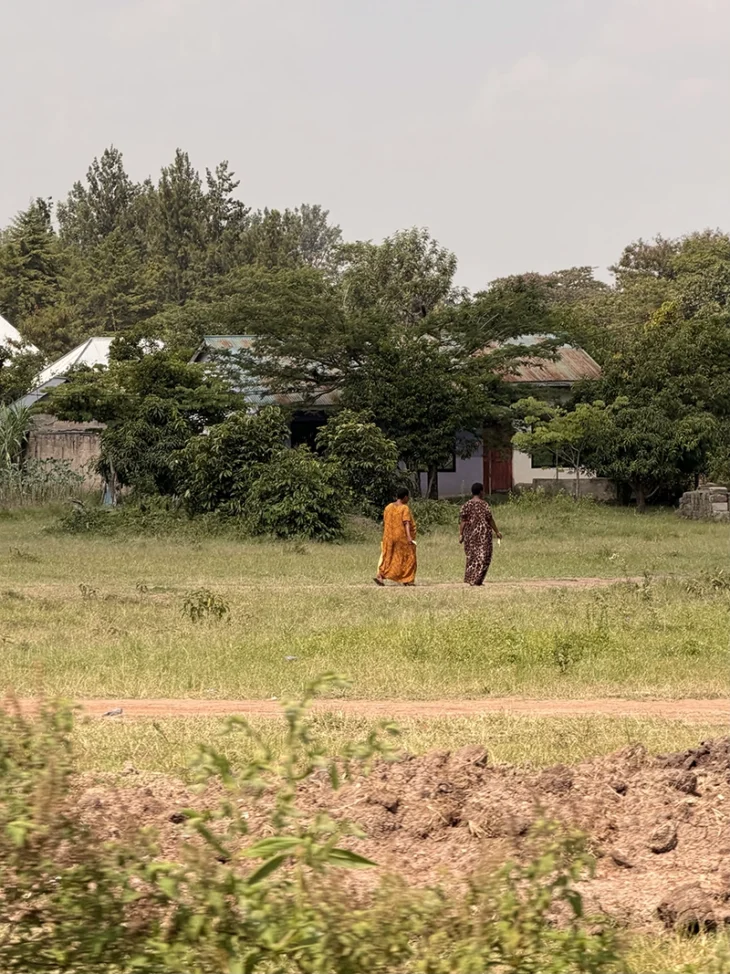
They were children. That was the first thought I could not shake. Children with bright faces, quick laughter, shy glances, and the kind of energy that fills a room before anyone says much at all. They had every reason to be quiet, guarded, or withdrawn, yet what struck me most was their warmth. They looked after one another with the tenderness of sisters. The older girls watched the younger ones. They moved together, sat together, laughed together. The house had its own rhythm of care.
A house can be many things. It can be shelter. It can be school. It can be a place of recovery.
What stunned me was not only their resilience, but their hope. Each girl seemed to hold a future close to her, as if naming it kept it alive. One wanted to become a pilot. Another wanted to become a photographer. Another dreamed of becoming a journalist. Another wanted to be a safari guide. These dreams were not abstract. They were spoken with the seriousness of children who understand that the future must be imagined before it can be reached.
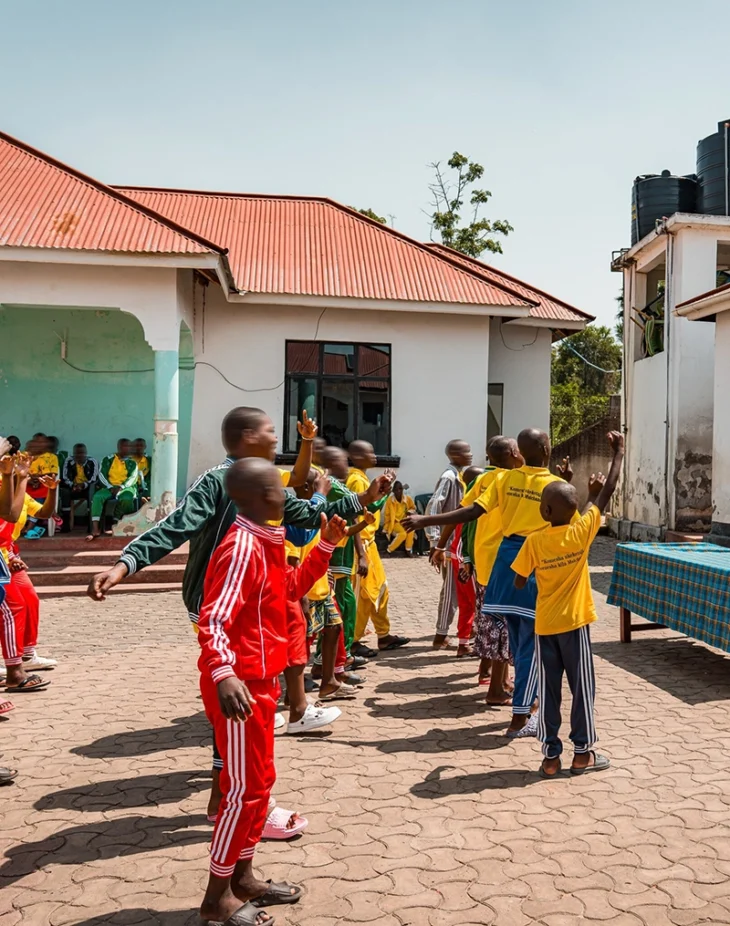
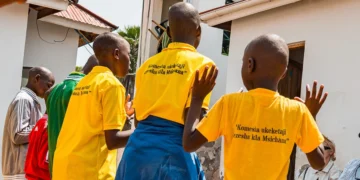
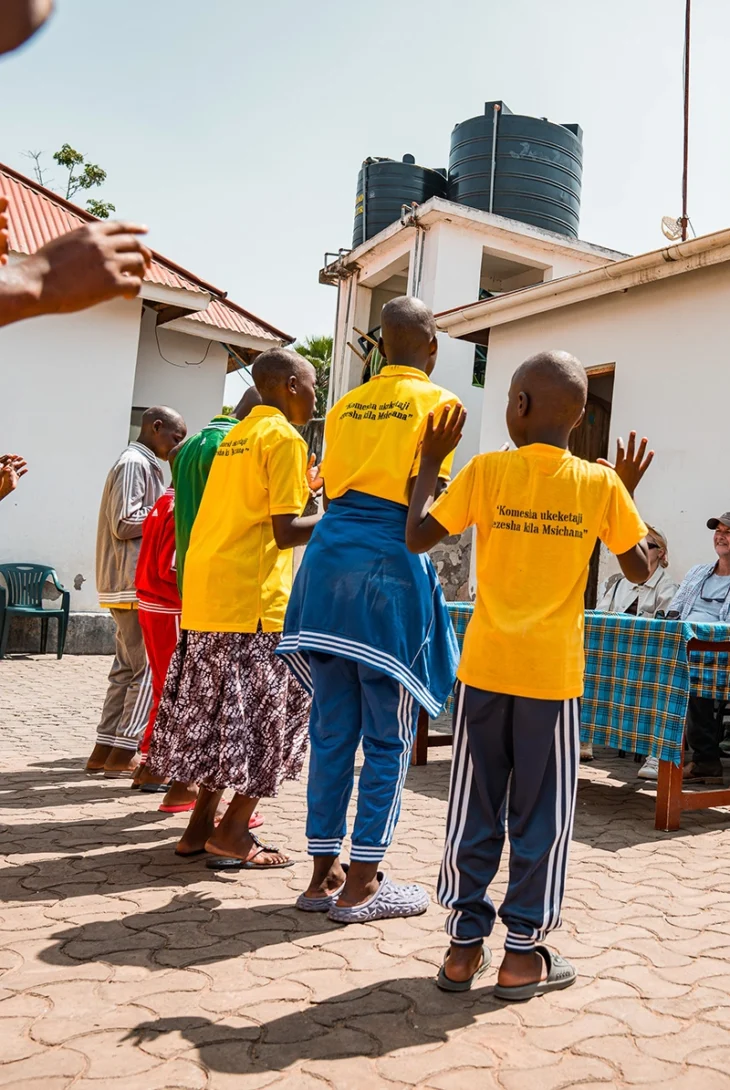
At some point, we began to sing and dance. The girls taught us dance moves, laughing when we tried to follow. For a moment, everything became light. There was music, movement, clapping, and joy. It was beautiful in the simplest way, and powerful because it was simple. The girls were not reduced to what they had escaped. They were funny, generous, talented, curious, and alive with possibility. They were children who wanted to dance, to learn, to work, to travel, to become.
Each girl seemed to hold a future close to her, as if naming it kept it alive.
That is what stayed with me most. Hope Centre is not a place defined only by violence. It is a place that exists because of violence, but it refuses to let violence have the final word. Its work begins with protection, yet it moves toward education, confidence, and independence. It gives girls time. It gives them safety. It gives them the space to remain children while preparing for adulthood on their own terms.
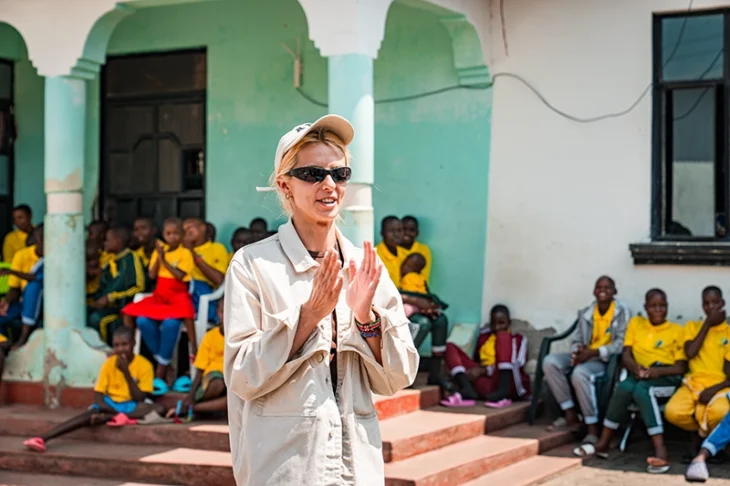
Saying goodbye was harder than I expected. A short visit creates its own kind of discomfort. You arrive, you listen, you are moved, and then you leave. They stay. The responsibility of that difference does not disappear once the car pulls away. It follows you. It asks what it means to witness something, to be welcomed into it, and then to return to your own life with the story still in your hands.
Behind every statistic is a girl, a family, a village, a future interrupted or at risk.
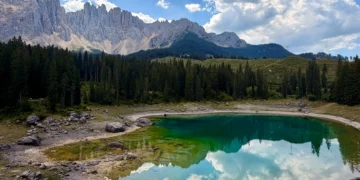
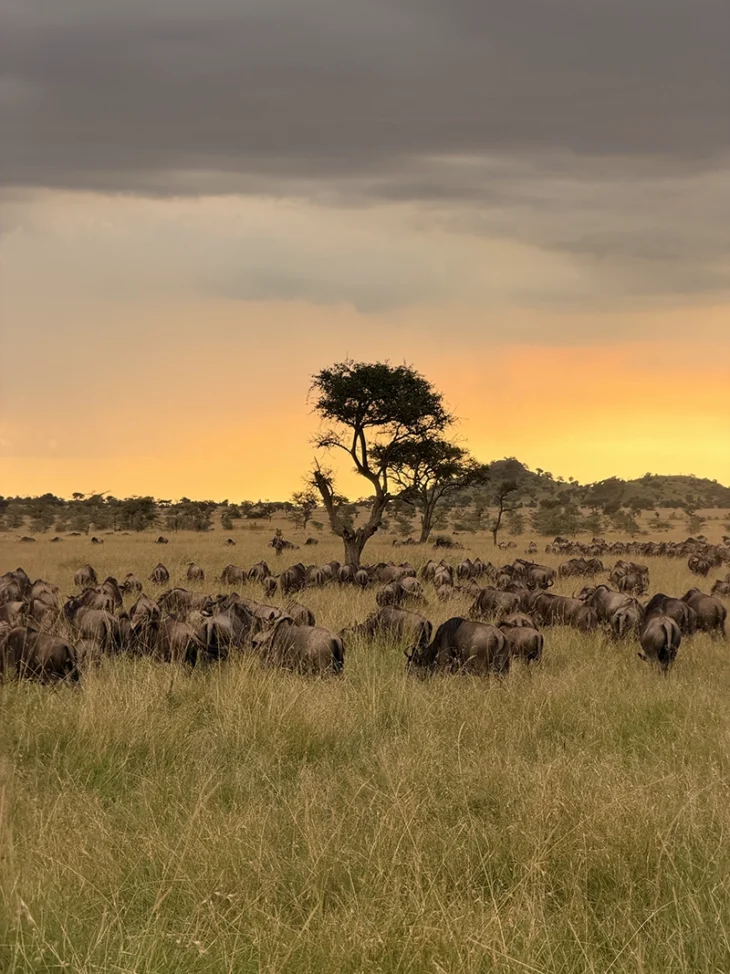
I came to Tanzania to see the Serengeti, and I did. I saw its vastness, its animals, its impossible light. But learning about Hope Centre gave me something else. It shifted my attention beyond the landscape, to the girls and women whose realities rarely enter the frame of travel, and toward the people working every day to protect them. It reminded us that seeing a place means seeing more than what is beautiful. It means learning what is painful, what is hidden, and what people are doing every day to change it.
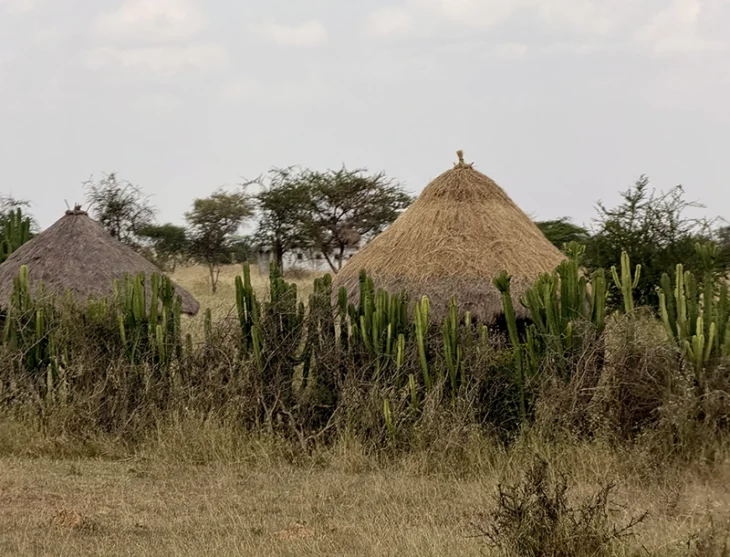
A house can be many things. It can be shelter. It can be school. It can be a place of recovery. It can be a place where girls teach visitors how to dance, where older children care for younger ones, where a future journalist asks questions, where a future photographer looks at the world with intention, where a future pilot already knows she wants to rise.
Hope Centre gives girls the space to remain children while preparing for adulthood on their own terms.
Hope Centre carries its name honestly. It is a house full of girls who have been forced to grow up too soon, and who still dream with the force of childhood. It is a house full of care, courage, and work. It is a house full of hope.
To learn more about Hope for Girls and Women or support their work, visit their official donation page.