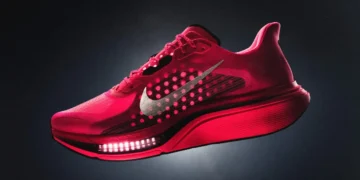






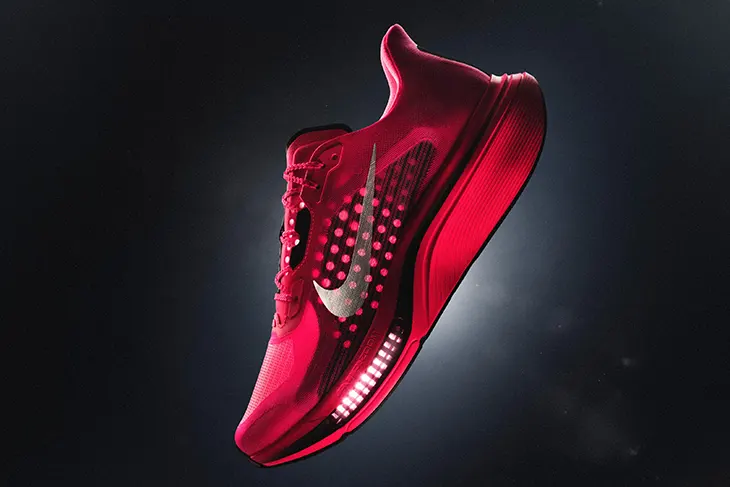
Nike introduces the Pegasus Plus 2 as a faster daily trainer built around an exposed Air Zoom unit and ZoomX foam. The next-generation model targets runners who want speed, versatility and durability from the same shoe, drawing on sensations associated with race-day footwear while remaining suitable for daily miles and longer runs.
SNEAKERS
The biggest change appears in the forefoot, where Nike uses a curved and visible Air Zoom unit. The component works with a lightweight ZoomX foam midsole to create a responsive and propulsive ride. According to Nike, the system delivers at least 18 percent more energy return than the first Pegasus Plus.
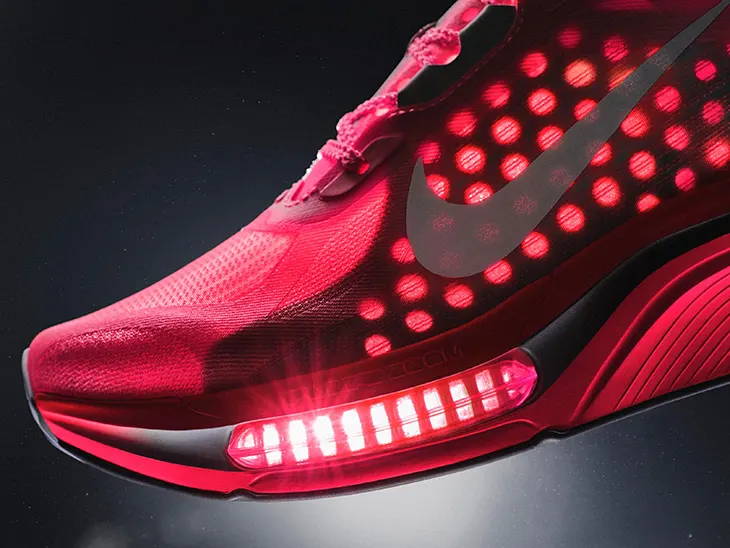
Nike designed the shoe to bring some of the sensation of its road racing footwear into everyday training without using a plate. The Air Zoom unit contains tensile fibers that function like preloaded springs, returning energy as the runner applies force. Its curved shape also helps each step transition smoothly into the next.
“Our goal was simple: speed without sacrifice,” says Deepa Ramprasad, Senior Director of Nike Running Footwear. She explains that the team spent years refining each element to give runners the speed, comfort and confidence needed to increase their pace.
The Pegasus Plus 2 also introduces the MR10 2.0 last, which Nike first used in the Pegasus 42. The shape provides more room through the forefoot and toe box, while the midfoot system keeps the foot secure during faster efforts. Nike adds upgraded materials around the ankle to improve comfort.
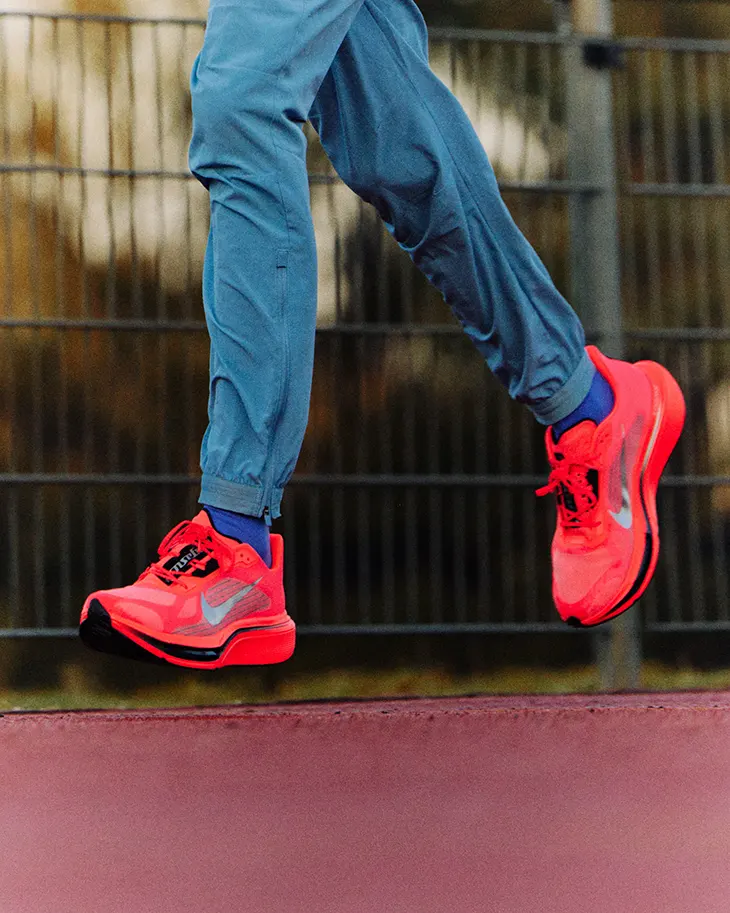

A modern waffle outsole completes the underfoot design. Nike incorporates flex zones to help the shoe feel lighter and more connected to the road. Reflective elements add another functional detail to the upper.
Nike athlete Cameron Myers, the world leader in the 1,500 meter, describes the shoe as fast and smooth while still comfortable enough for an enjoyable run. His feedback reflects the broader goal behind the model: a trainer capable of handling different paces without requiring runners to switch shoes for every session.
Nike tested the Pegasus Plus 2 with more than 30 elite athletes from several running disciplines, including marathon and track athletes. The Nike Sport Research Lab studied how runners performed and felt in the shoe throughout development.
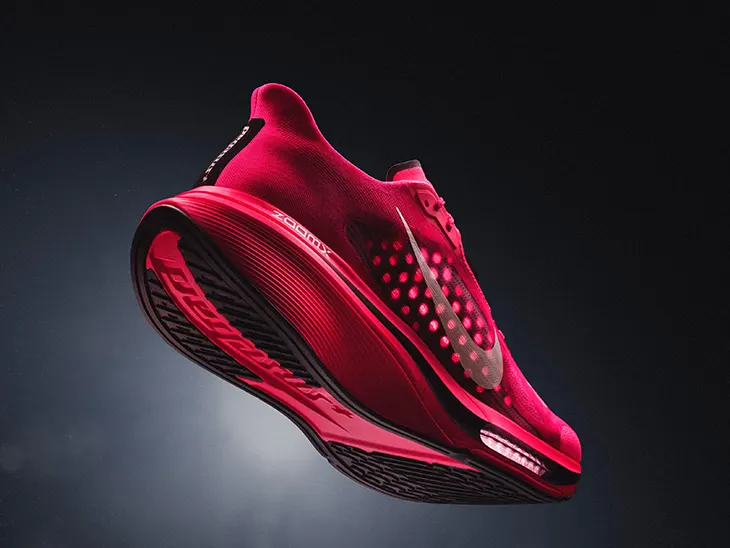
The Air Zoom unit also receives pressure tuning based on size. Nike adjusts its construction to support consistent energy return and a similar underfoot experience across the full size range.
The Pegasus Plus 2 joins Nike’s broader road running lineup, where Pegasus focuses on responsive cushioning and energy return. Vomero serves runners seeking maximum cushioning, while Structure provides additional support and stability.
The latest model continues the evolution of Pegasus, Nike’s longest-running and best-selling running shoe franchise. The Nike Pegasus Plus 2 will become available in late August through select retail partners and Nike.