


The idea for starting a fashion label often begins with a simple thought, be it a new idea in the market, a better version of what already exists or even clothing that represents a certain lifestyle. In order to develop a fashion label, there is more to offer than an attractive design.
A fashion label that lasts is more than a runway show or a new collection lookbook. It is a successful business that consists of a clear identity, practical research, good production, good financial planning and a clever launch. Most importantly, it needs to be developed in the right way from the start to avoid very costly mistakes as it grows. Continue reading for more insights from Maya Lane, DSCENE’s Fashion News Editor.
Define What Your Fashion Label Represents
Prioritize deciding on the brand concept before selecting fabrics or even beginning to sketch out a full collection to wear for your launch. Think about the type of clothing that you are going to be designing, but more importantly, think about the purpose of your fashion label. Does your fashion label aim to provide professional clothing that is comfortable to wear? Does your fashion label offer durable and long lasting basics? Does your fashion label specialize in adaptive fashion? Does your fashion label have bold designs for specific audiences?
Your brand concept should answer a few basic questions:
- Who are you designing for?
- What problem are you solving?
- Why would someone choose your products?
- What makes your approach different?
- What values will guide your decisions?
Keep your description of your fashion label as short as possible. Best case, you can describe your label in one sentence. It is essential that you avoid vague statements that could define every fashion label. Try to come up with a description like: “High quality clothing made for girls that love to play.” but also “Workwear for men that combines comfort with style.”
Lightweight workwear for the daily commuter, minimalist clothing for the frequent traveler, or modern occasion wear to be worn and re-worn on special occasions. Each of these concepts is more specific, more easily developed, described and sold.
Specific ideas are easier to develop, explain, and market.
Research the Market Before Finalizing Your Idea
Creative confidence is a wonderful thing, but it must be grounded in some form of research. Observe other designers within the fashion market that you are trying to penetrate who already operate with a successful business model. Also see what customers like about a designer’s clothing and what complaints they have with products. Do they deliver products on time? What types of fabrics are used in clothes? How do products look (style of the clothing)? What are prices for products offered by designers in the market?
What we can find out through this research is what customers expect. How other designers can approach fashion and reach the same goals as we want to reach with our own collection.
-

Photo Sohom Das for DSCENE
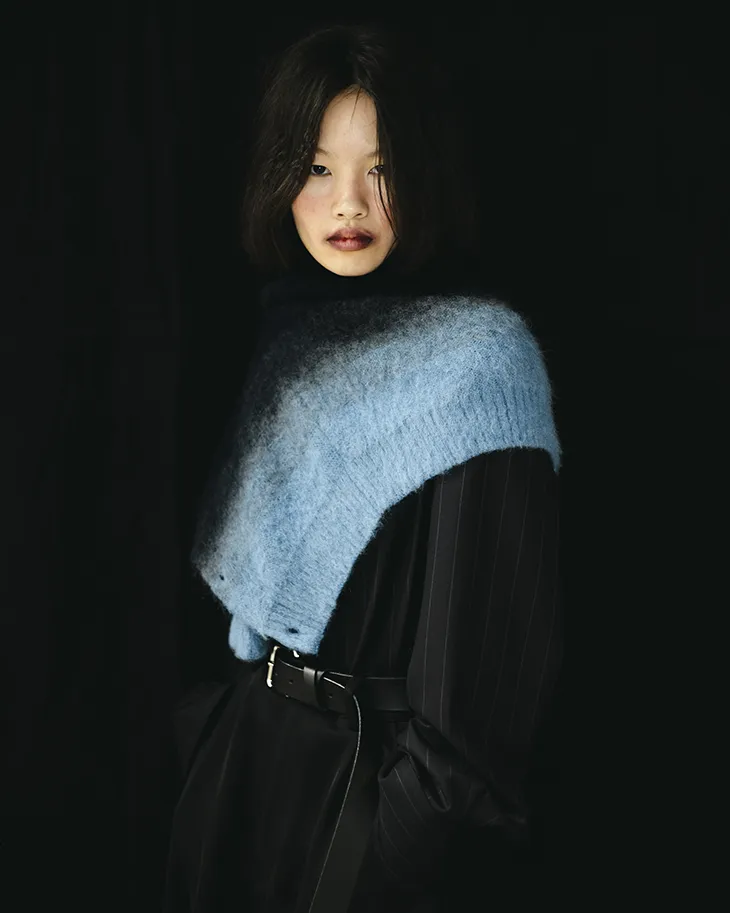
A trend that has gained significant market share in recent years is the rise of so-called minimalist clothing. Trend followers and online stores like zappos.com report that customers are buying more clothing yet are having fewer clothes in their wardrobes.
Additionally, use online resources to find out about trends, browse online marketplaces, read comments on social media sites and read fashion forums to find out about potential opportunities for a fashion business. However, remember that trends can quickly disappear and a new fashion label will not be able to produce enough products in time to take advantage of them.
Look for lasting needs rather than temporary attention.
Identify Your Ideal Customer
No fashion label cannot design effectively for everyone. Create a detailed picture of your ‘ideal customer’. Define their age, lifestyle, work, location and buying habits. Determine their spending limits and favorite fashion styles. Pinpoint their daily struggles and how your product can help solve them.
You don’t have to create a massive fictional character. Focus on the points that affect your designs and business.
A customer traveling frequently requires clothes made of wrinkle-free fabrics that can be easily packed and allow for changes in size; a customer going to formal events requires clothes that look great in photos, that are delivered quickly and that have a return policy in case they don’t fit.
Your ideal customer will influence nearly every choice you make, including:
- Product design
- Pricing
- Sizing
- Brand language
- Photography
- Packaging
- Sales channels
- Customer service
Knowing your ideal customer will make it much easier for you to build a consistent fashion label.
Start With a Focused Product Range
Most first-time founders launch too many products. The more products you design the more pressure is put on your resources, so instead of worrying about getting enough products to market, all the pressure is put on the development of individual designs. If you design too many products, then you could easily use up your whole budget on all the samples, photos, and products that you need to put up a website of products, without knowing whether any of your products will actually sell.
Start with a focused range instead.
You want to start with a focused product range. This means that at the launch of your label you present a small number of items that clearly represent your brand idea. A lot of founders have a huge number of designs that they all want to launch at the same time. This creates unnecessary pressure, as each design requires a lot of development.
Start to Build Your Label After Launch.
Launch fewer products, allowing you to test several key indicators (fit, fabric, price, customer demand, and production) to develop a sense for what performs best. Your customers will also get a much clearer idea of what your label is about.
By only launching to start to get feedback on the first products in the range, founders can quickly and easily add to the range of products once they have started to get feedback from customers and tested fit, fabric quality, pricing, and customer demand.
Build a Realistic Startup Budget
Creating a fashion label requires financial planning before production begins. Expenses often appear long before a brand makes its first sale, from developing samples and sourcing materials to building an online presence and preparing inventory. Understanding these costs early can help you make more informed decisions about how much funding you need and where to allocate your resources.
Start by separating the expenses that directly affect product quality and customer experience from those that can be added later. Investing in well-made garments, reliable materials and proper testing is usually more important than spending heavily on premium packaging or an expensive launch event. A carefully managed budget allows you to focus your resources on the areas that have the greatest impact on the success of the label.
Your initial budget should account for product development, manufacturing, branding, website costs, photography, shipping materials and marketing efforts. It is also important to include extra funds for unexpected challenges. Production adjustments, delayed shipments or additional sample rounds can increase costs quickly, especially for first-time founders who are still learning how the manufacturing process works.
Once you have a clearer estimate of your startup expenses, consider how you plan to cover those costs. Some entrepreneurs rely on personal savings, while others explore financing options to help manage the upfront investment. If borrowing is part of your strategy, reviewing factors such as repayment terms, monthly costs, and personal loan rates to help you better understand the overall financial commitment before making a decision.
A realistic budget does more than show how much money you need to launch. It also helps you determine pricing, manage cash flow and understand how many products you need to sell to support the business. Careful financial planning gives a new fashion label a stronger foundation as it moves from an idea into an operating company.
-

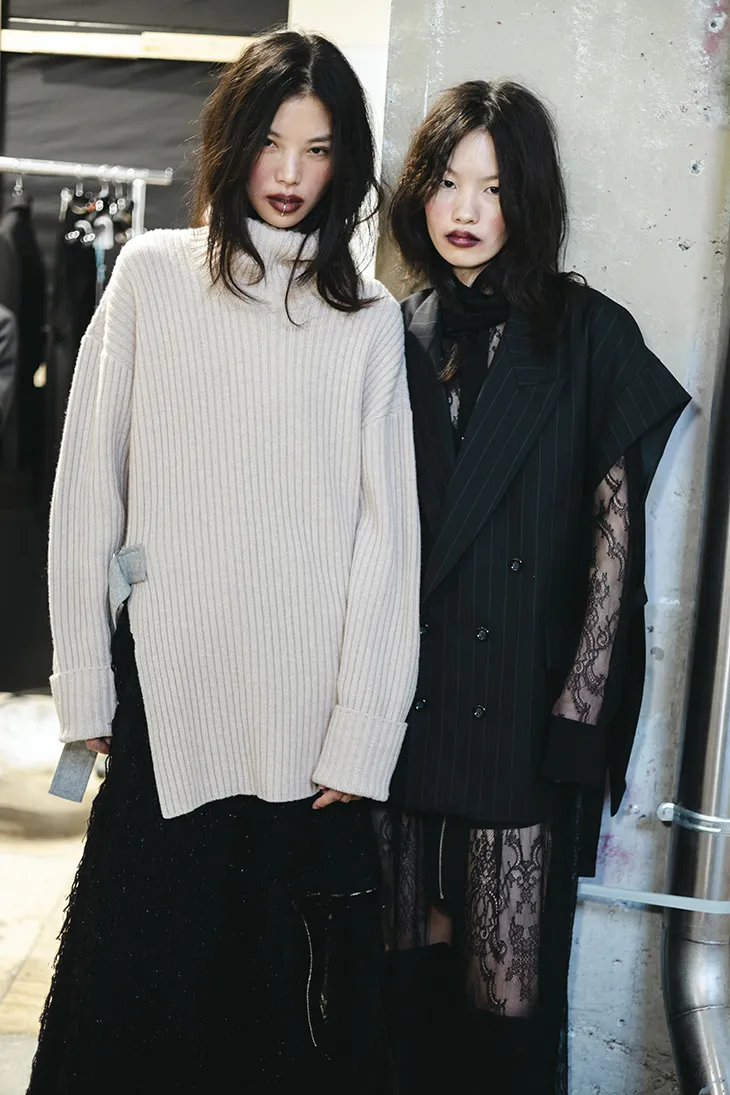
Photo Sohom Das for DSCENE – see more backstage moments.
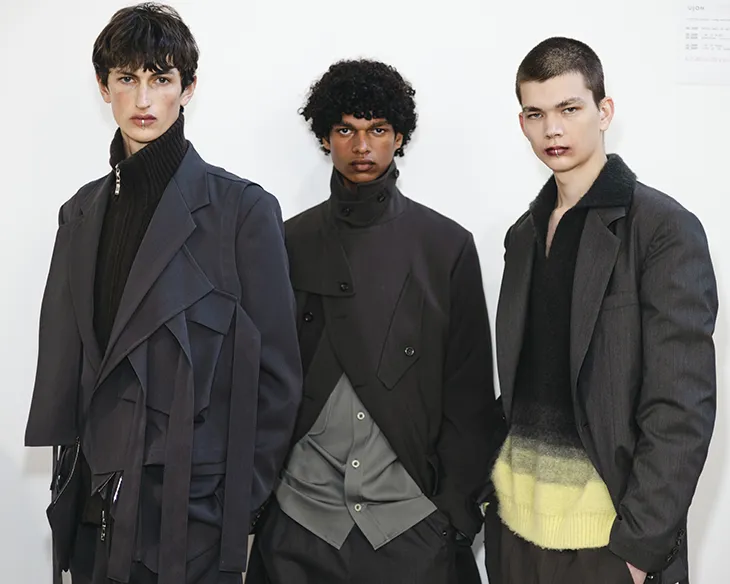
Develop Samples and Test Them Properly
While a sketch can adequately communicate an idea for a fashion collection, samples can reveal whether that idea actually works. Sampling is a crucial stage in the development of a fashion label.
Sampling for your fashion label is one of the most important stages in your fashion label’s development. This allows you to check for things such as fit, movement, comfort, fabric behavior, stitching, and overall quality of the garment.
Expect the first sample to need changes.
Test the samples on the real people who match your customer profile. Have them wear, stand, walk, sit, bend and do other activities in order to test the garment under various conditions. As we previously mentioned, a fashion product can look great in the photos but be absolutely unbearable when it’s being worn.
Check for how long the garment keeps its form after being washed or cleaned and also check for shrinkage, fading, twisted seams, loose threads etc. and how the garment changes in shape.
Remember to write down all changes. This will help the pattern maker and the manufacturer to produce articles that will look and feel the same after a while.
Build the Label One Strong Decision at a Time
Starting a fashion label is both a creative project and a business commitment. The designs you present can get a lot of attention initially, however the success of your label in the long run. The launch of a fashion label is a creative project and a business commitment.
Of course, your designs might get a lot of attention and that’s great, but in the end it’s the decisions you make behind those designs that will affect the long-term success of your fashion label. Starting a fashion label as a business is a commitment in itself.
Begin with a specific idea, test it out on the market and learn from it. Building a lasting fashion label rarely comes from a single big splash. It is from making decision after decision until you have a brand that you can be proud of and that your customers love and trust.