


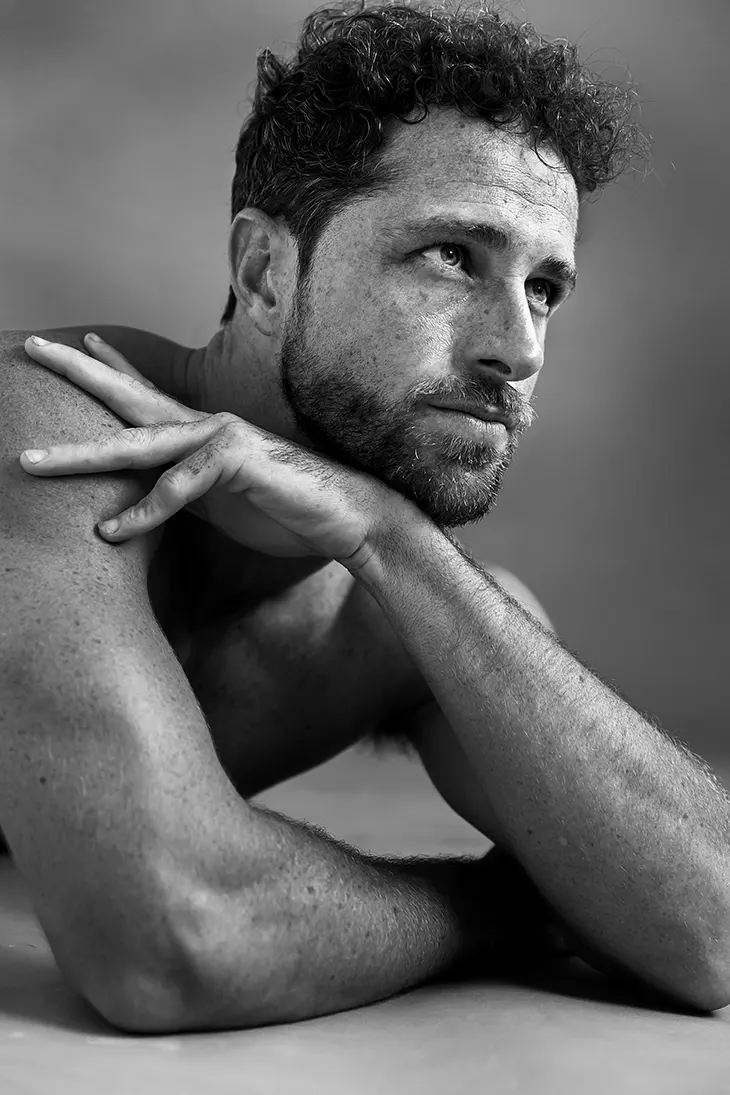
A beard frames the face the way a picture frame sets the tone for a painting. Change the frame and the whole image shifts. That’s exactly what happens when beard color changes, whether naturally through greying or deliberately through dye. The shade of facial hair affects how old someone looks, how defined their jawline appears, and how much contrast exists between skin tone and hair. Most people spend real money on haircuts, skincare, and wardrobe choices but never consider that beard color might be the easiest adjustment with the biggest visual payoff.
Even a subtle shift, such as darkening patchy grey spots or refreshing a beard that has lost some of its color, can make a noticeable difference to someone’s appearance. The difference between a beard that looks well cared for and one that looks neglected can come down to color consistency, along with its length, shape, and overall grooming.
The Visual Impact Most People Underestimate
Age perception plays a role. Research on facial aging consistently shows that people estimate age partly based on hair color contrast. A full grey beard on someone in their early forties can make them appear older than they are. The right men’s hair dye for gray coverage can help those who want to look closer to their actual age without changing their overall style. It’s not about vanity. It’s about making sure the face matches the energy and the lifestyle behind it.
Facial hair plays an important role in how other people perceive a face. A darker beard creates stronger contrast against the skin, sharpening the jawline and making facial features appear more defined. A beard that’s mostly grey or white softens those lines and can make the face look rounder or less structured even when the beard itself is well-groomed.
Why Beard Color Changes In The First Place
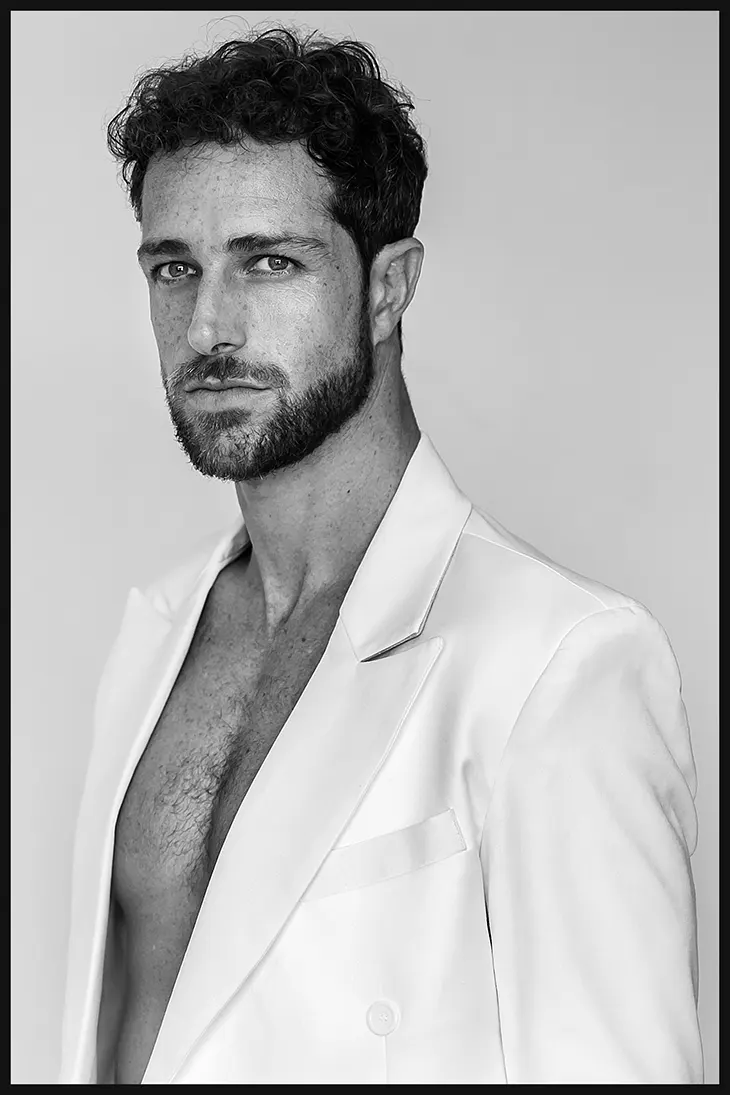
Genetics control much of it. The same person can have dark brown hair on their head, a reddish beard, and grey patches along the chin before they turn 35. That’s because facial hair follicles operate independently from scalp hair and produce melanin at different rates. Stress, UV exposure, nutritional gaps (particularly B12 and iron), and aging all accelerate pigment loss in beard hair.
Grey doesn’t arrive evenly either. It tends to show up at the chin first, then spread along the jawline and cheeks over time. Some people get a distinguished salt-and-pepper effect. Others get random patches that make the beard look thinner than it actually is because grey hairs reflect light differently and create the illusion of gaps. That uneven greying is the most common reason people start looking into coloring options.
Types Of Beard Coloring Options
Not all beard dyes work the same way, and understanding the differences can help you choose the right option for your needs.
Temporary color washes out within one to three shampoos. It sits on the hair’s surface without penetrating the shaft. Good for testing a shade before committing. Low risk, low duration.
Semi-permanent color lasts roughly two to four weeks depending on how often the beard gets washed. It partially penetrates the hair shaft but fades gradually rather than growing out with a hard line. This is the most popular category for beard coloring because it looks natural, doesn’t require bleach, and forgives a slightly imperfect application.
Permanent color changes the internal structure of the hair and doesn’t wash out. It grows out instead, creating visible roots as new grey comes in. Most grooming professionals recommend semi-permanent options for beards because permanent dye can look harsh on coarse facial hair and the maintenance schedule is less forgiving.
Choosing The Right Shade
This is where most mistakes happen. The instinct is to match the beard color to the natural hair color on the head. That works sometimes. But if the head hair has also greyed or lightened, matching the beard to the scalp just means both look off.
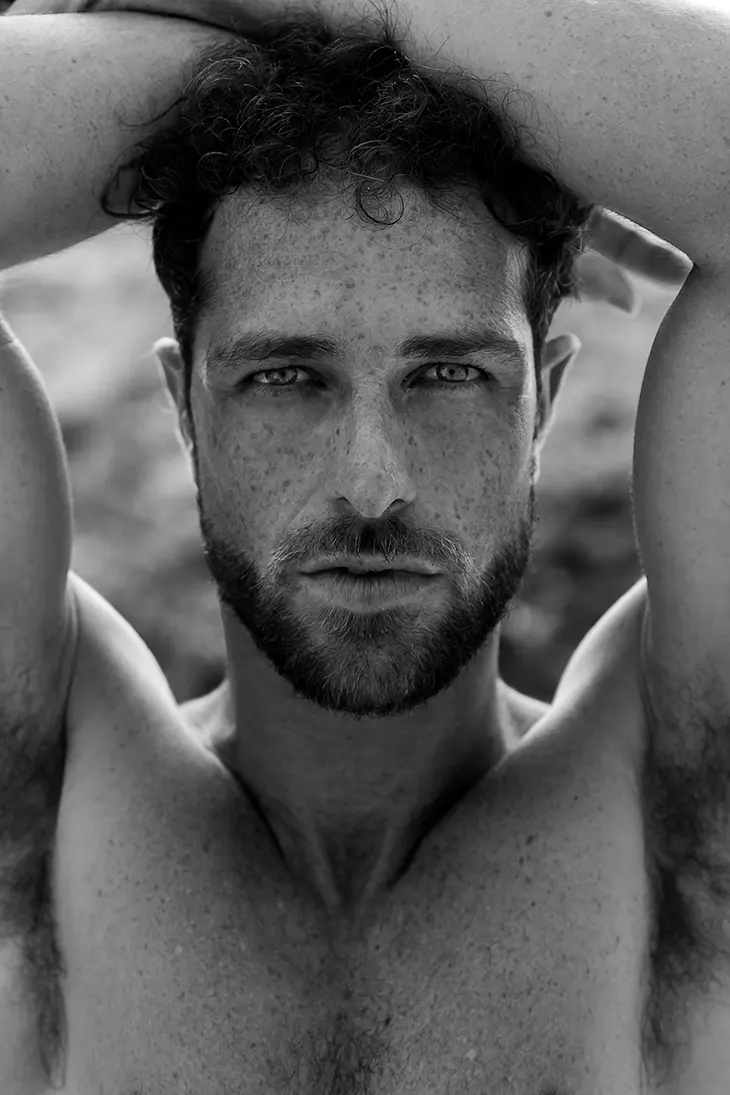
A better approach is matching the beard to the darkest natural color still visible in the facial hair. If the beard is 60% grey and 40% dark brown, choosing a shade close to that remaining brown makes it look like the grey filled back in naturally. Going darker than the natural shade is where things look artificial. A jet-black beard on someone with medium brown eyebrows and fair skin signals “dye job” immediately.
Skin tone matters too. Warm skin tones pair better with beard shades that have warm undertones (browns, auburns). Cool skin tones work better with ashier shades. Choosing a color with the wrong undertone creates a subtle but noticeable clash that makes the beard look like it belongs on a different person.
Application Tips That Make A Real Difference
The product matters. And technique is just as important.
Start lighter than expected. You can always apply semi-permanent color again if the first round isn’t dark enough. Going too dark on the first try means waiting weeks for it to fade or using a color remover that dries out the hair.
Apply to dry hair. Wet beard hair dilutes the dye and produces uneven results. Towel-dry thoroughly before starting.
Use a brush, not fingers. A small application brush (most kits include one) distributes color evenly through coarse beard hair in a way that fingers can’t replicate. Fingers leave spots where the dye pools and spots where it barely touches.
Watch the clock. Leaving color on longer than the recommended time doesn’t produce a better result. It produces a darker, flatter result that loses the natural variation between individual hairs. That variation is what makes colored beards look real. Killing it is what makes them look fake.
Protect the skin around the beard. A thin layer of petroleum jelly along the jawline, cheeks, and neck prevents staining on skin that shouldn’t have color on it. Dye on skin fades within a day or two but looks sloppy in the meantime.
A Small Change With Outsized Impact
Beard color is one of those grooming choices that takes minimal effort but can make a noticeable difference. Ten minutes of application, once every few weeks, can sharpen a jawline, restore density, and align the face with how someone actually feels rather than how their genetics decided to age them. No new wardrobe. No gym membership. No procedure. Just the right shade, applied well, and maintained consistently.
Images from MMSCENE Exclusive Interview With Caio Condi – See full story here.