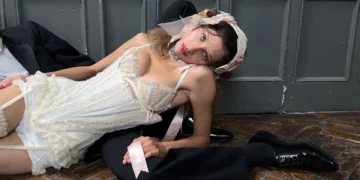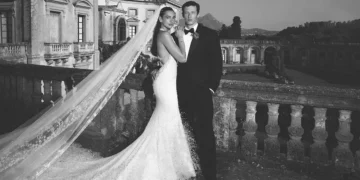



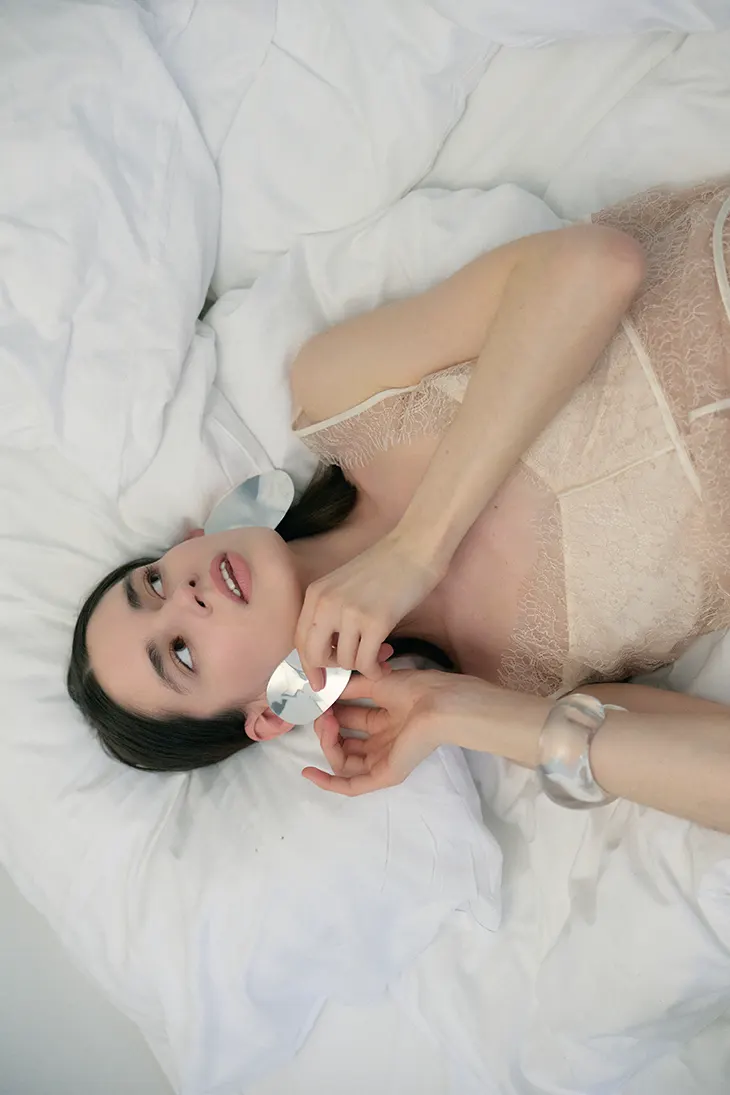
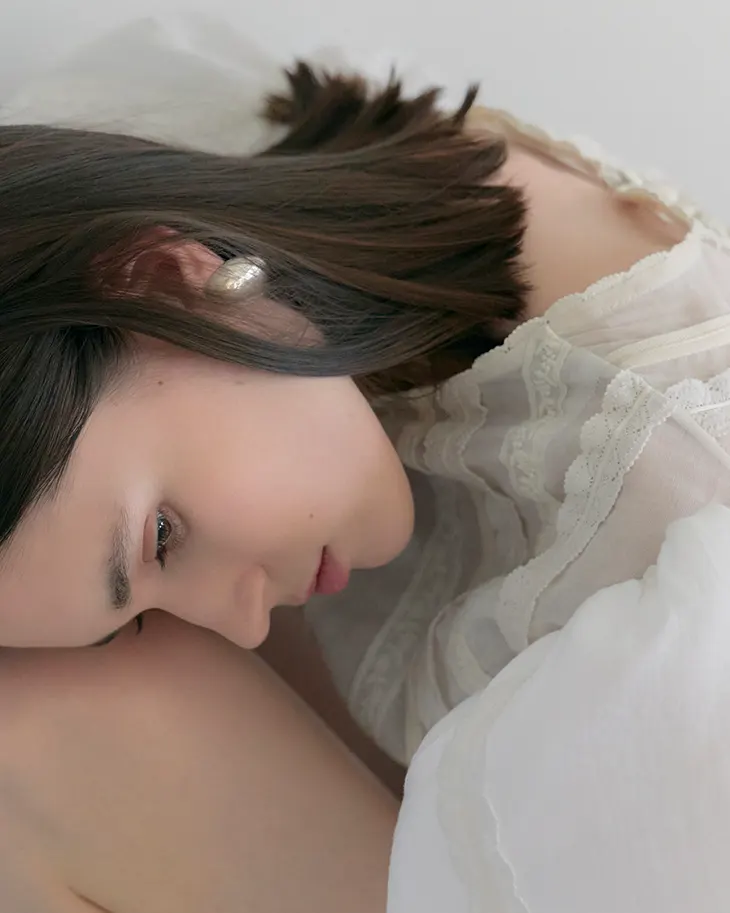
Before a veil is positioned or a ceremony gown is fastened, the wedding morning already has a visual character. Window light, a half-finished hairstyle and the movement between a dressing table and breakfast create images that feel different from formal portraits. A bridal nightgown can belong to that setting as a deliberate styling choice, helping the hours before the main outfit feel connected to the bride’s wider fashion story.
Bridal Fashion No Longer Begins at the Ceremony
Preparation photography changes the boundaries of an outfit. Clothing once treated as something to remove before the important photographs can appear in the opening frames of an album. The morning look carries a different kind of information: a relaxed posture, a familiar gesture or the bride’s interaction with the people sharing the room.
That visibility need not make preparation into another performance. Some brides prefer a small number of private photographs, while others enjoy a more editorial approach. The useful shift is that dressing for this part of the day can be intentional. Its success depends on whether the clothing belongs naturally to the occasion, not on how many pictures are eventually shared.
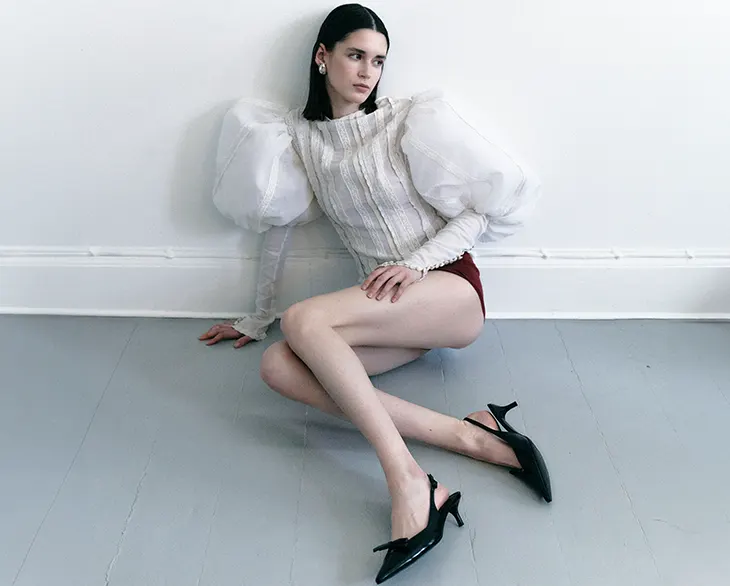
Getting-Ready Look Has Developed Its Own Fashion Codes
White and ivory offer an immediate connection to familiar bridal palettes, but the effect comes from more than color. A fluid hem, an open robe, fine lace and simple slippers create a softer language than structured ceremony wear. There is room for a clean, almost architectural silhouette as well as a more romantic treatment of sleeves and borders.
Styling becomes clearer when one detail leads and the others support it. A highly worked neckline may need very little jewelry, while an unadorned garment can leave space for a more distinctive hair accessory. Too many competing elements can make intimate photographs feel busier than the moment itself. Different design choices create distinct visual moods without requiring an entirely different bridal identity. The relationship between surface and outline is usually more persuasive than a large collection of accessories when it comes to bridal dressing:
- A smooth column shape gives the image a continuous line and allows the face and hands to remain prominent.
- A scalloped lace edge introduces detail close to the neckline or wrist, where photographs often concentrate.
- A loose wrap softens the silhouette and can change its appearance simply by being opened or loosely secured.
- A restrained slipper keeps the lower part of the outfit visually quiet in wider room photographs.
Nightgown Moves From Sleepwear to Bridal Styling
The garment’s role changes when it is selected for a particular setting rather than taken from a drawer at the last minute. Its length may relate to the room, its neckline to the planned hairstyle and its color to the broader palette. These decisions place it within fashion styling while preserving the ease associated with nightwear.
This side of bridal dressing certainly does not need to imitate the wedding dress. A softer, simpler morning look can create an effective contrast with the structure of the ceremony outfit. What connects them might be a curved neckline, a recurring lace motif or merely a similar sense of restraint. Continuity works best when it feels discovered rather than enforced.
Material, Movement and Light Matter on Camera
A glossy surface can catch a bright window as a concentrated highlight, while a more matte fabric may show its color more evenly. Lace becomes especially dependent on the layer beneath it, and a garment that looks opaque against a wall may appear more transparent when strongly backlit. These effects are reasons to test the actual outfit rather than assume that all pale fabrics photograph alike.
Silk is a fiber and satin a weave, so the terms cannot be used as interchangeable guarantees of appearance. Weight, construction and finishing influence the way either garment hangs. The most useful preview involves the intended layers in a room with similar light, including a seated position and a few ordinary movements.
The photographer can help assess exposure and framing, but the bride’s preferred coverage remains the starting point. Styling should support that preference instead of asking her to remain in an uncomfortable pose to make the clothing work. For the perfect bridal dressing, we would recommend asking for assistant from a stylist. Many are working with the bridal industry and can also work on creating a number of outfits for your photo shoot and special day.
Good Bridal Styling Balances Image With Reality
Hair and makeup preparation involves sustained sitting, occasional reaching and repeated changes of position. The garment must accommodate those actions while allowing a straightforward transition into the dress; a rehearsal of the morning sequence can reveal practical problems that a standing mirror check misses:
- Sitting at a table shows whether the neckline shifts or the hem requires repeated adjustment.
- Reaching for a drink reveals sleeves that might fall into food or brush against cosmetics.
- Trying the planned removal method establishes whether clothing can come off without disturbing finished hair.
- Walking around the room checks whether the length is manageable between chairs, bags and equipment.
- Adding the intended underlayer confirms the level of coverage before anyone begins photographing.
These checks do not call for an elaborate second fitting appointment when it comes to your bridal dressing. A few minutes with the real clothes can be enough to identify an awkward fastening or a wrap that needs more overlap. Any necessary alteration is easier to arrange before the wedding morning becomes busy. Find more bridal stories on DSCENE.