


Updating your home doesn’t always require a complete renovation or an expensive redesign. Sometimes, the most noticeable improvements come from thoughtful changes to lighting, materials, furniture and the way each room is arranged. A modern makeover is about creating a space that feels fresh, comfortable and functional while maintaining the quality that makes a home enjoyable for years.
Achieving the perfect balance of cost, style and durability is the hardest part of a home makeover. Some homeowners opt for low-cost materials to keep costs down in the short term, but while this may pay off initially, it can end up costing more in the long term because they will need to replace them more often.
Start With a Clear Design Vision
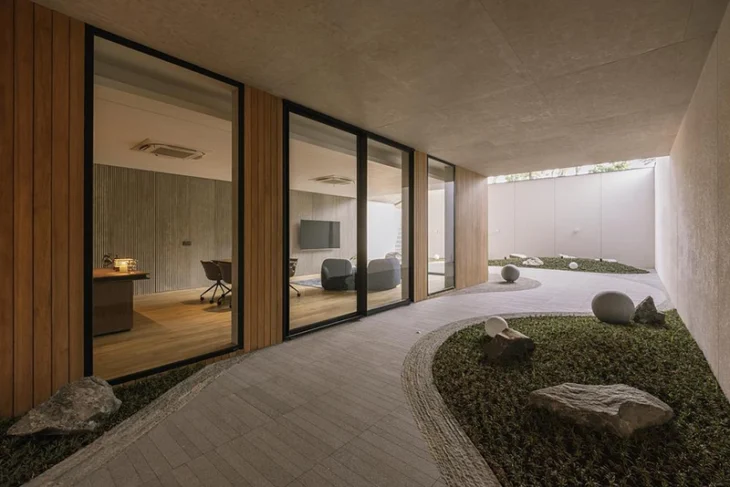
Before you search for the right furniture or the perfect finish, decide on a design idea to develop your home around. Many modern home designs feature clean lines and natural materials to create functional rooms that are also visually impressive. Your home’s interior design doesn’t have to look the same in every room. There are many ways to create different looks in individual rooms to suit your style while staying modern.
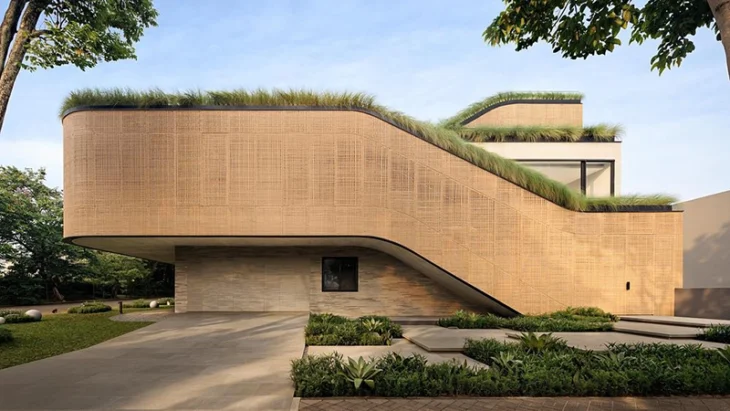
Identify the existing elements of your home that are any good and keep them. Consider the existing hardwood floor, large windows, excellent quality cabinetry, and unique architectural features. You can incorporate all of these elements into your new design. The designer can create the look you want while keeping renovation costs to a minimum and maintaining your home’s character.
Establish a constant design direction. A limited palette of colors, textures, and surfaces will keep the interior from looking as though it was designed room by room and will tie together seemingly very different spaces.
Plan Your Renovation Budget Around Quality
By allocating your budget to improve the key areas of your home to create more comfort, greater usability, and higher long-term value, you’ll get far more satisfaction from your remodeling dollars than if you spread them thinly across every square foot of your home.
From new kitchen countertops and flooring to better insulation in walls and floors, many simpler changes will deliver far greater long-term benefit than buying masses of fancy soft furnishings. Work to ensure the basics of the home are in good order: Fix any structural problems, and check the plumbing and electrics, and sort the roof. After that, it comes down to personal preference: how modern you want your home to be.
Many homeowners use personal savings to finance renovations, while others consider tapping into the equity they have built in their property. Cash-out refinancing is one option that allows homeowners to access a portion of that equity to cover major improvements, such as kitchen upgrades, bathroom remodels or structural repairs. Before choosing this approach, it’s important to compare the refinance rate with cash out with the interest rate on the existing mortgage while also considering closing costs, monthly payments and the total cost of borrowing. Regardless of the financing method, homeowners should set aside additional funds for unexpected expenses, as hidden damage, material price increases or construction delays can push renovation costs beyond the original budget.
Whichever method you use to fund changes to a home, it’s important to allow for unknown expenses. In some cases, unknown problems with the home’s wiring, hidden moisture issues, uneven floors, etc., can be discovered, which can end up costing more than the original budget.
Choose Materials That Balance Durability and Style
Even though interior design magazines showcase modern finishes, it is also important to consider how long a material will last in your household. Will surfaces need to be cleaned repeatedly and recoated regularly? Will they scuff and mark?
High-quality materials used in the home help homeowners create a modern interior that lasts for years to come. Many flooring and surface materials are available, including natural stone, engineered wood, porcelain tile, and even quality laminate. Some materials are more suitable for certain rooms than others; for example, porcelain tile is highly resistant to moisture, making it ideal for bathrooms, whereas engineered wood is a great alternative to solid wood, as it still gives a natural look and feel but is more dimensionally stable, making it suitable for installation across multiple rooms.
Finally, choose surfaces that reflect your household’s activities and expected wear. For example, some surfaces require periodic sealing, while others are easy to clean and need no additional maintenance.
Improve Lighting to Transform the Atmosphere
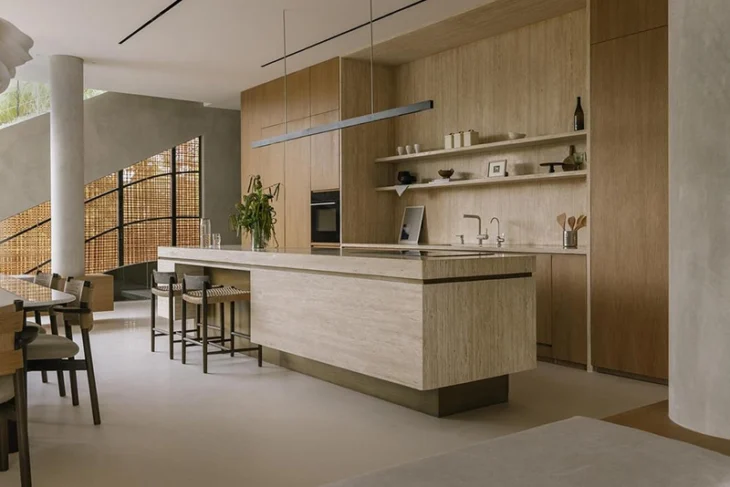
Lighting is one of the simplest ways to transform a home within the constraints of an existing floor plan, helping homeowners create larger-looking spaces and highlight properties of a proper, more relaxing space for daily life. The best homes use ambient, task, and accent lighting. Instead of relying on one ceiling light, use recessed lighting for ambient light, add a pendant or two over your kitchen island, and use adjustable wall lights you can aim where you want to read.
Give natural light the same attention. Replace thick drapes and heavy curtains with simple window treatments. Move oversized pieces to the walls to free up space, and use reflective surfaces like mirrors to bounce natural light throughout the room. Energy-efficient LED lighting and dimmable fixtures offer additional benefits for controlling light.
Refresh Your Space Without Replacing Everything
Many people renovating a home believe everything must be new. However, items like solid wood furniture that have been well cared for and are still in good condition can be refinished for a fraction of the cost of new items of similar quality. For example, old solid wood furniture can be sanded down and repainted. Old kitchen cabinets can be renovated by replacing the hardware and repainting them professionally. You can also give old furniture a completely new look by reupholstering it.
Combining old and new can also add value when decorating your home. Vintage items add a personal touch to your interior and complement your modern furniture. Keep the good things and change the rest.
Create a Modern Home That Stays Relevant
When modernizing, interior designers and homeowners should focus on improving aspects of a home’s interior that will remain relevant for years. Quality construction, functional design,, and the right selection of building materials are crucial to any interior design and provide long-lasting value. Another important aspect of modern interior design is creating a space that can evolve with the inhabitants. This means choosing durable finishes, flexible furniture, and the best storage options to create a home that always feels perfect. Then you can change the rest as you see fit with great works of art, cool fabrics, and awesome accessories.
Reaching for modern interior design doesn’t have to mean sacrificing quality to chase the latest trends. With a clear purpose and smart budgeting, you can make the most of your renovated home.