


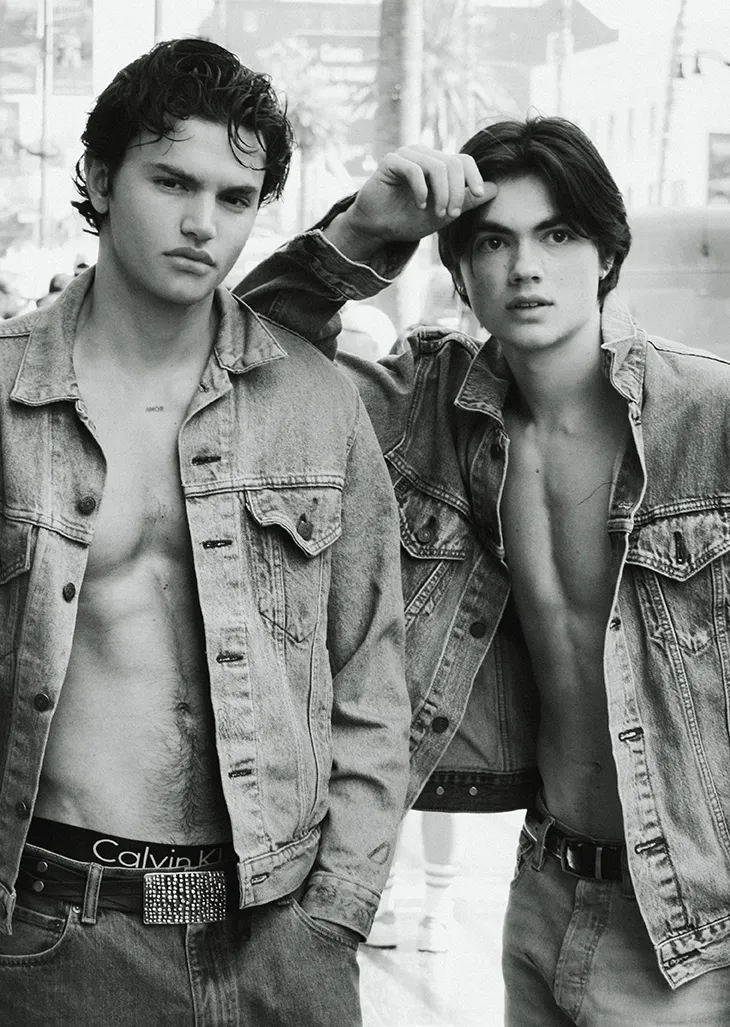
A faded band tee with tour dates printed across the back. A pair of Levi’s 501 jeans worn pale at the knees. A 1990s nylon windbreaker in color combinations few brands would choose today, and a leather jacket softened at the elbows by someone else’s years. None of these pieces came from a runway, yet each carries traces of another time into the way people dress now.
That’s where vintage clothing has its most lasting pull on streetwear: in ordinary closets, thrift racks and resale listings, where garments made for concerts, games, work and weekends find new owners. Their appeal can be as immediate as a fit or a graphic. The history becomes more interesting once you start looking.
Archival Fashion and Everyday Vintage
Archival fashion and everyday vintage aren’t identical. In its more specific use, archival refers to a piece connected to a designer’s past work, often with a documented collection or date, the kind of item that resurfaces on a red carpet or in a museum display. Vintage sportswear, denim and workwear were made for everyday use, and much of what survives has little recorded history.
What connects them is the possibility that a garment can stay relevant long after its original context has changed. For streetwear, that idea plays out mostly in four categories: band tees, sports pieces, denim and leather.
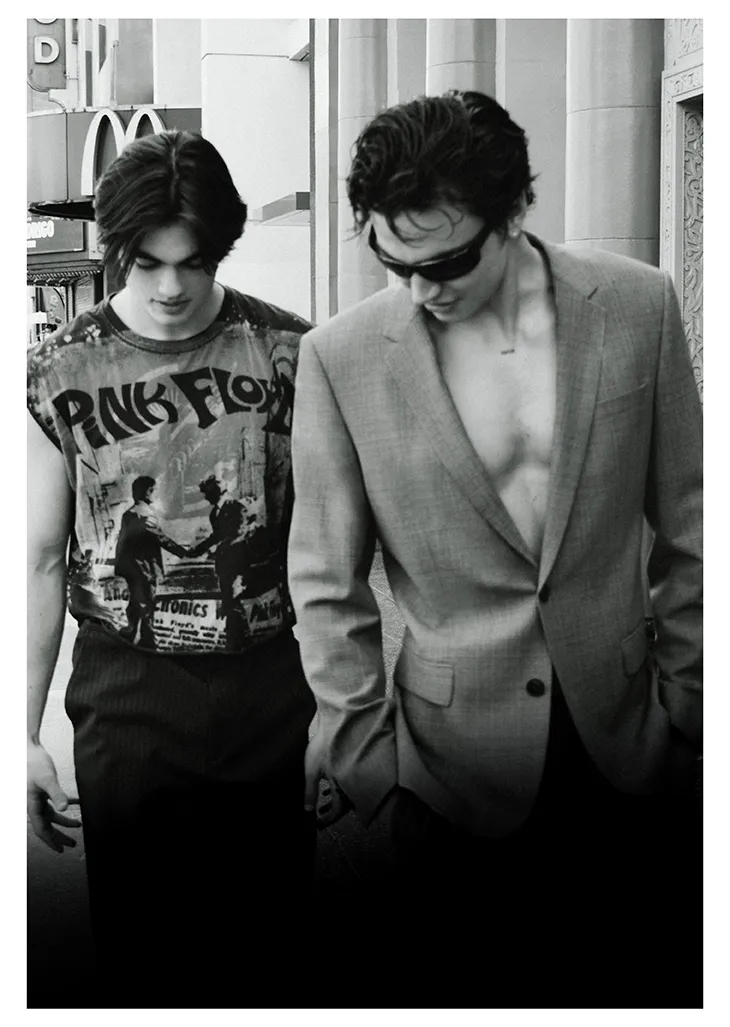
The Graphics on Vintage Band T-Shirts
A vintage band T-shirt can hold a surprising amount of information. The lettering, album artwork, tour stops and layout belong to a particular visual world, and a list of cities on the back can tie a shirt to a specific year and route. Before anyone studies the label, the front of the garment already offers something to read.
Those details also make the shirts personal. One person recognizes a tour they attended; another is simply drawn to the illustration. The next wearer doesn’t need to share the first owner’s memories to find a connection of their own.
The shirt carrying the print tells its own story. Older tees were often cut narrower and shorter in the body than many current blanks, and single-stitch hems on the sleeves and bottom are frequently associated with shirts made before the mid-1990s, though that detail alone doesn’t date a shirt. Black cotton that has washed down to charcoal sits softly against blue denim, and light cracking in a print can add character. A faded concert tee with straight-leg jeans and a leather jacket has a different mood from the same tee worn under an open overshirt.
Team Colors and Vintage Sportswear
Vintage sportswear works in a similar way, through team colors, championship graphics and oversized mascots. A basketball tee might recall a specific player or a season watched with family. Nylon windbreakers, satin team jackets and heavyweight crewneck sweatshirts carry the color blocking and logo placement of their decade, which is part of why they read so clearly in a streetwear outfit.
These pieces were built for movement and for fans in the stands, so proportions tend to be generous. A loose sports T-shirt brings color to dark jeans, and a boxy windbreaker over a hoodie gives the silhouette an easy, layered shape. Small changes in proportion keep familiar combinations from feeling fixed to one decade. With jackets, ribbed cuffs, snap fronts and elasticated hems show how much use a piece has absorbed, since older elastic often loses its recovery over time.
Vintage Levi’s 501 Jeans as a Fixed Point
Denim makes the link between past and present especially clear. The Museum at FIT’s Denim: Fashion’s Frontier explored how a durable fabric long associated with workwear moved through leisure clothing, subcultures and high fashion. Its exhibits included early work garments, Levi’s jeans and designer experiments with repurposed denim.
The 501 sits near the center of that story. Its straight leg and button fly have stayed recognizable through decades of changes in fabric, cut and labeling, which is why collectors pay attention to details a casual buyer might pass over. On vintage Levi’s 501 jeans, the red tab (including the capitalized “E” found on older tabs), the back-pocket stitching, the rivets and the care labels can each help place a pair in time, although no single feature settles the question. The fading matters too. Whiskering at the hips and creasing behind the knees record how one person sat, walked and worked in them.
That range still feels familiar on the street. A pair of vintage 501s can sit beneath a college sweatshirt, a cropped leather jacket or a tailored coat. The jeans provide continuity while everything around them changes, and the recognizable shape leaves room for the wearer to bring a different attitude to it.
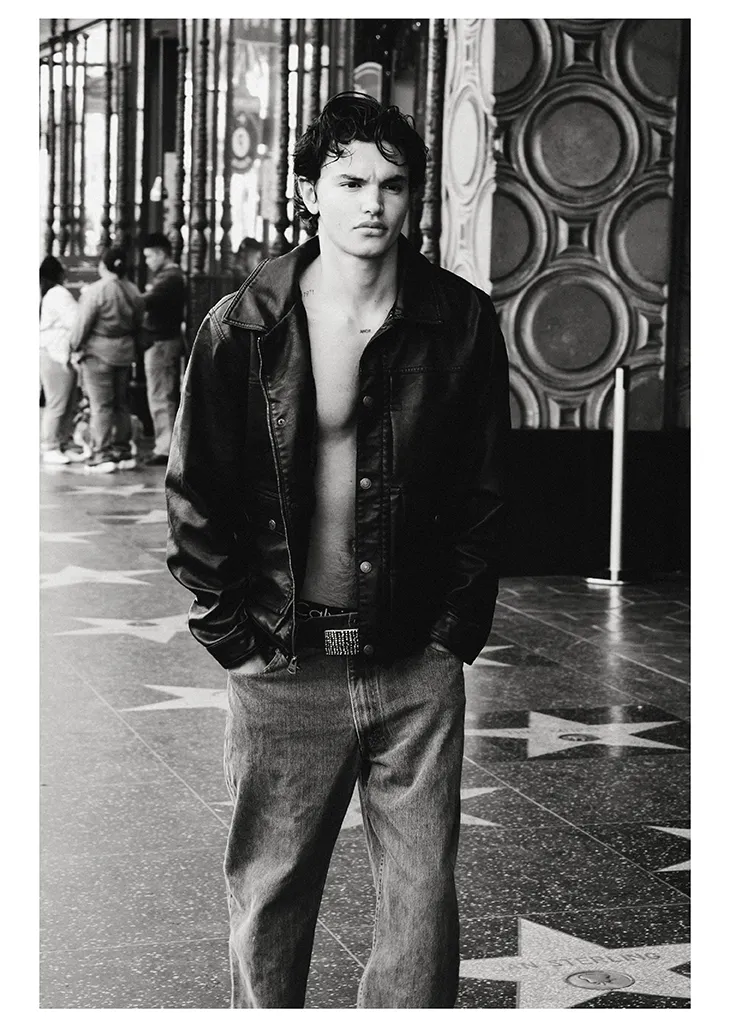
How Vintage Leather Jackets Wear Their History
Leather records its past more visibly than most materials. Creases form at the elbows and across the back, edges soften, and the surface develops a patina that catches light differently from a new, uniform finish. That’s a large part of why vintage leather jackets have remained a streetwear staple: they arrive already looking lived in.
Shapes vary widely, from asymmetric motorcycle jackets and zip-front bombers to straight café racer cuts and boxy leather blazers. Each sits differently over a tee or a hoodie. A jacket that finishes at the waist pairs naturally with the higher rise of older denim, while a longer cut can balance wider trousers or a heavy sweatshirt.
What Deadstock Actually Means
Alongside worn vintage clothing sits another kind of find: deadstock. The term usually refers to old inventory that remained unsold and unworn, sometimes stored for years before resurfacing. A deadstock sports tee may keep the crisp print and original finish that repeated washing would have changed, preserving a colorway or graphic closer to how it first appeared.
Deadstock can exist in multiple sizes and quantities, however. The term alone establishes neither rarity nor value.
Finding and Judging Pieces Today
Sourcing follows the same logic as other forms of collecting: no single channel covers everything. Estate sales, thrift stores, consignment shops and family wardrobes each turn up different pieces. Specialist retailers such as Vintage Rare USA offer vintage band T-shirts, sportswear, denim and jackets, giving shoppers another way to explore clothing from past decades.
Wherever a piece comes from, its details work best as clues considered together. Union tags, care labels, fabric content and brand labels may help narrow a production period, and construction adds context. Online, measurements, condition notes and close-up photographs fill the gap a single wide image leaves: wear at the collar and underarms of a tee, thinning at the knees and seat of jeans, or damage around the cuffs, lining and zipper of a jacket. Since a familiar size label won’t say how an older garment fits today, comparing measurements with something you already wear is the more reliable check.
Unworn also doesn’t mean untouched by time. The V&A’s guidance on caring for textiles describes how aging and storage conditions can leave fabrics discolored, stained or fragile. For cotton tees and denim, that can show up as yellowing along fold lines or weakened fibers; for leather, as dryness and cracking at stress points. Even a piece with its original tags still needs a close look at the fabric and construction.
Keeping Existing Clothing in Use
There’s also a material reason to care about what happens to these clothes. In its 2018 U.S. waste data, the EPA estimated that landfills received 11.3 million U.S. tons of textiles, while the recycling rate for textiles was 14.7 percent. Those figures cover textiles in municipal solid waste, including clothing, footwear and household textiles.
Keeping an existing garment in use is one practical way to delay its disposal. Age alone doesn’t make something better made, and buying vintage doesn’t automatically mean consuming less. The useful question is whether the piece will be worn, maintained and repaired when needed. A band tee in weekly rotation, a leather jacket with a restitched seam or a pair of 501s patched at the knee plays a different role from a purchase left at the back of a closet.
Why Vintage Clothing Stays Relevant
The appeal of everyday vintage rests partly in the freedom to give existing clothes another context. A faded tour tee, a team windbreaker, a worn pair of jeans and a creased leather jacket each have different histories, and each can become meaningful to someone who finds it later.
Streetwear makes that process easy to see. A sports graphic finds a place beneath a leather jacket; an old band tee changes character with a different cut of denim. The clothes arrive with something already on them. What happens next belongs to the wearer.
Images from L.A. Dream by Elys Berroteran – See full story here.