



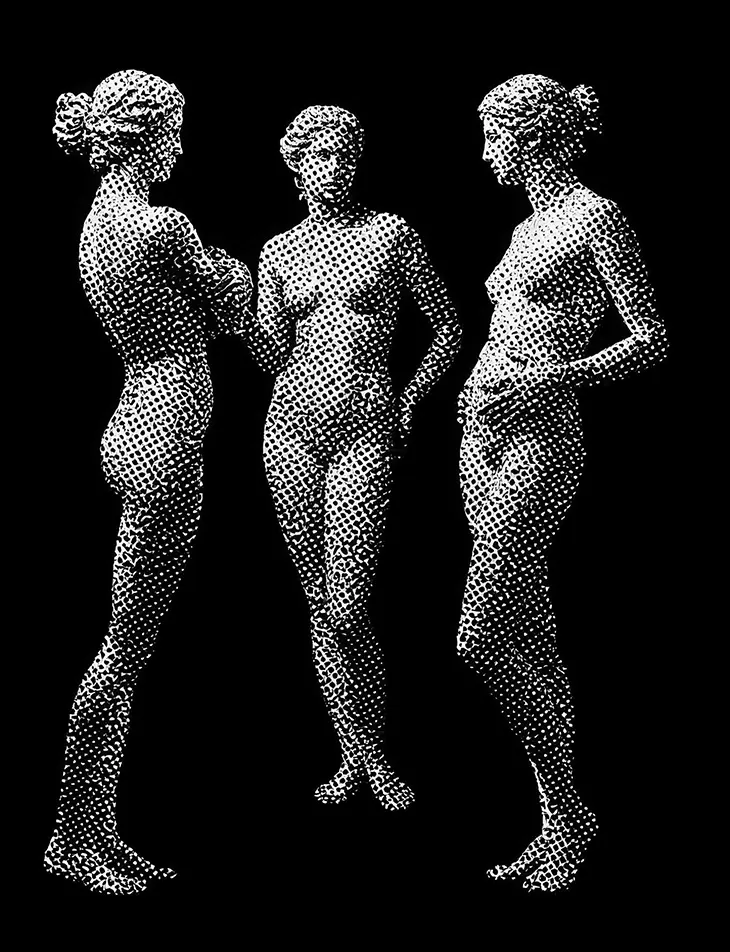
The female body has always been political. Legislated, mythologized, policed, and punished, it exists not just in the sphere of biology or desire, but as a contested territory, claimed by institutions, governments, religions, and regimes. To speak of bodily autonomy in 2025 is not an abstract philosophical exercise; it is a confrontation with power itself. And today, that confrontation is escalating.
ORDER IN PRINT AND DIGITAL
Across continents, from the United States to Poland, from Iran to El Salvador, from India to Hungary, reproductive rights and gender autonomy are under coordinated assault. While each region has its own context, its own histories, its own actors, the through line is clear: controlling the body is still the most effective way to control the person. The body becomes a proxy for culture, morality, politics, and fear. It is where the battles of identity, nationhood, and tradition play out.
And yet, within this tension lies a powerful act of defiance. To reclaim the body, to own it, shape it, speak through it, is one of the most radical gestures available. In the face of surveillance, restriction, and violence, the body becomes the site of protest, and protest becomes a way of staying alive.
The United States has always imagined itself as a beacon of freedom, but the overturning of Roe v. Wade in 2022 marked a rupture in that illusion. The fall of federal abortion protections did not simply return decisions to individual states, it launched a legal and moral offensive on bodily autonomy. As of 2025, over 20 U.S. states have enacted near-total abortion bans, and more have introduced restrictions that make care practically inaccessible, especially for low-income women, people of color, and trans or nonbinary individuals.
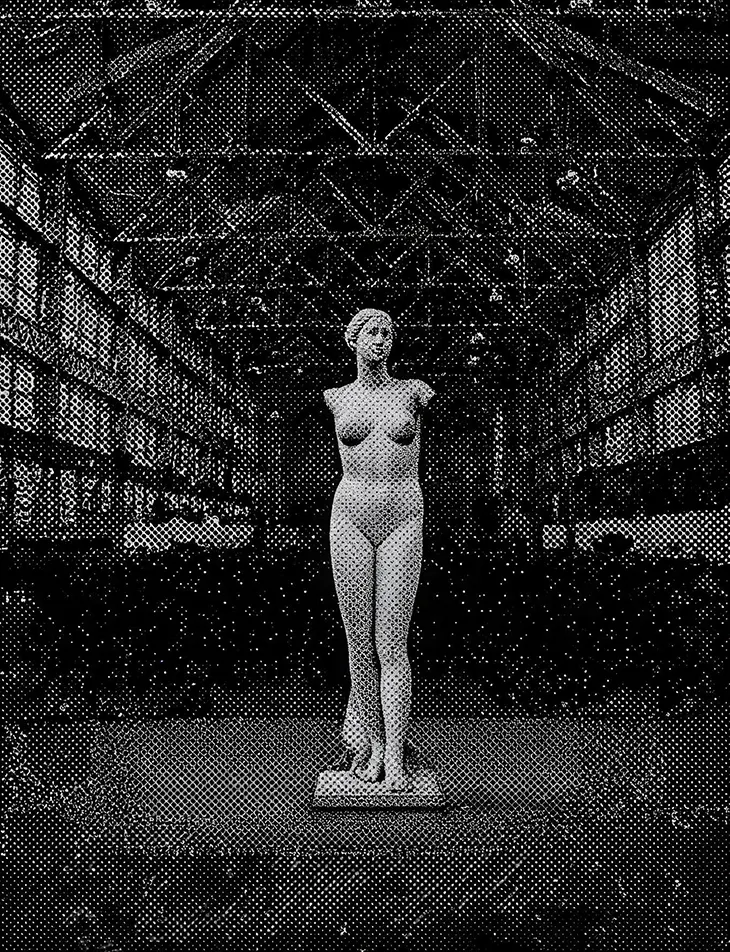
What is unfolding in America goes beyond a rollback; it marks a deliberate redefinition of bodily autonomy. The criminalization of abortion has extended to those who assist, support, or even provide information. People have been investigated for miscarriages. Doctors face prison time for offering care. Apps that track menstrual cycles have become tools of surveillance.
In response, networks of underground support have re-emerged, echoing the Jane Collective of the 1970s. Mutual aid groups ship abortion pills across state lines. Digital platforms distribute information. Activists have adapted language, avoiding banned words to keep content from being flagged. The resistance is decentralized, creative, and determined.
This return to underground medicine is not romantic. It is a symptom of state violence. But it is also a testament to the enduring refusal of people to give up control over their own bodies.
If the U.S. represents regression, Latin America offers a different story. Over the past five years, feminist movements across the continent have mobilized with unprecedented force. Known as the Marea Verde (the Green Wave), these collectives have transformed public discourse and legislative realities in countries once defined by religious conservatism.
In Argentina, abortion was legalized in 2020 after years of mass protests, where women filled the streets with green bandanas and chants that echoed across borders. Colombia followed, decriminalizing abortion in 2022. In Mexico, the Supreme Court ruled the criminalization of abortion unconstitutional, opening pathways for access in multiple states.
The body is not just an object. It is an archive. A protest sign. A threat. A canvas.
This progress did not emerge from institutional goodwill, it came from relentless organizing, coalition-building, and public defiance. It came from artists, students, mothers, sex workers, teachers, those willing to speak loudly and refuse silence. The movement used visibility as a weapon. It turned public squares into spaces of grief, fury, and celebration. It made the private into the political once again.
Still, the victories are fragile. In Brazil, far-right rhetoric continues to threaten these gains. And across the continent, access remains uneven. But the Green Wave offers a model: resistance built on care, mutual protection, and collective storytelling.
In Europe, the Polish government has turned reproductive control into nationalist theatre. Under the guise of protecting life, it has waged war on those who dare claim authority over their own bodies. In 2021, the government passed one of the most restrictive abortion laws in the EU, triggering widespread protests. Women dressed in black filled the streets. Strikes, vigils, and art installations appeared across cities. Still, the government tightened its grip. People died as a result, denied abortions even in life-threatening situations.
What is happening in Poland mirrors a broader authoritarian impulse: the use of gender and reproduction to assert ideological dominance. By controlling the reproductive rights of women, the state reinforces its vision of morality, family, and national identity.
It is a strategy used in Hungary, where the government offers incentives for women to have more children, while demonizing feminism and LGBTQ+ rights. It is a strategy deployed in Russia, where state-sponsored homophobia and transphobia are coupled with increasingly strict gender policies.
The feminist body today is not one kind of body. It is trans, fat, disabled, racialized, scarred.
Meanwhile, in Iran, the female body has become the center of a revolution. The death of Mahsa Amini in 2022, after being detained by Iran’s morality police for allegedly wearing her hijab improperly, sparked a nationwide uprising led by women and girls. “Woman, Life, Freedom” became a rallying cry against the use of religion as a tool for repression. Schoolgirls removed their headscarves in class. Women cut their hair in protest. The acts were small but seismic.
Despite brutal crackdowns, the protests reshaped the global conversation. They reminded the world that bodily autonomy is not just about abortion. It is about movement, expression, visibility. It is about choosing what to wear, when to speak, how to appear in public. It is about being.
The control of the body often begins with language: the words allowed, the words forbidden. In many countries, even saying the word “abortion” can invite censorship. But the body speaks its own language. Artists, performers, and designers have long understood this. They have used their bodies as sites of storytelling, of confrontation, of resistance.
In recent years, performance art has become a space for feminist resistance. From Chilean collective Las Tesis’ viral “A Rapist in Your Path” to protests where women write anti-patriarchal slogans on their skin, the body becomes both the message and the medium.
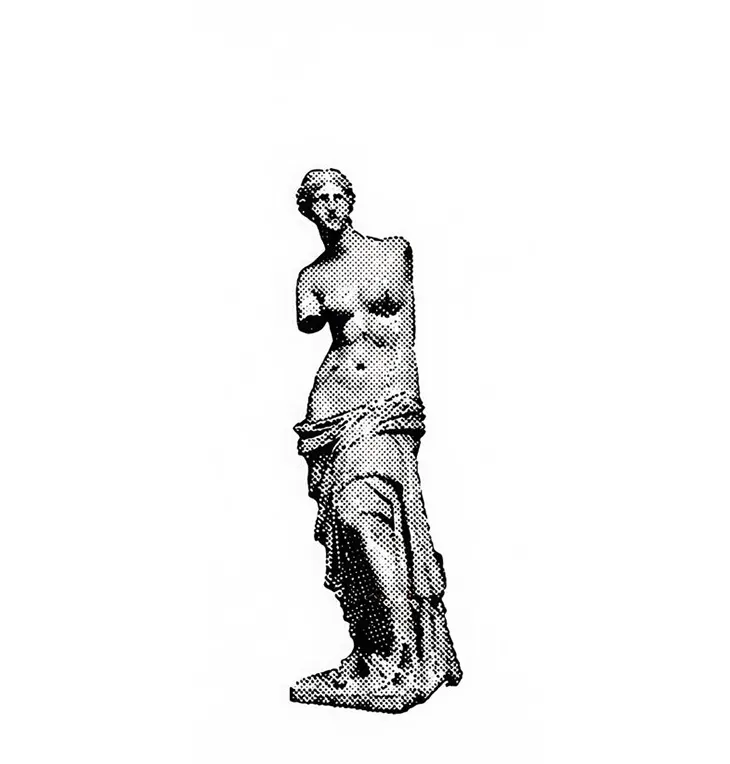
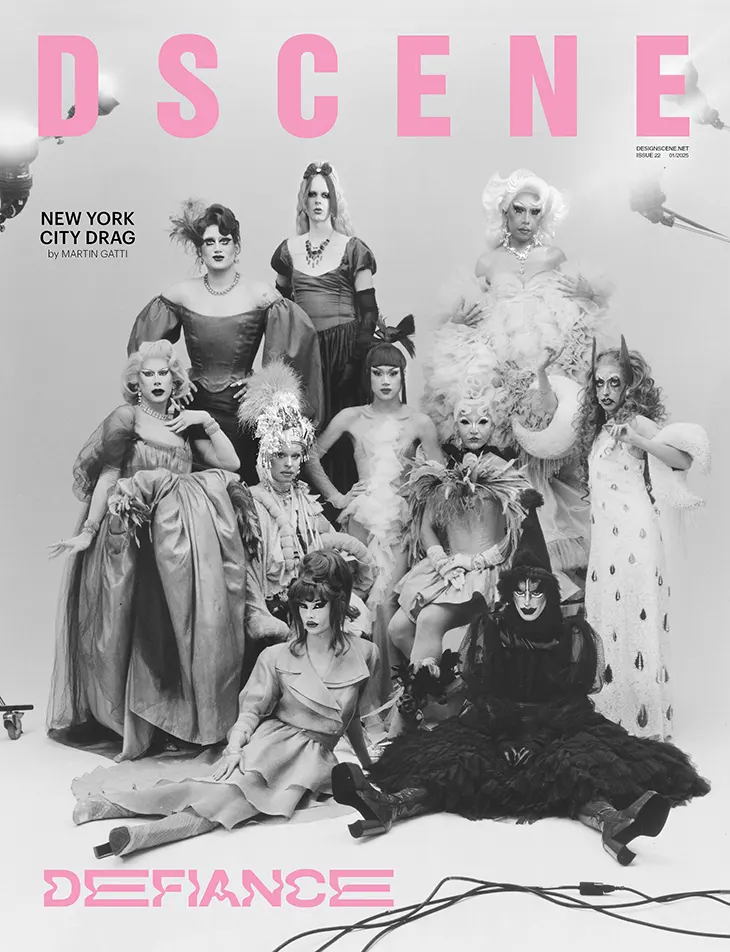
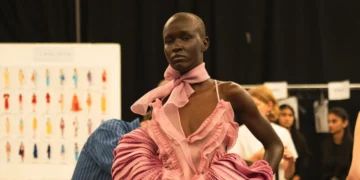
In fashion, the conversation continues. Designers have reimagined silhouettes once meant to constrain (corsets, veils, high collars) and turned them into tools of subversion. The body is styled not to please, but to confront. To provoke. To own space.
The feminist body today is not one kind of body. It is trans, fat, disabled, racialized, scarred. It resists the demand for legibility. It refuses to be tidy, quiet, or palatable. And in that refusal, it reclaims power.
Too often, the conversation around abortion and autonomy is framed in terms of “choice.” But choice implies options, and many do not have them. What is needed is a broader understanding of sovereignty, the idea that your body is your own, not just in law but in practice. That you have the resources, safety, and power to shape your own physical reality.
To reclaim the body is to reclaim the future.
This includes access to healthcare without stigma or fear. It includes education that teaches not shame but agency. It includes housing, employment, and legal systems that affirm rather than punish. It includes recognizing how race, class, ability, and geography shape every aspect of bodily autonomy.
The body cannot be free when it is hungry. When it is surveilled. When it is criminalized. The fight for bodily sovereignty is a fight against structural violence, and that violence is global.
The body is not just an object. It is not just skin and muscle and hormone. It is an archive. A protest sign. A threat. A canvas. A site of memory and imagination. And it is, now more than ever, a battlefield.
But in that battlefield, we find art. We find joy. We find community. We find people refusing to be legislated into silence. We find protest songs and illegal pills and underground clinics. We find mothers, daughters, queers, doctors, healers, artists.
We find a different kind of future, drawn not by borders or binaries, but by blood, by voice, by defiance.
To reclaim the body is to reclaim the future.





This post 🌟 made me think about things in a completely different way
The situation in Poland is beyond any understanding! I can’t believe something like that is happening in Europe in 2025….