


There is a specific kind of pressure that arrives every December, and it has very little to do with joy. It moves through inboxes, calendars, group chats, and social feeds with the same insistence. Celebration is assumed. Participation is expected. Cheerfulness becomes a social obligation rather than an emotion. By the time the year reaches its final weeks, happiness is no longer something you feel. It is something you perform.
DORIC ORDER
The holidays no longer announce themselves gently. They arrive as logistics. Dinners to attend. Events to confirm. Brand gatherings, private invitations, business cocktails framed as warmth. Everyone seems to be hosting something. Every table promises intimacy. Every message insists that this moment matters. Yet the emotional climate tells a different story. The world feels fractured, unstable, raw. War continues without resolution. Economies tighten. Entire populations move between fear, grief, and exhaustion. In that context, the demand to celebrate feels detached from reality, almost hostile.
What we call holiday cheer has hardened into choreography. Sit down. Dress up. Smile. Toast. Applaud. Say thank you. Pretend the room is insulated from what is happening outside. Pretend that lightness is appropriate simply because the calendar says so.
By the time the year reaches its final weeks, happiness is no longer something you feel. It is something you perform.
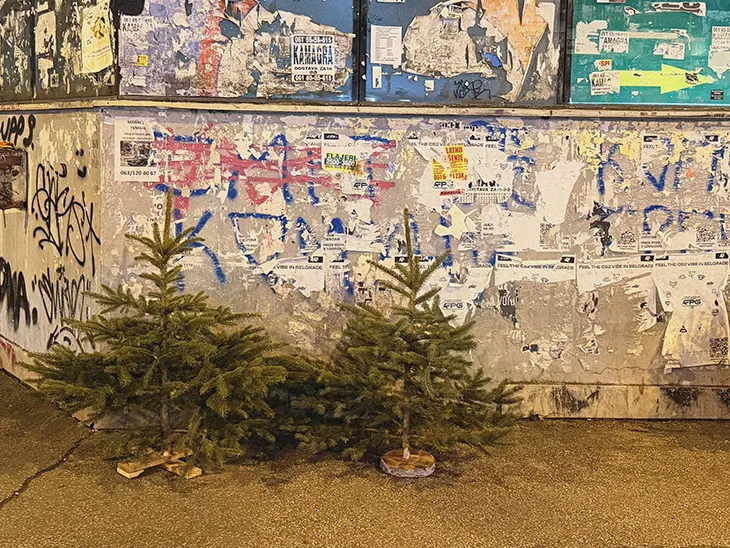
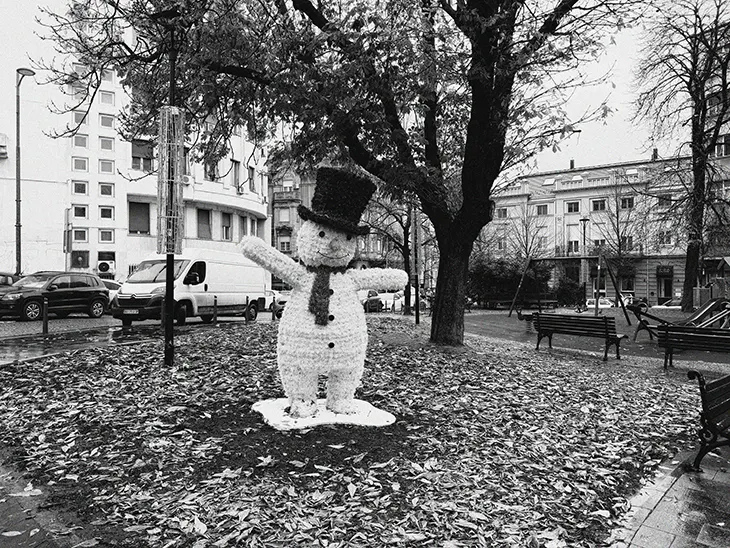
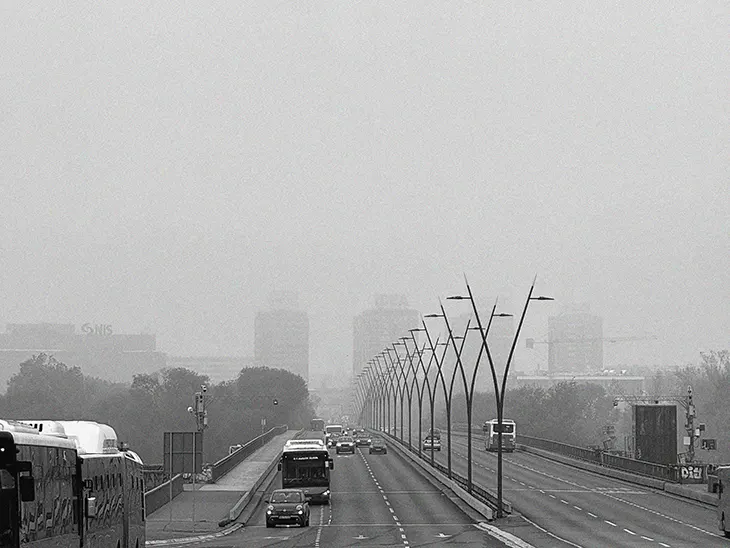
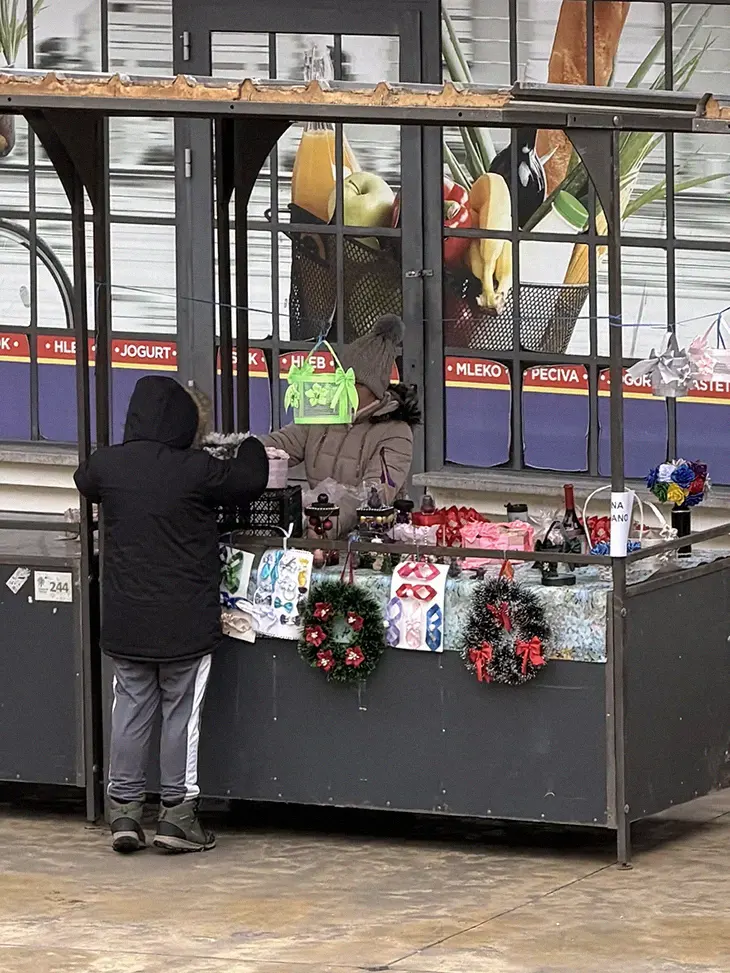
In my city, the contradiction is especially visible. This year, there are almost no holiday decorations. No lights softening the streets. No ornaments breaking the monotony of concrete and asphalt. Everything feels gray, drained, heavy. Winter does not arrive here as calm or quiet. It arrives as pressure. The air quality is so poor that breathing becomes an effort. You feel it in your chest, in your throat, in the way your body resists the outdoors. Going outside feels punitive. Staying inside feels claustrophobic. There is no illusion of festivity to soften the experience. And yet, the invitations continue.

Companies organize Christmas parties with impressive budgets and perfect execution. Ballet dancers perform scenes from The Nutcracker while executives eat and talk over them. Perfectly trained bodies move with precision and grace, reduced to atmospheric decoration. Forks scrape plates. Wine glasses clink. Conversations drift between deals, holidays, and next year’s plans. The dancers become part of the furniture, a cultural garnish designed to elevate the evening without demanding attention. It is obscene in its timing.
Art reduced to background while the air outside is barely breathable. Beauty staged inside sealed interiors while the city suffocates. A fantasy of refinement performed at a distance from lived conditions. This is where cheerfulness turns violent. Not because joy itself is wrong, but because its enforcement denies context. It erases atmosphere. It refuses to acknowledge that the collective mood is not celebratory, that fatigue and fear are rational responses rather than personal shortcomings.
There is something violent about joy when it refuses context.
There is also the violence of togetherness. Holidays insist on proximity. Families, colleagues, acquaintances, strangers pulled into shared spaces under the assumption that closeness equals comfort. For many people, it does not. It creates obligation, emotional labor, and quiet dread. You must attend. You must host. You must make conversation. You must explain yourself if you choose absence.
Opting out carries penalties. You are read as cold, distant, ungrateful. Silence becomes suspicious. Withdrawal is interpreted as rejection. The season leaves no room for neutrality. You either participate or you disrupt the mood. There is no socially acceptable way to say, “I don’t have the capacity for this.”
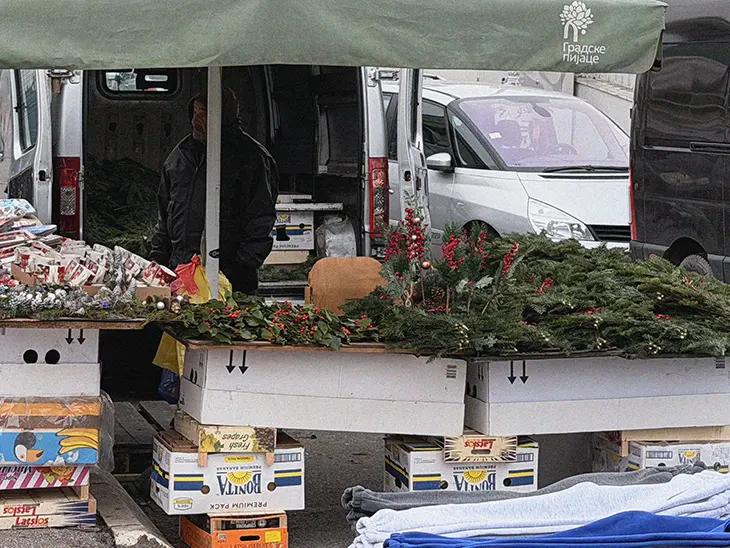
What often goes unspoken is how uneven this cheerfulness is distributed. Someone cleans the venue after the party ends. Someone serves the food. Someone rehearses the ballet. Someone takes public transport home through polluted air long after the last toast is made. The holiday pause is selective. For some, December slows down. For others, it accelerates into longer shifts, tighter deadlines, and increased visibility.
Opting out is treated as disruption, not honesty.
Even rest has become performative. Wellness retreats promise renewal. Slow living is packaged as an experience with a price point. Silence is curated. Stillness is scheduled. You are expected to come back from the holidays improved, lighter, grateful, ready for a new cycle of productivity. Exhaustion is allowed only if it resolves itself neatly by January.
Social media sharpens this pressure. Year-in-review posts flood timelines, neatly summarizing lives into carousels of achievements, travels, bodies, relationships, moments of apparent clarity. Everyone seems to have found meaning. Everyone has highlights. Everyone appears resolved. The year is framed as a narrative with a clean arc, even when lived experience was anything but coherent.
These posts function as public accounting. What did you do. Where did you go. Who were you with. What did you build. What did you overcome. What did you gain. There is very little space for ambiguity, grief, or stagnation. Messiness does not perform well. Uncertainty does not fit into templates.
The demand to summarize, celebrate, and package a year that felt brutal or disorienting adds another layer of violence. It suggests that difficulty must be edited out. That survival alone is not enough. That you owe the public proof of growth.
Not every year is meant to be summarized, improved, or redeemed.
This year, something shifted for me in a way that felt both small and deeply unsettling. For the first time, I thought seriously about not decorating a Christmas tree. It surprised me. Holidays used to matter to me. I used to love them. The rituals, the anticipation, the sense of marking time through objects and gestures. Decorating the tree was never about tradition alone. It was about creating a pocket of warmth, a visual reminder that time could still feel gentle.
This year, I felt none of that instinct. The idea of decorating felt hollow. Decorative gestures felt dishonest, almost embarrassing, as if pretending would make things worse rather than better. The world felt too heavy for ornaments. The city felt too depleted for lights. I could not reconcile the impulse to decorate with the reality I was moving through. I didn’t make a declaration about it. I just didn’t do it.
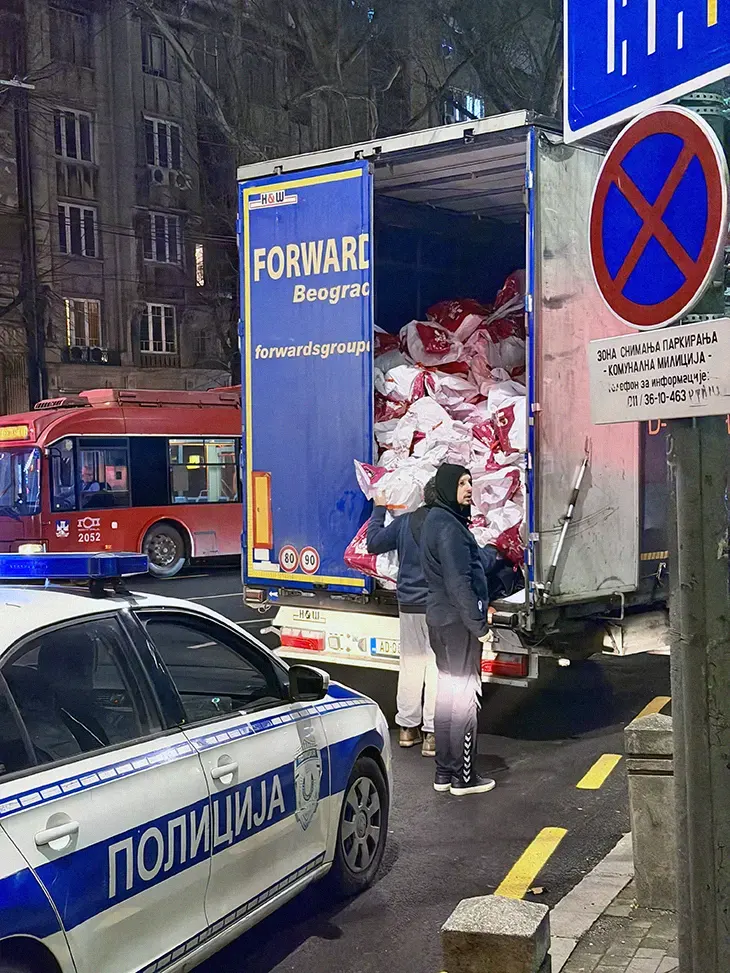
My husband noticed. Quietly. He didn’t question me. He didn’t try to persuade me. One day, he came home with a tree. It wasn’t dramatic. It wasn’t framed as fixing something. It was simply there. An offering rather than an argument. We decorated it in the end. I am glad we did. But not in the way I used to be.
The tree did not feel triumphant. It did not restore faith. It did not erase the heaviness. Instead, it became something else. A fragile structure inside a difficult year. A small, almost defiant act of care rather than celebration. It mattered precisely because it did not solve anything. That distinction feels important.
Decorating can be an act of care, but only when it does not pretend to fix anything.
There is a difference between joy that emerges despite conditions and joy that is demanded in defiance of them. The first is intimate, fragile, earned. The second is aggressive. It insists that mood can be commanded, that atmosphere can be overridden by décor and programming.
What troubles me most about holiday culture now is not excess, but denial. The refusal to acknowledge that many people are not okay. That the global situation does not align with scripted cheer. That pretending otherwise does not protect anyone, it simply isolates those who cannot perform.
Cheerfulness becomes a way to silence discomfort. To push grief and anger out of shared spaces. To frame unease as negativity rather than information. It teaches us that being honest about how things feel is inappropriate during certain seasons.
But seasons are constructs. Calendars are systems. December does not absolve reality. It does not suspend responsibility. It does not erase fear, injustice, or exhaustion. The insistence that it should feels increasingly disconnected from lived experience.
There is also something deeply unsettling about how aesthetics are used to anesthetize. Soft lighting. Classical music. Ballet. Wellness language. These elements are not neutral. When deployed without awareness, they become tools of distraction rather than care. They ask us to admire surfaces while ignoring structure.
There is also something deeply unsettling about how aesthetics are used to anesthetize.
Watching a Nutcracker performance over dinner while the city struggles to breathe is not refinement. It is insulation.
I find myself increasingly drawn to restraint. Fewer events. Fewer obligations. Less forced proximity. Allowing space for discomfort without rushing to resolve it. Allowing silence to exist without labeling it as failure.
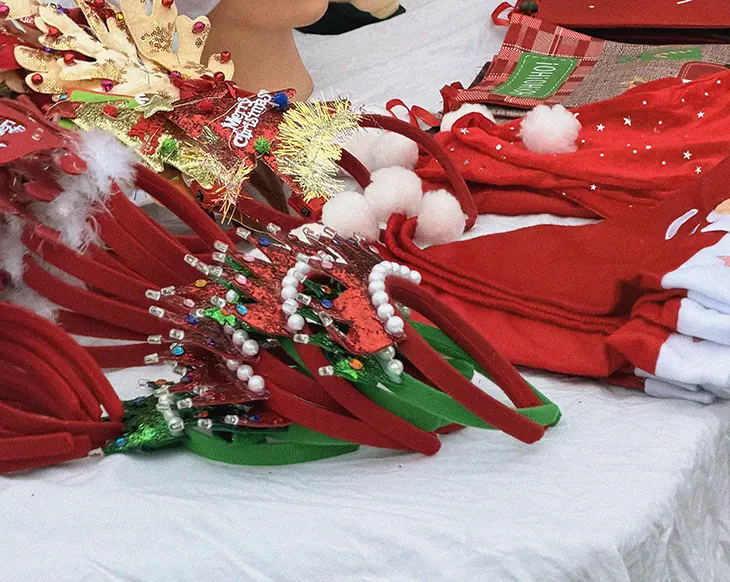
Perhaps the most honest response to this season is not celebration, but witnessing. Acknowledging that some years are not designed for joy in its conventional form. That survival, continuity, and care are enough. That decorating a tree can be an act of tenderness rather than denial, if done without expectation of transformation.
I am not against holidays. I am against their coercion. I am against the idea that joy must be synchronized, visible, and productive. I am against art used as décor for power, and wellness used as language to ignore collapse.
The real violence of cheerfulness is the demand to feel otherwise.
What I want is permission to feel accurately. To admit that things are gray. That the air hurts. That the world feels wrong. That joy, when it appears, does so quietly and without instruction.
The violence of cheerfulness lies in its refusal to allow that truth. In its insistence that mood is a moral obligation. In its quiet punishment of those who cannot participate.
Happy Holidays!