


Hurricane preparedness has evolved significantly from plywood panels and purely utilitarian fixes. Today’s homeowners want protection that doesn’t force them to sacrifice style or live in a space that feels permanently “on alert.” The good news is that modern design and storm readiness are no longer at odds.
With thoughtful planning, you can upgrade your home in ways that enhance safety, comfort, and aesthetics simultaneously. The key is focusing on solutions that serve double duty. They protect during severe weather while still supporting a polished, intentional interior the rest of the year.
Below are four design-forward ways to hurricane-proof your home without compromising its look or livability.
1. Upgrade to Impact-Rated Windows and Doors
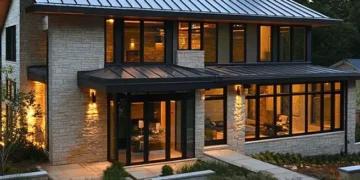
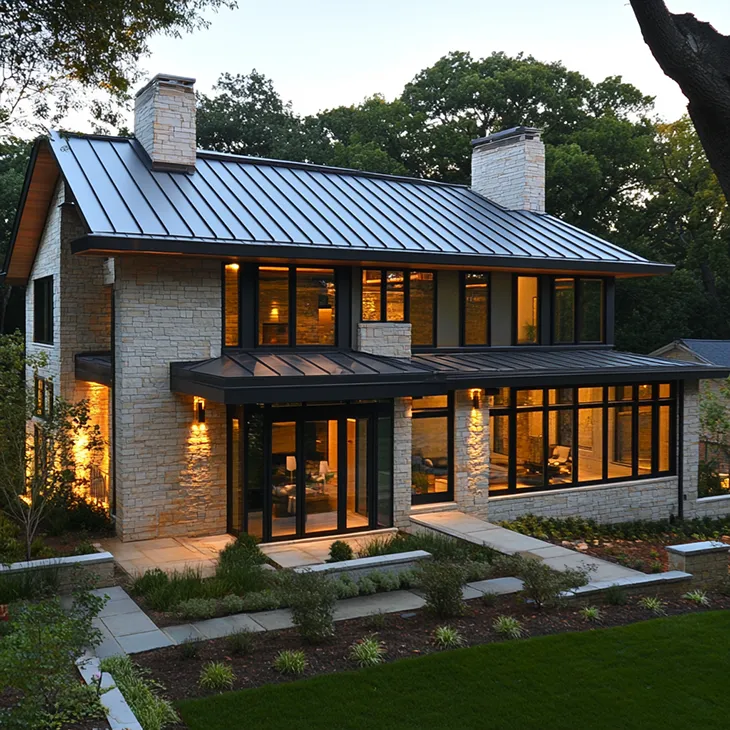
Windows and doors are among the most vulnerable points in a hurricane, but they’re also some of the most visually prominent features in your home. Impact-rated glazing has evolved significantly, offering strong protection while maintaining clean lines and modern appeal.
Unlike temporary storm shutters, impact-rated systems are always in place, meaning there’s no last-minute scramble when a storm approaches.
To better understand how these systems balance performance with design, resources like impact windows and doors by SafeGuard provide clear explanations of ratings, durability, and aesthetic options so homeowners can make informed choices.
From a style standpoint, today’s impact windows and doors offer:
- Slimmer frames and larger glass panels for a lighter, more open feel
- Multiple finishes to complement both contemporary and traditional homes
- Energy-efficient coatings that improve comfort year-round
When evaluating options, look beyond basic storm ratings. Consider how the window profile, tint, and framing will interact with your interior design and exterior architecture. The best installations feel intentional, not like an obvious “storm add-on.”
2. Use Movable Display Shelving and Flexible Art Systems
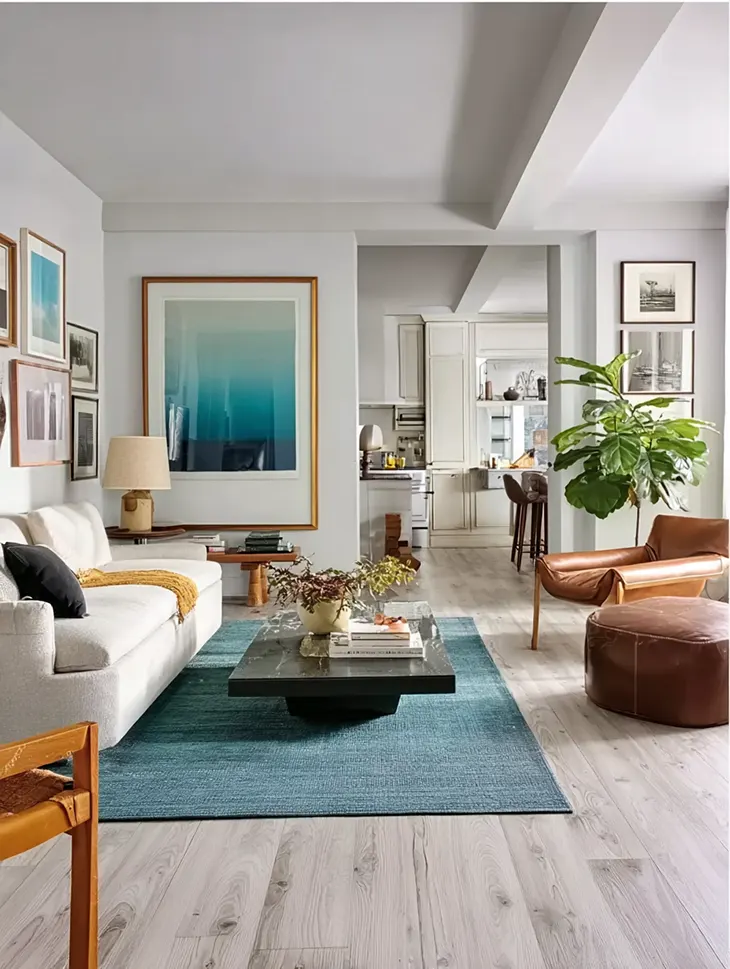
During high winds, unsecured furniture, shelving, and wall décor can become hazards. Rather than stripping your walls bare every storm season, consider design systems that are easy to adjust or temporarily remove.
Movable shelving and gallery-style hanging systems allow you to maintain a curated look while giving you flexibility when storms approach. These systems are especially useful in open-concept homes where walls carry more visual weight.
Design-smart ways to reduce storm risk include:
- Modular shelving units that can be lowered or detached quickly
- Rail-based art hanging systems that eliminate excessive wall anchors
- Lightweight décor pieces displayed in secure, recessed shelving
The result is a home that still feels layered and personal, but can be adapted quickly without stress. As a bonus, flexible systems also make seasonal redecorating easier. Storm prep becomes just another quick adjustment, not a full teardown.
3. Choose Weather-Resilient Materials and Finishes
One of the most overlooked aspects of hurricane readiness is interior durability after the storm passes. Wind-driven rain, humidity spikes, and power outages can all take a toll on finishes that weren’t designed for moisture or heat.
Fortunately, many weather-resilient materials are also highly stylish. In fact, some of today’s most popular design trends align naturally with storm-smart choices.
Consider incorporating:
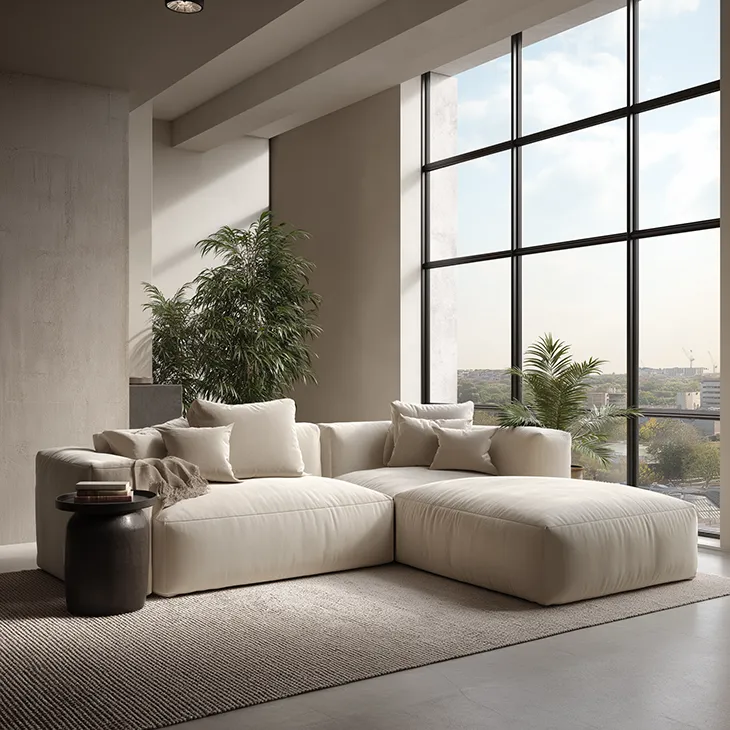
- Porcelain or stone tile flooring instead of moisture-sensitive hardwood
- Mold-resistant drywall or lime-based plasters in coastal zones
- Performance fabrics for upholstery that resist moisture and mildew
These upgrades don’t scream “storm proofing,” but they quietly protect your investment while supporting a refined aesthetic. They’re especially valuable in primary living areas where you want both beauty and peace of mind.
4. Plan Backup Power with Heat and Ventilation in Mind
Backup power is often thought of as a purely functional upgrade, but with the right planning, it can support both comfort and design, especially during extended outages in hot, humid conditions.
Instead of focusing only on powering appliances, think holistically about airflow, cooling, and livability. Strategic ventilation planning can make a noticeable difference when air conditioning isn’t fully available.
Smart, design-friendly approaches include:
- Ceiling fans wired to backup circuits for airflow and comfort
- Battery-based backup systems paired with solar for quieter operation
- Discreet generator placement screened by landscaping or architectural elements
When done well, backup power solutions blend into the home rather than dominating it. The goal is resilience without visual clutter or intrusive equipment that detracts from your space.
Bringing Safety and Style Together
Hurricane-proofing your home doesn’t have to mean sacrificing character, comfort, or design integrity. By choosing upgrades that are both protective and visually thoughtful, you can create a home that feels calm, cohesive, and prepared, no matter the forecast.
The most effective approach is proactive and layered: reinforce critical structures, use flexible design systems, select resilient materials, and plan for comfort during outages. When these elements work together, safety becomes part of the design story rather than an afterthought.
With the right choices, your home can weather the storm, and still look great doing it.