


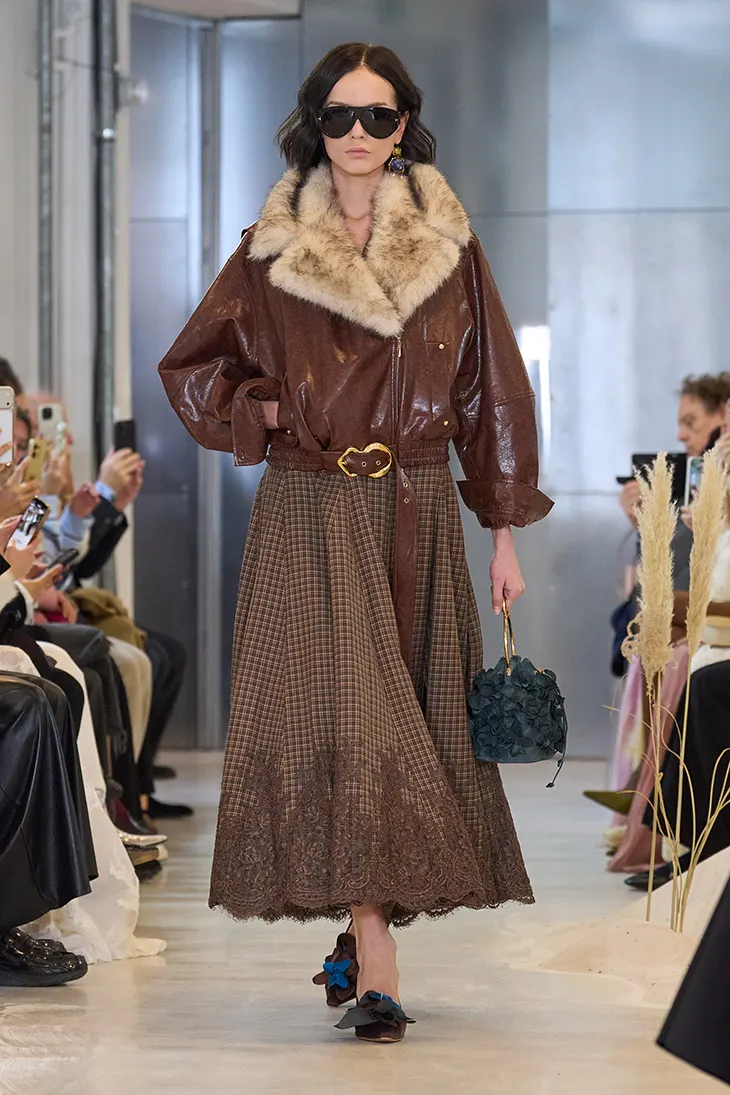
SARAWONG introduces the Fall Winter 2026 collection Remains of Time during Milan Fashion Week, examining how time alters physical matter and leaves visible traces. The concept emerges from observation of the earth’s layered structure, where tundra, sediment, crystals, and roots record ongoing transformation. These natural formations provide a framework for garments that reflect accumulation, pressure, and gradual change. The collection approaches clothing as a surface capable of carrying physical evidence.
FALL WINTER 2026
Mineral veins and fossilized remains preserve fragments of planetary history, offering a record formed through compression and erosion. SARAWONG translates these phenomena into garment construction through layered materials and surface treatments. Textiles evoke the density associated with stone and the movement associated with water. Fabric becomes a medium shaped by pressure, erosion, and gradual accumulation, creating surfaces that suggest depth and material weight.
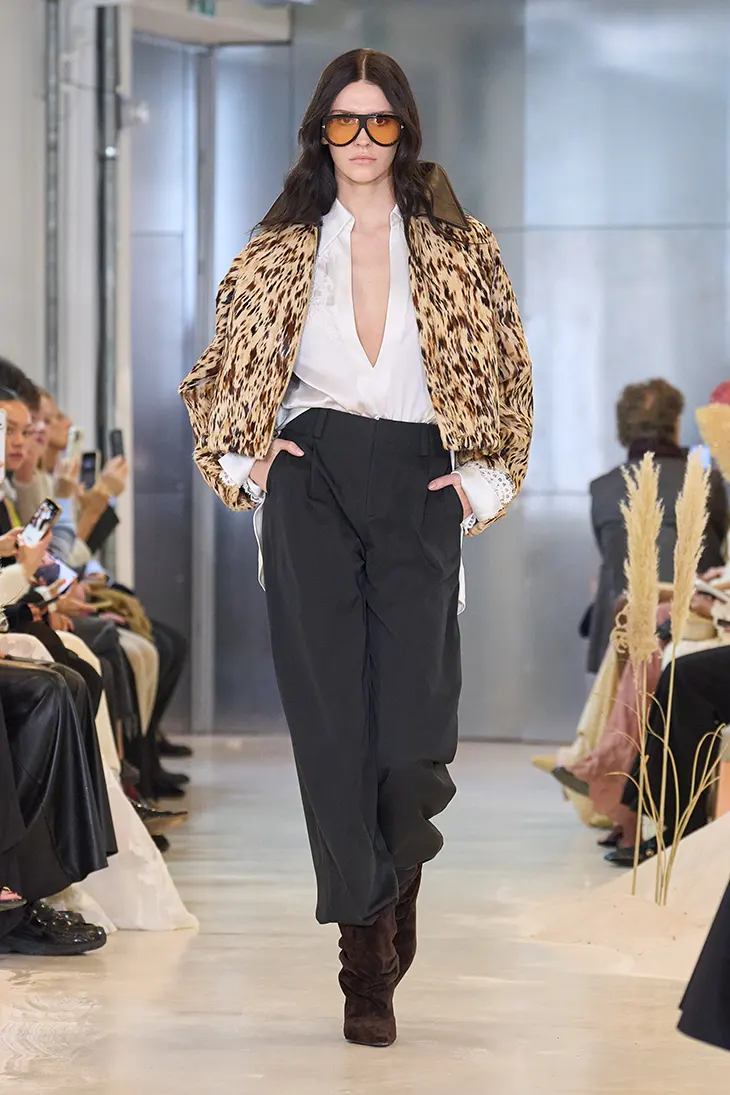
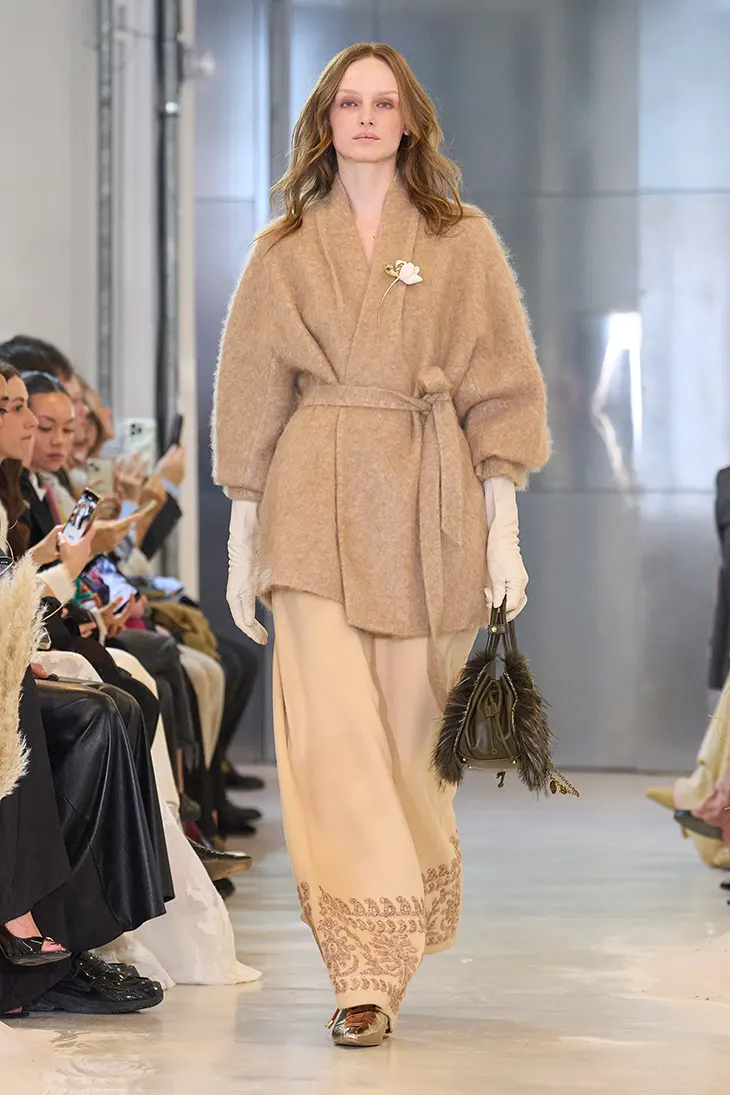
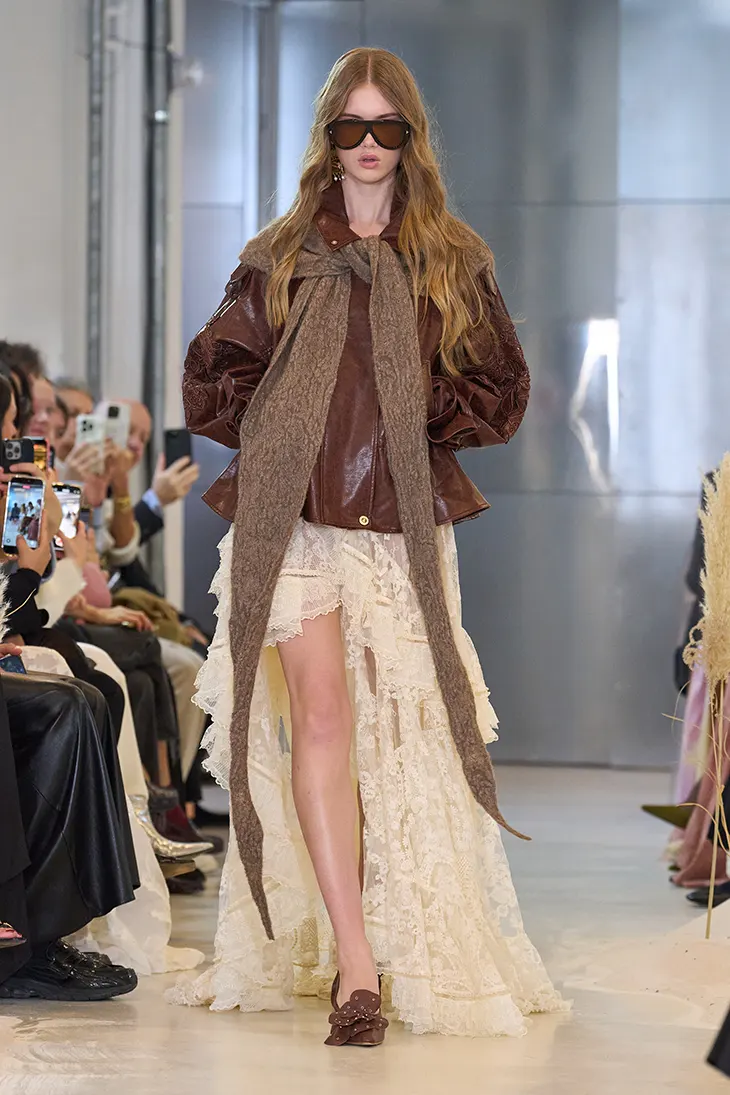
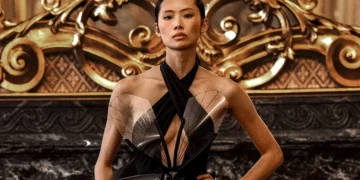
Warm earth browns introduce tonal grounding, while mineral creams introduce lighter surface variation. Deep black tones suggest fissures and shadowed spaces found within rock formations. Metallic reflections introduce visual interruption across matte surfaces, suggesting mineral presence beneath the surface. Transparent layers introduce permeability, allowing light to pass through the garment structure and revealing interior construction.
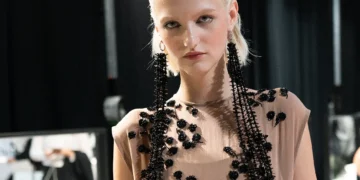
Leather and knitwear feature textured surfaces that reference moss and lichen growth across stone. Fringes introduce movement that reflects natural processes such as erosion and flow. Pleats alter surface geometry, creating structural variation across garments. Lace and organza introduce areas of openness, allowing the garment to interact with surrounding light. Three-dimensional cord embroidery introduces raised forms across the surface, creating depth and structural emphasis. Sequins, openwork construction, and layered textile techniques extend this approach, directing attention toward the relationship between material and time.
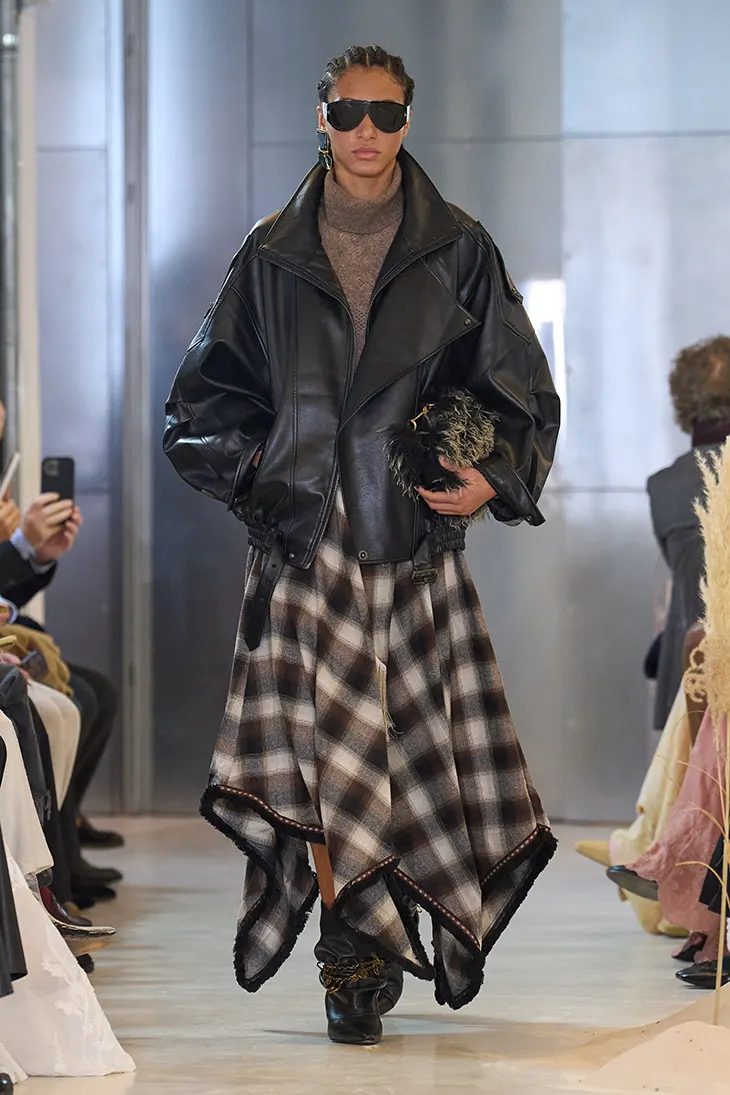
Botanical references appear through six flowers integrated into the collection’s visual language. Dendrobium, Lilium lancifolium, Epiphyllum oxypetalum, Strelitzia, Lathyrus odoratus, and Bletilla striata appear through embroidery and appliqué techniques. These floral elements appear across garments as preserved traces, resembling botanical forms held within geological layers.
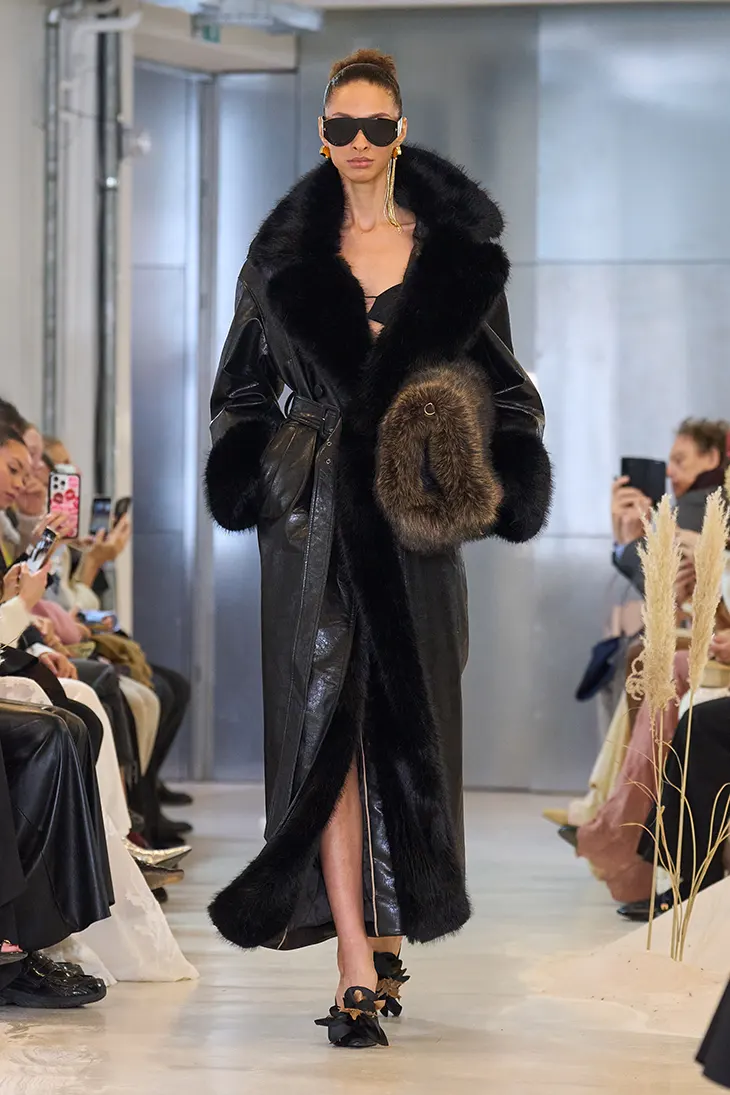
Surface treatments and textile manipulation connect the collection’s visual direction with its conceptual framework. Embroidery introduces raised contours, while layered materials create variations in opacity and density. These techniques allow garments to reflect processes associated with natural transformation.
SARAWONG develops garments that reference sediment, mineral formation, and botanical preservation through controlled material processes. The collection approaches fabric as a physical surface capable of retaining evidence, directing natural transformation into contemporary form.