


When H&M launched its first designer collaboration with Karl Lagerfeld in 2004, the Swedish retailer introduced a concept that would reshape fashion retail. The initiative opened the work of major designers to a mass audience while reinforcing the idea that strong design should exist beyond luxury price points. The experiment quickly proved transformative, with collections selling out within hours and queues forming outside stores across Europe, the United States and Asia.
FASHION
Our aim was to introduce the world of fashion to consumers globally, while showcasing our connection to strong, thoughtful and original design. It connects to the fundamental ethos of H&M: that quality and creativity should be available for everyone. – Ann-Sofie Johansson
H&M’s designer collaborations evolved into one of the most anticipated initiatives in fashion. Designers have used the platform to translate their visual language into limited collections that introduce their work to a wider public while creating cultural moments that extend far beyond the stores.
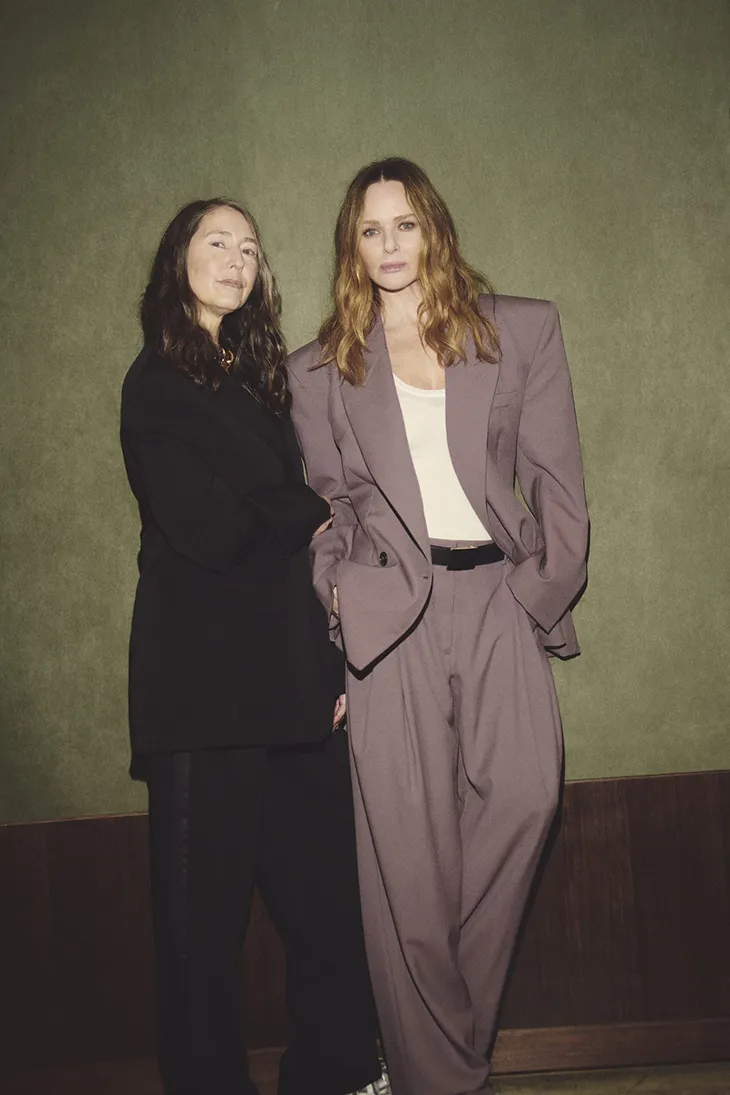
Stella McCartney x H&M (Spring 2026)
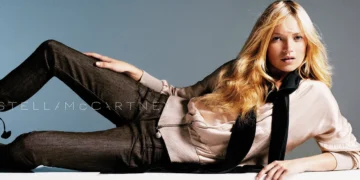
More than twenty years later, the program returns to one of its earliest collaborators. Stella McCartney reunites with H&M almost exactly twenty years after their first partnership launched in November 2005, the second designer collaboration in H&M history. The new project revisits key pieces from McCartney’s archive, translating signature silhouettes and recognizable house codes into a new collection designed for a contemporary audience.
The collaboration introduces a strong sustainability framework. The collection will feature certified responsible materials, many of which are recycled, alongside alternatives to conventional fabrics and textiles. The project also extends beyond the garments themselves through the creation of an Insights Board, bringing together voices from across the fashion industry to explore new approaches to innovation, animal welfare and material development.
I’m excited to reunite with H&M 20 years after our first collaboration. Reworking pieces from my archive brought back so much energy and joy. This second partnership feels like a chance to look at how far we’ve come on sustainability, cruelty-free practices and conscious designs – and to stay honest about how far we still have to go, together. – Stella McCartney
The collaboration signals a broader shift in how H&M approaches designer partnerships. Instead of focusing solely on a limited capsule collection, the initiative introduces an ongoing conversation about sustainability and industry responsibility.
Ann-Sofie Johansson described Stella as a true groundbreaker, saying she disrupted fashion from the start with designs that celebrated a rule-breaking femininity. She added that Stella’s moral compass and tireless commitment to sustainable practices have inspired everyone at H&M.
As the Stella McCartney collaboration marks a full-circle moment for the program, it also invites a look back at the partnerships that defined the series.
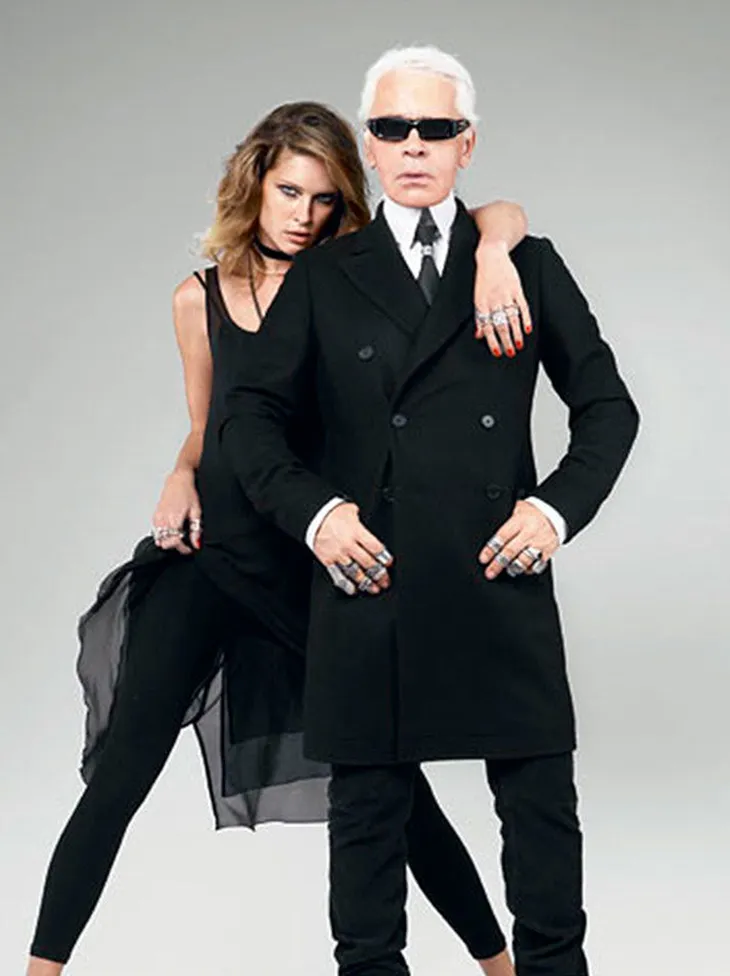
Karl Lagerfeld x H&M (2004)
Karl Lagerfeld’s capsule translated the designer’s own wardrobe into a sharply tailored collection dominated by black and white. The pieces reflected the silhouette he wore daily: slim-cut suits, fitted blazers with narrow lapels, skinny trousers and high-collar shirts. Lagerfeld also included chiffon dresses and satin lapel jackets, while graphic T-shirts printed with his portrait turned the designer himself into part of the visual identity of the collection.
The collection launched in November 2004 and immediately caused a retail frenzy. Customers queued outside stores across Europe and North America, and most pieces sold out the same day. The success demonstrated that a luxury designer could collaborate with a global retailer without diluting their aesthetic, establishing a model that many other brands later adopted.
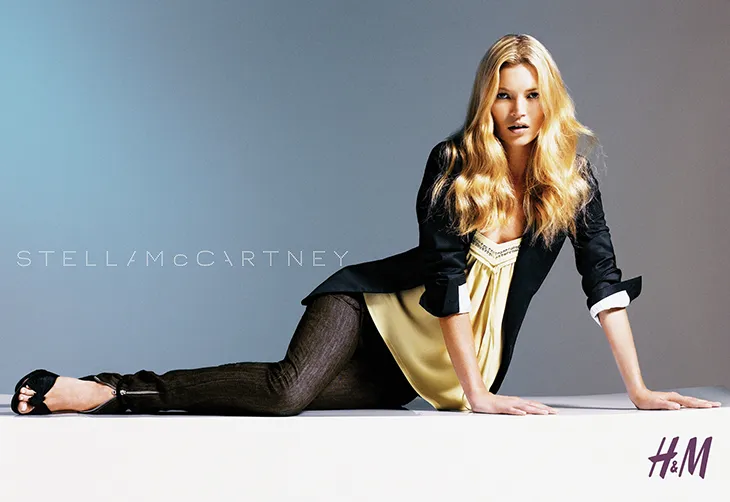
Stella McCartney x H&M (2005)
Stella McCartney’s first H&M collaboration reflected the clean tailoring and restrained glamour that had defined her label since its launch in 2001. The collection included silk slip dresses, tuxedo jackets, belted coats and tailored trousers. McCartney also introduced structured knitwear and boots that mirrored the understated elegance of her runway collections.
One of the most recognizable pieces was a washed silk belted jumpsuit that later entered the collection of London’s Victoria & Albert Museum. The design captured McCartney’s ability to balance tailoring with relaxed silhouettes, demonstrating how her aesthetic could translate into a high-street format without losing its character.
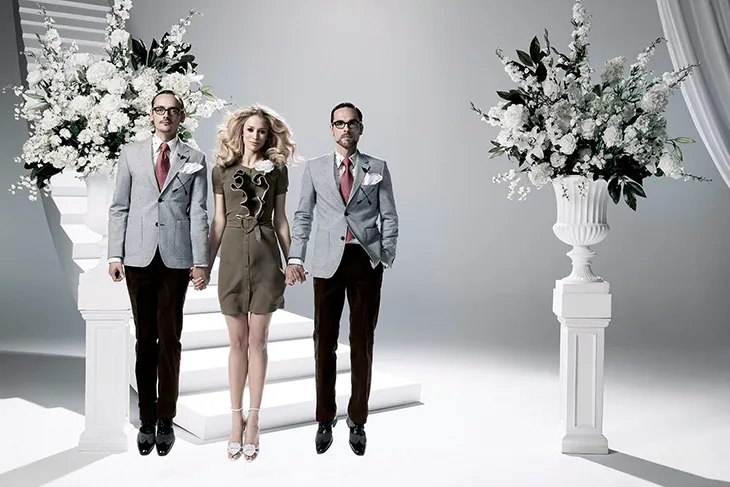
Viktor & Rolf x H&M (2006)
The Dutch design duo brought conceptual humor to the collaboration program. Viktor & Rolf‘s capsule combined sharp black tailoring with oversized bows and ribbon details that appeared across jackets, dresses and shirts. The garments echoed the designers’ fascination with transformation and exaggerated proportion.
The centerpiece of the collection was a wedding dress constructed entirely from detachable bows. Each bow could be worn individually as a scarf or accessory, transforming the garment into multiple pieces. The design reflected Viktor & Rolf’s conceptual approach to clothing and became one of the most recognizable pieces in the history of H&M collaborations.
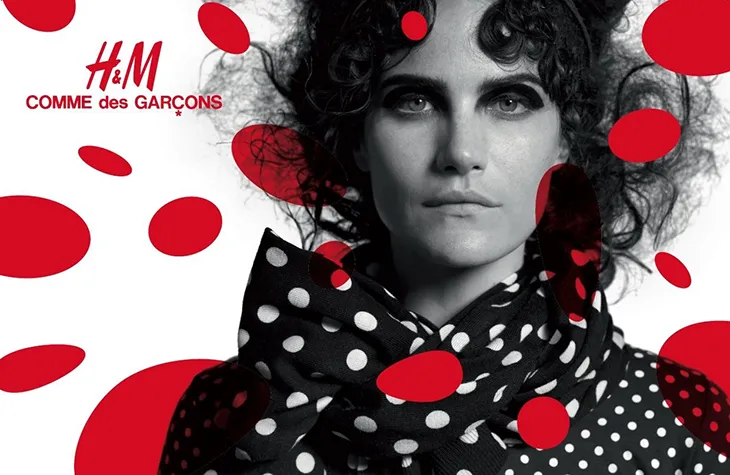
Comme des Garçons x H&M (2008)
Rei Kawakubo translated the visual language of Comme des Garçons into a capsule that retained the brand’s unconventional approach to tailoring. The collection featured oversized jackets, deconstructed coats and garments covered in large polka-dot prints. Many pieces used asymmetrical cuts that disrupted the familiar structure of jackets and dresses.
The capsule also included shirts with exaggerated collars and coats constructed with uneven hems. Rather than simplifying the aesthetic for mass retail, Kawakubo preserved the experimental silhouettes associated with her label. The collaboration introduced many H&M customers to the design philosophy of one of fashion’s most influential avant-garde houses.
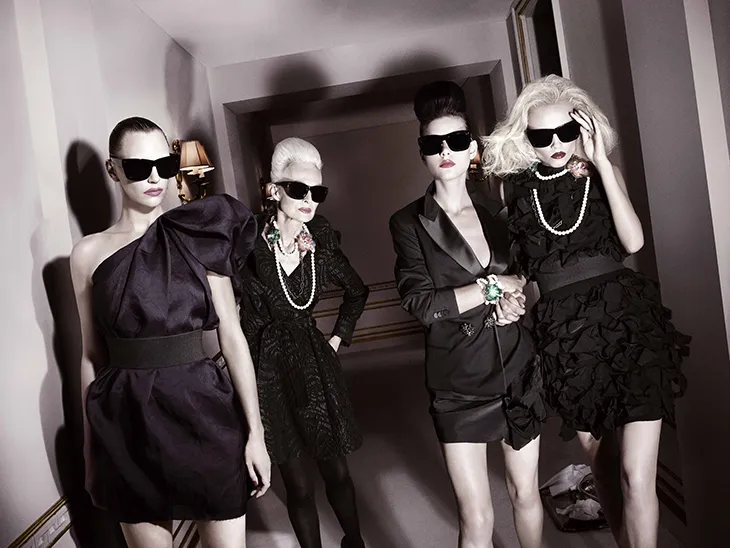
Lanvin x H&M (2010)
Under the direction of Alber Elbaz, Lanvin translated its eveningwear into a vibrant capsule built around ruffled dresses and sculptural silhouettes. The collection featured brightly colored cocktail dresses made from layered tulle and satin in shades of yellow, red and turquoise. Elbaz also introduced bold accessories, including oversized faux-pearl necklaces and crystal-embellished jewelry.
The campaign film accompanying the collection featured Elbaz dancing alongside models wearing the dresses, capturing the warmth and humor that defined his work at Lanvin. When the collection launched, the ruffled dresses quickly became the most recognizable pieces and were widely photographed in fashion media.
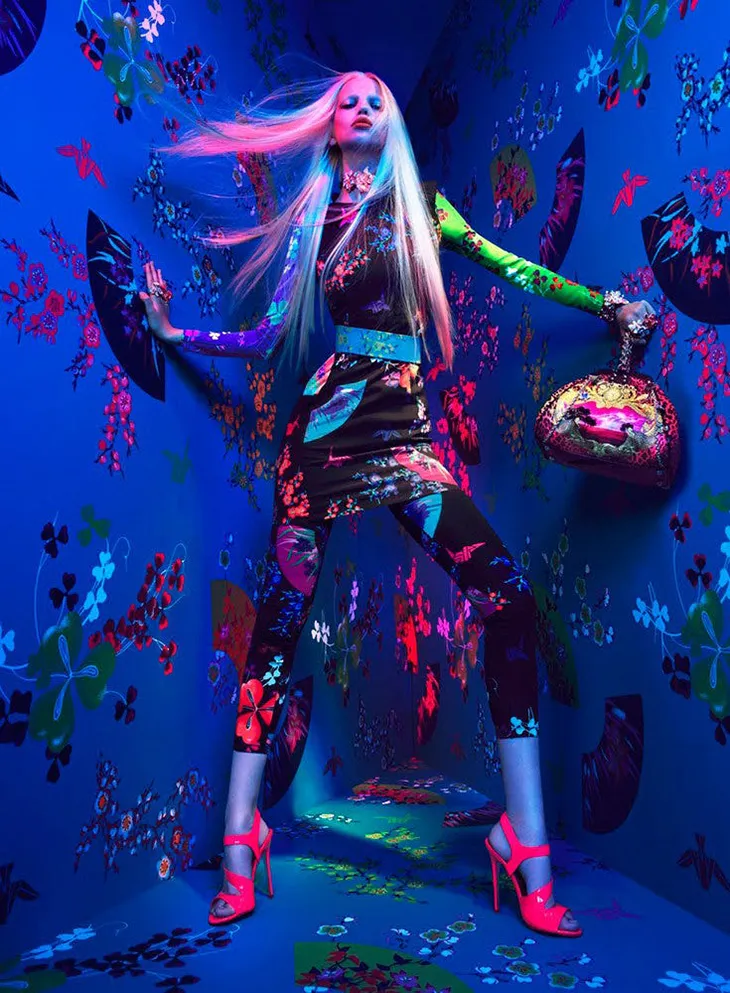
Versace x H&M (2011)
Donatella Versace brought the unmistakable codes of the Italian house to H&M in 2011. The collection featured silk dresses and shirts covered in baroque patterns, alongside leather jackets and studded accessories that echoed Versace’s glamorous 1990s aesthetic. Bright colors such as fuchsia, turquoise and gold dominated the palette.
The capsule also included tailored blazers with gold buttons and body-con dresses inspired by Versace’s runway silhouettes. When the collection launched, customers lined up outside stores across major cities, and the bold prints quickly became some of the most recognizable garments produced through the collaboration program.
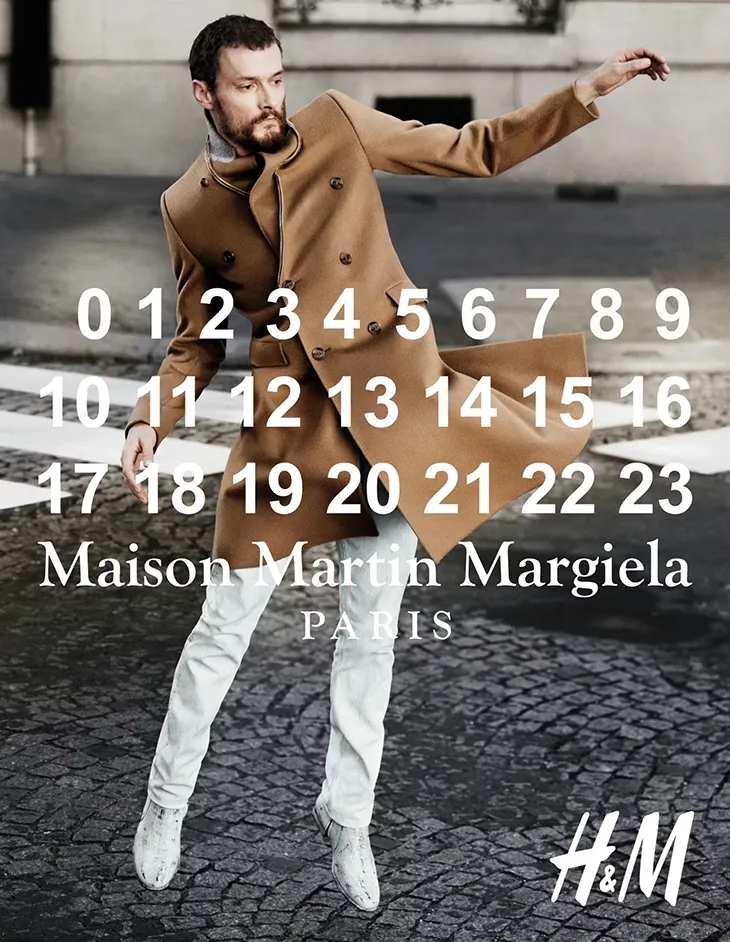
Maison Martin Margiela x H&M (2012)
Maison Martin Margiela approached the collaboration by recreating reinterpretations of designs from its archive. The collection included oversized coats with exaggerated shoulders, dresses constructed from scarf-like panels and sweaters printed with trompe-l’oeil graphics that mimicked necklaces or layered garments.
Several pieces distorted familiar proportions. Jackets appeared significantly oversized, while denim garments incorporated patchwork construction that reflected the label’s long-standing interest in reconstruction. The capsule introduced Margiela’s philosophy of deconstruction to a much broader audience.
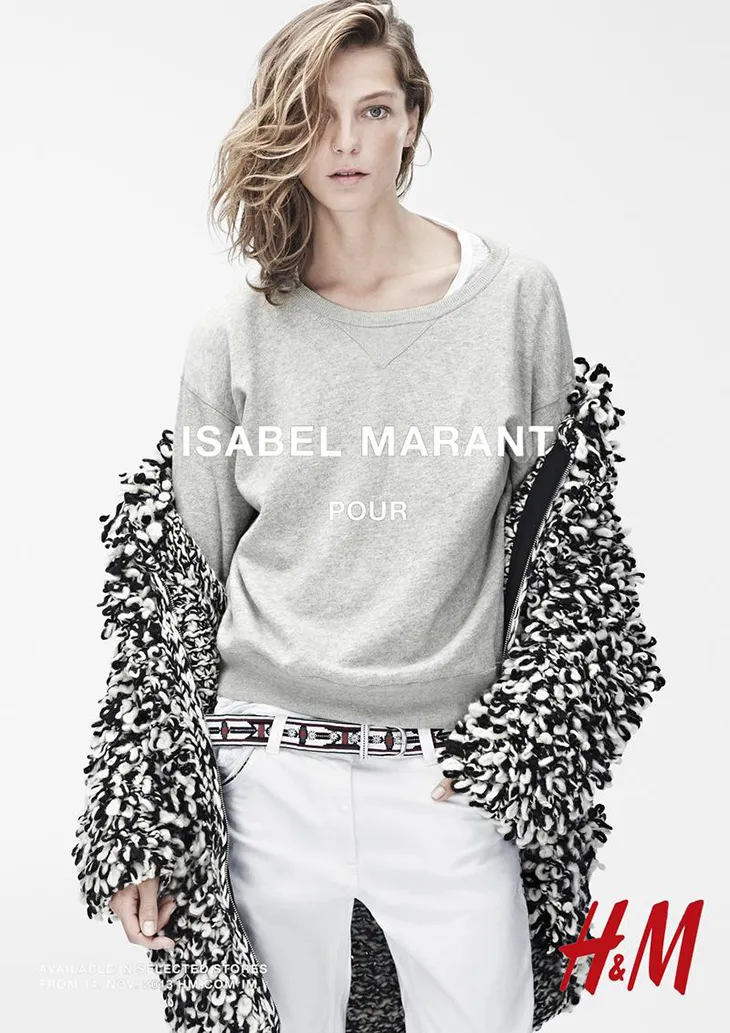
Isabel Marant x H&M (2013)
Isabel Marant translated the relaxed aesthetic of her Paris label into a collection centered on bohemian tailoring and textured fabrics. The capsule featured embroidered jackets, patterned sweaters and slim trousers alongside suede ankle boots and woven belts. Many garments incorporated geometric embroidery inspired by traditional textile motifs.
The collection also included leather trousers and oversized coats that reflected the designer’s approach to everyday dressing. When the capsule launched, the embroidered jackets and boots quickly became some of the most sought-after items in the collaboration series.
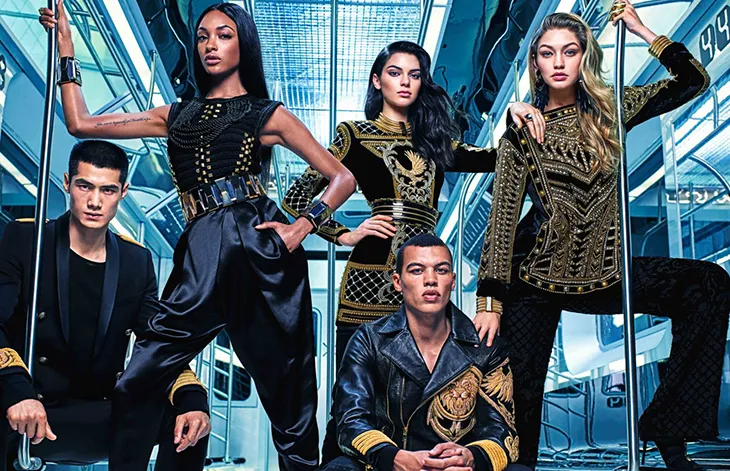
Balmain x H&M (2015)
Under creative director Olivier Rousteing, Balmain introduced its dramatic runway silhouettes through a capsule built around embellished jackets and sharply structured dresses. Many pieces incorporated gold embroidery, metallic buttons and braided trims inspired by military uniforms.
The collection also featured velvet blazers, beaded dresses and high-waisted trousers that echoed the glamorous aesthetic of Balmain’s runway shows. Rousteing promoted the collaboration heavily on social media, with celebrities wearing pieces before the launch, generating enormous anticipation for the release.
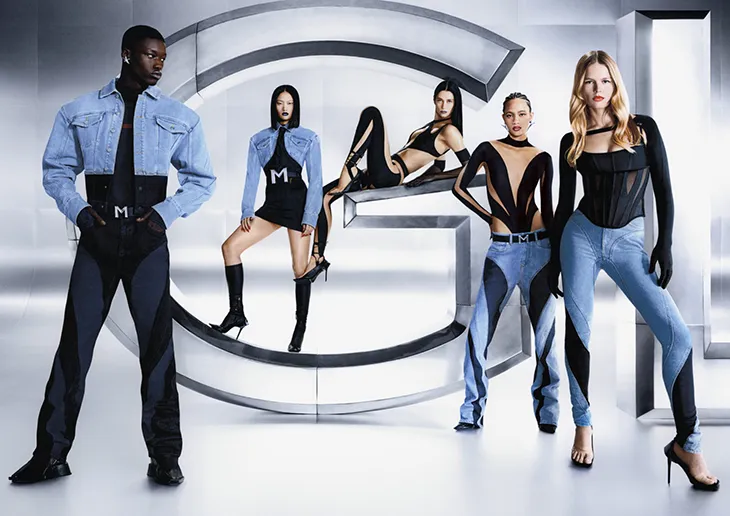
Mugler x H&M (2023)
Casey Cadwallader revisited the sculptural design language of Mugler through a capsule built around corseted tailoring and sheer panel construction. The collection featured bodysuits with transparent mesh inserts, sharply cut blazers and dresses designed to emphasize the waist and shoulders.
Several garments incorporated spiral panel seams and cut-out details inspired by Mugler’s archival silhouettes from the 1980s and 1990s. The collection introduced the brand’s dramatic design vocabulary to a new generation of customers while referencing the house’s history of body-conscious tailoring.
All H&M Designer Collaborations:
Karl Lagerfeld (2004), Stella McCartney (2005), Viktor & Rolf (2006), Roberto Cavalli (2007), Comme des Garçons by Rei Kawakubo (2008), Matthew Williamson (spring 2009), Jimmy Choo (autumn 2009), Sonia Rykiel (spring 2010), Lanvin (autumn 2010), Versace (2011), Marni (spring 2012), Maison Martin Margiela (autumn 2012), Isabel Marant (2013), Alexander Wang (2014), Balmain (2015), Kenzo (2016), Erdem (2017), Moschino (2018), Giambattista Valli (2019), Simone Rocha (2021), Toga Archives (2021), Mugler (spring 2023), Rabanne (autumn 2023), Glenn Martens (autumn 2025).
More than twenty years after Karl Lagerfeld’s debut, the H&M designer collaboration program continues to shape the relationship between luxury fashion and mass retail, returning in Spring 2026 with Stella McCartney and a renewed focus on sustainability, dialogue and the future direction of fashion.