


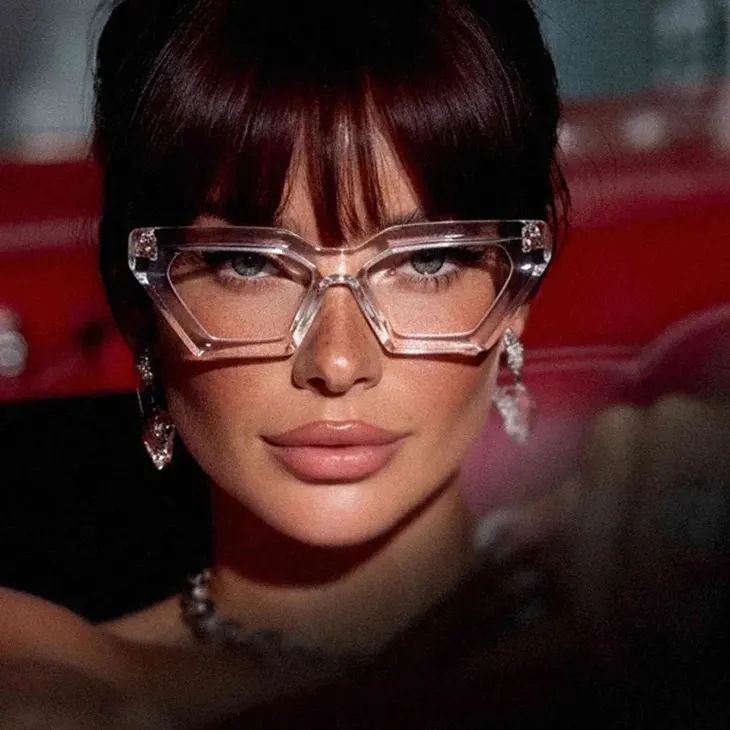
Cat-eye glasses have always been more than a flattering outline, they are a design statement with a point of view. Born from mid-century optimism and sharpened by decades of fashion reinvention, the silhouette keeps returning because it solves two problems at once: it frames the face with intention, and it carries cultural memory. Today’s wave of retro eyewear design is not about copying the past, it is about translating it through better engineering, smarter materials, and a more informed customer. That is why contemporary eyewear style takes like Luna Rx cat-eye glasses feel familiar at first glance, then distinctly current once you look at the proportions and finish.
From Postwar Glamour to Everyday Icon
The cat-eye shape rose in the 1950s as fashion embraced expressive accessories and a new kind of feminine power dressing. The upswept corners echoed the era’s fascination with aerodynamic lines, sculptural tailoring, and the idea that modernity could be worn. Early cat-eye frames were often bold and decorative, sometimes with metal accents, rhinestones, or layered acetates. They were also a subtle form of visual architecture, lifting the eye line and creating an instant sense of structure.
As the decades progressed, the style moved through cycles of exaggeration and restraint. In the 1960s and 1970s, it competed with oversized rounds and aviators, then returned in the 1980s with sharper angles and louder color. By the 1990s and early 2000s, the cat-eye became slimmer and more minimal, closer to a graphic gesture than a retro costume. This constant shifting is the point. Cat-eye glasses are not a fixed artifact, they are a flexible template.
Why Vintage-inspired Frames Are Different Now
The current revival of vintage-inspired frames is happening in a market that understands design in a more technical way. Customers are not only buying a look, they are buying comfort, durability, and optical performance. That changes how designers approach a classic silhouette. The trends are no longer permanent or lingering for years or seasons, the actual trend is encapsulated within comfort and quality.
A contemporary cat-eye is often defined by proportion rather than decoration. The lift at the outer corner might be softened so it reads elegant instead of theatrical. The lens height can be adjusted to suit modern prescriptions and screen-heavy lifestyles. Bridge geometry is refined to distribute weight and reduce pressure points. Even small decisions, such as how thick the acetate is at the brow line or how the temple tapers, can determine whether a frame feels like a novelty or a daily essential.
This is where examples draw from vintage style are useful as a reference point. The frame speaks the language of retro, but it is designed to live in the present, with a wearable scale and a finish that prioritizes polish over gimmick.
Eyewear Craftsmanship, Where The Real Value Lives
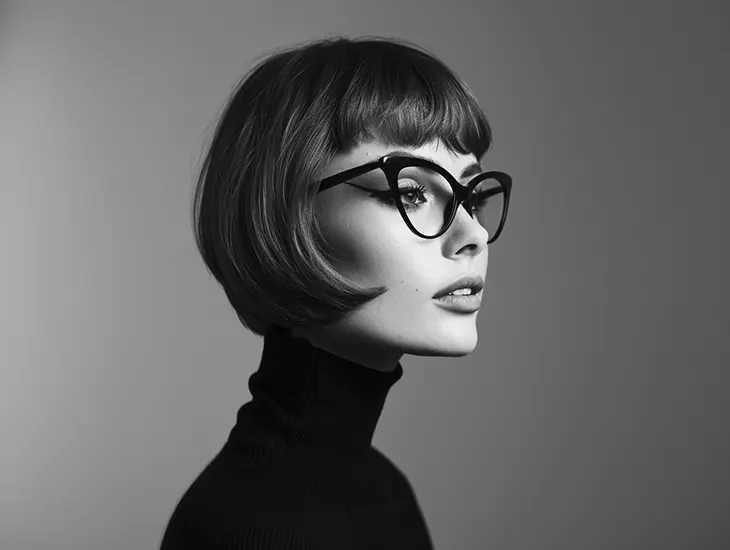
If cat-eye glasses are a silhouette, eyewear craftsmanship is the substance. The most convincing modern reinterpretations succeed because they treat the frame like a product of industrial design, not just styling. Quality shows up in places many shoppers overlook. Look at the precision of the hinge, the smoothness of the acetate edges, and the consistency of the finish from front to temple. Pay attention to alignment, the frame should sit level without fighting your face. Consider the interior details, such as how cleanly the lens is seated and whether the temples open and close with controlled tension. Be questionable and investigative of a ‘handmade’ label.
Materials matter, but so does how they are handled. A well-made acetate frame feels dense without being heavy, and it polishes to a depth that cheap plastic cannot imitate. Metal elements should feel stable, not flimsy, and should resist corrosion over time. When designers reinterpret a retro cat-eye, they are effectively balancing sculpture and ergonomics. The best ones make that balance invisible.
Eyewear as an Investment, and Why It Is Not only About the Logo
Eyewear has quietly become a true investment point. For many people, glasses are worn more hours per week than any other accessory, and they sit at the center of the face, which makes them disproportionately influential. This has created multiple niches within the market. There is the fashion-driven niche, where seasonal color and silhouette shifts mirror runway cycles. There is the craft niche, where customers seek long-term durability, thoughtful design, and repairability. There is also the performance niche, including blue-light filtering, specialized lenses, and lightweight builds for all-day wear. And increasingly, there is a collector mindset, where certain shapes or limited runs become part of a personal archive.
In all of these niches, brand name alone is not a reliable indicator of quality. A recognizable logo can signal trend relevance, but it does not guarantee better materials, better construction, or better fit. Many excellent frames come from smaller labels that invest in manufacturing and finishing rather than marketing. Conversely, some high-profile names outsource production in ways that prioritize margin over longevity. To recognize quality eyewear, you have to look beyond the label. Ask what the frame is made from. Ask where it is produced. Notice whether the design is engineered for real wear, or simply styled for a photo. When you treat eyewear as an investment, you are buying the experience of wearing it every day, not just the impression it makes in a single moment.
Why the Cat-eye Comeback Will Last
Trends come and go, but the cat-eye has a structural advantage. It flatters a wide range of faces because it creates lift and definition. It can be subtle or dramatic without changing its identity. It also aligns with the broader cultural return to expressive, character-driven accessories, pieces that feel personal rather than generic.
What makes this cycle feel different is that designers are not reviving the cat-eye as nostalgia. They are treating it as a modern essential, refining it for contemporary wardrobes and contemporary expectations of comfort. The result is a silhouette that can move between workwear and evening wear, between minimal styling and maximal styling, without losing credibility.
In the next few years, expect the category to expand rather than fade. We will likely see more experimentation with translucent acetates, warm neutrals, and architectural laminations. Proportions will continue to shift, with some frames leaning elongated and sleek, others returning to a slightly bolder brow. The cat-eye will also keep crossing into adjacent categories, such as sunglasses, optical frames designed for progressive lenses, and hybrid styles that soften the upsweep into a gentle angle. The tech integration is to become a given feature as more and more people are used to the benefits of the same, and the cat eye shape allows easier integration of the same.
Modern Cat-eye, Retro Spirit With Contemporary Discipline
The enduring appeal of cat-eye glasses is not just that they look good, it is that they communicate design intelligence. They reference history while leaving room for innovation. They prove that a classic shape can evolve through material upgrades, refined proportions, and better manufacturing standards.
For anyone exploring cat-eye glasses for women today, the smartest approach is to treat the frame like a long-term object. Choose a silhouette that complements your features, then evaluate the craftsmanship that makes it worth wearing for years. In that sense, the cat-eye revival is not a fleeting moment. It is a reminder that the best women’s glasses are the ones that balance style, comfort, and construction, and that is exactly why this retro shape is back, and why it is likely to stay.