


KEEN and PHILEO enter a multi-season collaboration that connects Portland’s outdoor-focused design with a Paris-based approach shaped by structure and experimentation. Initiated by Philéo Landowski, the partnership brings together KEEN’s technical foundation and his own precise, concept-driven process. “There’s a natural alignment in how we think about design, people, and purpose,” says Nicks Ericsson, Chief Marketing Officer at KEEN. “With Philéo, that connection is grounded in absolute trust in his vision. Every time I collaborate with him personally, I walk away having learned something new, reenergized in my own role and even more convinced that the future of fashion lies in more consciously created, purposeful products.”
SNEAKERS
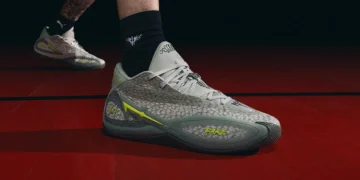
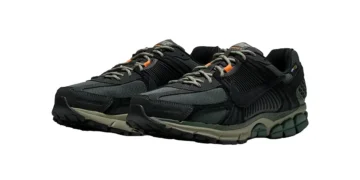
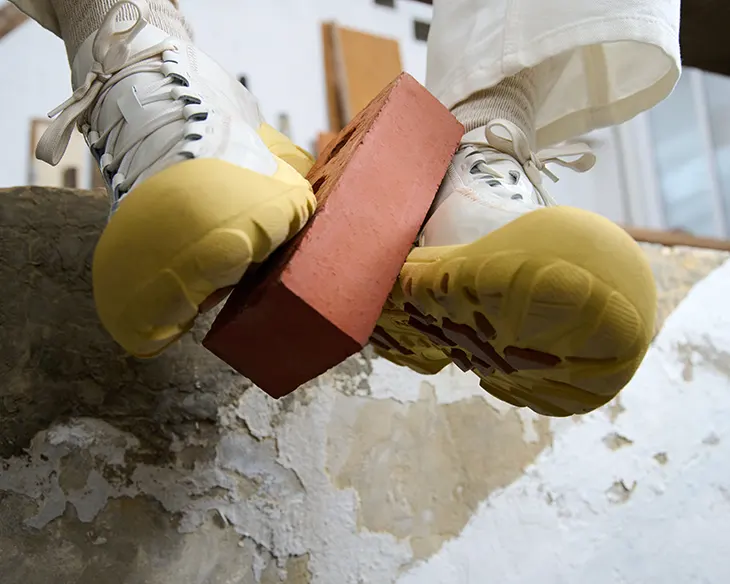
The first result, Targher PHILEO, combines the Targhee hiking boot and Jasper sneaker into a single form, where inside-out detailing reveals construction through an exposed heel counter, visible leather backing, and reversed stitching. The project centers on how a shoe works, placing attention on function, materials, and the logic behind each element.
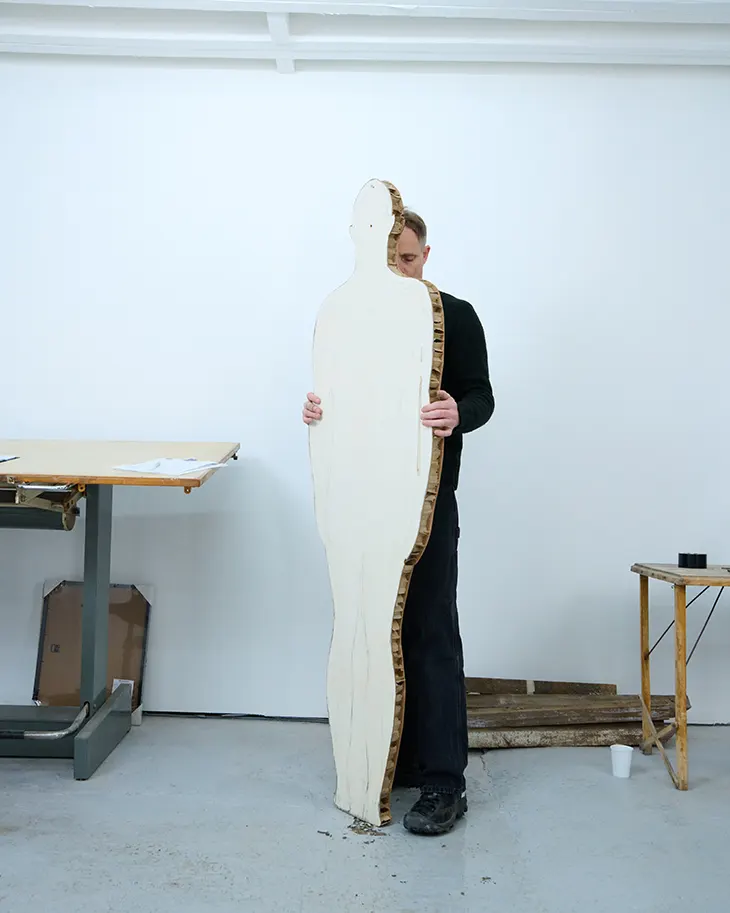
In this DSCENE exclusive, Philéo speaks with editor Katarina Doric about how the collaboration developed and why KEEN’s utilitarian language felt relevant to his work. He explains his decision to make construction legible, the role of constraint within KEEN’s technical framework, and how the Targher PHILEO positions itself between use and expression.
I initially came across the Jasper, but the more I explored the brand, the more I realized how dense and unexpected its design territory is.
KEEN operates in a space that is almost untouched by fashion, very utilitarian, very specific in its approach to shoemaking.
We speak the same language, shoemaking, but with different accents.
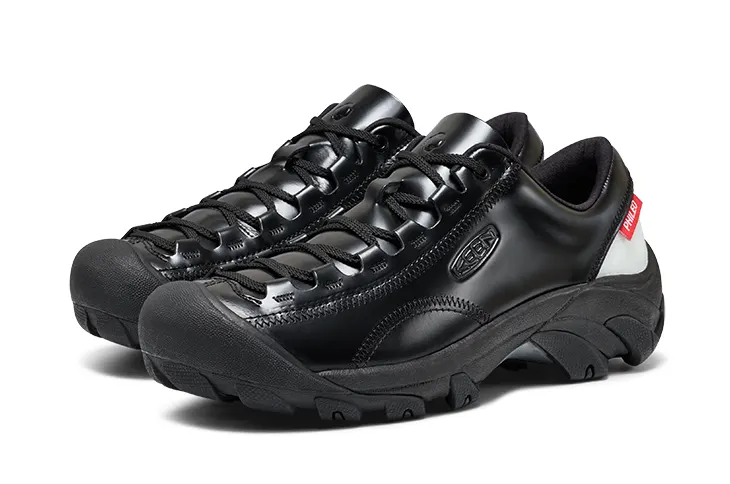
How do you balance performance with a strong, recognizable silhouette? – For me, a silhouette emerges from the construction itself. If the structure is clear and controlled, the form becomes recognizable almost as a consequence. So the balance is not between performance and shape : it’s about ensuring that performance remains intact while refining how it is expressed.
When function is made visible in a controlled way, it naturally becomes part of the visual language.
What felt different here compared to your past work with other brands? – With KEEN, function is not a layer : it’s the core. You can’t bypass it, you have to work through it. That creates a different type of dialogue. Less about interpretation, more about alignment, understanding how far you can push without breaking the integrity of the object.
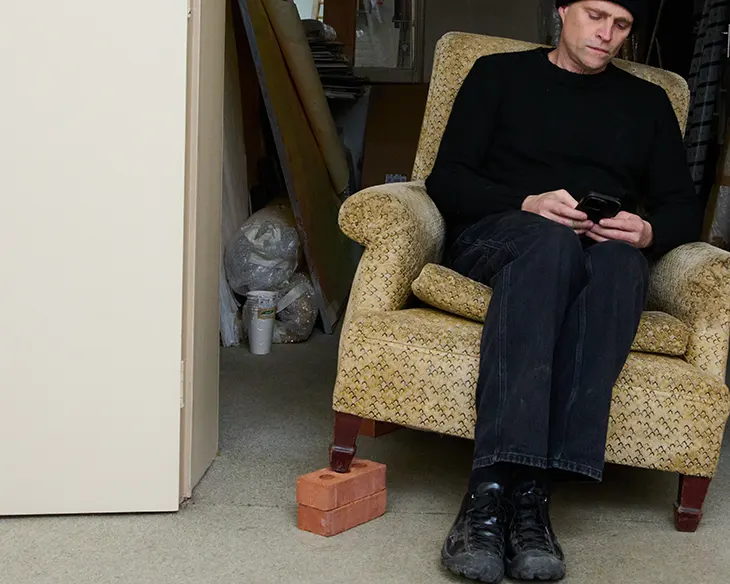
Why was it important to make materials and construction so visible? – Because that’s where the object exists. I’m interested in making the internal logic of the shoe readable, not entirely exposed, but not concealed either. There is a tension there, by revealing certain elements, the shoe becomes more explicit, more self-sufficient. It doesn’t rely on external references to exist.
The potential lies in continuing to shift the balance without losing the integrity of the object.
How do you see this project speaking to both fashion and outdoor audiences? – The shoe is a tool. It’s made for people who engage with what they do, whether that’s physical or conceptual. In that sense, it doesn’t belong strictly to fashion or the outdoors. It sits in between, in a space where use and expression coexist.
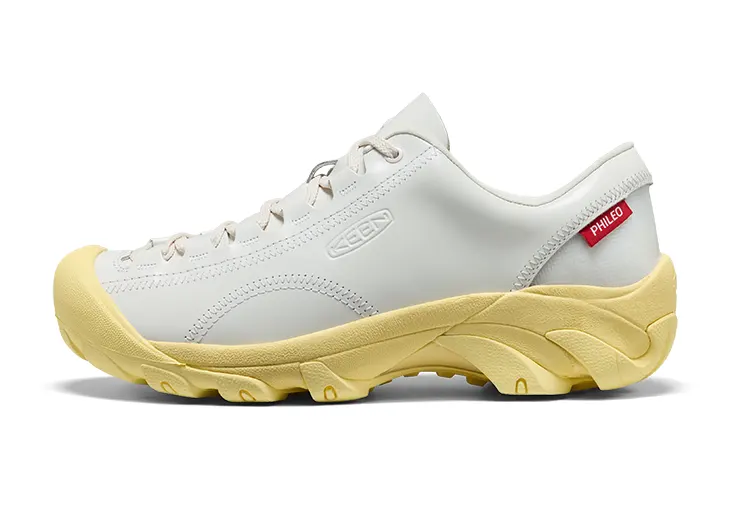
What direction do you want to explore next within this partnership? – This feels like a starting point, what interests me is to keep working within that tension under positive constraint. Either pushing further into utility, or on the contrary, reducing things even more. The potential lies in continuing to shift the balance without losing the integrity of the object.