



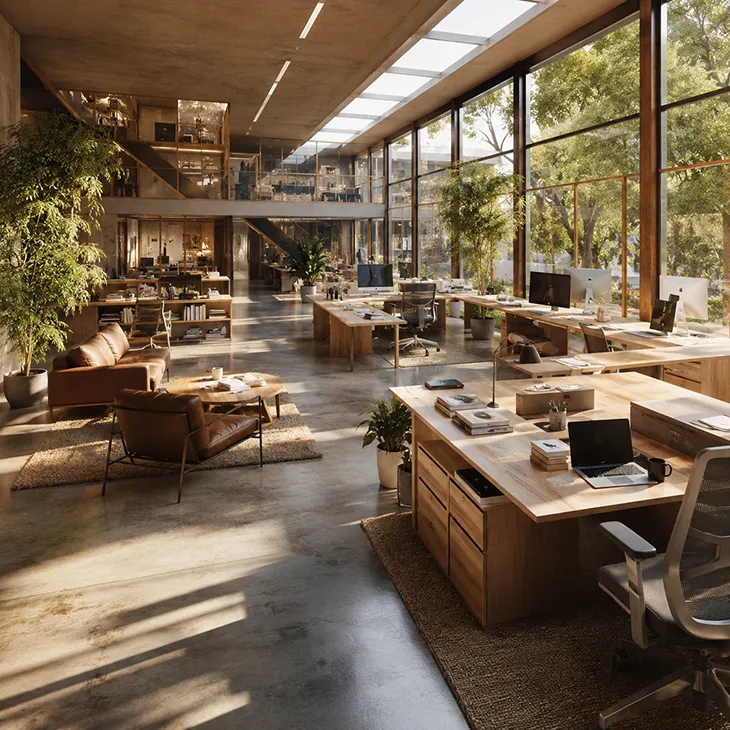
The modern office is no longer defined by rows of identical furniture and rigid floor plans. Today’s workplaces are shaped by flexibility, collaboration, comfort, and the need to support different working styles. As businesses rethink how people interact with their environment, desk design has become one of the most influential parts of office planning. What once seemed like a simple functional purchase is now a strategic decision that affects productivity, movement, privacy, and team culture.
Among the many design choices available, desk shape has emerged as a major factor in how offices feel and perform. From compact rectangular stations to expansive corner solutions, the right layout can transform underused square footage into a purposeful workspace. Companies of every size are realizing that furniture is not just about filling a room. It is about guiding behavior, improving efficiency, and creating spaces where people can do their best work.
Why Desk Shape Matters More Than Ever
Desk shape determines how a person uses space throughout the day. A poorly matched desk can create clutter, awkward movement, and frustration, while a thoughtful layout can encourage focus and make daily tasks easier. In offices where employees balance computer work, paperwork, meetings, and storage needs, surface area and positioning matter more than many people expect.
Interior designers and workplace consultants often emphasize that furniture layout influences productivity just as much as lighting and acoustics. When desks are selected with workflow in mind, employees spend less time adjusting their surroundings and more time concentrating on meaningful work. That is one reason many organizations now review office furniture during renovation or growth phases rather than treating it as an afterthought.
The desk shape also affects the visual identity of a workplace. Sleek linear desks may create a minimalist atmosphere, while wraparound or corner configurations can signal authority, structure, or executive functionality. Whether a business wants to project innovation, professionalism, or warmth, desk choices quietly reinforce that message to staff and visitors alike.
How U-Shaped Layouts Support Efficiency and Presence
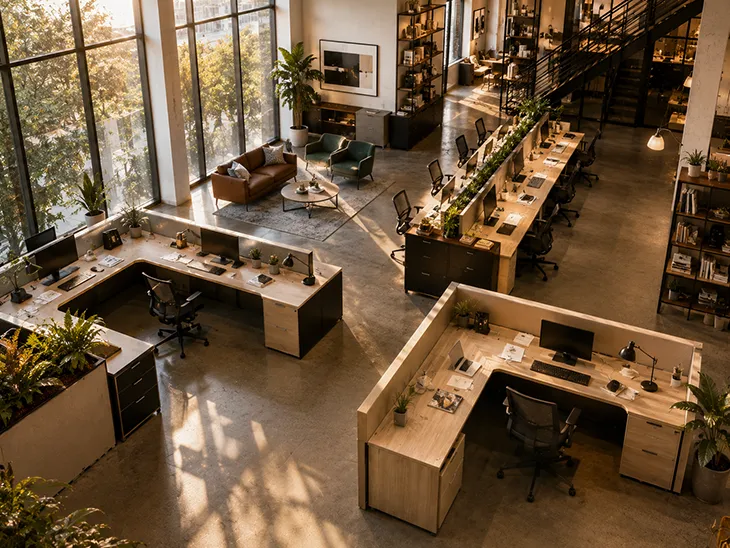
Some roles require more than a basic work surface. Managers, administrators, consultants, and professionals often juggle multiple screens, files, devices, and conversations throughout the day. In these settings, a broader layout creates real advantages. That is why many offices continue to favor the practicality of a U-shaped office desk, which offers separate zones for computer work, writing tasks, and storage access without forcing the user to constantly stand or reposition.
This style of desk also creates a sense of control and organization. Instead of stacking everything in one crowded area, users can divide tasks across different surfaces. One side may hold active projects, another may support technology, while the center remains clear for focused work. That natural separation helps reduce distractions and maintain cleaner work habits over time.
From a design perspective, U-shaped desks can anchor a room beautifully. In private offices, they establish a professional focal point and use wall space efficiently. In larger open layouts, they can define an individual zone without the need for bulky partitions. Businesses that value both functionality and visual presence often see this shape as a smart long-term investment.
Matching Desk Shapes to Modern Work Styles
Not every team works the same way, which is why there is no universal desk solution. Creative departments may prefer collaborative benching systems that encourage quick conversations and shared energy. Finance or legal teams may need larger surfaces for documents and dual monitors. Hybrid teams might prioritize modular desks that can adapt as attendance patterns change throughout the week.
The best office interiors start by analyzing how people actually work rather than choosing furniture based only on trends. For example, if staff members spend hours in concentrated tasks, desks with privacy-friendly positioning may be more effective than open communal arrangements. If managers regularly meet with visitors, a layout that accommodates guest seating becomes essential. Smart companies align desk shape with real behavior patterns.
There is also growing awareness that employee comfort affects retention and morale. Organizations increasingly invest in ergonomics, adjustable seating, and layouts that reduce physical strain. Desk shape plays a role here, too. Adequate reach zones, storage access, and movement space can make a full workday feel smoother and less tiring. Small design improvements often create noticeable long-term benefits.
Using Desk Layouts to Maximize Office Space
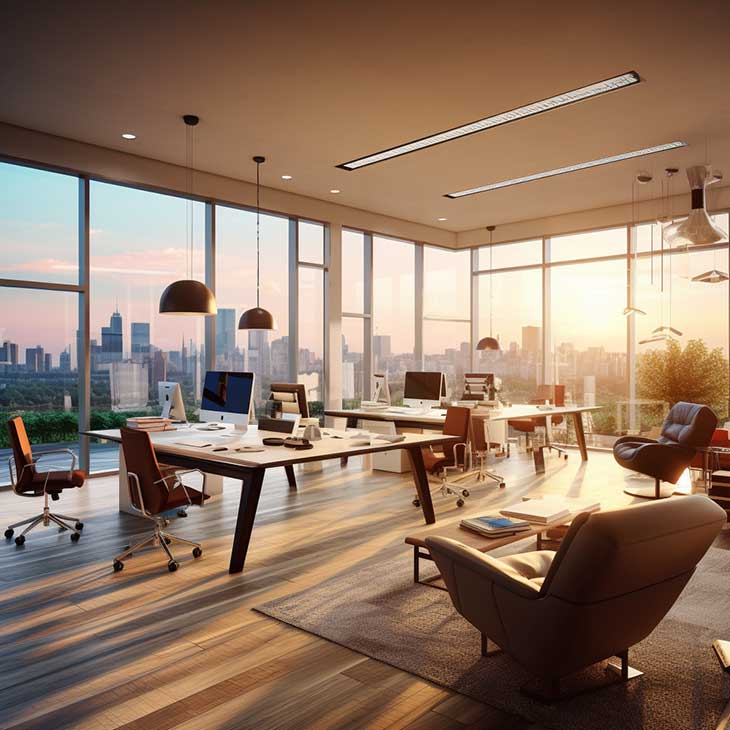
Real estate costs continue to shape workplace decisions, making space efficiency more important than ever. Many businesses operate in smaller footprints or seek to make existing offices work harder. Desk selection becomes critical in these situations because the wrong shape can waste corners, block pathways, or crowd shared zones.
Corner-oriented and wraparound desks often solve problems that standard rectangular desks cannot. They make use of overlooked areas while keeping central walkways open. This can be especially useful in private offices, administrative spaces, or rooms with unusual dimensions. Instead of forcing the room to adapt to the furniture, the furniture supports the architecture.
Thoughtful layouts also improve traffic flow. Employees should be able to move comfortably between desks, printers, meeting rooms, and storage areas. When desk shapes are chosen strategically, offices feel more open and organized even when square footage is limited. Good planning helps a workspace feel larger, calmer, and more intentional without requiring costly expansion.
Finally, desk shapes are doing far more than holding computers and paperwork. They are shaping how people move, think, collaborate, and experience the workplace each day. As office design continues to evolve, businesses that pay attention to layout details gain an advantage in comfort, efficiency, and presentation. The right desk becomes part of a smarter ecosystem rather than a standalone object.
Whether a company is redesigning one private office or an entire floor, furniture decisions deserve careful thought. By matching desk shapes to workflow, culture, and available space, organizations can create interiors that support real performance. In a competitive world where every detail matters, the power of layout should never be underestimated.