



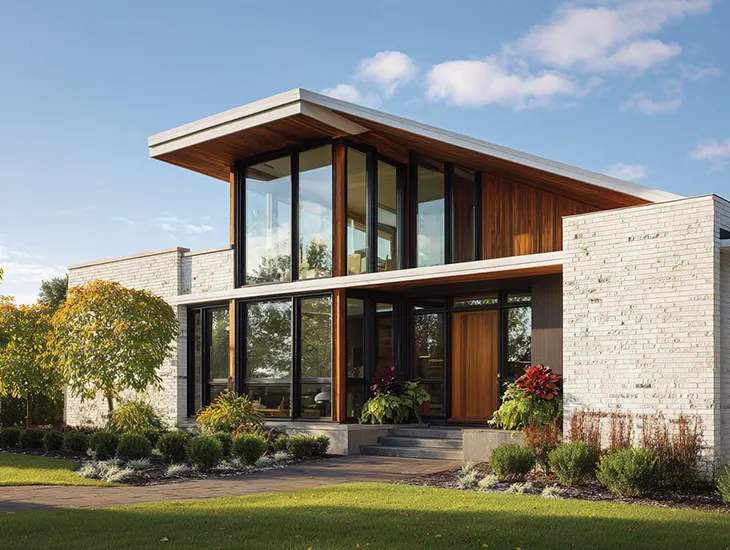
Design-conscious homeowners often think about their spaces through materials, proportion, light, layout, and daily use. They notice how a room functions in the morning, how finishes age, how storage changes the pace of a household, and how a renovation can make a home feel more coherent. Yet those same decisions also shape something less visible: home equity. A well-maintained, carefully improved home can hold stronger value over time, giving owners financial flexibility that grows from the same choices that make the space better to live in.
This is not about preparing a house for sale or treating design as a purely cosmetic exercise. It is about understanding that a home can function as both a personal space and a financial asset. The same habits that keep a house beautiful, functional, and current can also influence its appraised value, borrowing potential, and long-term worth. Once homeowners understand that connection, maintenance and renovation start to carry a different kind of weight.
Why Design-Forward Homes Are Different
Attention to detail pays dividends
Not all homes appreciate at the same rate. A house that has been neglected, poorly maintained, or decorated without clear direction tends to lose ground in competitive markets. A home that has been cared for, where every room reflects deliberate choices, tells a completely different story to appraisers, buyers, and lenders alike.
Design-conscious homeowners often invest in their spaces before problems become visible. They repaint before rooms feel worn, replace fixtures before they look dated, and choose materials that can age well through daily use. Those habits build on one another. Over several years, they can help a home hold its value more successfully than a property that receives attention only when something breaks.
Quality finishes matter. So does layout flow, natural light, and the kind of spatial logic that makes a home feel larger than its square footage. These are serious considerations because professional appraisers weigh many of these factors when they determine what a property is worth.
The Asset Hidden in Plain Sight
Equity is quietly accumulating
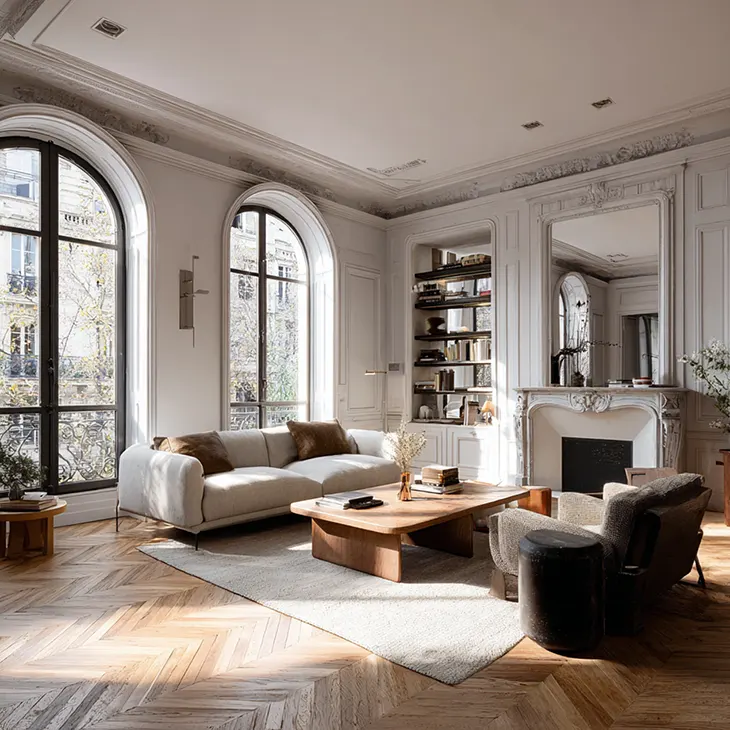
Most people rarely say it directly, but your home may be worth more than you paid for it. If you have maintained it well and improved it over the years, that difference may be even greater. The gap between what you owe and what your home is currently worth is your equity. It is a real number, often a significant one, and many design-minded homeowners leave it untouched.
Equity builds in two ways. First, as you pay down your mortgage, the balance decreases and your ownership stake grows. Second, as the market changes, or as your improvements increase the property’s value, the gap between what you owe and what you own widens. In a home that has been well maintained and carefully upgraded, that gap can become substantial over time.
The average homeowner, according to Federal Reserve data, holds a significant portion of their net worth in residential real estate. Yet many people treat home equity as something relevant only when they sell. That view limits a flexible asset that may already exist inside the home they live in every day.
How Stylish Homeowners Are Actually Using It
Turning equity into opportunity
The shift happening right now is that design-conscious homeowners are starting to treat their equity the way they treat other financial assets, as something to be deployed thoughtfully, not just stored passively. One of the most practical ways to do this is through home equity loans, which allow homeowners to borrow against the value they’ve already built, typically at lower interest rates than personal loans or credit cards, and with the flexibility to use the funds for nearly anything, including the next round of improvements that will increase value further.
This approach has a certain elegant logic to it. You’ve built value. You borrow against that value. You invest it back into the property, or into another financial goal entirely. The home funds its own evolution. And because well-executed renovations tend to push appraised values higher, the cycle can repeat.
Worth knowing: According to the National Association of Home Builders, kitchen remodels, bathroom upgrades, and exterior improvements consistently rank among the highest-return renovation projects, meaning the investment isn’t just aesthetic, it’s financial.
Some homeowners use this capital to fund renovations they’ve been putting off. Others use it to consolidate higher-interest debt, invest in a second property, or cover major life expenses without touching retirement accounts. The point is flexibility. That equity isn’t passive income, but it can be activated when the timing is right.
The Renovations That Actually Matter
Not all upgrades are created equal
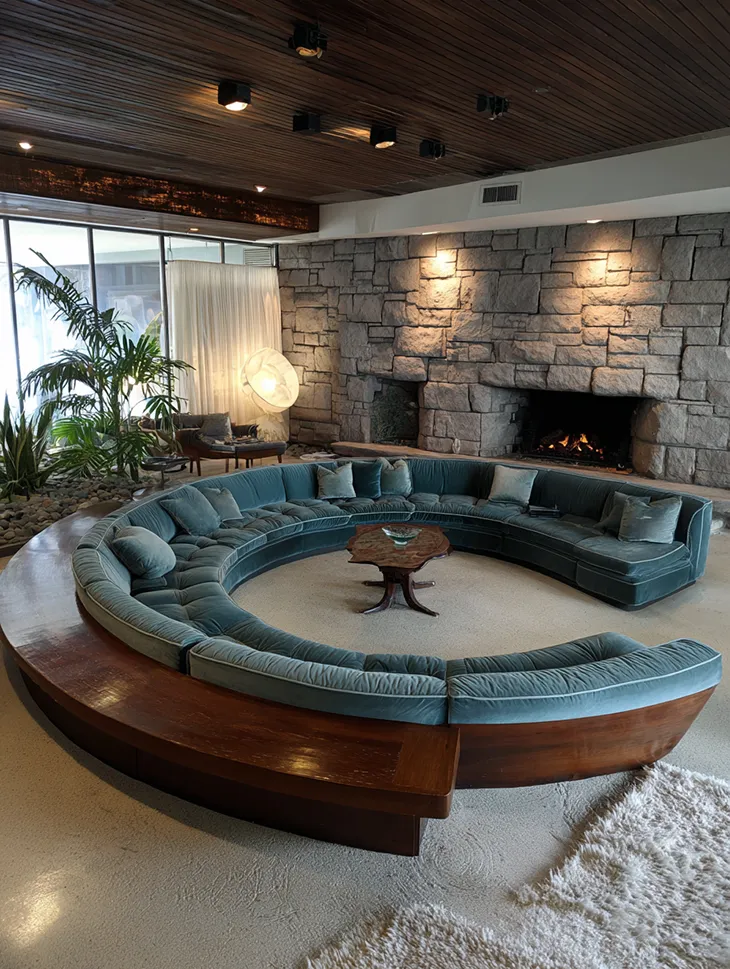
If you plan to invest in your home, whether through savings or capital drawn from existing equity, it helps to know which improvements can support resale value. The design choices that impress guests at dinner do not always influence an appraiser’s number in the same way.
Kitchens and bathrooms remain among the most important spaces. A mid-range kitchen remodel can return a significant portion of its cost in added value, especially in markets where comparable homes already have updated kitchens. Bathrooms follow a similar logic. The key is staying aligned with the property and the neighborhood. Over-improving a home can become one of the most expensive mistakes design-oriented homeowners make.
Curb appeal also matters. The first impression comes from the façade, landscaping, front door, and exterior lighting, and that impression shapes how the rest of the home feels. Studies consistently show that homes with strong curb appeal sell faster and at higher prices. This area can also be relatively affordable to improve.
Energy efficiency upgrades are increasingly important. New windows, improved insulation, smart thermostats, and modern HVAC systems appeal to buyers and appraisers in ways that purely aesthetic updates sometimes don’t. They signal a home that has been properly maintained, beyond surface-level updates.
What Lenders See That You Might Not
Your home through a financial lens
When a lender or appraiser walks through your home, they are not admiring the art on the walls or the quality of your sofa. They are evaluating condition, comparables, and systems. The HVAC, roof, windows, and foundation are the unglamorous factors that help determine the financial health of a property.
Design-forward homeowners often have an edge here, even if they do not realize it. Because they pay attention to their homes, they tend to catch maintenance issues early. They replace worn fixtures proactively. They do not let deferred maintenance accumulate into expensive problems. The result is a home that scores well on the factors lenders weigh most heavily, even before the aesthetic elements enter the conversation.
That advantage can translate into favorable borrowing terms, higher appraisals, and more financial flexibility when it matters most.
Seeing the Home as Design and Asset
Some homeowners see their space purely as a personal sanctuary, curated and maintained for reasons that have little to do with finance. That way of living has value, but it can leave financial potential unused.
The shift worth making is simple: begin thinking of your home as both a beautiful, functional, personal space and a financial asset. These two ideas do not need to compete. In fact, the habits that make a home more livable, including consistent maintenance, considered upgrades, and attention to quality, are the same habits that build equity and increase financial flexibility over time.
Stylish homeowners have always understood that good design requires investment. The ones paying closer attention now recognize that the investment can also carry a return.
The hidden asset in every design-forward home isn’t a secret room or a rare material. It’s the cumulative result of every deliberate choice, every careful repair, every upgrade made with care and intention. It’s equity, real, accessible, and ready to be put to work. The question is no longer whether it’s there. The question is what you plan to do with it.