



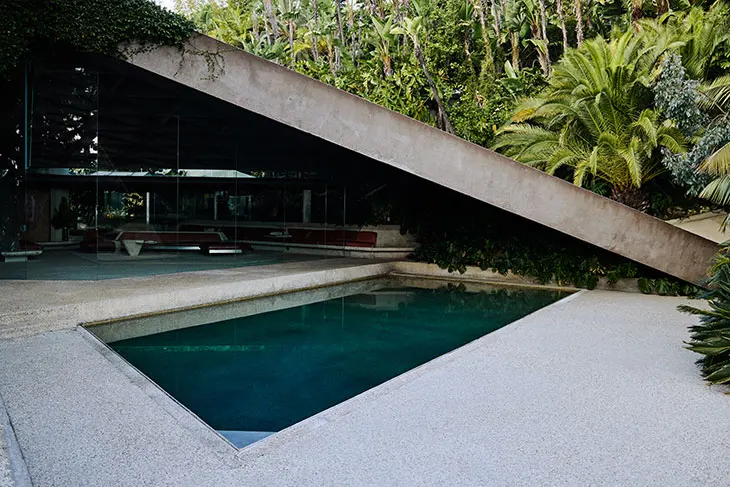
Designing high-performance homes in California requires more than meeting basic building standards. The state’s unique combination of climate conditions, energy regulations, and site constraints demands a more integrated and technically informed approach to residential design.
From solar exposure and thermal performance to ventilation strategies and material selection, many of the most critical factors influencing how a home performs are defined during the early design phase. In practice, these considerations are often addressed by an experienced architect firm in California, where design decisions are closely aligned with real construction methods, environmental conditions, and long-term building performance.
Climate-Responsive Design Is Foundational
High-performance residential design in California begins with a clear response to climate. The state’s varied conditions, ranging from coastal microclimates to inland heat zones, require strategies that are specifically calibrated to the site rather than applied uniformly.
Factors such as solar exposure, prevailing wind patterns, and seasonal temperature shifts directly influence building orientation, façade composition, and overall spatial organization. When these elements are not addressed early, the building is forced to compensate through mechanical systems rather than performing passively.
A climate-responsive approach integrates these variables into the earliest design decisions. Building orientation, shading systems, and envelope configuration are developed in direct relation to site conditions, allowing the structure to manage heat gain, daylight, and airflow more effectively. This results in improved indoor comfort, lower energy demand, and more consistent long-term performance.
Factors that shape climate-responsive design include:
- solar orientation and heat gain;
- prevailing wind patterns and natural ventilation potential;
- seasonal temperature variation;
- site-specific microclimate conditions.
Building Envelope as a Performance System
In high-performance residential design, the building envelope functions as the primary regulator of indoor conditions. Its configuration directly influences thermal stability, energy efficiency, air tightness, and overall occupant comfort.
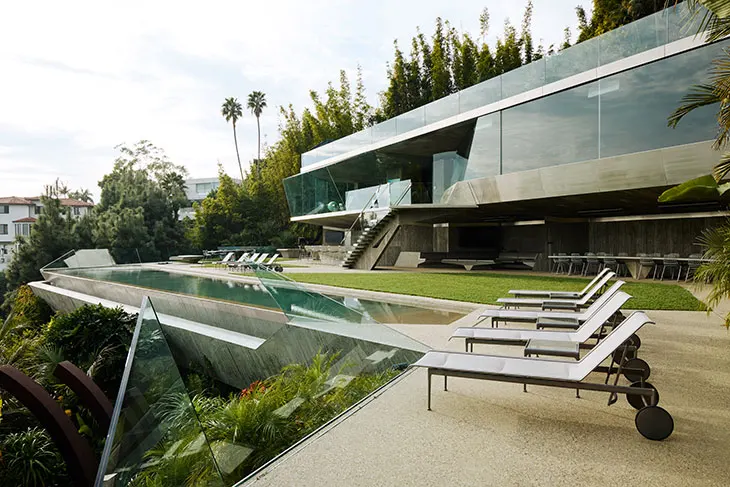
Key decisions related to insulation continuity, air sealing strategies, and glazing systems define how effectively the building separates interior and exterior environments. These are key elements every reputable architecture office is considering off, the regulations are overlapping globally. When these elements are not fully coordinated, the result is often uncontrolled heat transfer, air leakage, and increased risk of long-term durability issues.
Core envelope components that define performance include:
- continuous insulation and thermal bridging control;
- air sealing and airtightness strategy;
- high-performance window systems;
- moisture management and vapor control layers.
A well-resolved envelope is developed as an integrated system rather than a collection of dis-assembled components. Continuous insulation, clearly defined air barriers, and high-performance window assemblies are coordinated early in the design process, ensuring consistent performance across all interfaces. This level of integration allows the building to maintain stable interior conditions while reducing reliance on mechanical systems, applies to home design in California but also overlaps with global regulations.
Ventilation and Airflow as a Designed System
In high-performance homes, particularly in California, ventilation is no longer incidental, it is a critical component of overall building performance. As construction becomes more airtight to improve energy efficiency, the role of controlled airflow becomes increasingly important in maintaining indoor air quality and occupant comfort.
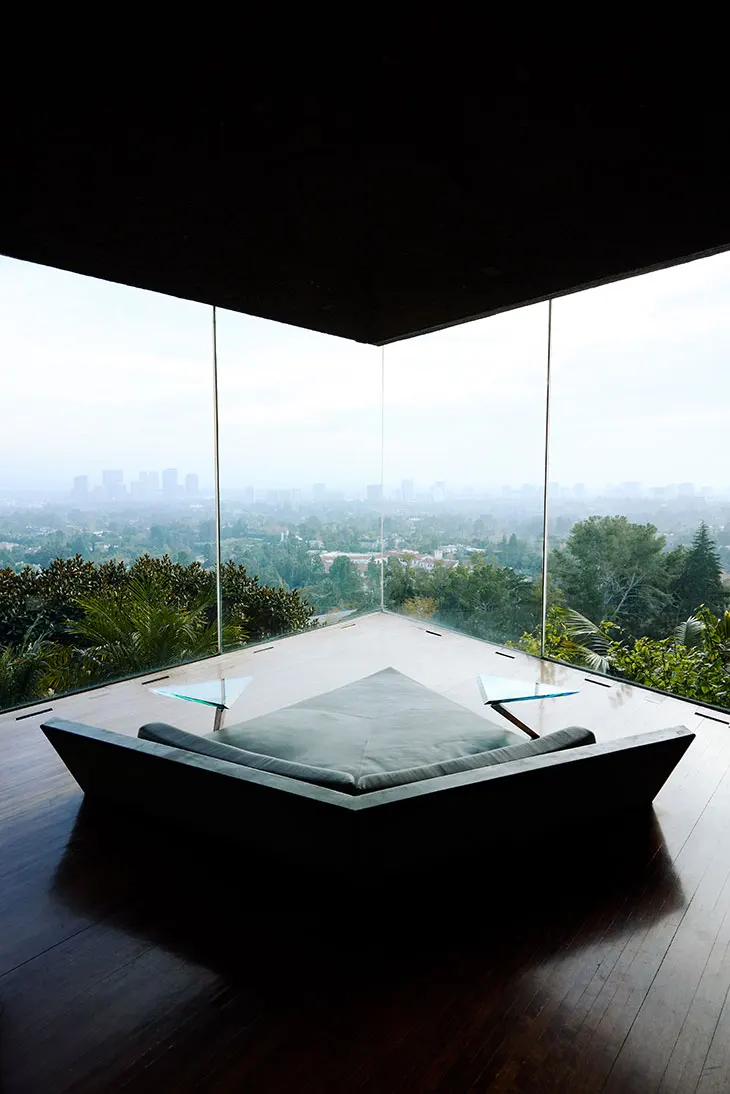
Without a clearly defined ventilation strategy, airtight buildings can experience issues related to stale air, moisture imbalance, and inconsistent indoor conditions.
Effective airflow is achieved through a coordinated approach that considers both natural and mechanical systems. Cross-ventilation, window placement, and spatial connections are integrated with mechanical solutions where required, creating a balanced and predictable air exchange. This ensures consistent indoor conditions while supporting both comfort and long-term building health.
Structural Clarity and Buildability
The relationship between architectural form and structural logic has a direct impact on how efficiently a building can be constructed. Projects that rely on overly complex geometries or poorly coordinated structural systems often introduce unnecessary challenges during execution. Home design in California comes today at special scrutiny, taking in account the uncontrollable fires in 2025, and the states sense of urgency within the issue.
These complexities can lead to increased material use, longer construction timelines, and a higher likelihood of on-site adjustments.
A more refined approach emphasizes structural clarity. By aligning structural systems with the architectural concept early in the design process, load paths become more direct, and construction becomes more predictable. This not only improves buildability and cost control, but also contributes to the long-term durability and performance of the home.
Early Coordination and Risk Reduction
One of the defining characteristics of high-performance residential home design in California, and elsewhere, is the level of coordination established before construction begins. Projects developed in isolation, where architectural, structural, and building systems are addressed separately, often encounter conflicts that surface during later stages. With the recent fires in California, the regulations are even more tightened, and are to become even far more detailed in the years to come. The difference between building in Europe or Canada is still ultimately large, with fire proof safety still not coming to the right focus, most often within the consideration of the use of quite flammable materials for construction in the United States of America.
These disconnects typically result in design revisions, construction delays, and gaps between intended and actual performance.
A more resilient approach treats the project as an integrated system from the outset. Design, engineering, and construction considerations are developed in parallel, allowing decisions to be tested against real-world conditions early in the process. This level of coordination reduces uncertainty, improves constructability, and supports more predictable project outcomes.
A structured approach to coordination, similar to a clearly defined home building process, helps reduce uncertainty, improve constructability, and ensure more predictable project outcomes.
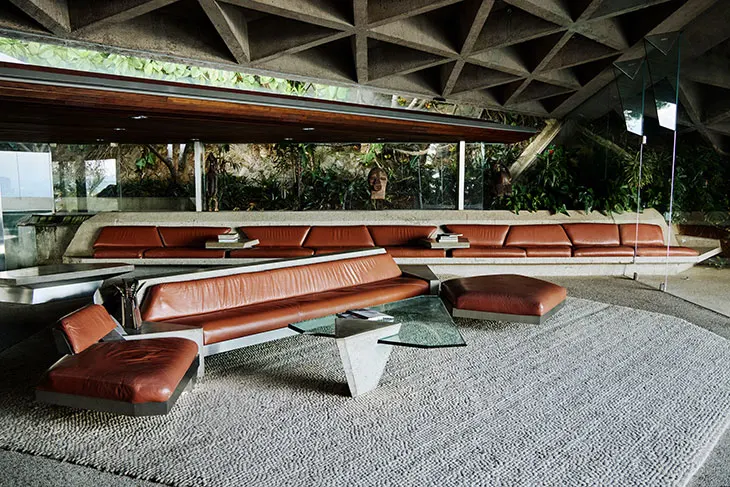
Integrated Performance as a Design Outcome
Today, high-performance home design in California is not defined by a single feature, but by a coordinated approach that integrates climate response, building science, and construction logic. When these elements are considered together from the earliest stages, the result is a building that performs consistently across multiple dimensions, from energy efficiency and durability to comfort and long-term adaptability.
By embedding performance-driven thinking into the design process, it becomes possible to create homes that are not only efficient and resilient to even fire hazards, but also precisely aligned with their environment and intended use over time.




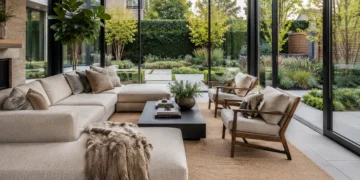



wow love this LA house that you have in photos!