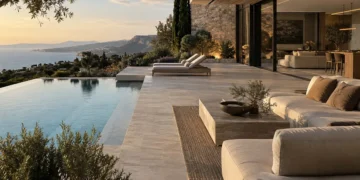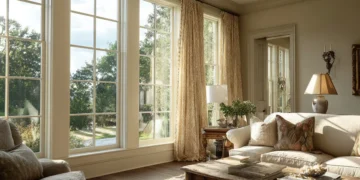



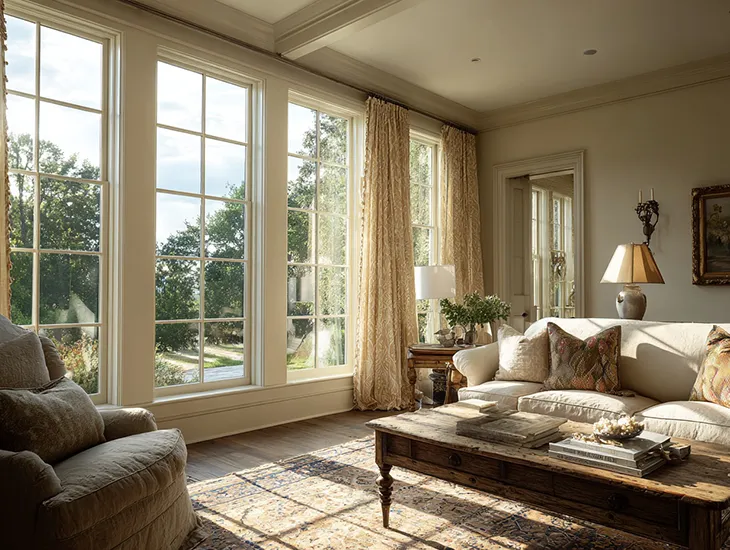
Balance matters. Whether you’re updating a single room or planning a full exterior refresh, understanding how window design connects with architecture helps you make choices that feel right for your space and your climate.
Why Architectural Harmony Matters
Every home style carries its own visual language. Windows are a major part of that, influencing proportions, symmetry and detail. When they clash with the structure, such as being too modern for a historic facade or too ornate for a minimalist build, the mismatch is instinctively noticeable.
Updated windows that match your property can enhance curb appeal and resale value. The right choice will improve natural light without disrupting design flow, maintain historical integrity in older homes and support energy efficiency.
6 Window Styles and the Homes They Suit
Before choosing replacements or upgrades, it helps to understand what each window style looks like and why it fits certain architectural traditions.
1. Double-Hung Windows
Strongly associated with Colonial, Cape Cod and other traditional American homes, these windows reflect a sense of order and symmetry. Homes like this typically have evenly spaced windows and balanced facades. The two vertical sliding sashes of the double-hung style reinforce that structure.
Their divided panes also echo early glassmaking limitations, where large panes weren’t possible. Using them today preserves that classic rhythm and proportion.
2. Casement Windows
These hinge at the side and open outward and are a natural fit for modern and Prairie-style homes, which emphasize horizontal lines, open views and a connection to the outdoors. Casement windows support that by offering wide, unobstructed glass areas and clean frames. Functionally, they also catch breezes more effectively, aligning with the practical, nature-focused philosophy behind these designs.
3. Bay Windows
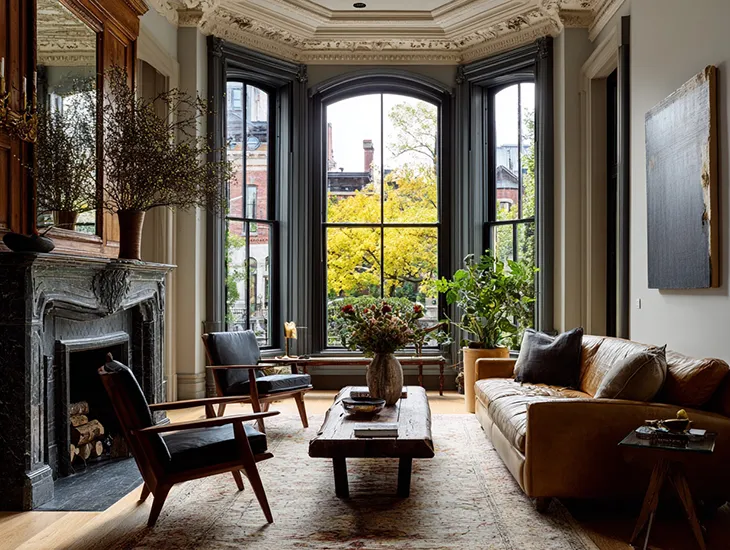
Bay windows celebrate depth, texture and visual interest. They project outward, adding dimension to both the exterior and interior. This creates a focal point rather than blending into the wall. That’s why they feel so at home in designs that already embrace ornamentation and complexity, like Victorian and Tudor.
4. Picture Windows
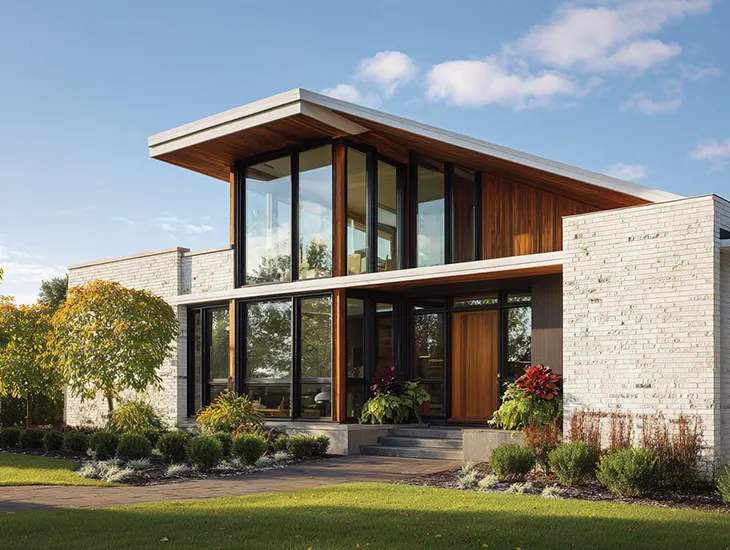
Think large, fixed panes with minimal framing and a focus on simplicity. This makes them ideal for midcentury modern and contemporary homes, where the emphasis is on clean lines and uninterrupted views. These architectural styles often aim to blur the boundary between indoors and outdoors, and picture windows achieve that by framing landscapes like artwork.
5. Awning Windows
These top-hinged windows open outward and are often used in Ranch and contemporary homes, which tend to prioritize low profiles and functional layouts. Awning styles fit well here because of their practicality and subtle appearance. They can stay open even during rain while maintaining a streamlined look, making them especially useful in climates with frequent weather changes.
6. Sliding Windows
These also complement modern and midcentury homes due to their horizontal orientation. Such houses often feature long, low rooflines and wide facades, and sliding windows echo those proportions. Their simple operation and minimal visual interruption align with the uncluttered aesthetic of these homes.
Quick Reference for Aligning Windows With Architectural Style
The key takeaway is that each window style supports the home’s architectural “story.” When you match them thoughtfully, the result feels cohesive rather than pieced together.
| Window Style | Key Features | Best Architectural Matches |
| Double-Hung | Two movable sashes Classic proportions |
Colonial Cape Cod Traditional |
| Casement | Hinged Opens outward like a door |
Modern Contemporary Prairie |
| Bay | Project outward Create interior space |
Victorian Tudor Craftsman |
| Picture | Fixed Large panes Unobstructed views |
Modern Midcentury |
| Awning | Hinged at top Opens outward |
Contemporary Ranch |
| Sliding | Horizontal movement Clean lines |
Modern Midcentury |
When to Replace Your Windows
The life expectancy of windows varies depending on the materials, frame, upkeep and your climate. As a rough guide, the International Association of Certified Home Inspectors estimates 20 to 40 years for vinyl or fiberglass windows, and more than 30 years for wooden ones.
However, those are maximum timelines before windows fail. Many homeowners wish to upgrade long before then, especially if they seek an improved aesthetic or better energy efficiency. For example, you may want to replace bay windows once you notice drafts, cold spots or excessive noise from outdoors. Casement windows may need replacing if you notice fog or condensation between panes, indicating that the insulating gas has leaked.
Cracked, warped or rotting frames are another obvious signal that your windows need attention. Windows that stick or jam pose a safety risk and should always be replaced.
Energy Efficiency and Climate Considerations
Style matters, but so does performance, especially in the varied climates across the U.S. Windows can account for 30% of your home’s energy loss, making it harder to keep your house warm in winter or cool in summer.
If you live in a colder region, prioritize:
- Double or triple-pane glass.
- Low-E coatings to retain heat.
- Tight seals to prevent drafts.
In warmer climates:
- Look for UV-blocking coatings.
- Consider tinted or reflective glass.
- Use exterior shutters or shades.
The right window style can actually support your heating and cooling strategy. For example, casement windows capture excellent airflow, while picture windows maximize winter sunlight.
Balancing Window Cost and Value
Window replacement can feel like a big financial step, and uncertainty around total cost is common. The final price depends on several factors:
- Number of windows, and their type and size
- Materials used, such as wood, fiberglass or vinyl
- Installation complexity
- Any structural repairs necessary, especially if replacing bay windows
It helps to think in terms of long-term value. Energy-efficient windows can lower utility bills, while properly matched designs increase your home’s market appeal.
Getting a few detailed estimates will clarify realistic pricing. Itemized quotes and clear timelines are strong indicators of professionalism when you choose an installer.
How to Find the Best Window Installation Company
Even the most beautiful windows can fall short with poor installation. To find a reliable installer, focus on:
- Verified reviews and local references.
- Proper licensing and insurance.
- Experience with your home’s architectural style.
- Willing to explain materials and methods.
Some window styles are more complex to install or replace than others, so look for experience with your specific type. For example, a company that replaces bay windows will have expertise in the weight balancing and structural support necessary. Installers familiar with older houses are invaluable when dealing with challenges such as uneven frames or historic detailing.
Renewal by Andersen: Your Partner for Window Replacement
Renewal by Andersen is a go-to choice for homeowners wanting to replace windows in Westchester County. They are especially a great choice for homeowners who need to replace bay windows in their home. Its proprietary Fibrex® material is twice as strong as vinyl and ideal for the structural load of bay styles. Windows come with the nation’s best warranty coverage, and you can choose High-Performance™ Low-E4® glass for optimal energy efficiency.
The company’s award-winning customer service starts with your personal design consultation, after which your windows will be measured and built specifically for your home for a perfect fit. The Renewal by Andersen signature service, expert consultations, superior installation and exclusive products, is why it’s the top choice for homeowners looking to replace bay windows or any other style of window.
Blending Interior and Exterior Design
Choosing replacement windows is part design decision, part practical upgrade. When you align window styles with your home’s architecture, consider climate performance and work with skilled installers, the result feels both beautiful and functional. Thoughtful choices at the design stage will pay off in comfort, efficiency and lasting visual harmony for your home.